
1 Thank you all for coming – I’m so glad to be a part of Pridefest again this year, and to share some of what I’ve learned about LGBTQ history with our community
2 I would also like to thank Brandy Vance, Don Diaz Johnston, and entire Pridefest Organizing Committee for sponsoring and advertising this event – and also the Carepoint Health and Wellness Center for hosting it
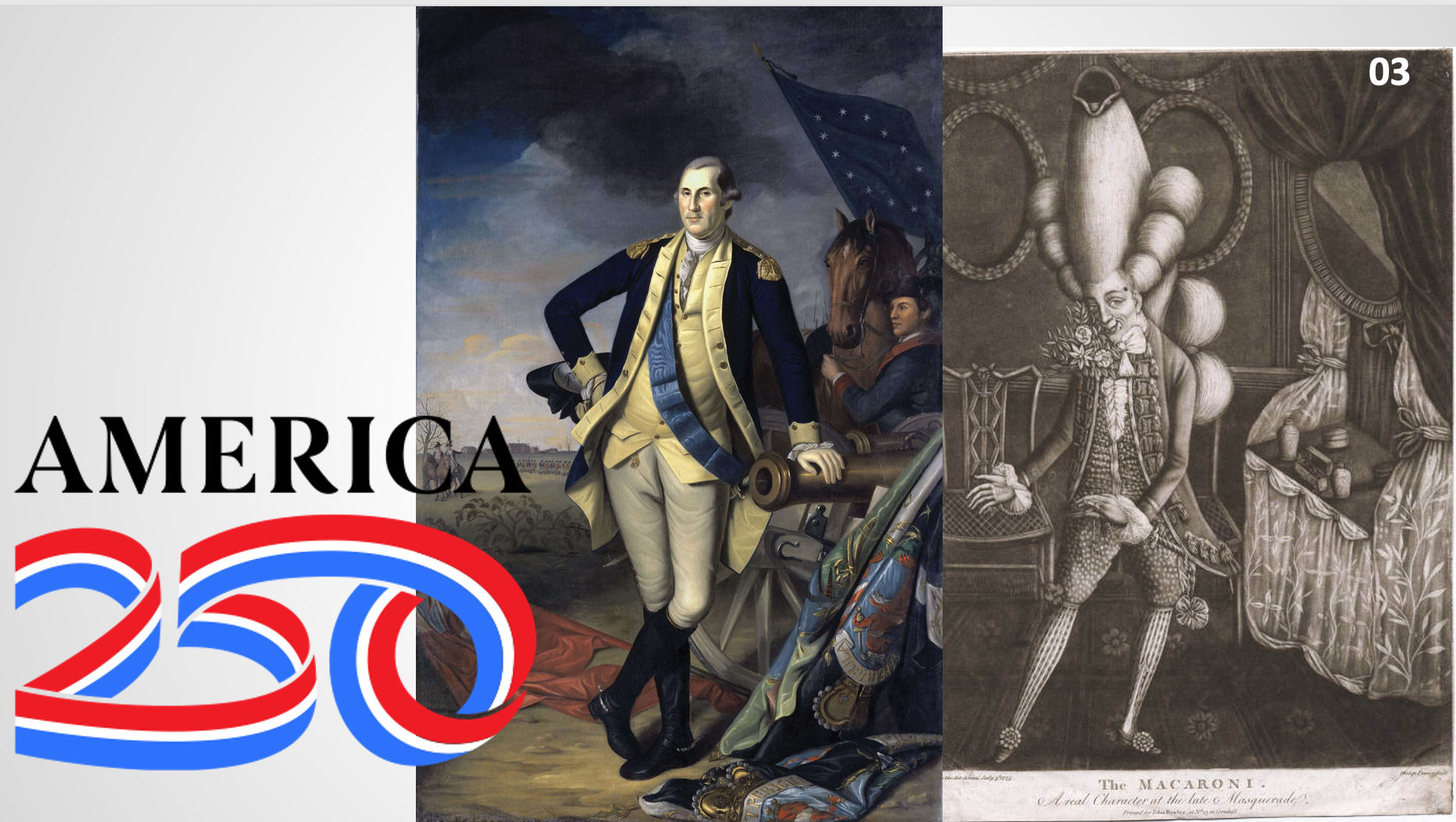
3 Tonight’s presentation is a part of my continuing my exploration of the American Revolution as a part of British and American queer history – Part of that argument is that you can’t really understand why the Revolution is queer until you put these two stories – the American and the British – together, as they were at the time.
4 And this year’s Pridefest theme is Better Together – and this talk takes its inspiration from that theme, although not primarily by the focus on the links between the US and the UK.
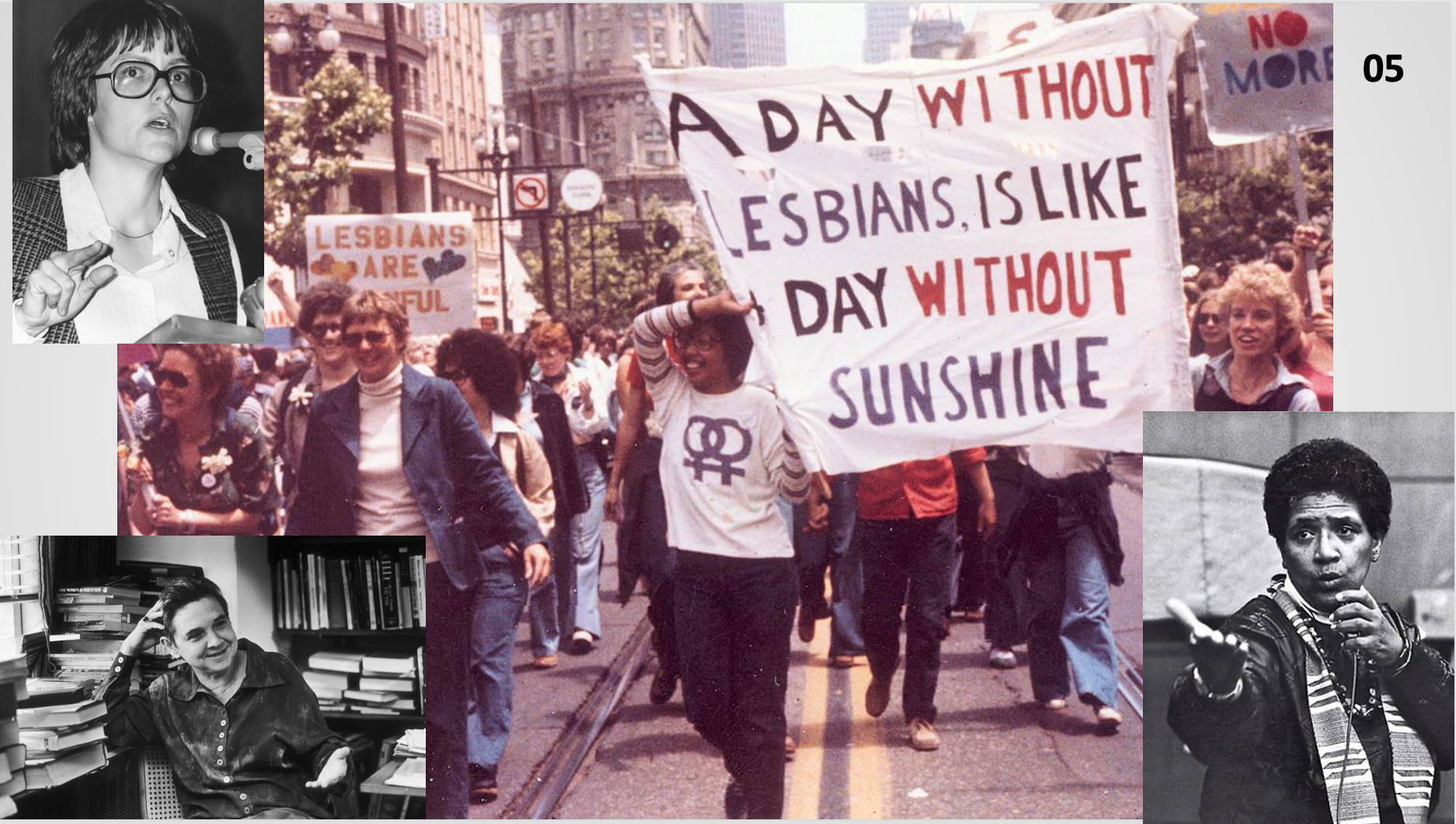
5 The two things that are better together that I focus on in this talk are LGBTQ+ people and Feminists – Most queer history shows that this has been true from the 1970s forward – and my research into the American Revolution has shown just how far that connection goes back – and how profoundly important it is.
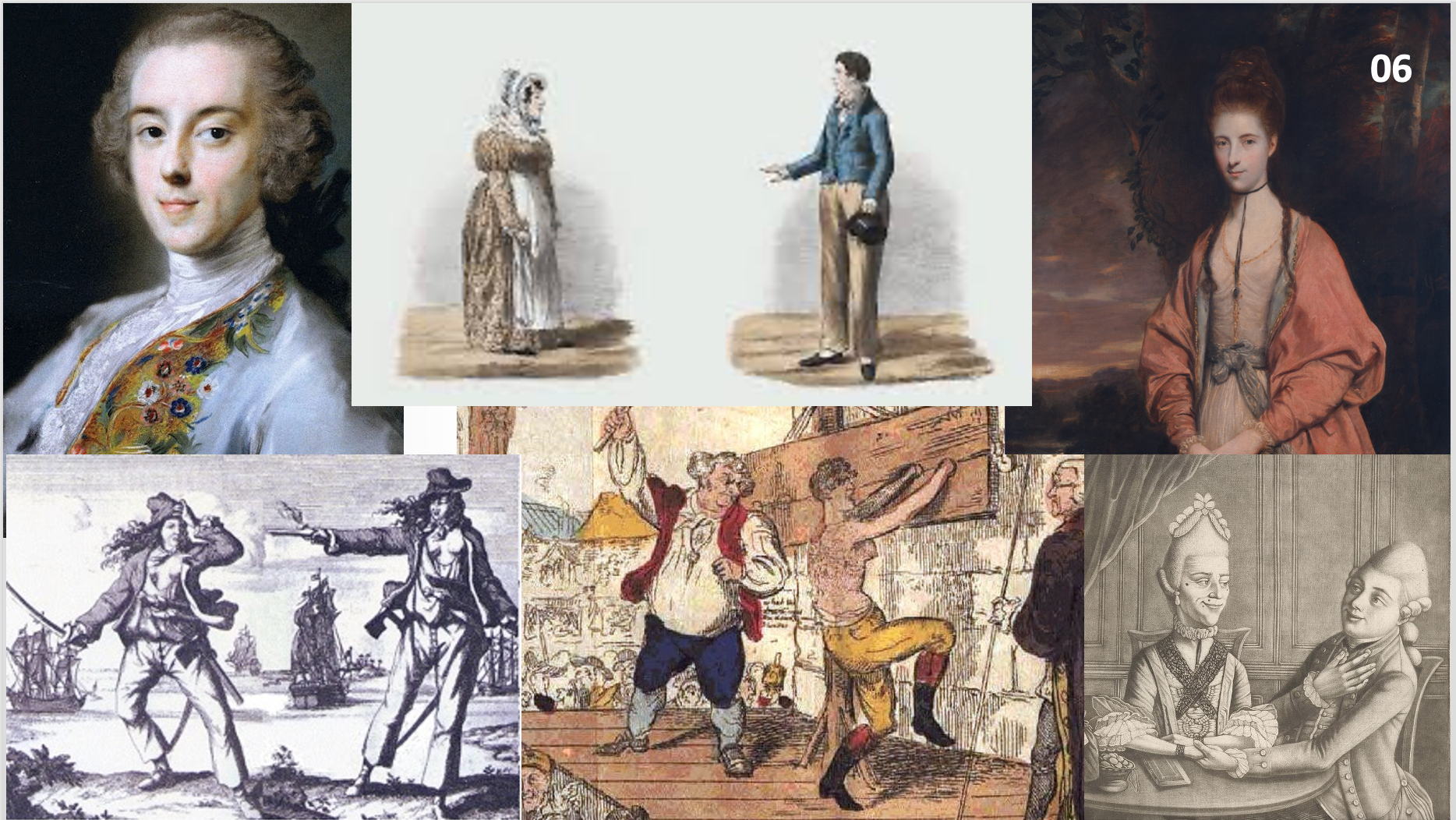
6 As I’ve been investigating the history of the American revolution, on both sides of the Atlantic – I’ve been finding a lot of examples of individuals who expressed same-sex desire – some of whom did so quite openly – And I’ve also been struck by how much issues of same-sex desire, gender nonconformity, and transing gender made it into the public sphere in the eighteenth century.
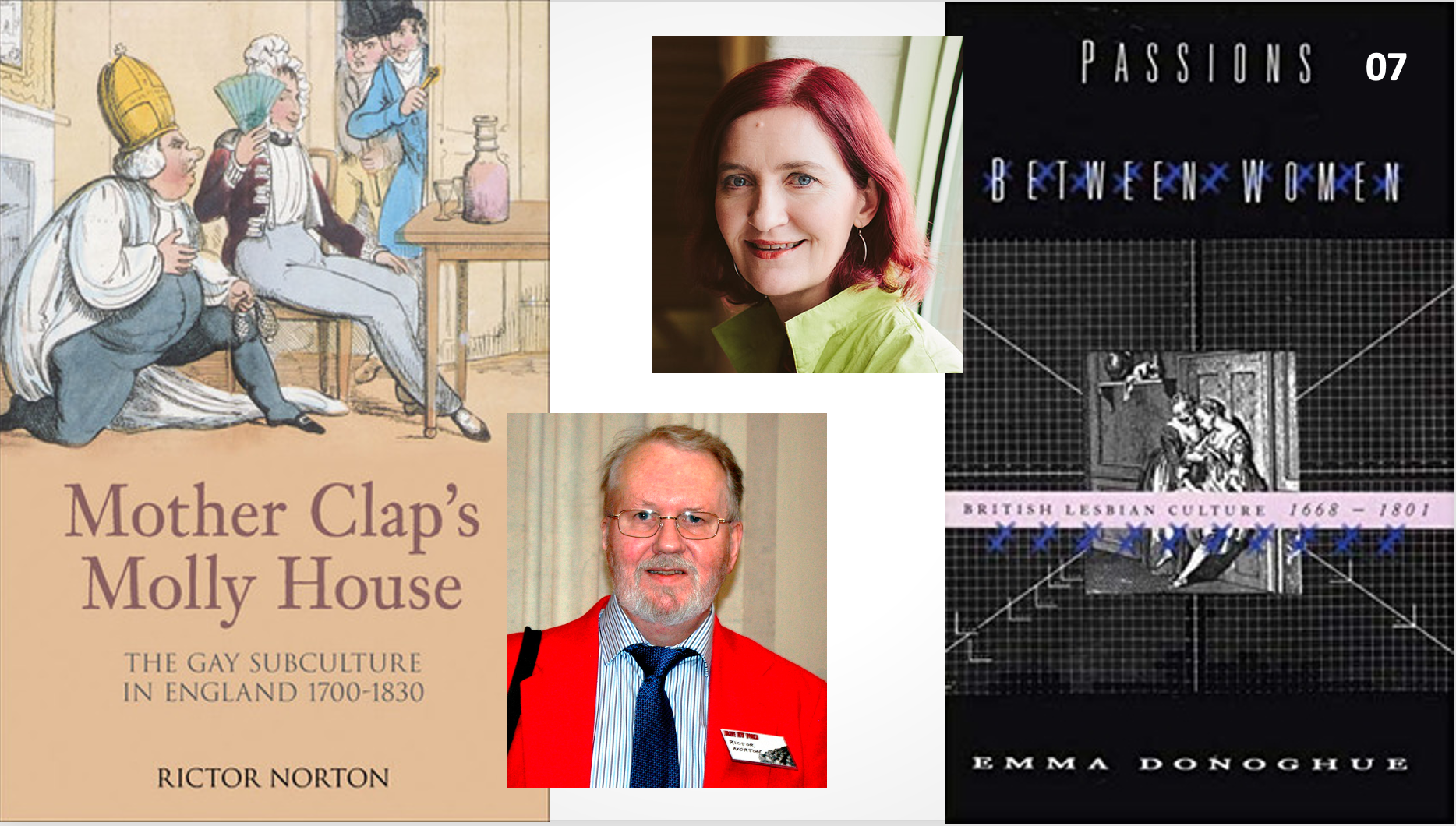
7 Earlier research – starting in the 1970s – celebrated finding any such individuals – and used them as proof that we have always been visible – and that was and is a great project – and a very necessary one – One of the pioneers of that project – Rictor Norton – got his PhD at FSU in the early 1970s, in the English department, and did both activist and academic in Tallahassee – All subsequent scholarship builds from and stands on the shoulders of those who came before –
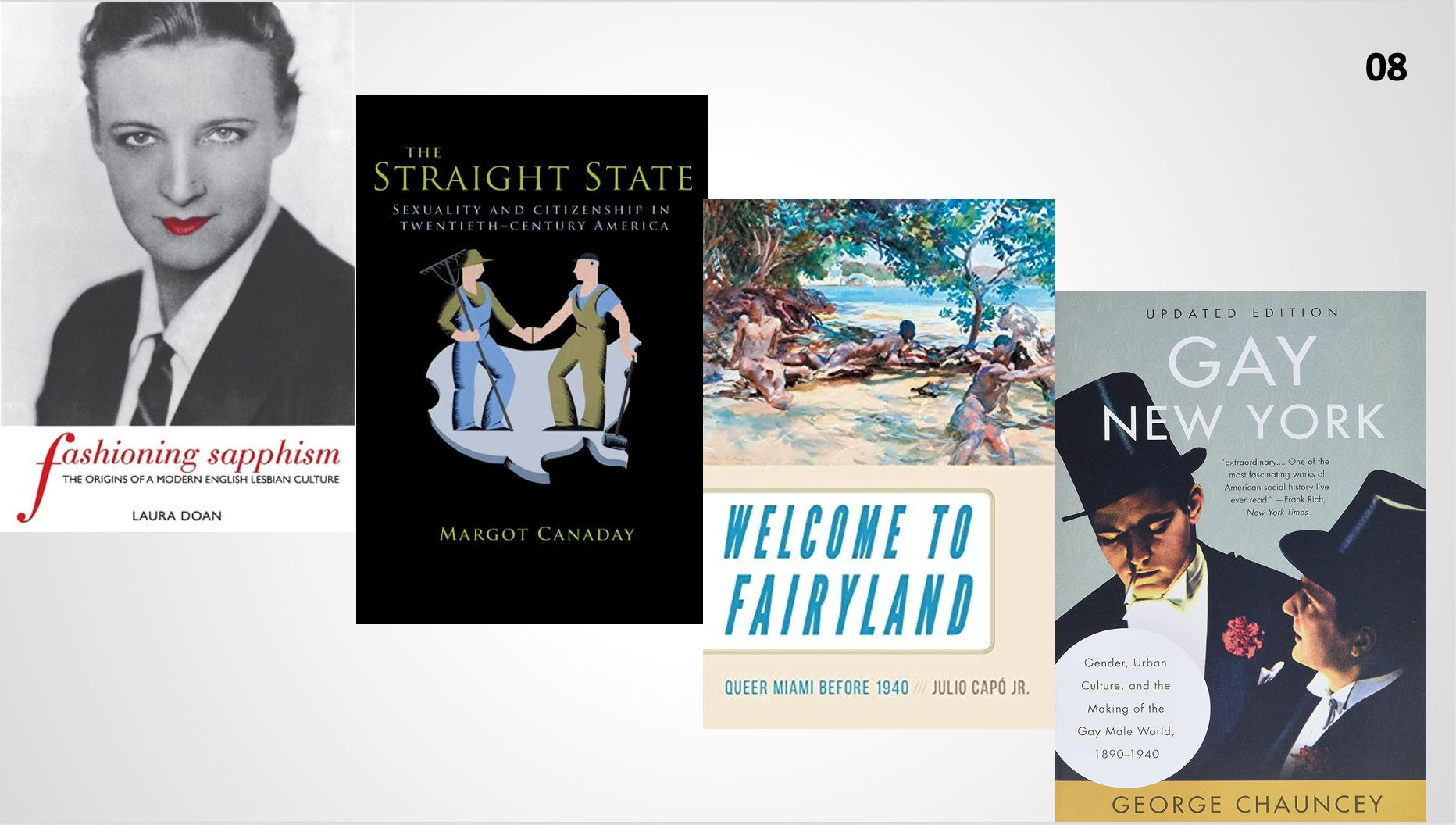
8 But as we get more and more examples – we’re able to discern patterns in the material that weren’t visible before – and make more sophisticated arguments – We’ve been able to do that now – for a while – with material from the late nineteenth century forward – That’s where most of the energy in the field of LGBTQ history has been – But we can now also do this for the eighteenth century.
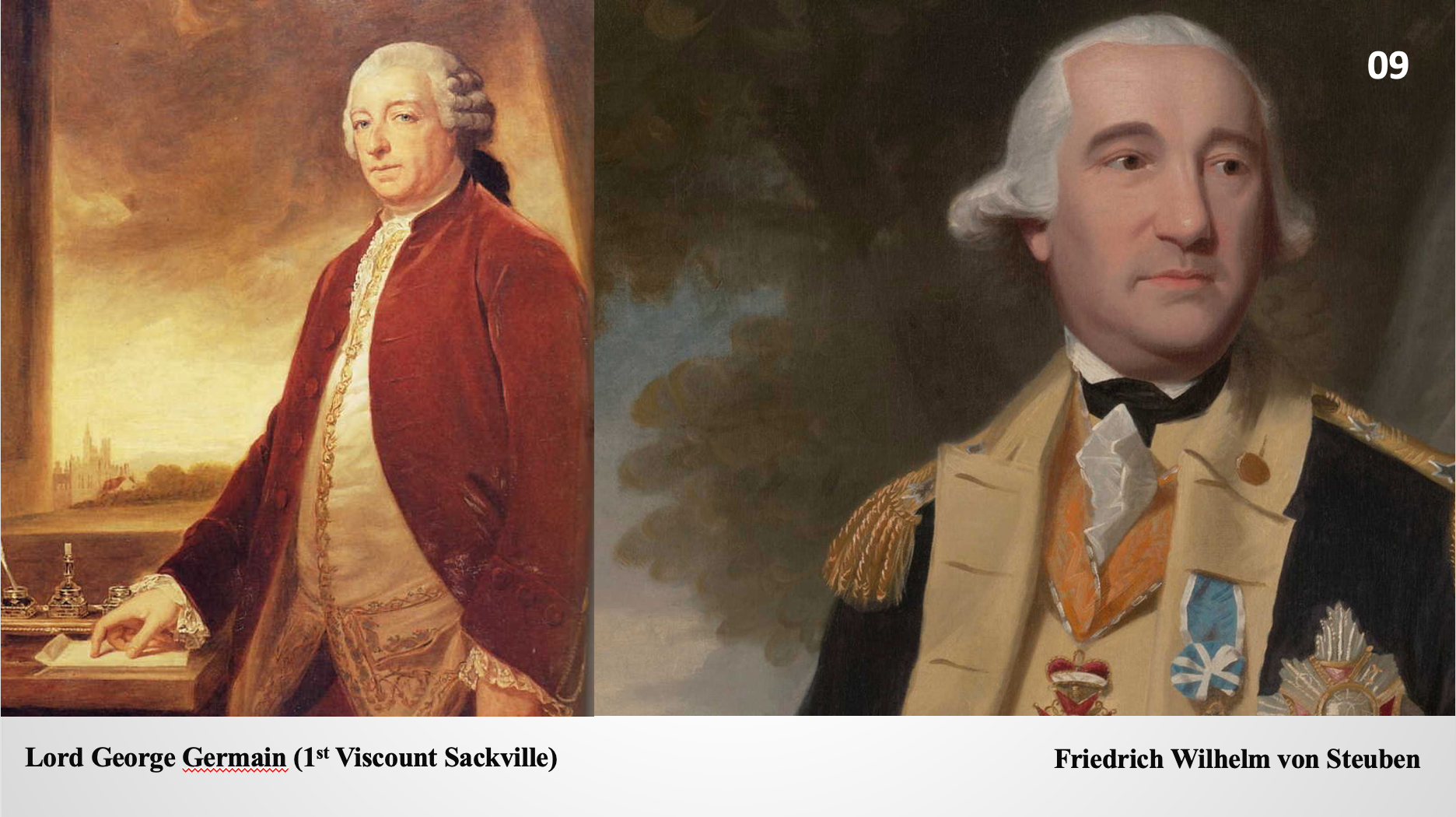
9 We can document a wide range of ways that individuals thought about themselves in relation to their desires in the eighteenth century – But for the purposes of this talk, I’m going to focus on two in particular – that were both quite public – and both related at the highest levels to the American Revolution – they represent, I argue, two very different paths to what we might think of as queer inclusion – as experienced by Lord George Germain – who coordinated all military policy for the British during the American Revolution – and Friedrich Wilhelm von Steuben – who trained the revolutionary army at Valley Forge –
Each man played a central role in the war effort – Each man was publicly known for his sexual attractions to other men – But the fact that one was a British Courtier – and the other an American Revolutionary – led to different ways of understanding their desires for those around them – and different consequences resulting from them.
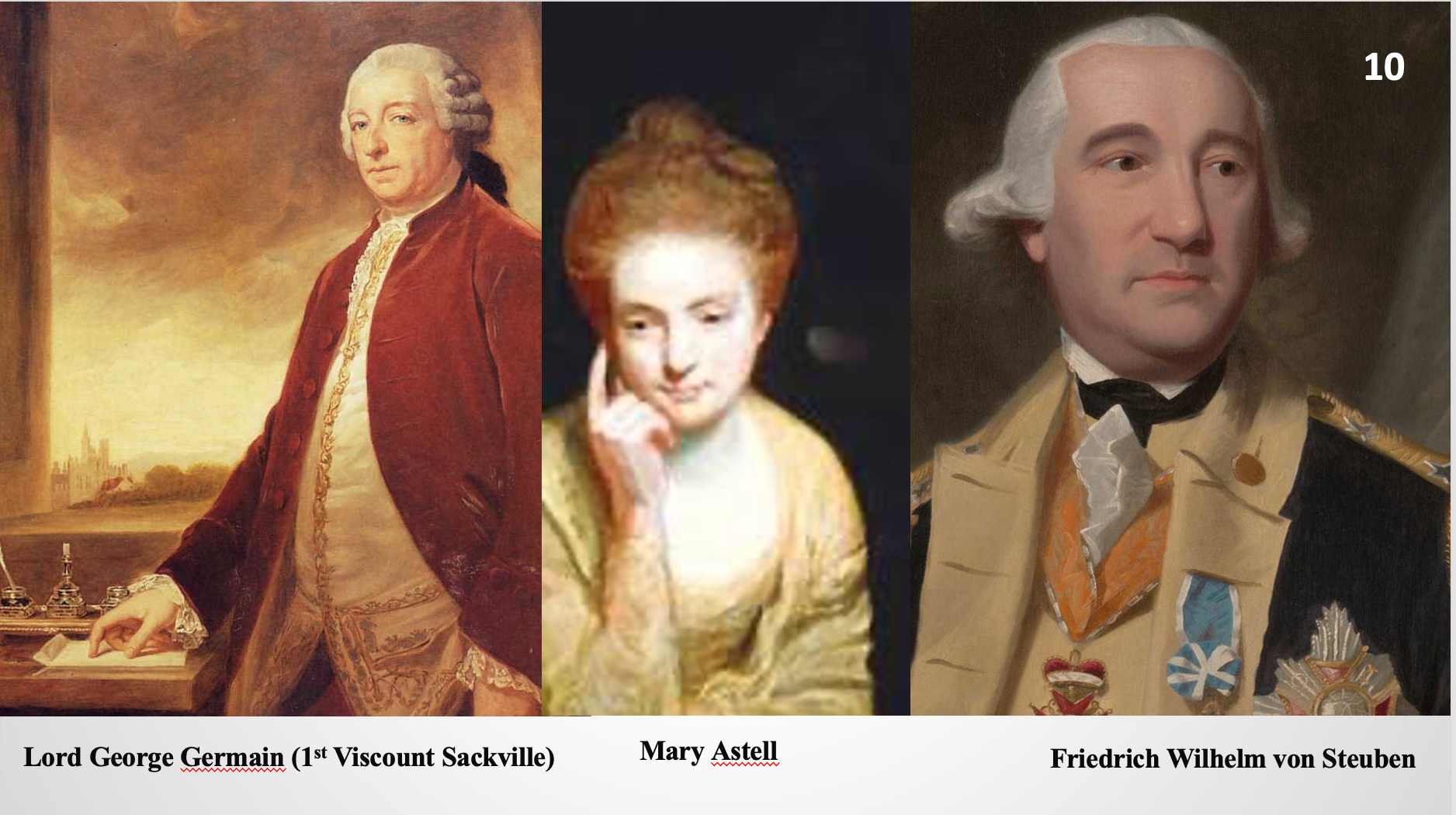
10 That distinction becomes clear when we put these two men in dialogue with the feminist Enlightenment arguments – made and developed since the late seventeenth century – by individuals beginning with Mary Astell – who used Enlightenment ideas to discuss what the proper relationship was between the individual and the society – we can trace a continuous line – from Astell – to 1776 – to later feminist philosophers such as Mary Wollstonecraft and Harriet Taylor – to the arguments for the tolerance of homosexuality in the late nineteenth century – to the homophile activism of the post-World War II period – to Queer Liberation of the 1970s – to the most important LGBTQ activism of the present day –
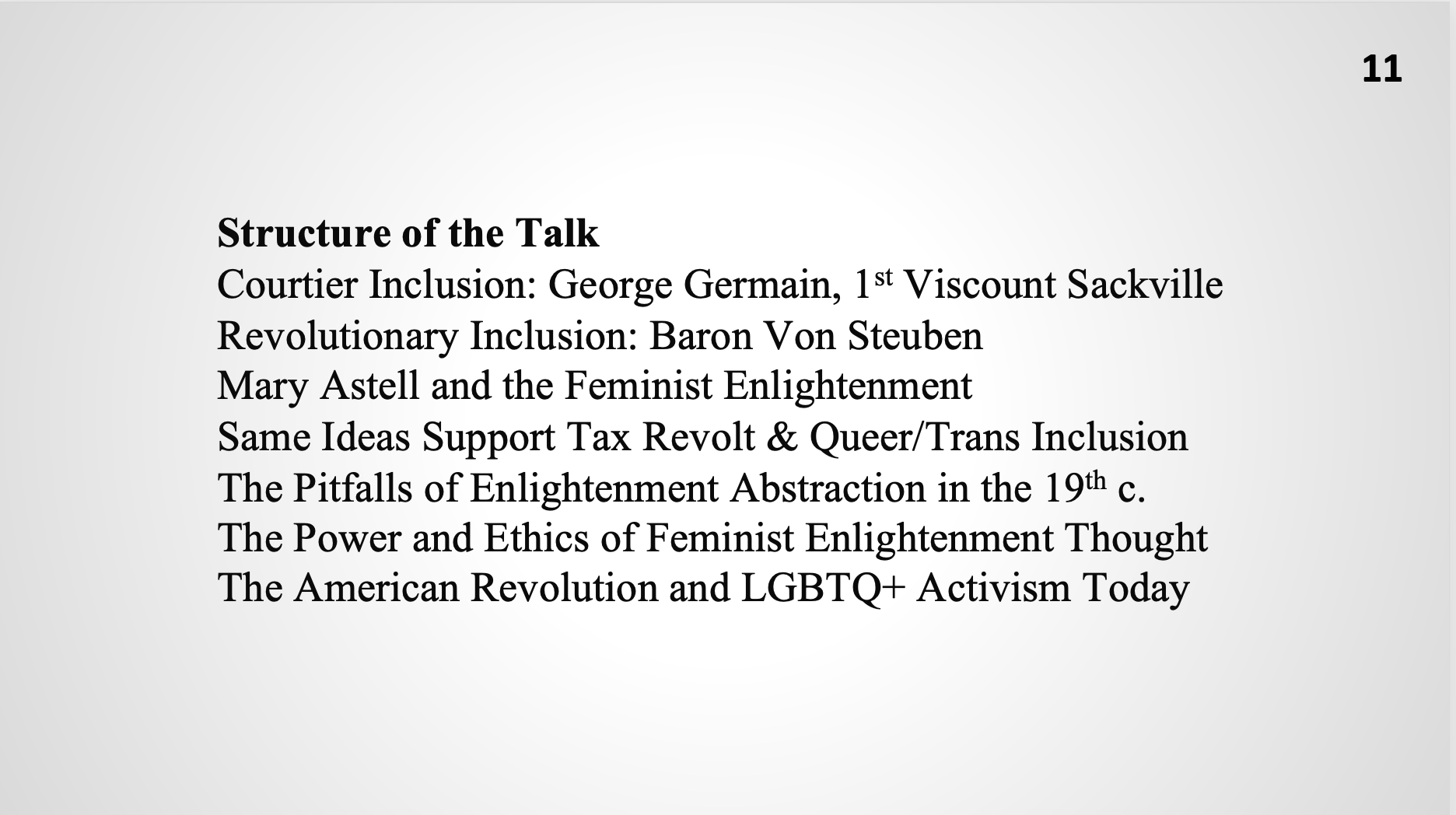
11 – To demonstrate this contrast – between Courtier and Revolutionary inclusion – and the role of Enlightenment Feminist thought in helping to shape the best version of queer and trans inclusion – this talk is going to first explore these two contrasting examples – of Lord George Germain and Baron Von Steuben – to get a sense of two ways in which one might live reasonably openly as a queer person in the eighteenth century – Then, it will show us how the same Enlightenment Ideals that inspired the American Revolution also support a version of queer inclusion – Then, it will be shown how Enlightenment ideals can also lead repressive systems, as well as revolutionary ones, but it is the specifically the feminist interpretation of Enlightenment ideals that provides the most effective and ethical implementation of that Revolutionary ideology. This will be shown through a range of examples – concluding with an argument over how this understanding helps us to make better choices in the present in relation to LGBTQ+ activism today.
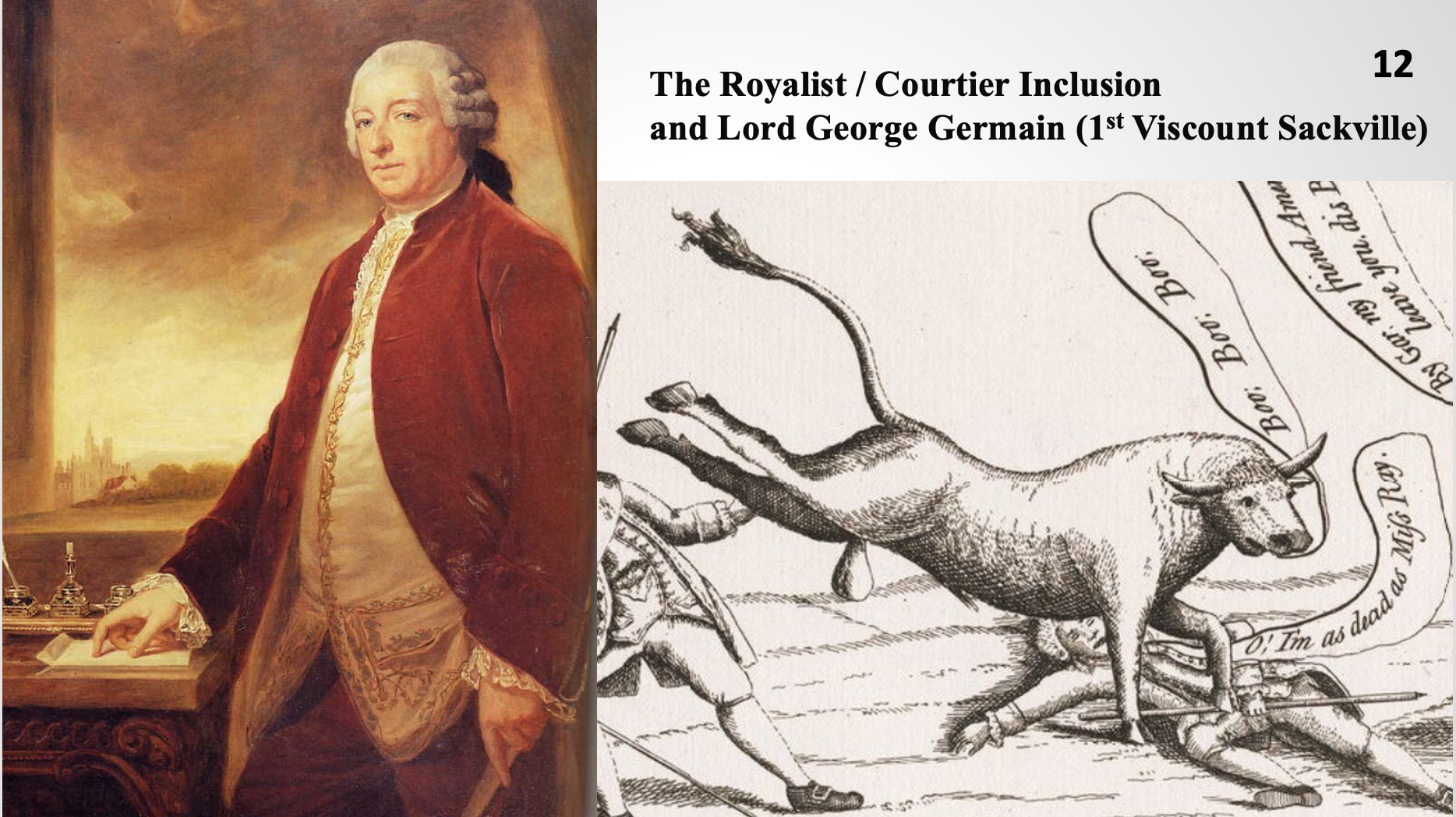
12 First: The Royalist / Courtier Inclusion – Lord George Germain (born Sackville) is remembered primarily for two failures: his actions at the Battle of Minden in 1759 (which some defended, and others used to brand him a coward) and his management of the American War of Independence, as Secretary of State for the American Department, from 1775 to 1782. Also, though, before either of these two incidents, private life attracted intense scrutiny. While he was married and fathered five children, Germain was frequently the subject of “gossip regarding his intimate relationships with men.
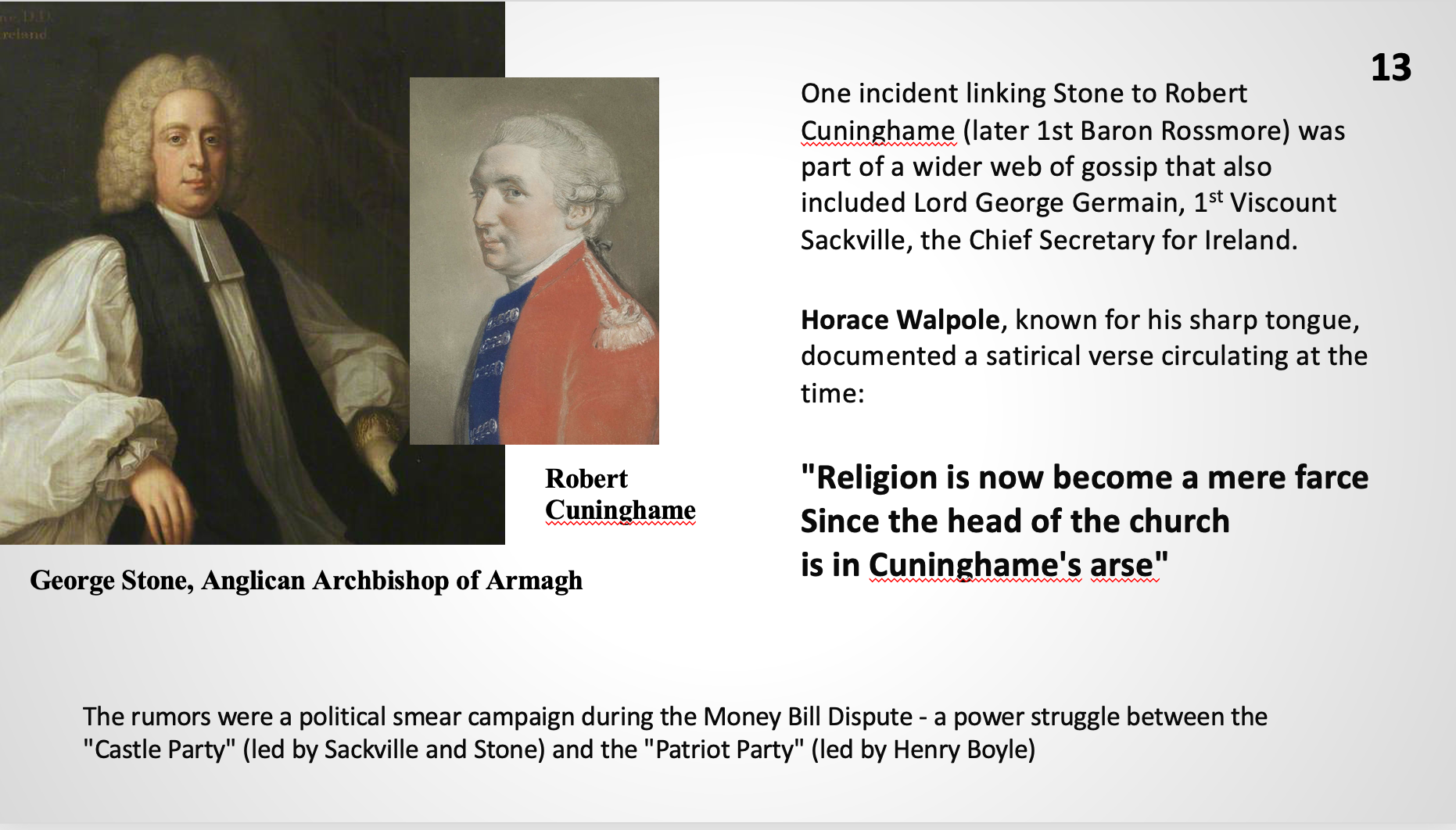
13 The most explicit contemporary allegations stemmed from his time in Ireland. Critics and satirists linked Germain to a specific circle of powerful men, most notably George Stone, the Anglican Archbishop of Armagh, and Robert Cuninghame. The relationship between these men was fodder for the era’s sharpest wit, Horace Walpole. Walpole satirized their alleged sexual triangle, writing: “Religion is now become a mere farce / Since the head of the church is in Cunningham’s arse”.
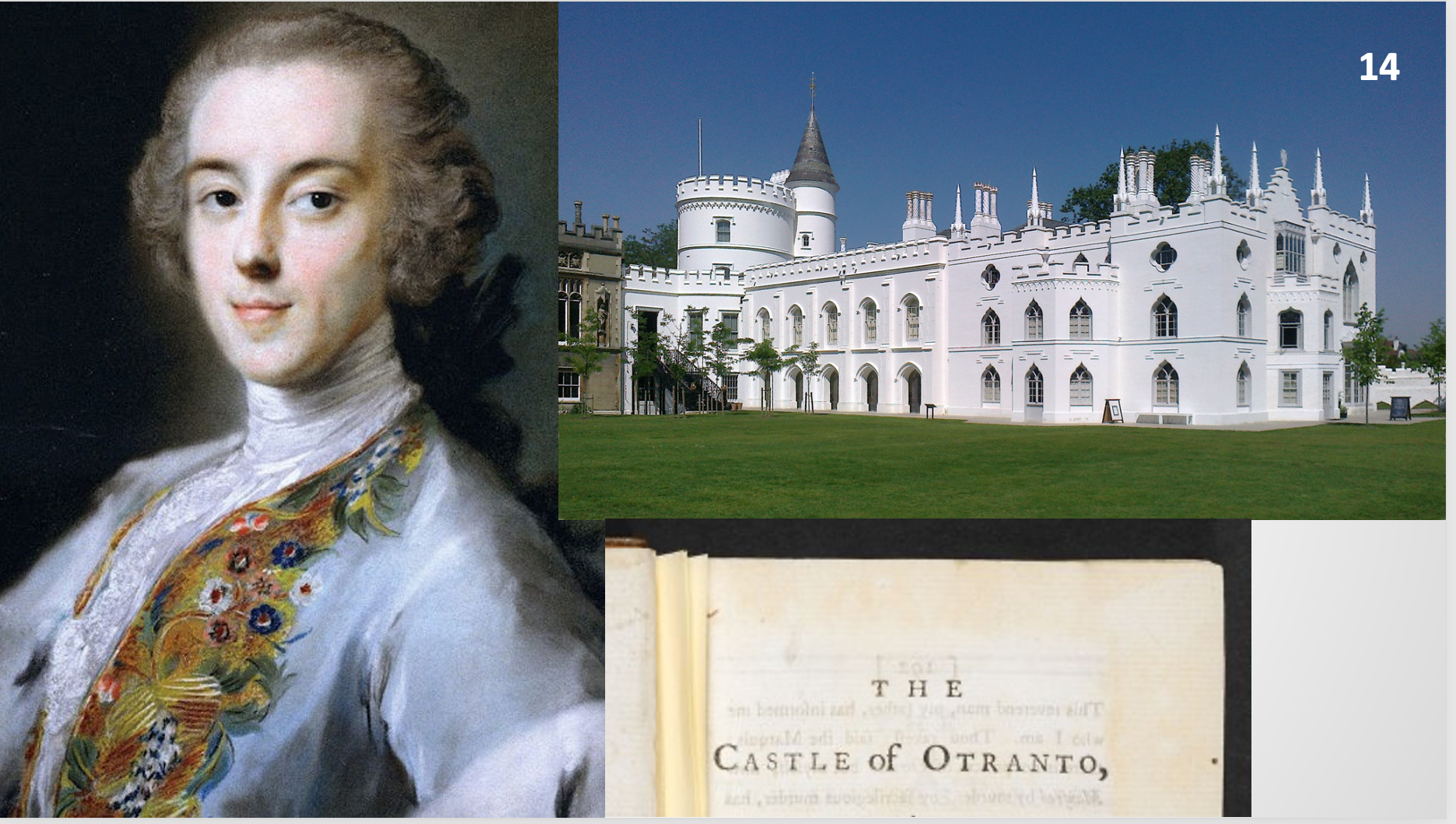
14 Walpole is an amazing individual – Son of the first Prime Minister – MP – knew everyone – this collected letters span 47 volumes – wrote the first Gothic Novel – the Castle of Otranto – Built Strawberry hill – you could tour it & see where novel scenes took place – buy his tourist guide today – no smoking gun, but very queer – and many queer friends.
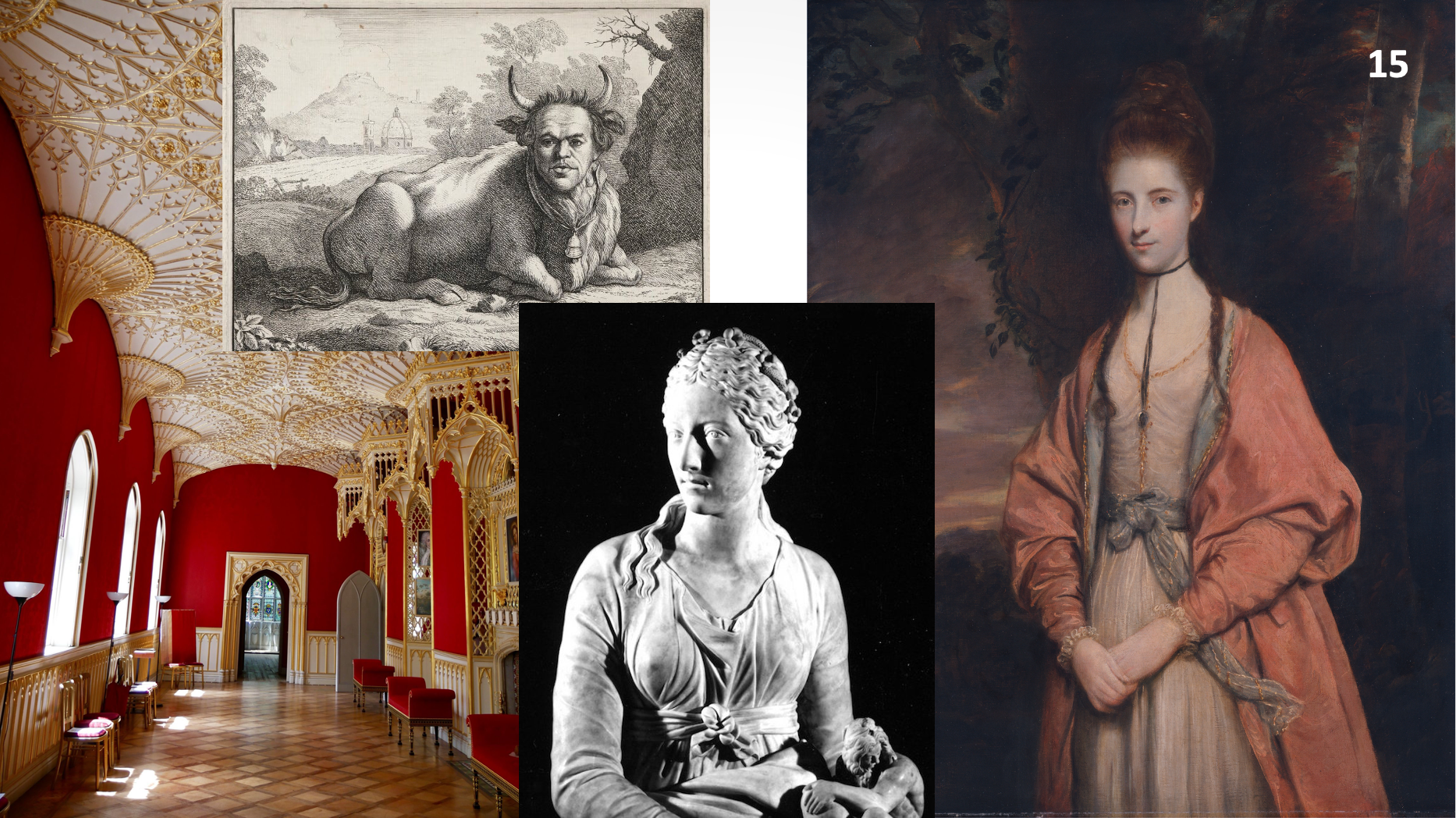
15 One of them was Anne Damer – a sculptor of amazing talent – she was promote and protected by Walpole – Also individuals like the circle of British artists and expats – living in Rome – Thomas Patch, most prominent among them –
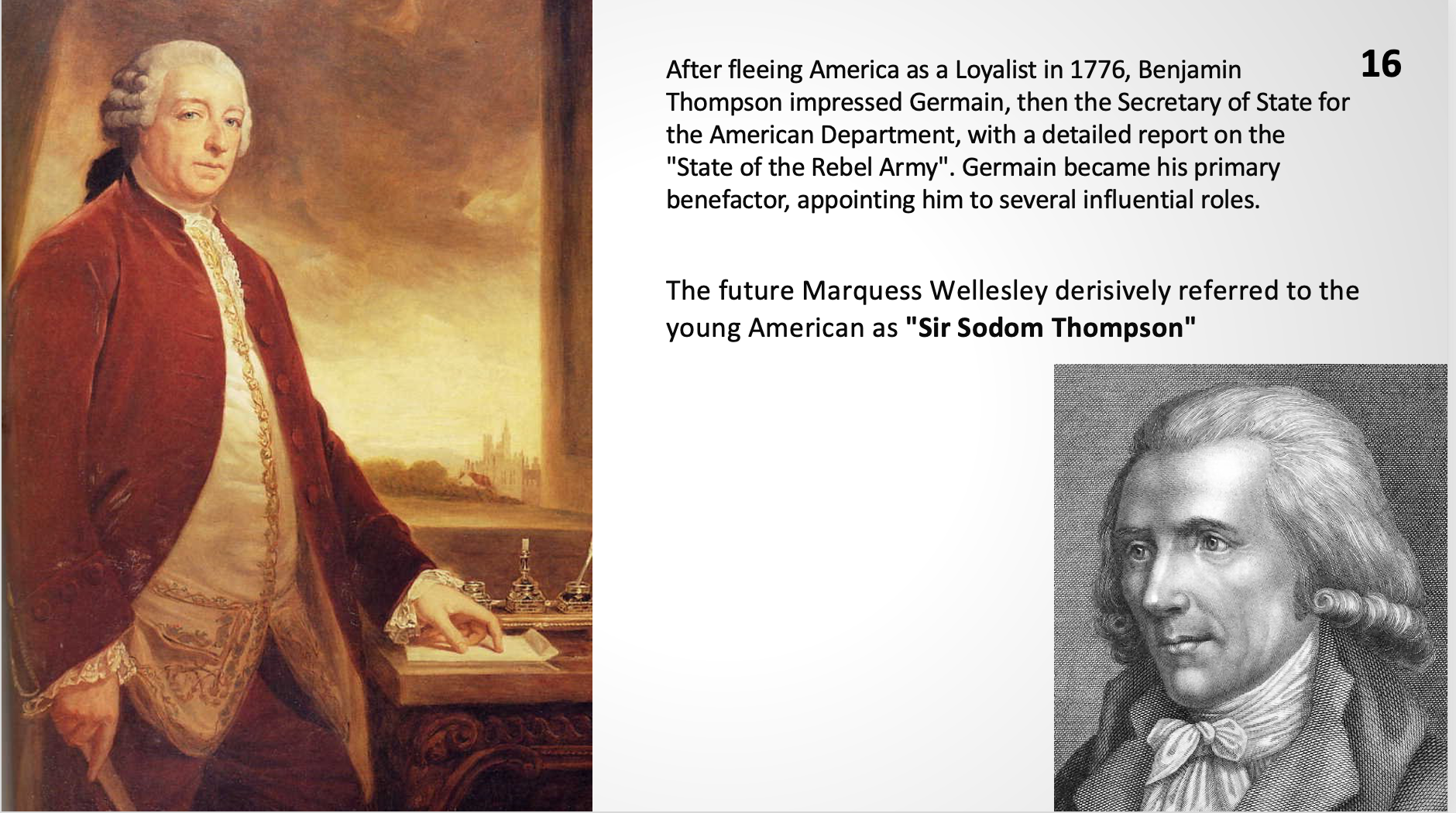
16 The most significant relationship defining Germain’s later years was with Benjamin Thompson (later Count Rumford), a brilliant but opportunistic American loyalist who fled to London. Upon his arrival, Thompson famously charmed Germain, quickly securing a position as his Under-Secretary of State. The speed of Thompson’s ascent and the intimacy of their domestic arrangements—they lived together, and reportedly ate every meal together, including breakfast—fueled widespread speculation, The future Marquess Wellesley derisively referred to the young American as “Sir Sodom Thompson” – which stripped away any ambiguity about how their relationship was perceived by the ruling class. Critics viewed Thompson not just as a protégé but as the “beautiful warrior” who functioned as Germain’s unofficial domestic partner. This relationship was particularly damaging because many believed Thompson’s rapid promotion to Lieutenant Colonel of the King’s American Dragoons was a romantic favor rather than a meritocratic appointment.
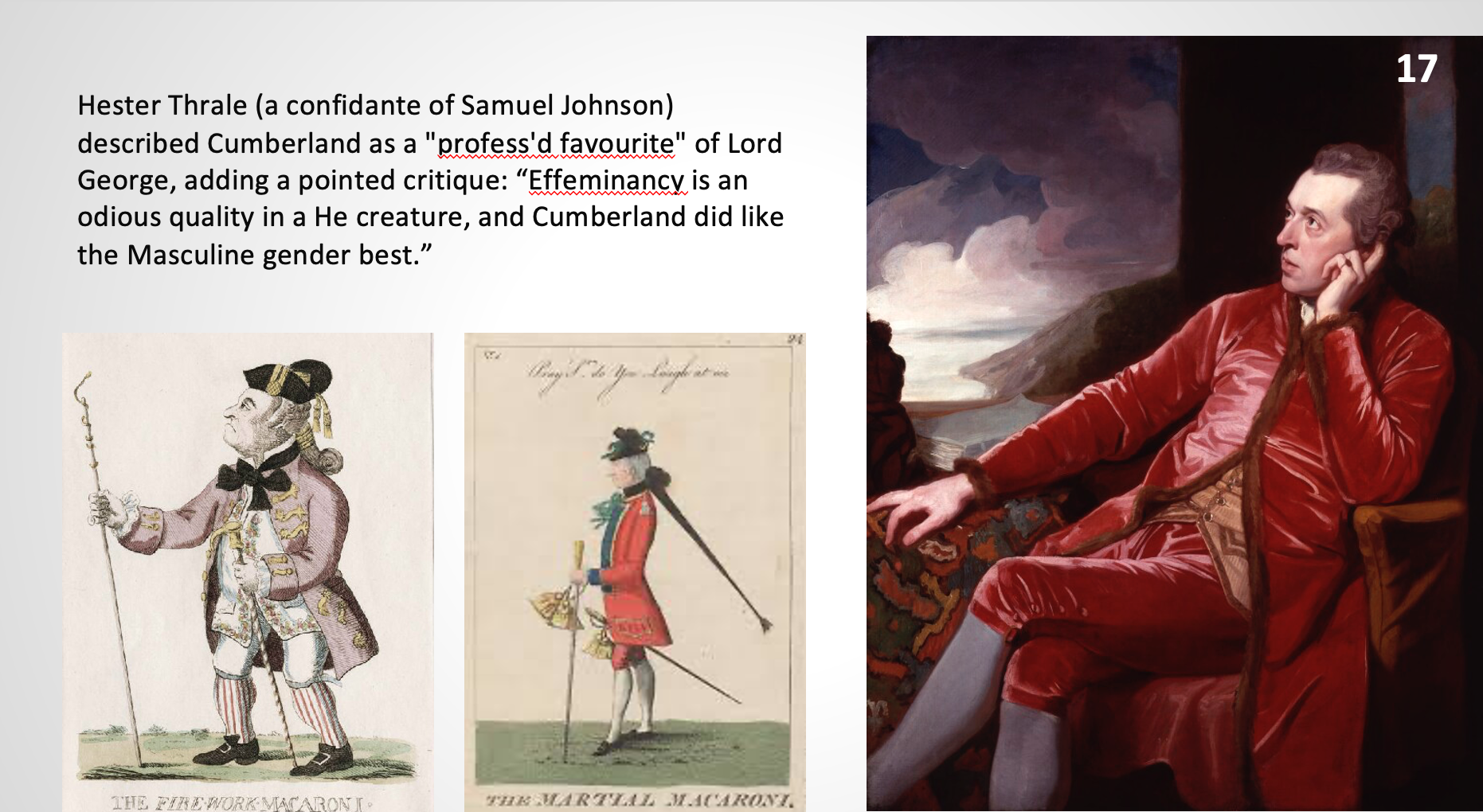
17 Similar aspersions were cast on Germain’s patronage of the playwright Richard Cumberland. When Germain appointed Cumberland to the Board of Trade, the diarist Hester Thrale (a confidante of Samuel Johnson) noted the appointment with a mixture of skepticism and insinuated vice. She described Cumberland as a “profess’d favourite” of Lord George, adding: “Effeminancy is an odious quality in a He creature, and Cumberland did like the Masculine gender best”. Thrale’s comments reinforce the pattern: Germain surrounded himself with younger, often “effeminate” or ambitious men, and his contemporaries consistently interpreted this through the lens of sexual attraction.
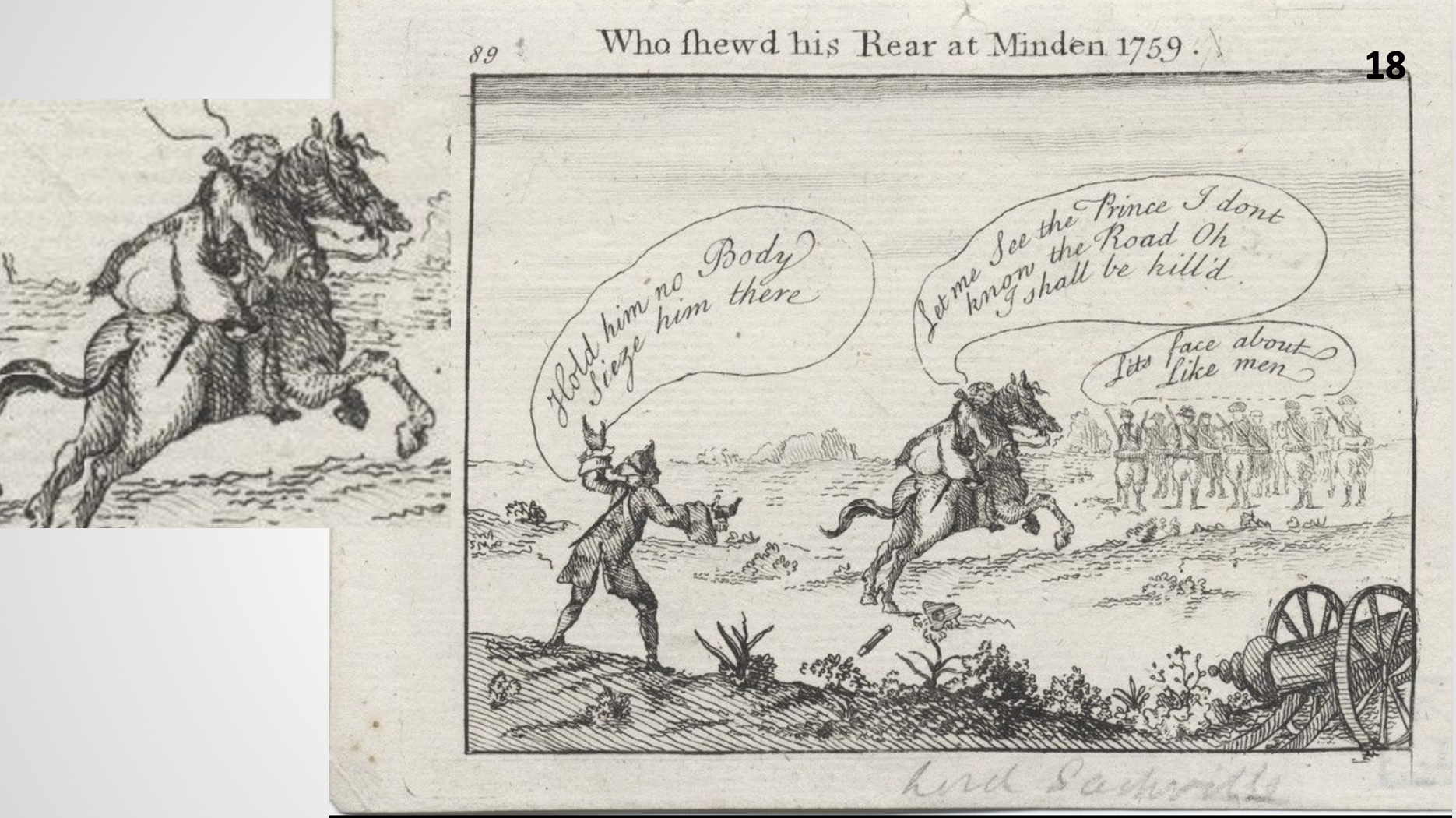
18 It is difficult to disentangle the attacks on Germain’s sexuality from the attacks on his competence. After his court-martial for the Battle of Minden—where he was declared “unfit to serve His Majesty in any military Capacity whatever”—he was already a pariah. In the 18th century, accusations of sodomy were often weaponized to further destroy the character of politically vulnerable men. However, the consistency and specificity of the rumors surrounding Germain—spanning decades, from the Irish “triumvirate” with Stone and Cuninghame to his later years with Thompson—suggest they were more than generic political slander
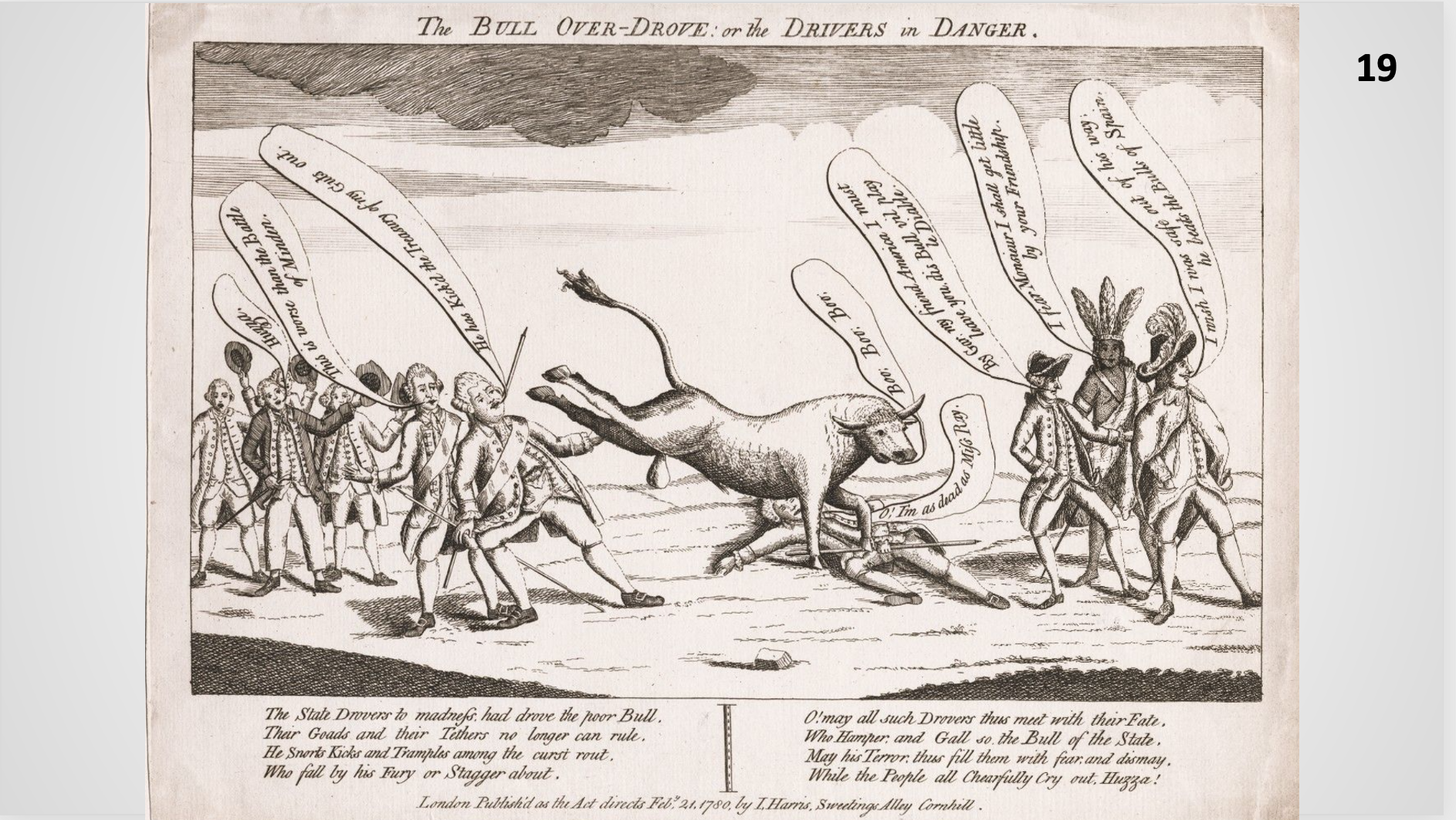
19 Despite the fervor of the rumors, Germain maintained a traditional aristocratic life. He legally changed his name from Sackville to Germain in 1770 to inherit the Drayton estate, a condition of the bequest. His marriage produced heirs, securing the Sackville line. Yet, historians largely agree that his emotional life was oriented elsewhere. He inhabited a “homosocial world” of riotous parties and intense male friendships, distinctly lacking in known mistresses—a rarity for a man of his station in that era
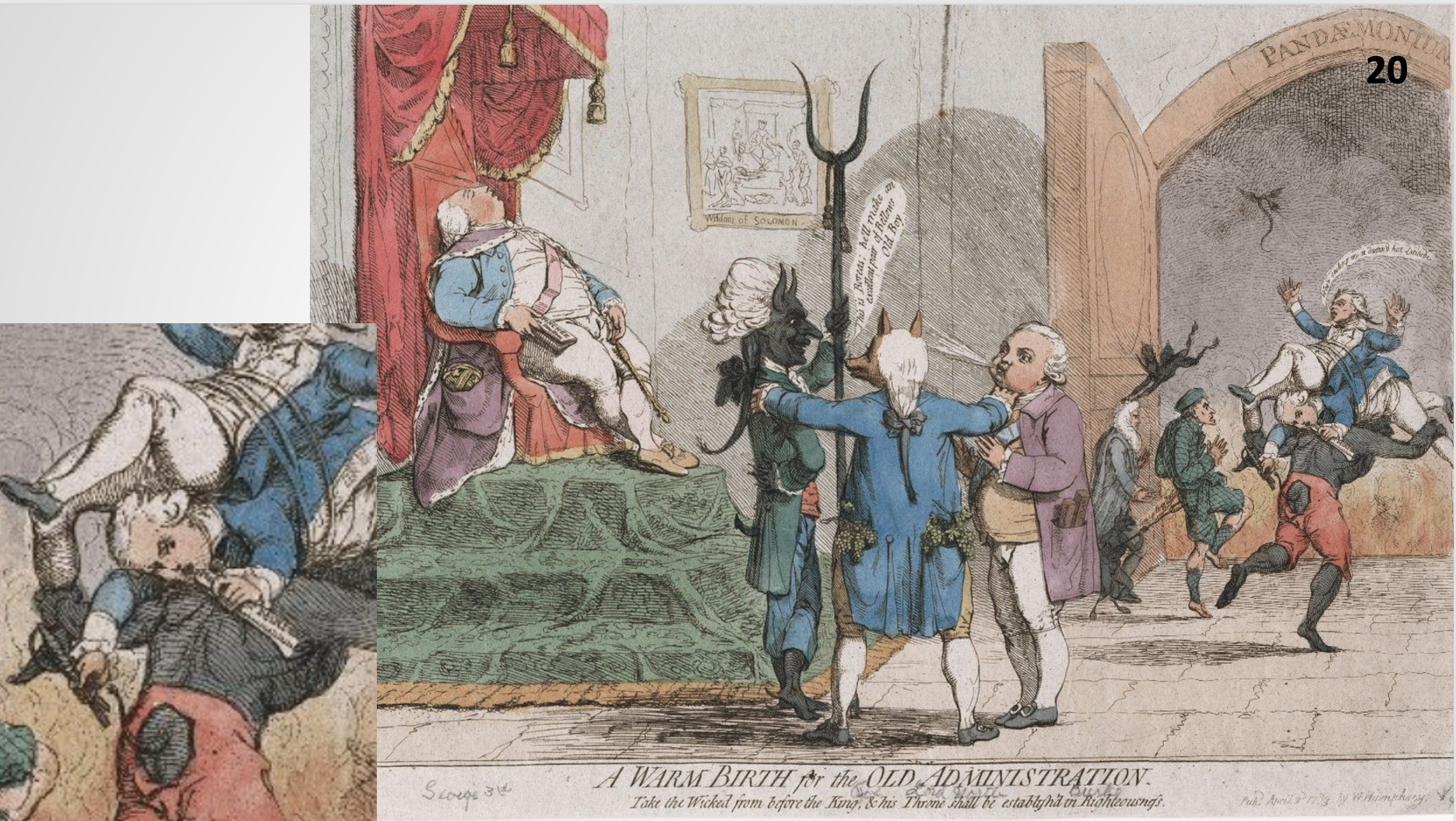
20 Ultimately, Germain’s story shows how – so long as you remained loyal – you could survive and even thrive – He was loyal to the King – and the King’s faction – and this allowed him to flaunt other rules of convention – in 1782, he was promoted to the House of Lords, despite losing the war – He was still in good with the King and other elite men – despite his sexual tastes, and everything else…
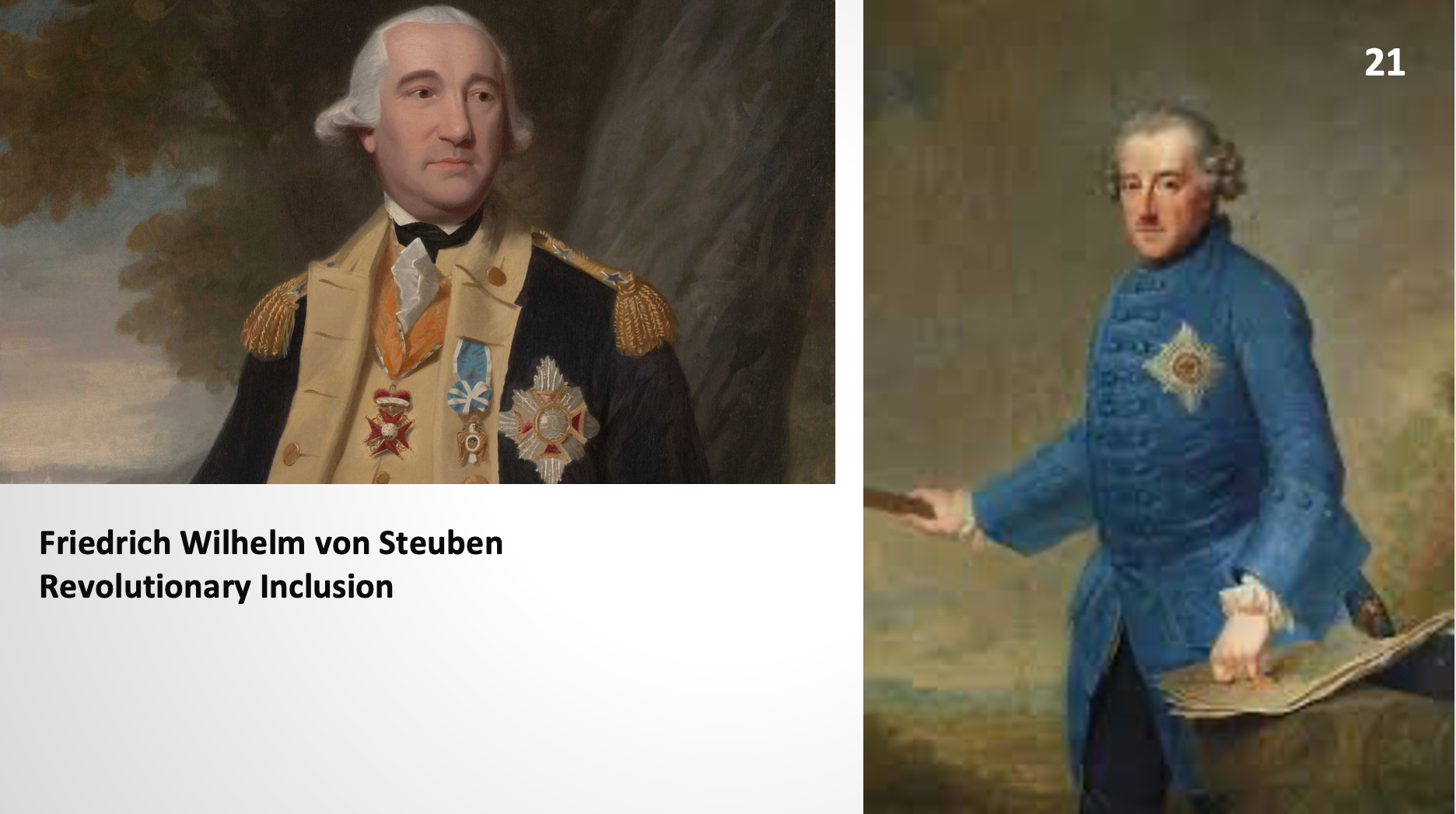
21 Revolutionary Understanding – So what about Friedrich Wilhelm von Steuben? His military pedigree was impeccable. Born in Prussia, in 1730, he served as an aide-de-camp to Frederick the Great, a monarch whose own sexual attraction to men was an open secret in European courts. This environment, described by historians as having a distinct “queer subculture,” likely allowed Steuben to navigate his sexuality with some degree of freedom during his early career.
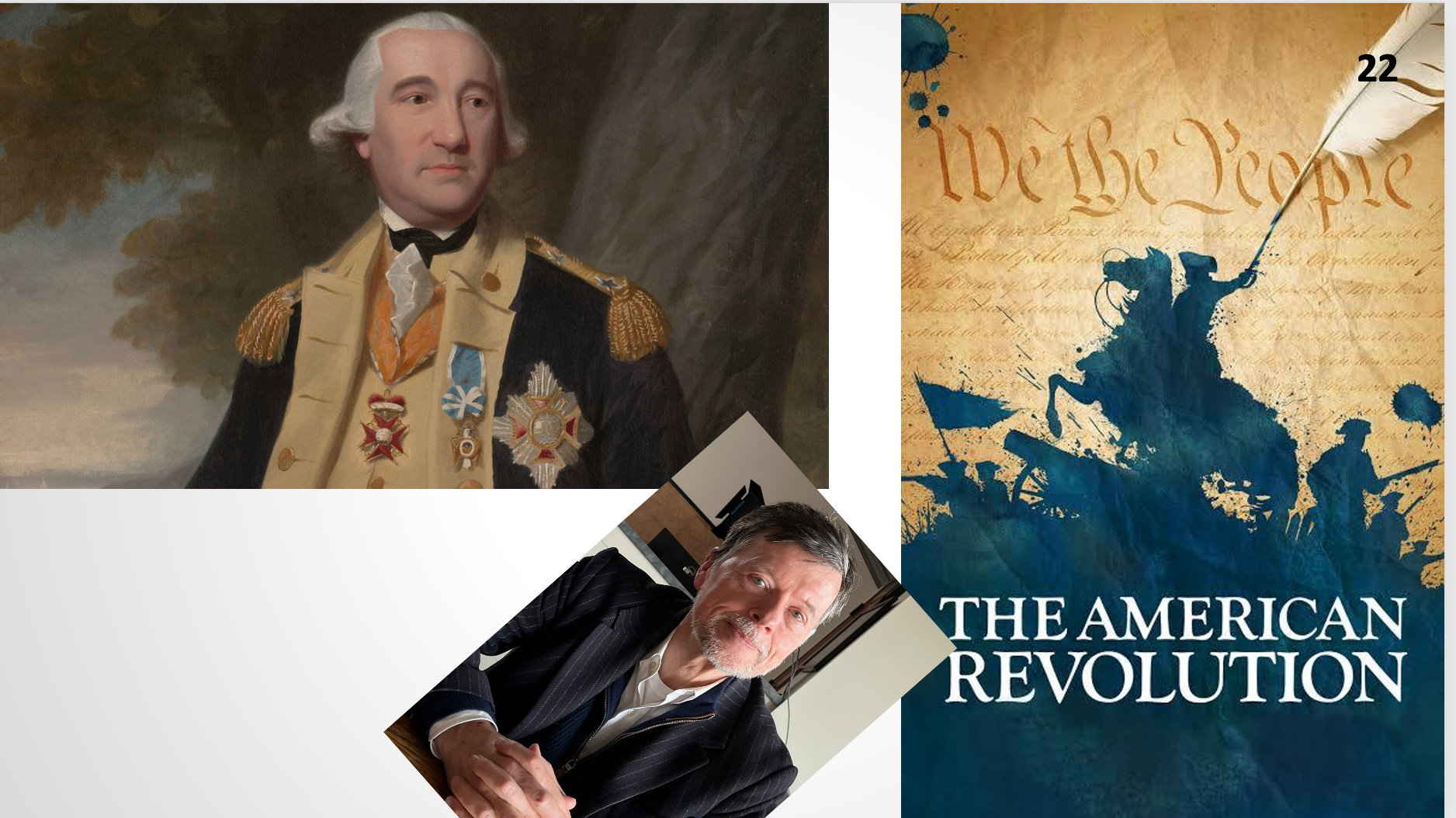
22 However, he was dismissed from the Prussian military for reasons that remain unclear – and in 1777 an anonymous letter accused Steuben of having “taken familiarities with young boys.” – Ken Burns, sadly, privileged this one direct written accusation, rather than all the other evidence that he preferred military men, and not boys—ignoring the malicious nature of the accusation— Facing prosecution because of this accusation, Steuben was forced to flee his homeland.
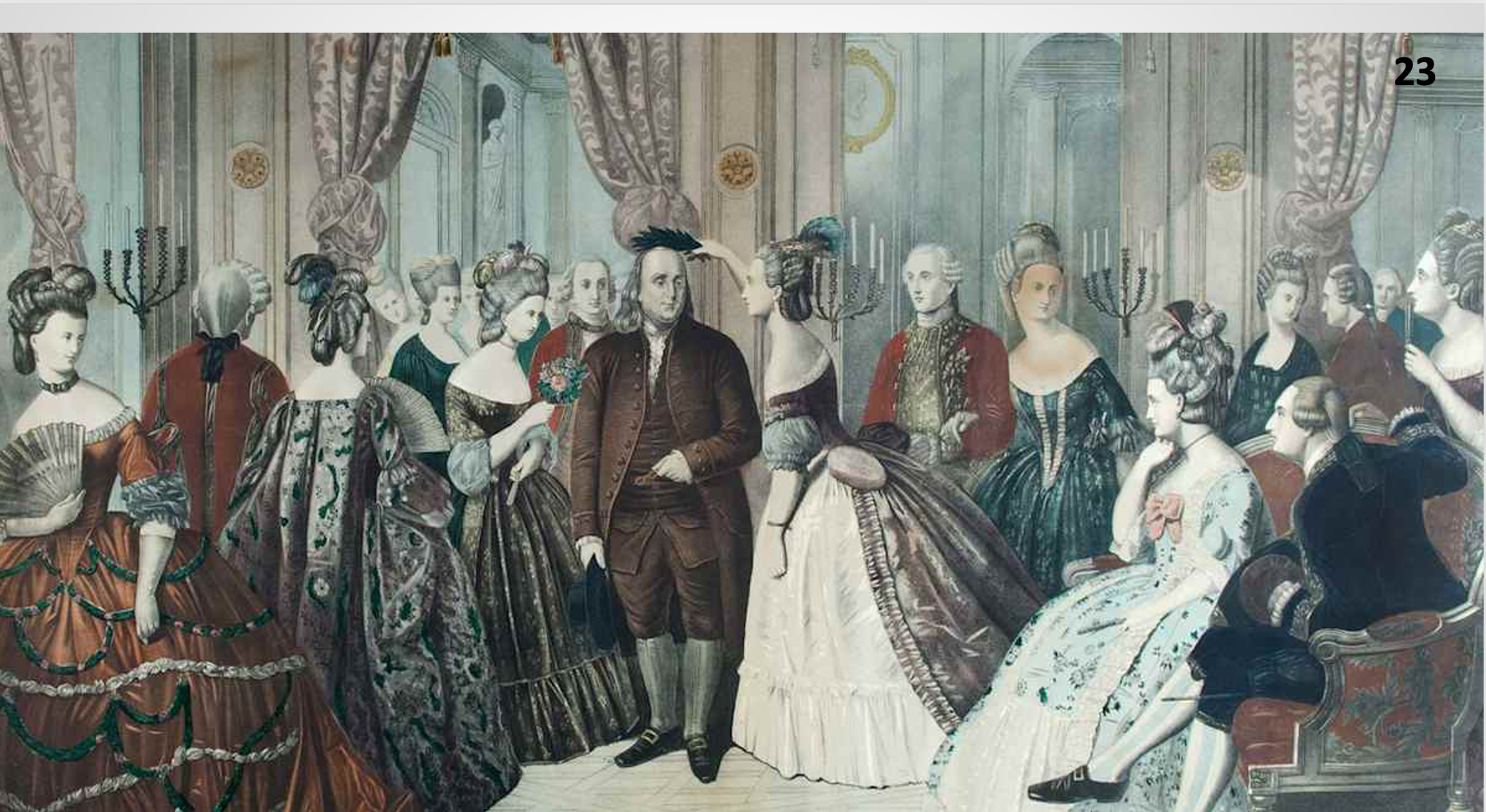
23 Steuben arrived in Paris in search of a new commission, eventually meeting Benjamin Franklin, the American ambassador. Franklin was tasked with recruiting military talent for the floundering Continental Army. Franklin and his colleague Silas Deane were aware of what was said about von Steuben; the rumors were circulating in the very diplomatic circles they frequented.
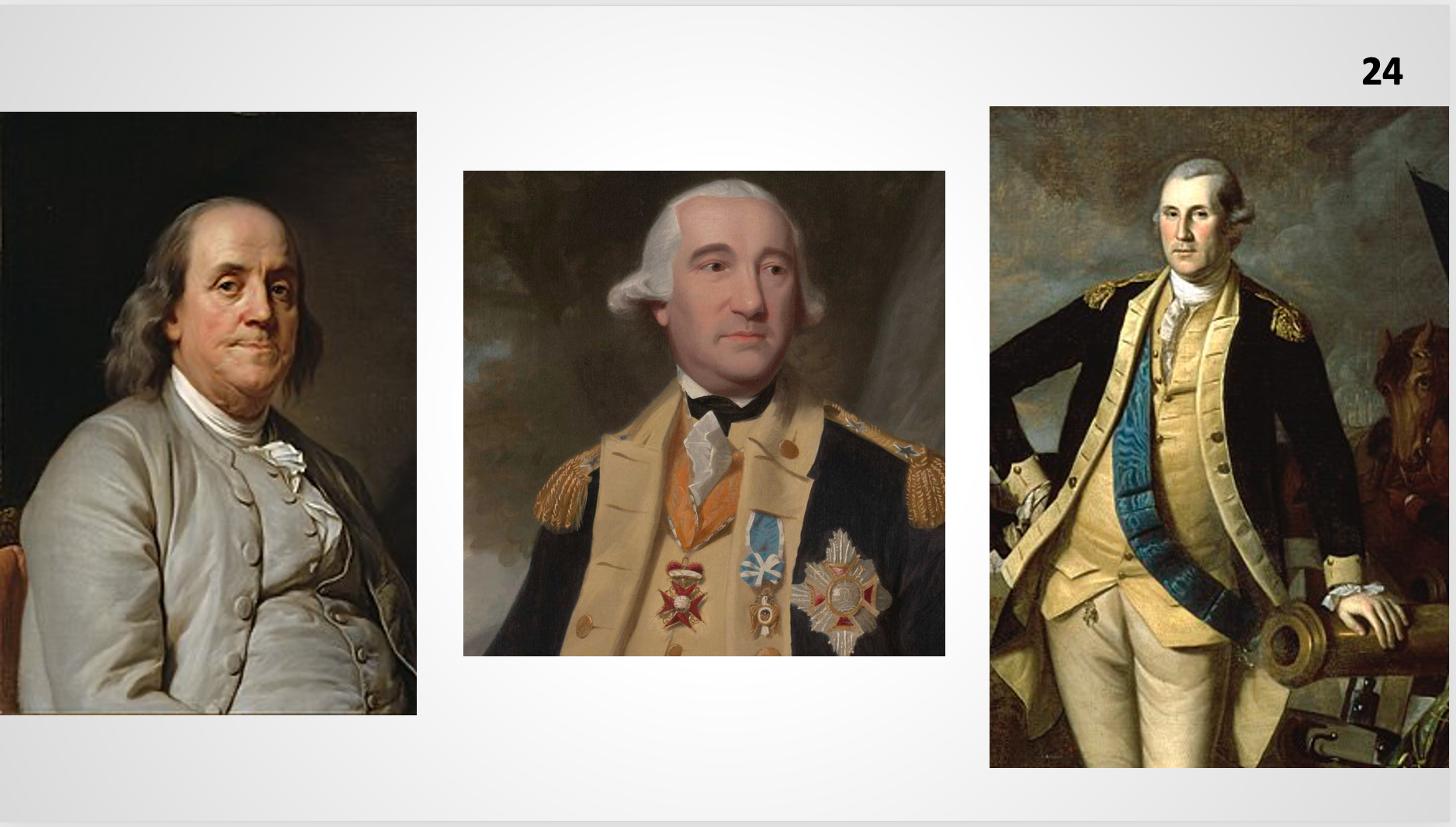
24 – Even so, Franklin recognized Steuben’s genius for organization and discipline—qualities Washington’s army desperately lacked. Franklin gave von Steuben a glowing recommendation to Washington.
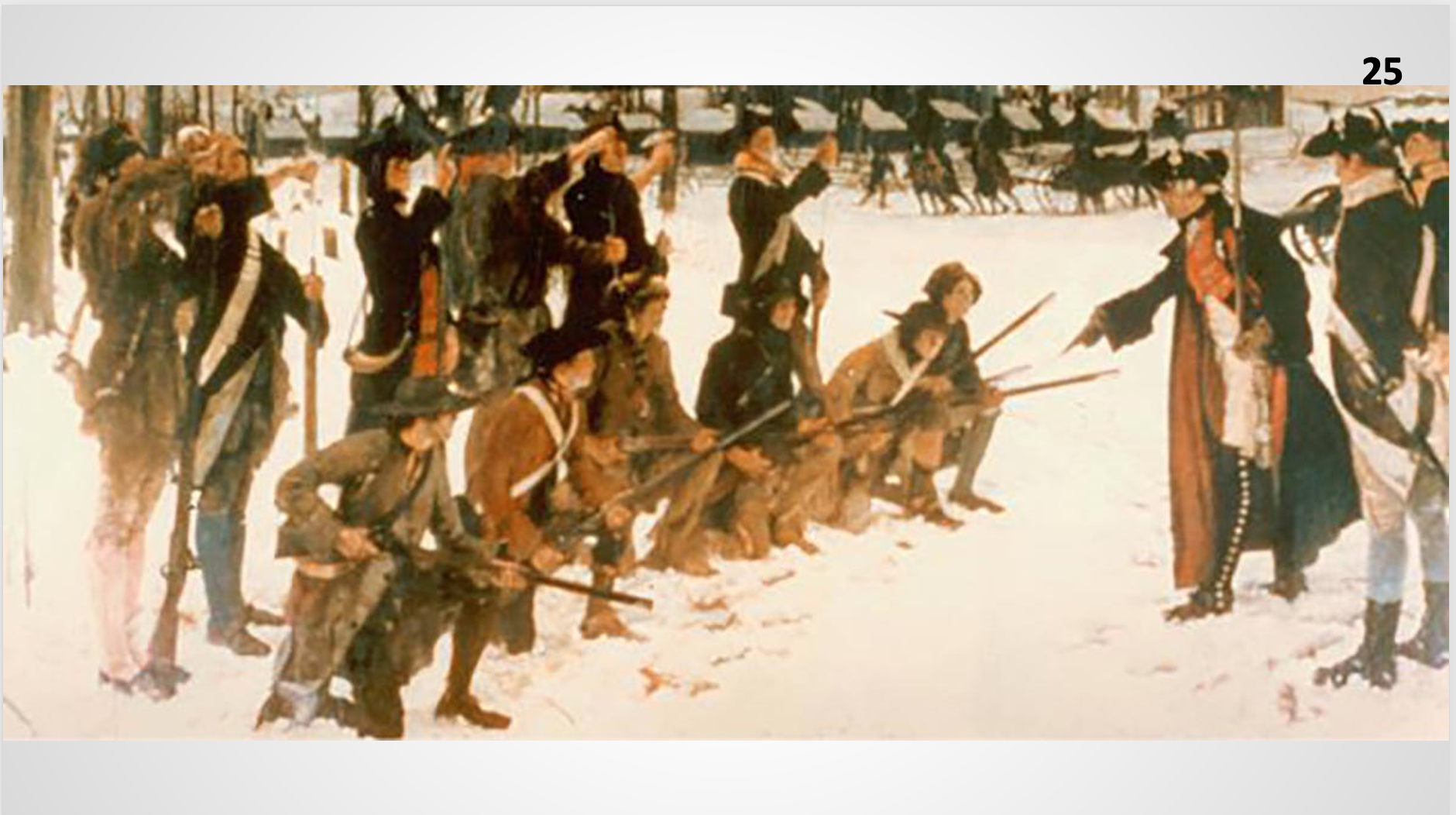
25 Arriving at Valley Forge in February 1778, Steuben walked into a humanitarian and logistical disaster. Yet, it was here that he found both his greatest professional success and his most significant personal relationships. As he drilled the freezing soldiers into a professional fighting force—creating the “Blue Book” manual that would guide the U.S. Army for decades—he surrounded himself with a “military family” of young officers. This included, according to some accounts, of a dinner party for young officers where attendees were requested to come in ripped trousers.
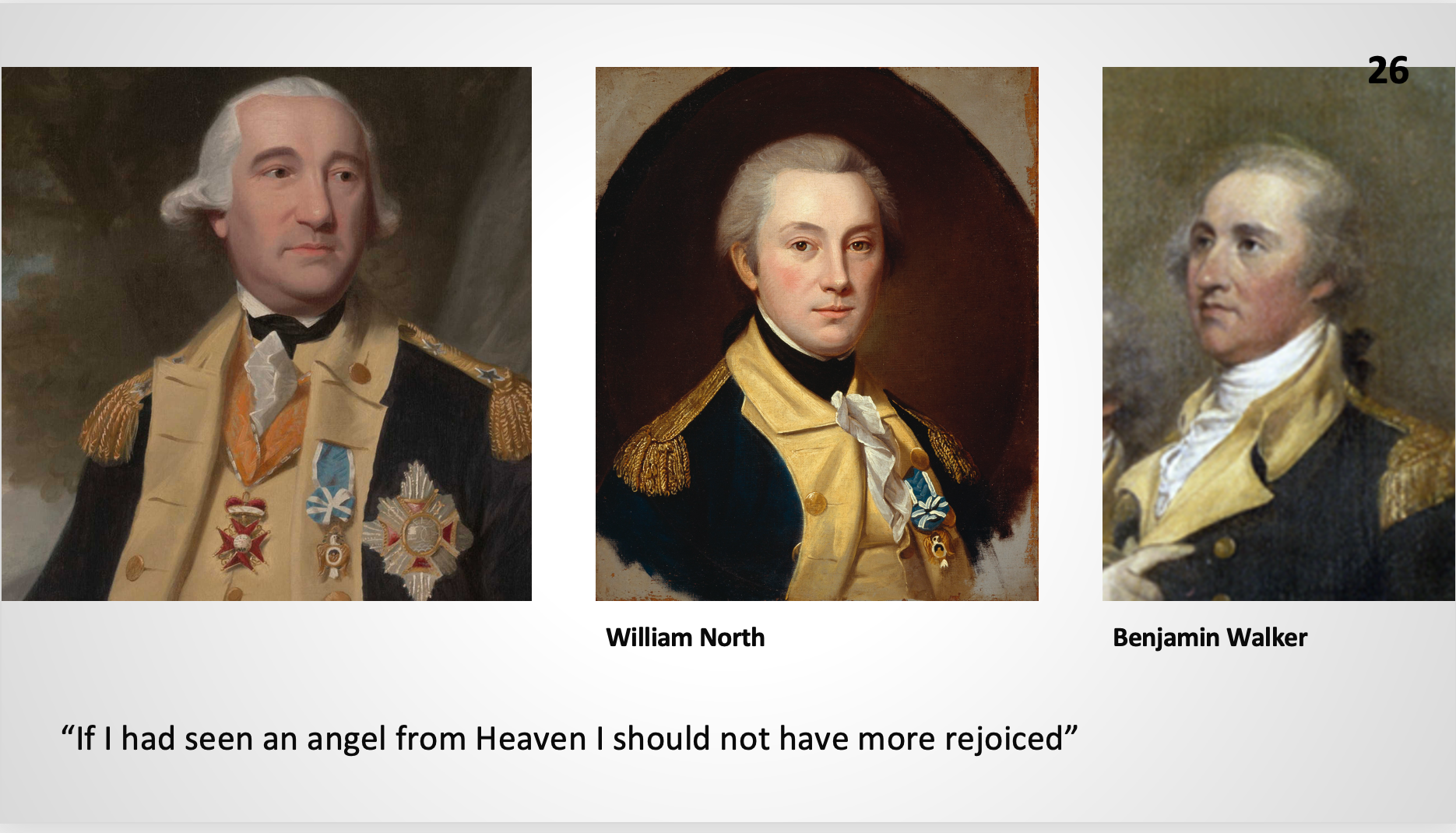
26 Steuben formed an immediate and intense bond with two aides-de-camp in particular: William North and Benjamin Walker. The relationships between Steuben and these men went far beyond professional courtesy. Upon meeting Walker, Steuben reportedly exclaimed, “If I had seen an angel from Heaven I should not have more rejoiced”. He legally adopted both men, a practice often used by gay men in the 18th and 19th centuries to ensure their partners could inherit their estates without the legal option of marriage
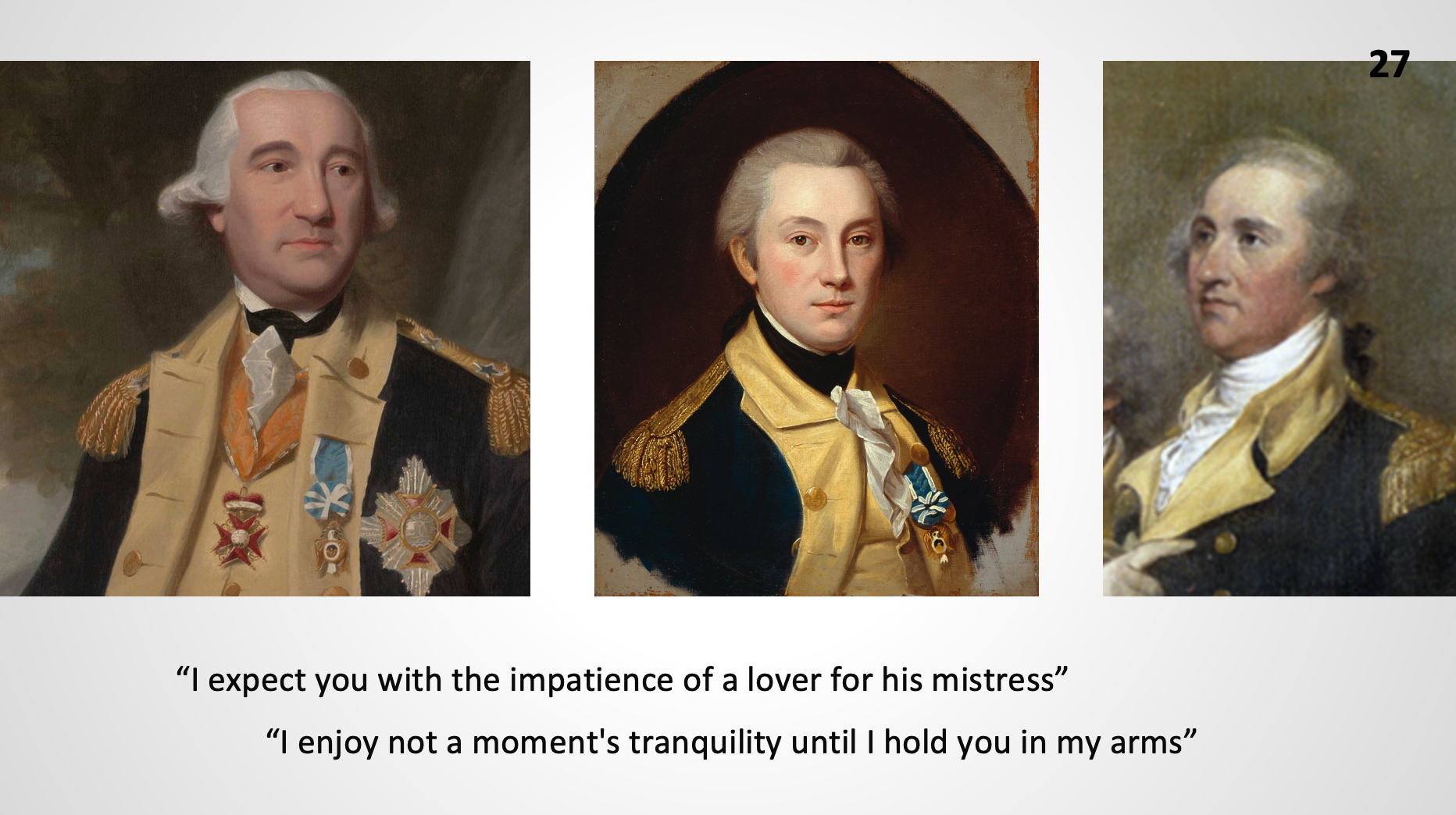
27 The surviving correspondence between Steuben, North, and Walker provides the strongest evidence of their romantic intimacy. While 18th-century male friendship often employed florid language, Steuben’s letters possess an erotic charge that defies platonic interpretation. In one 1780 letter to Walker, Steuben wrote, “I expect you with the impatience of a lover for his mistress”. In another, he pleaded, “I enjoy not a moment’s tranquility until I hold you in my arms”
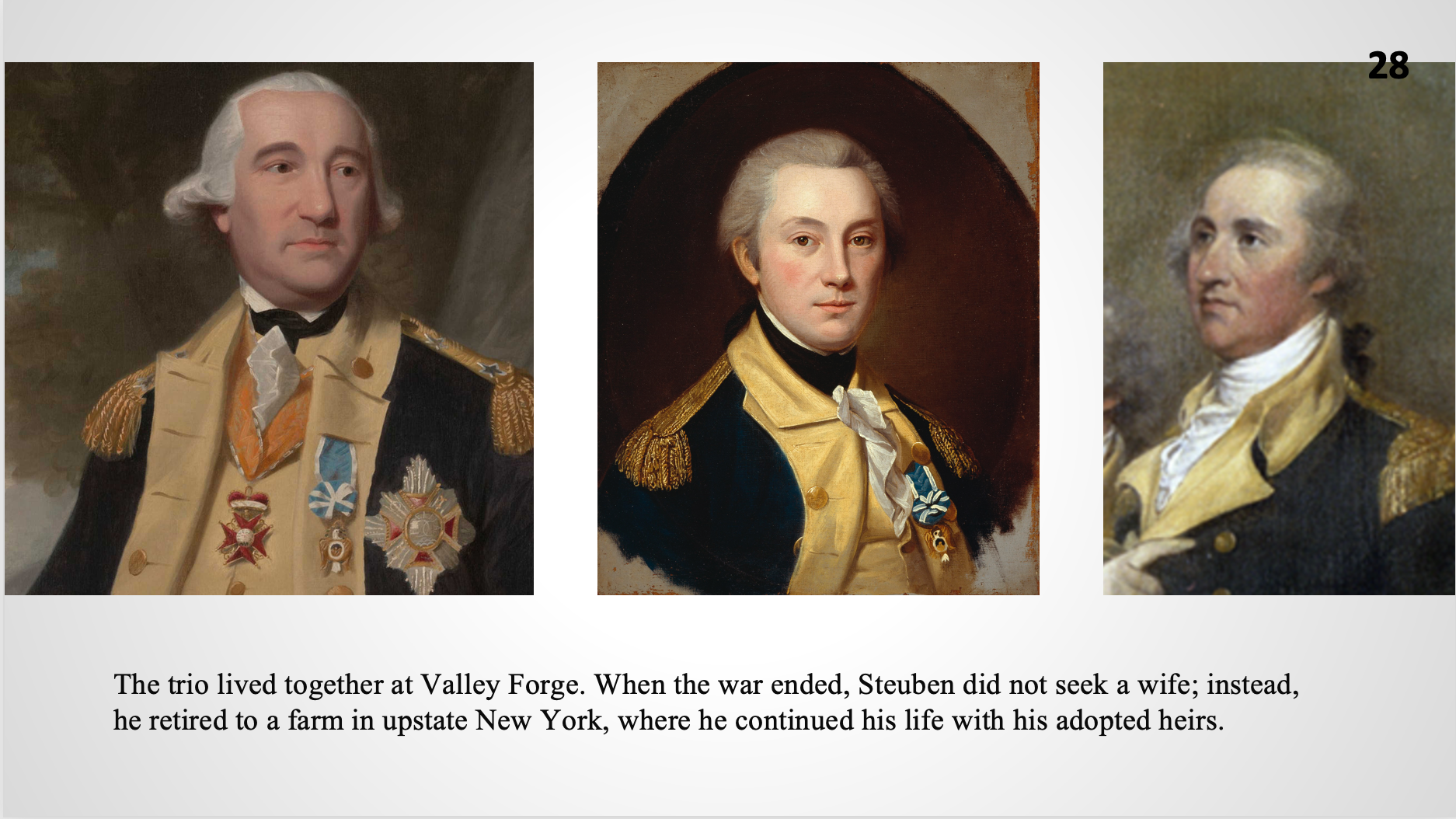
28 These letters suggest a domestic dynamic where Steuben viewed North and Walker not just as subordinates, but as life partners. The trio lived together in the “Baron’s House” at Valley Forge and later in New York, forming a stable, cohabitating unit that mirrored a family structure. When the war ended, Steuben did not seek a wife; instead, he retired to a farm in upstate New York, where he continued his life with his adopted heirs
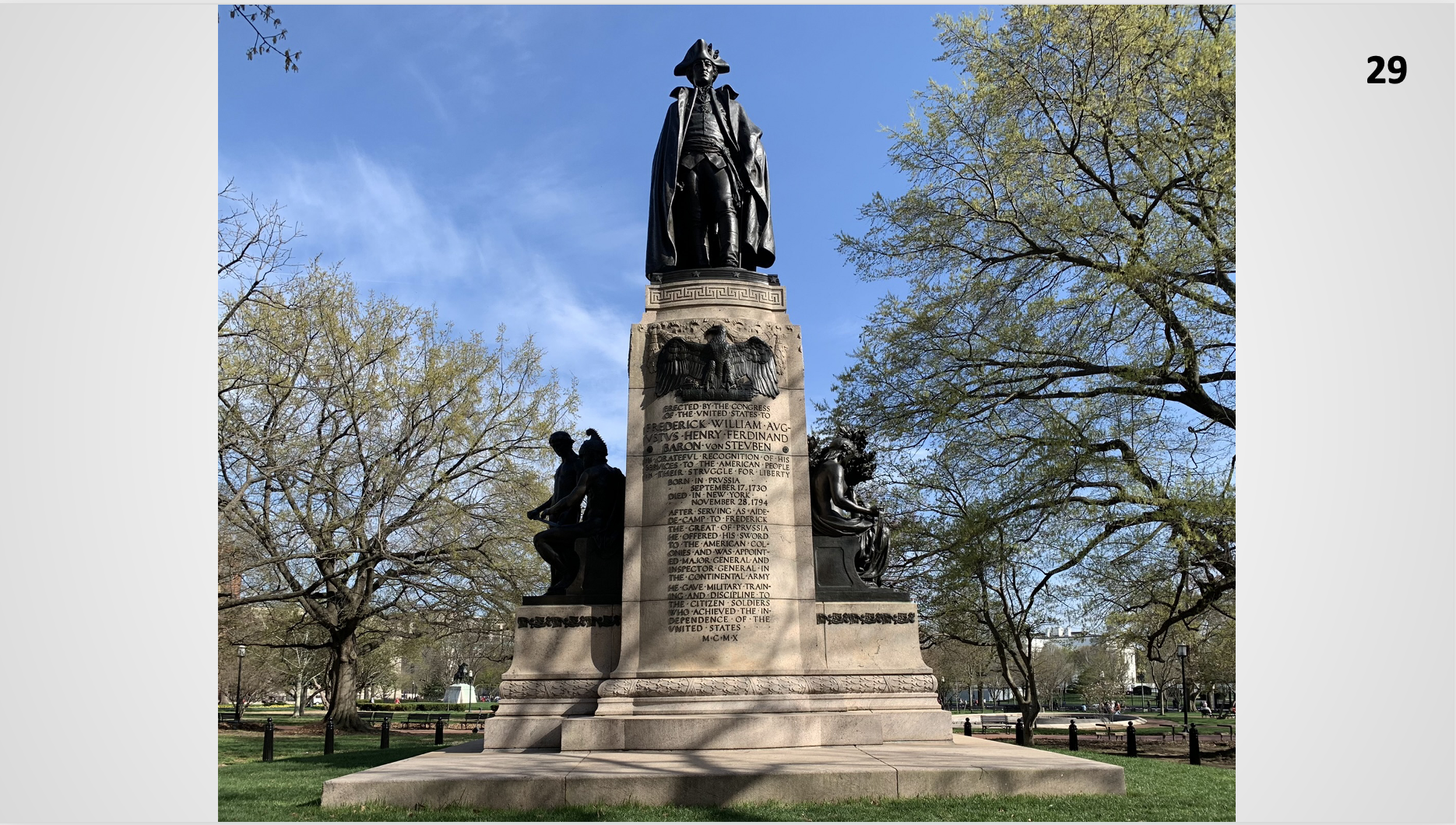
29 Steuben died in 1794, leaving his estate to North and Walker, explicitly excluding his blood relatives in Europe—a final testament to the primacy of his chosen family. For nearly two centuries, biographers sanitized his life, erasing the romantic nature of his relationships or dismissing them as “eccentric bachelorhood” – But these aspects of his life were more honestly addressed in his own day – When you look at those around von Steuben, especially once he came to the 13 colonies – we see more than tolerance with distain, or inclusion as a fellow member of the elite, for whom different rules apply – as you do with George Germain and those who surrounded him in courtier circles – There is something in the interactions that seems more like acceptance – I’ve been finding this in fragments –
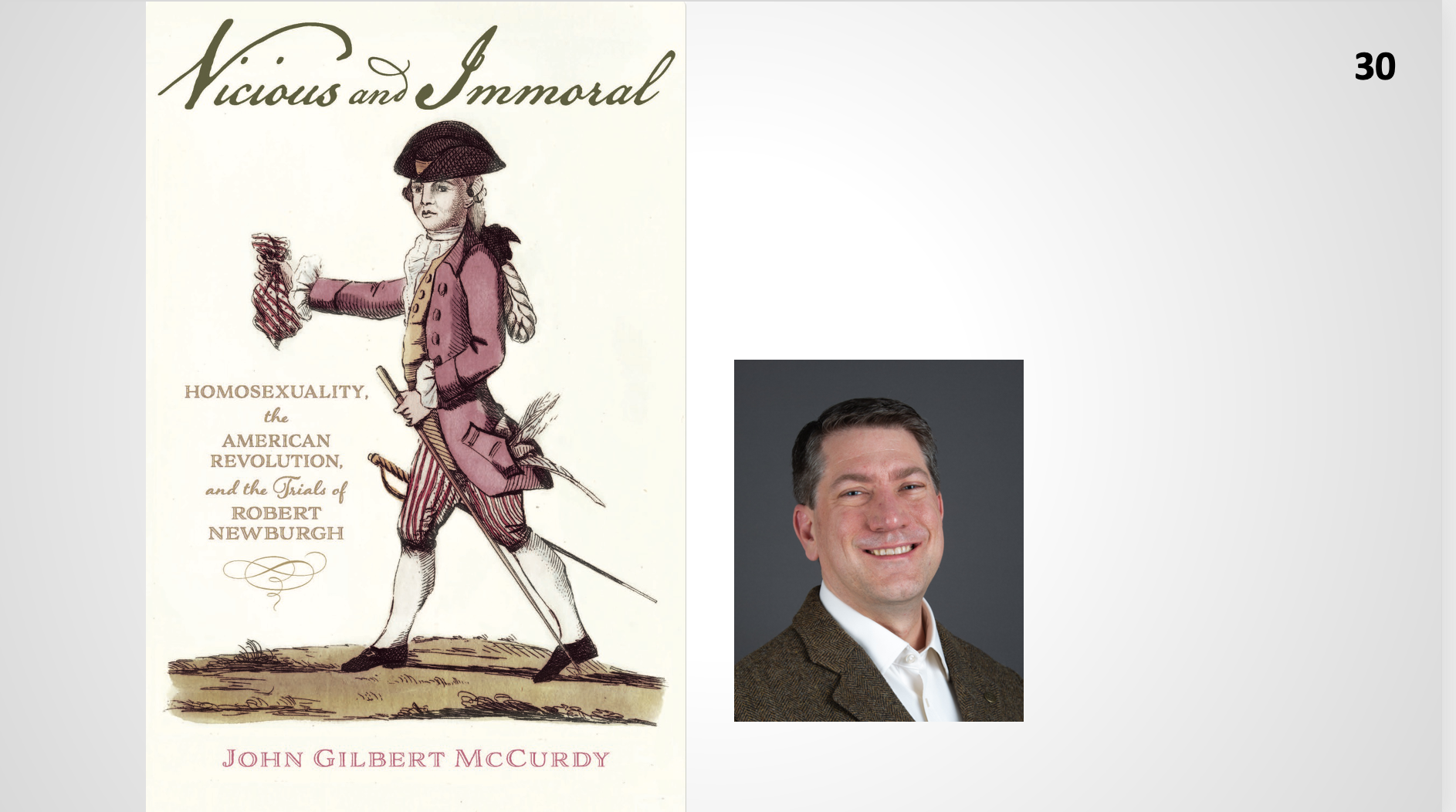
30 – So far, the best and most complete exploration for the reason why – I think – can be found in recent book by John McCurdy – Vicious and Immoral – This is an in-depth study of one individual – Robert Newburgh, an Anglican priest in the British Army – stationed in the 13 colonies on the eve of the American Revolution – Rumors spread that he was a sodomite – but he was an officer, and he was accused by another officer – which meant that this wasn’t a simple situation to resolve – each man’s honor had to be respected – and so a commission of enquiry was held – where dozens of individuals were questioned about what they understood of Newburgh’s behavior, dress, and overall character, as well as that of his accuser. One of McCurdy’s most important findings was that those who supported the Revolution were also more likely to support the Rev. Newburgh – The ideals of the revolution – and of limited government – also supported the right of an individual to do as they pleased with their own body – limited government meant anything not explicitly ceded to authorities remained in the private realm of the individual – folks who accepted the political side of that argument were also more likely to accept the personal side.
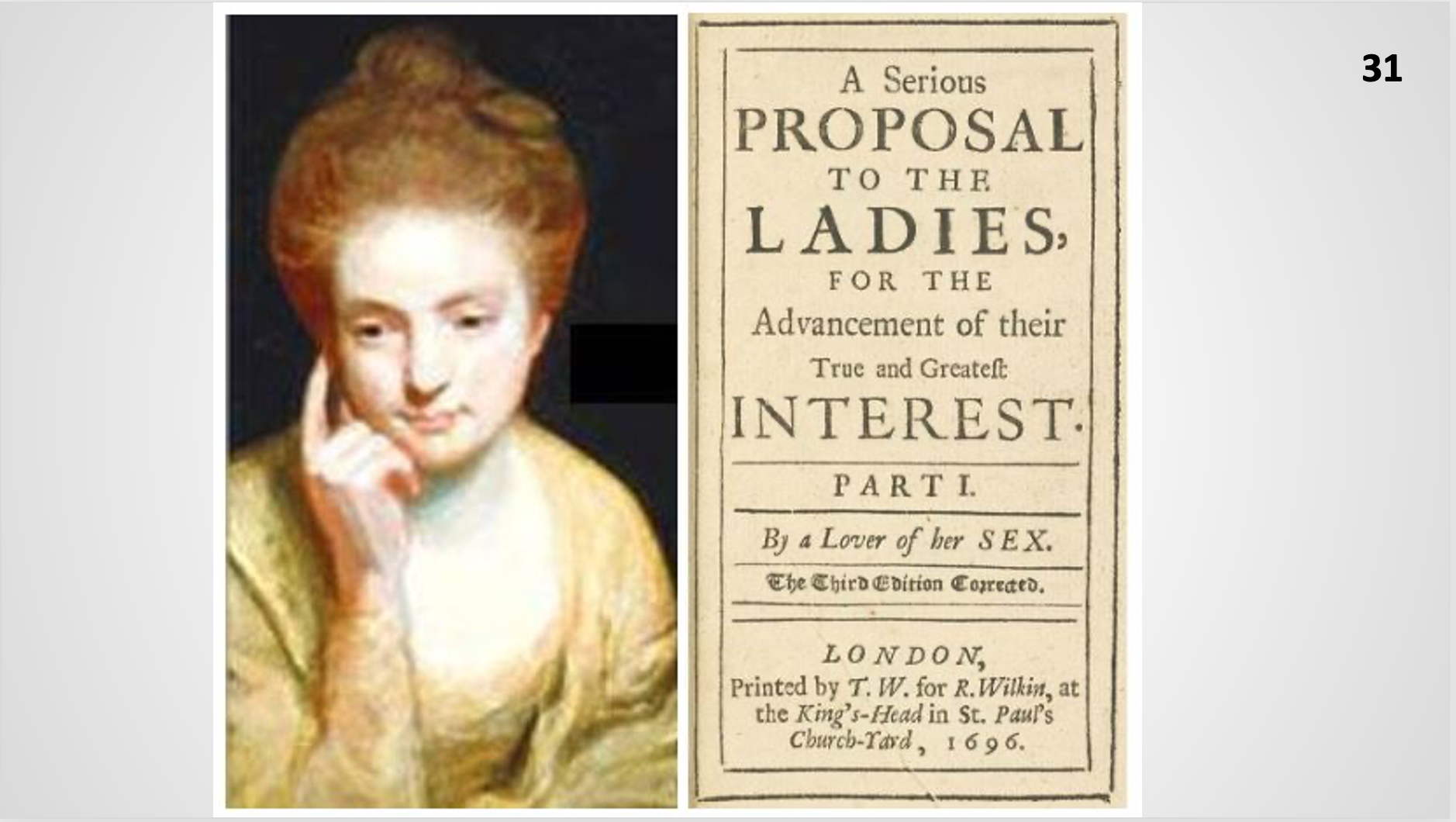
31 – And this sort of connection – between the personal and the political, had been true of interpretations of Enlightenment thought since the late seventeenth century – especially in those interpretations written by women – most forcefully, early on, in the writings of Mary Astell –
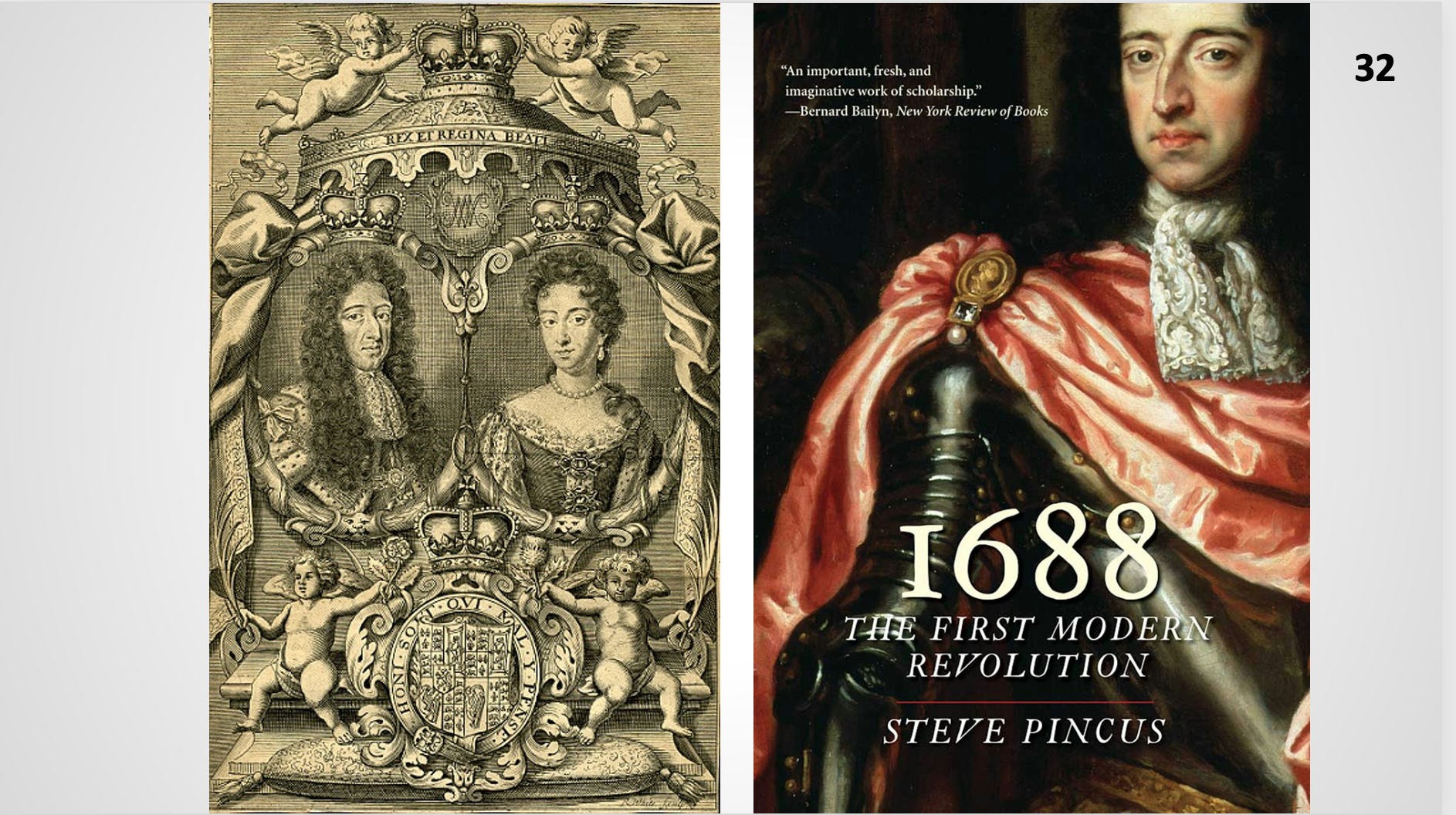
32 – To understand the revolutionary nature of Astell’s synthesis of liberalism, we have to understand just what happened in 1688 in Britain – in Britain’s Glorious Revolution – and just what a break it was – at least potentially – with all past precedent –
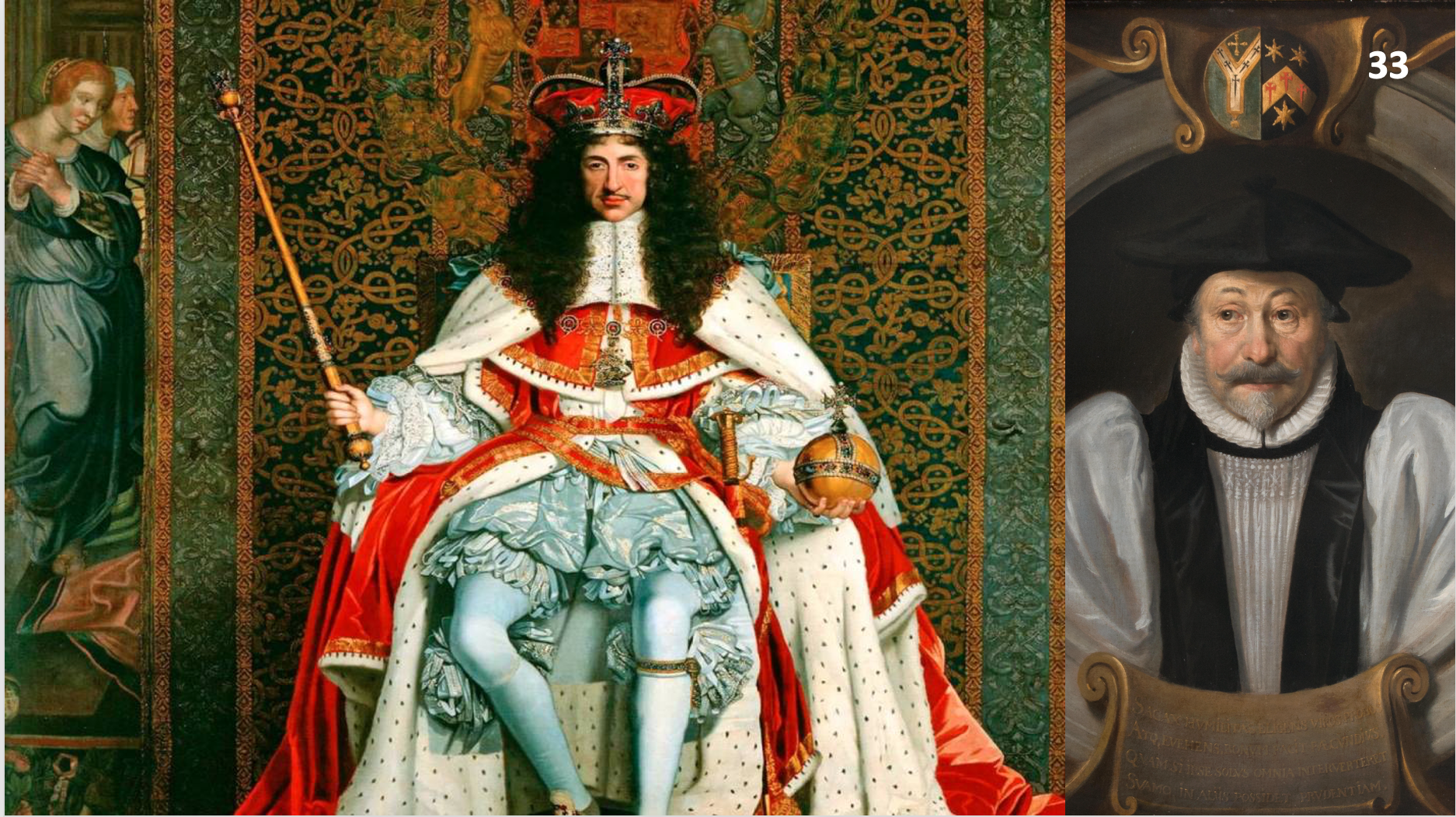
33 – Before 1688, the rich and powerful had always ruled – States had been based on hereditary rights for centuries – religion was based on dogma that was interpreted for you by others in the Anglican hierarchy. Ruling philosophies supported the powerful –
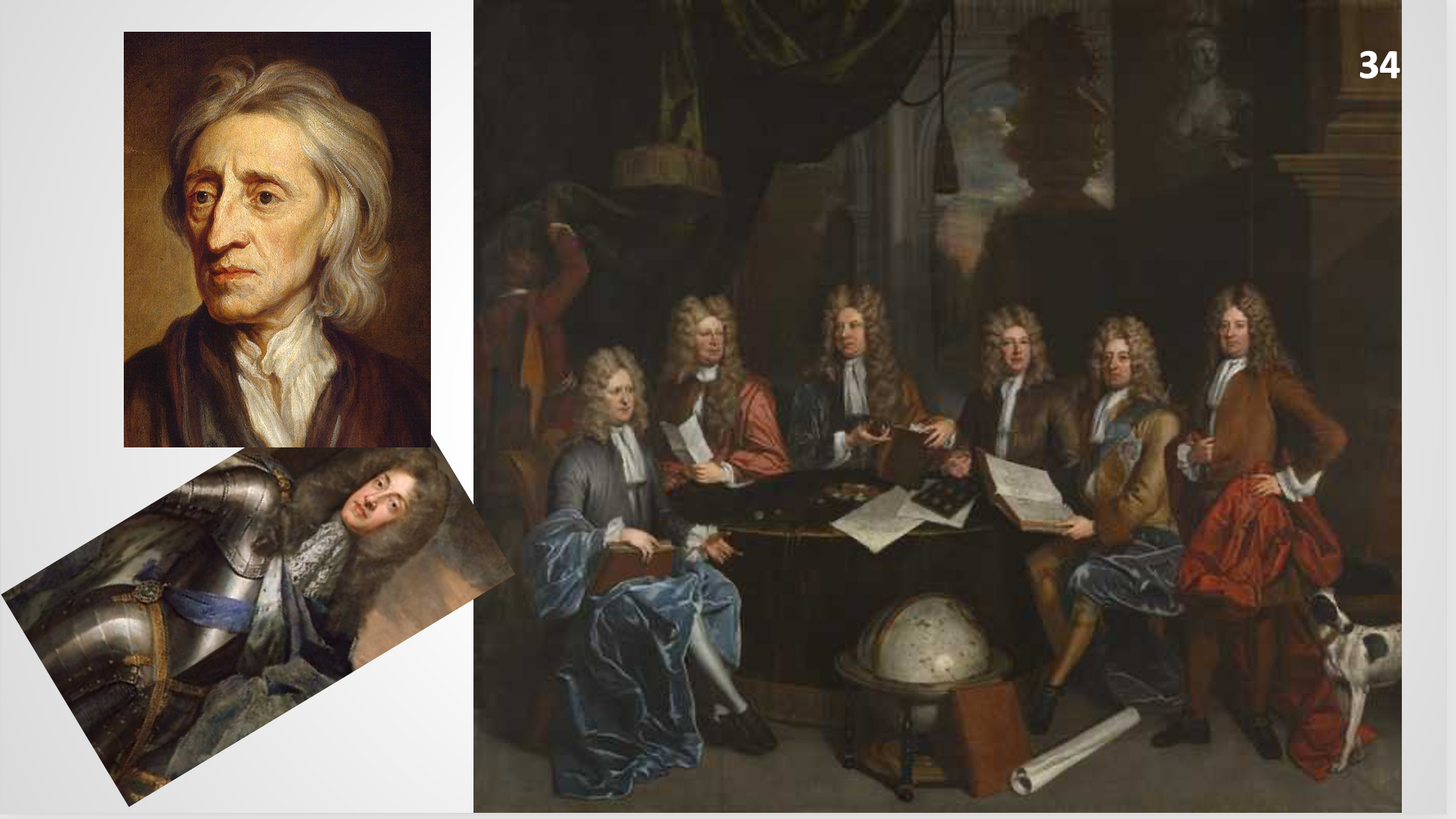
34 – But the powerful became divided – and one group of oligarchical Whigs – to keep a Catholic off the throne, broke the rules that sustained the elite – and held a coup that broke the line of legitimate succession. They needed a new philosophy of the state to justify what they had done – and so the ideas of John Locke (in the pay of one of the Whig Oligarchs making the coup) were published and propagated, in support of what had been done. Locke argued that the coup was not a coup, because sovereignty resided in the individual – and that the state was a contract amongst equal and sovereign individuals, who each ceded a portion of their sovereignty to make the state, to bring about collective ends – Everyone was born equal – Ambitious kings had overturned this previous natural state of society, and so what occurred was not a revolution, but a restoration of the right state of society
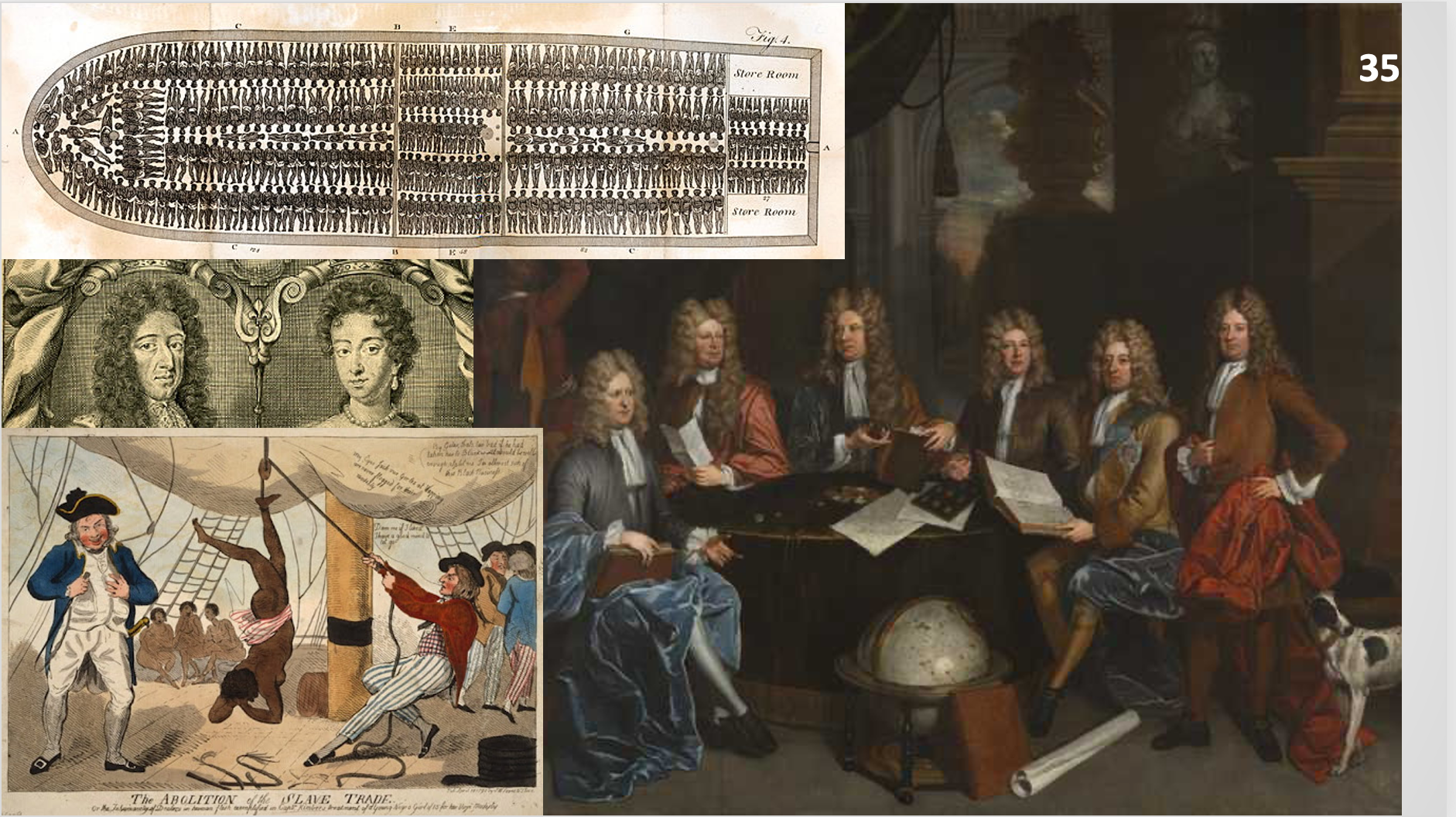
35 – It was a beautiful argument, although also only window dressing for one powerful group supplanting another. The Whig Oligarchs wanted this exception to apply to only that one act of usurpation that benefited them. Otherwise they wanted to continue the previous practices of slave trading, subordinating women, executing men for sodomy, and stacking all laws to advantage the propertied and powerful. Their version of the Glorious Revolution was a limited coup – Let’s just keep the Catholic off the throne, everything else stays the same.
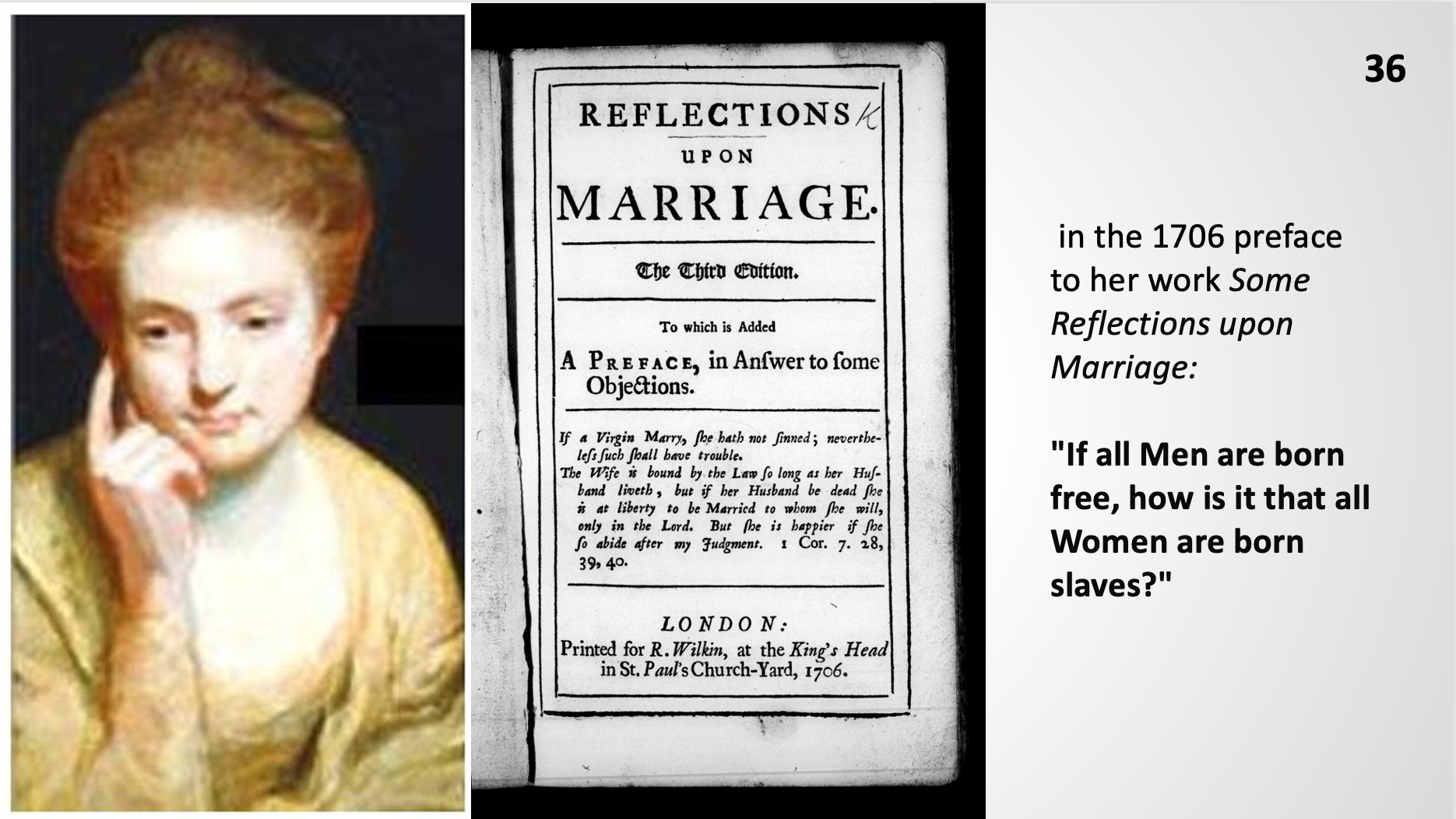
36 – Mary Astell was one of first to publicly say NO to this – In part it was because she was privileged in many ways – she was white – literate – and had powerful friends – but she was also subject to discrimination and injustice – as a women – a theme she powerfully explored in her written work – She used the logic and ideas of Locke – which could not be dismissed by her critics, because they underpinned the state – and were central to the justifications of the state – to question injustices that were done to her and all women – If these are the rules by which we are governed – she asked – then why is these other things allowed – “If all Men are born free, how is it that all Women are born slaves?”
37 Abolitionists picked up on this, fostering their own arguments on the injustices of Atlantic slavery – as did an expanding group of other feminists, questioning the laws that restricted women in so many aspects of their lives – other individuals argued that they had the right to do as they pleased with their bodies, so long as they hurt no one else – and still others, with less property and power than those who controlled the British state and the British Empire, also wrote against those who attempted to take their property – through taxation – in ways that violated the rules by which society was to operate. They all used the same language of liberty – and the same appeal to Lockean and Enlightenment ideals – to call for justice – throughout the eighteenth century – Some of these groups could more easily see the disabilities placed on them, rather than the privileges that they enjoyed over others – but the public debates that occurred, in the free press that was established after 1688 – could move minds, and raise awareness.
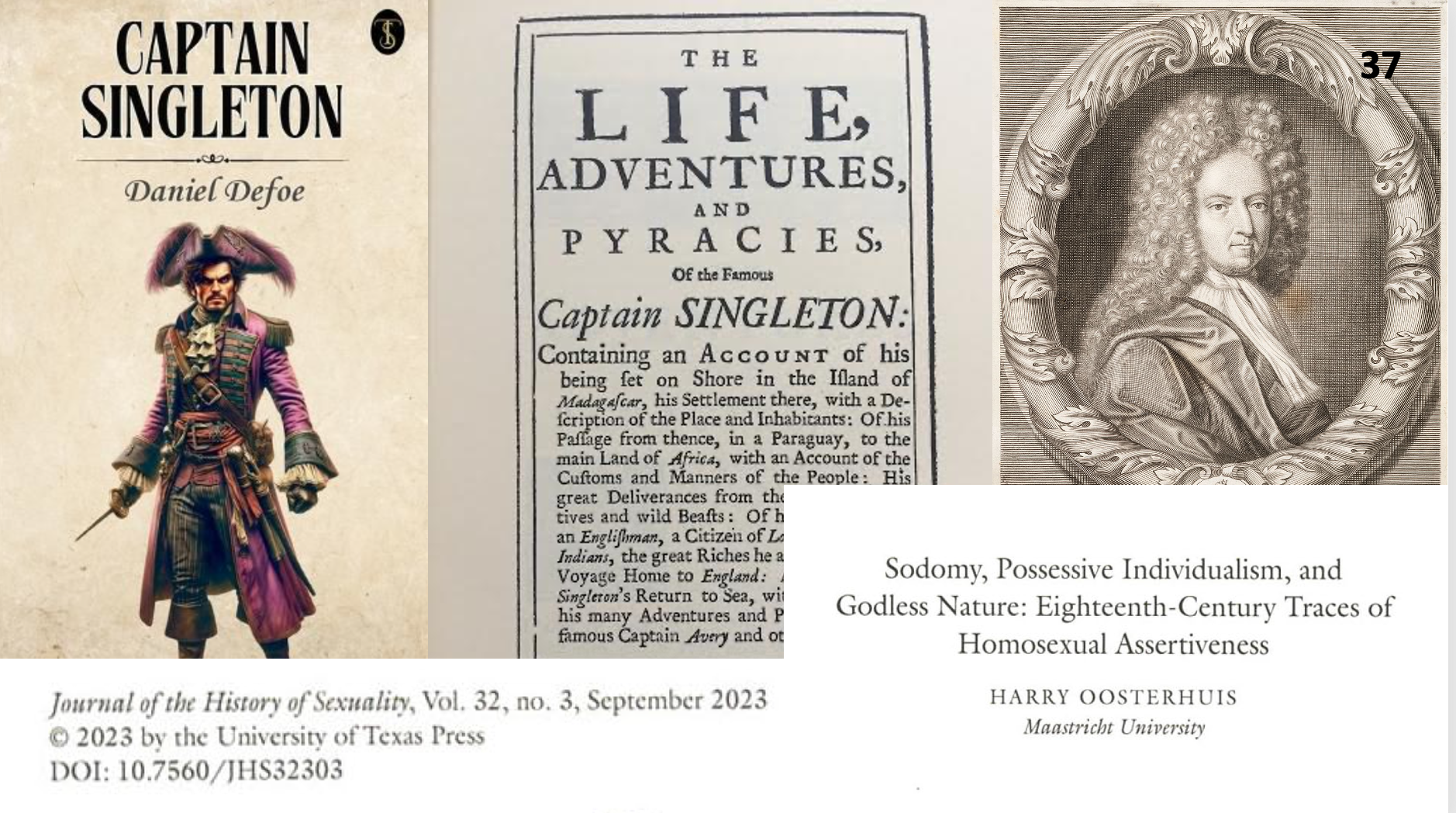
This slide, by the way – is not a non-sequitur – it’s one of the most fun examples that I’ve found of using Enlightenment ideas to underpin personal freedom in relation to sexuality in the 18thc – Ship’s surgeons keep popping up in my material – Their educated in enlightenment ideas – they see the world – and different social systems – and they are surrounded by an all-male culture of relatively fit men – when caught with other men, they often use enlightenment ideals to justify their actions – No less than Daniel Defoe noticed this – folks have been doing queer readings of the relationship between his Captain Singleton & his ships surgeon for decades – Like Von Steuben and his favorites, Singleton & his surgeon live happily together at the end of the novel – its coded, but still quite queer…
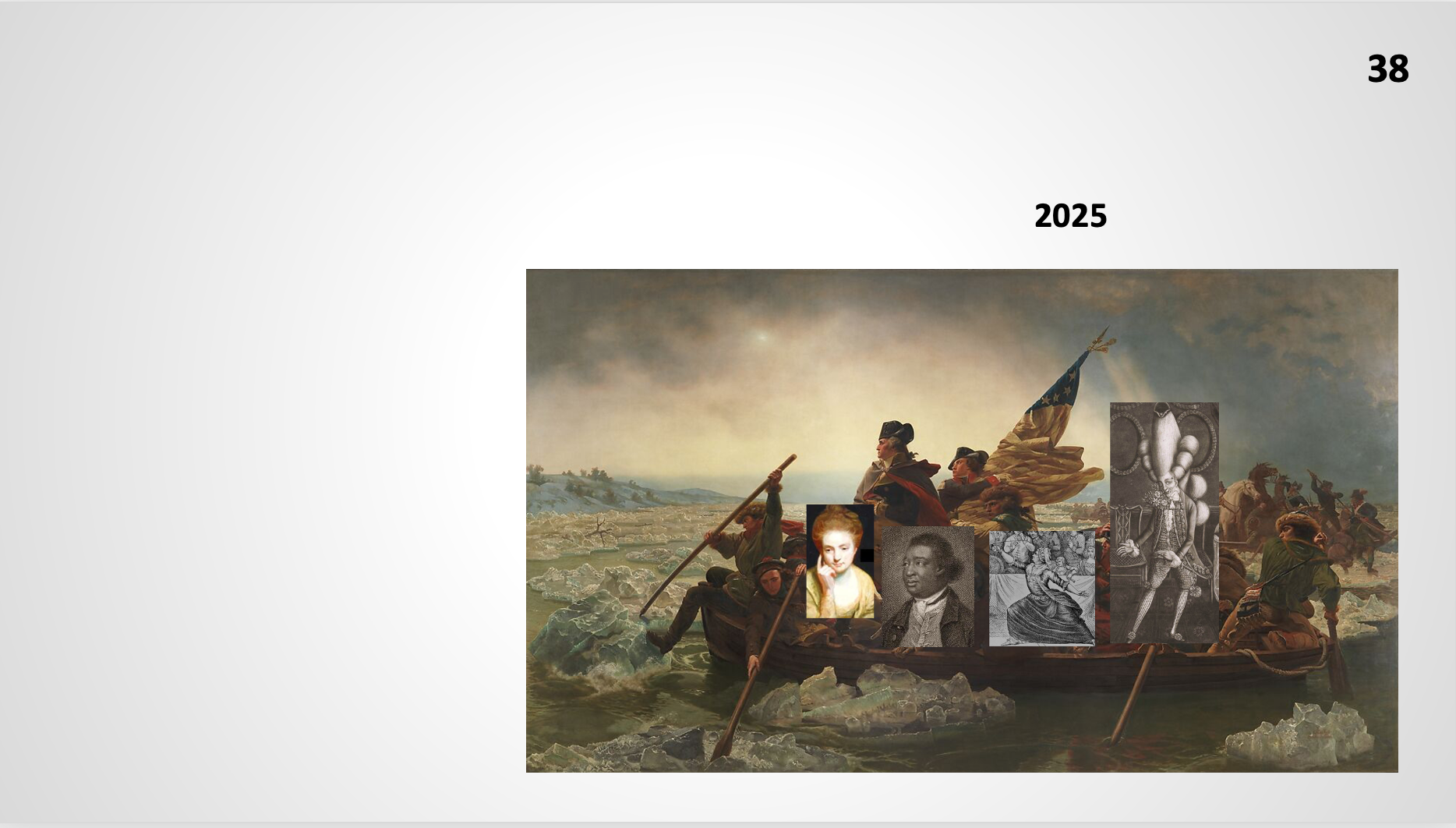
38 – In the talk I gave last year – I explored how these ideas underpinned the American Revolution – And how the same philosophy that underpinned the tax revolt of the American colonists – was exactly the same set of ideas that could be used by women – and by the enslaved – and by those who wanted to live an authentic life through a gender that they were not born into – The same ideas underpinned all these critiques – The ideals were and are still the most powerful toolkit for challenging injustice – adopted in a highly encumbered form in 1688 – were enshrined in a more pure form in 1776, even as fatal compromises were made to accommodate them to entrenched social arrangements.
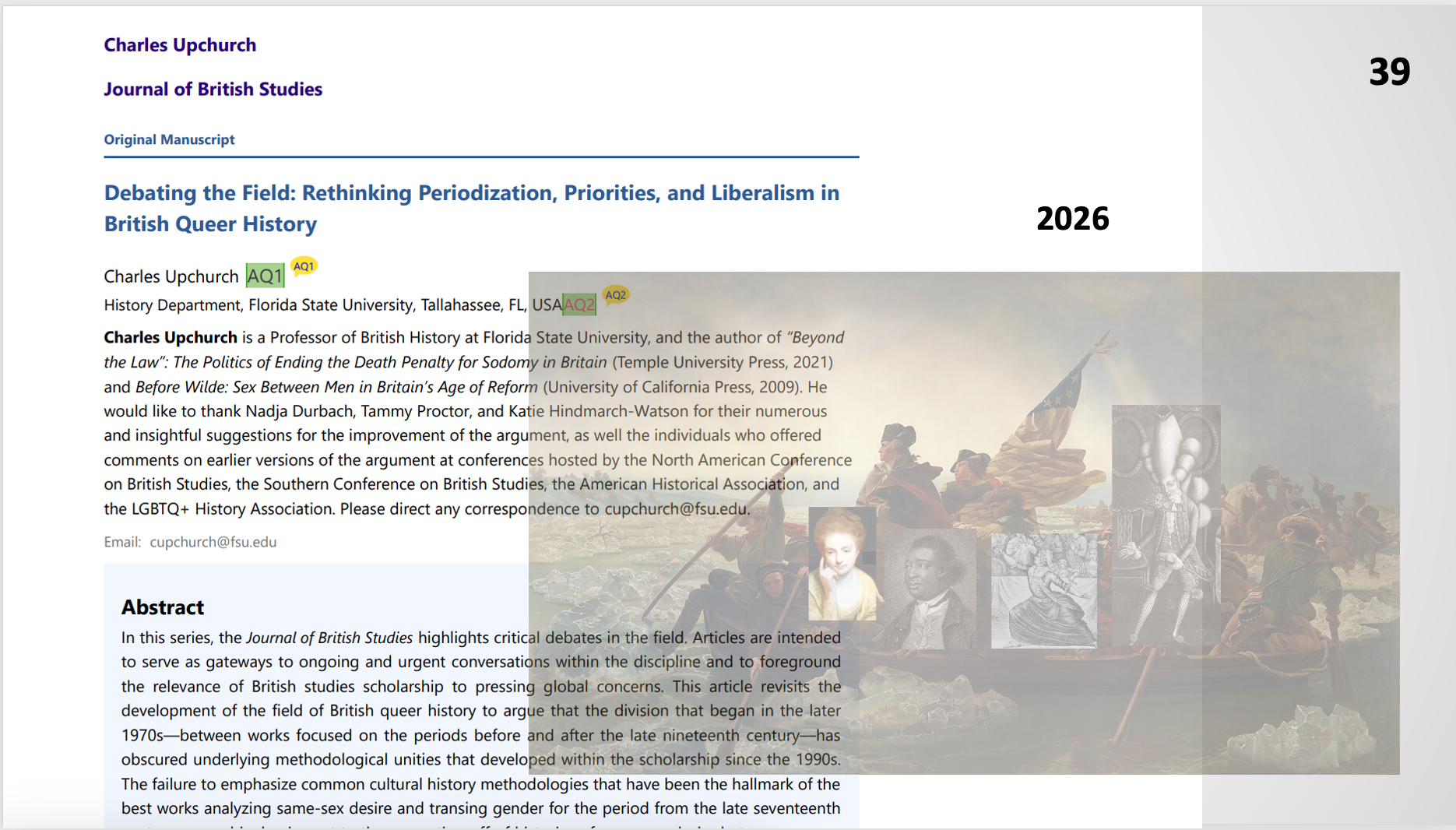
39 – But one thing I’ve learned since then – that it’s not just Enlightenment ideas – but it’s specifically the feminist implementation of them – that is truly Revolutionary – and which has the greatest capacity to curb their excesses. And to harness their revolutionary potential for social good, rather than selfishness. And this has been true for as long as these ideas have been in circulation.
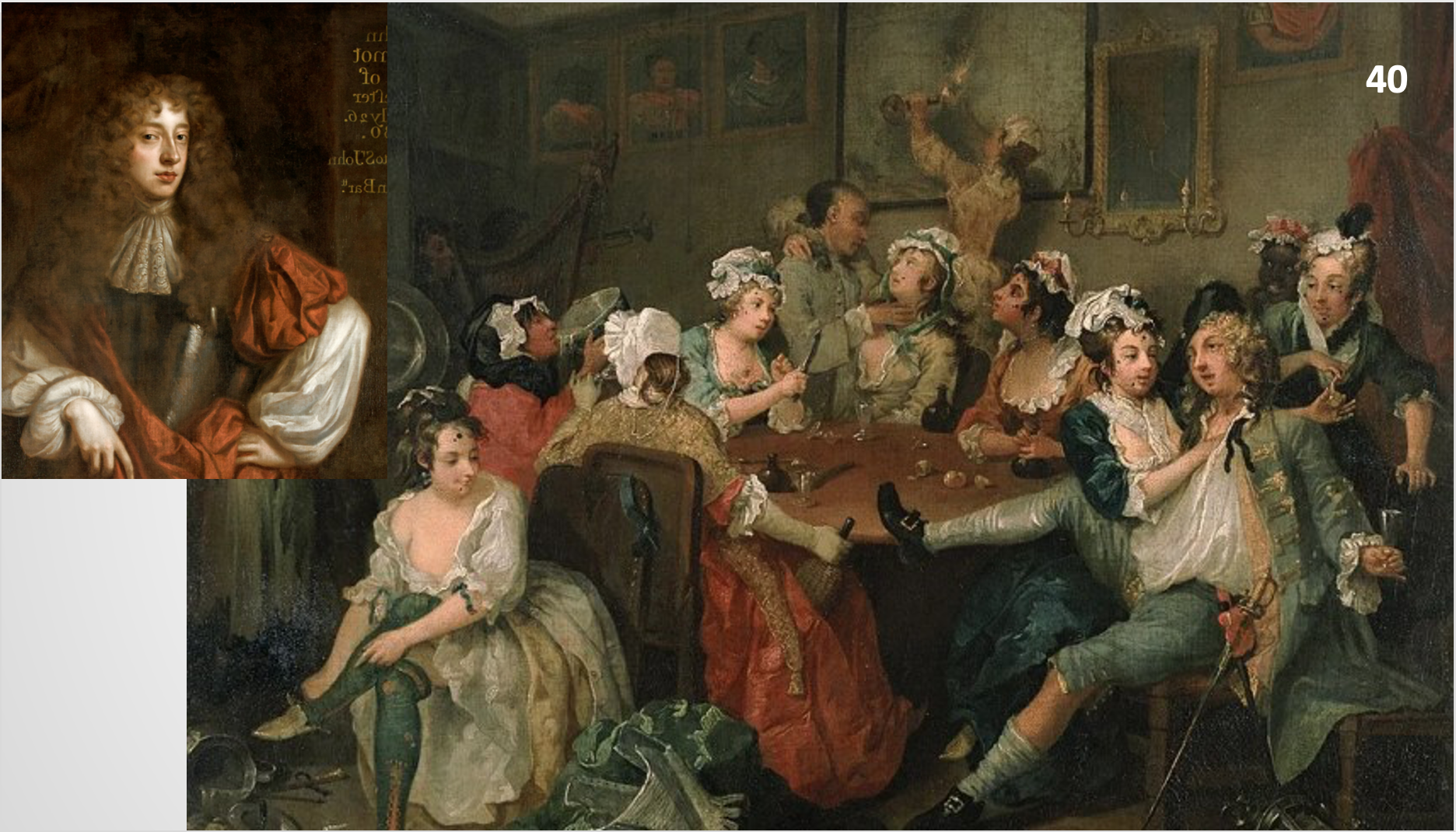
40 – After all – libertines took these same ideas from Locke – and reached the same conclusions in relation to their personal life – As men of wealth and privilege, libertines argued to be subservient to traditional morality was cowardice, and that they should push the boundaries of pleasure and self-indulgence – they styled themselves as champions of liberty – without much thought to those they hurt along the way. They were known as much for their misogyny, violence, and class privilege as anything else. Enlightenment ideas and the quest for liberty could foster self-indulgence and harm to others in the eighteenth century –
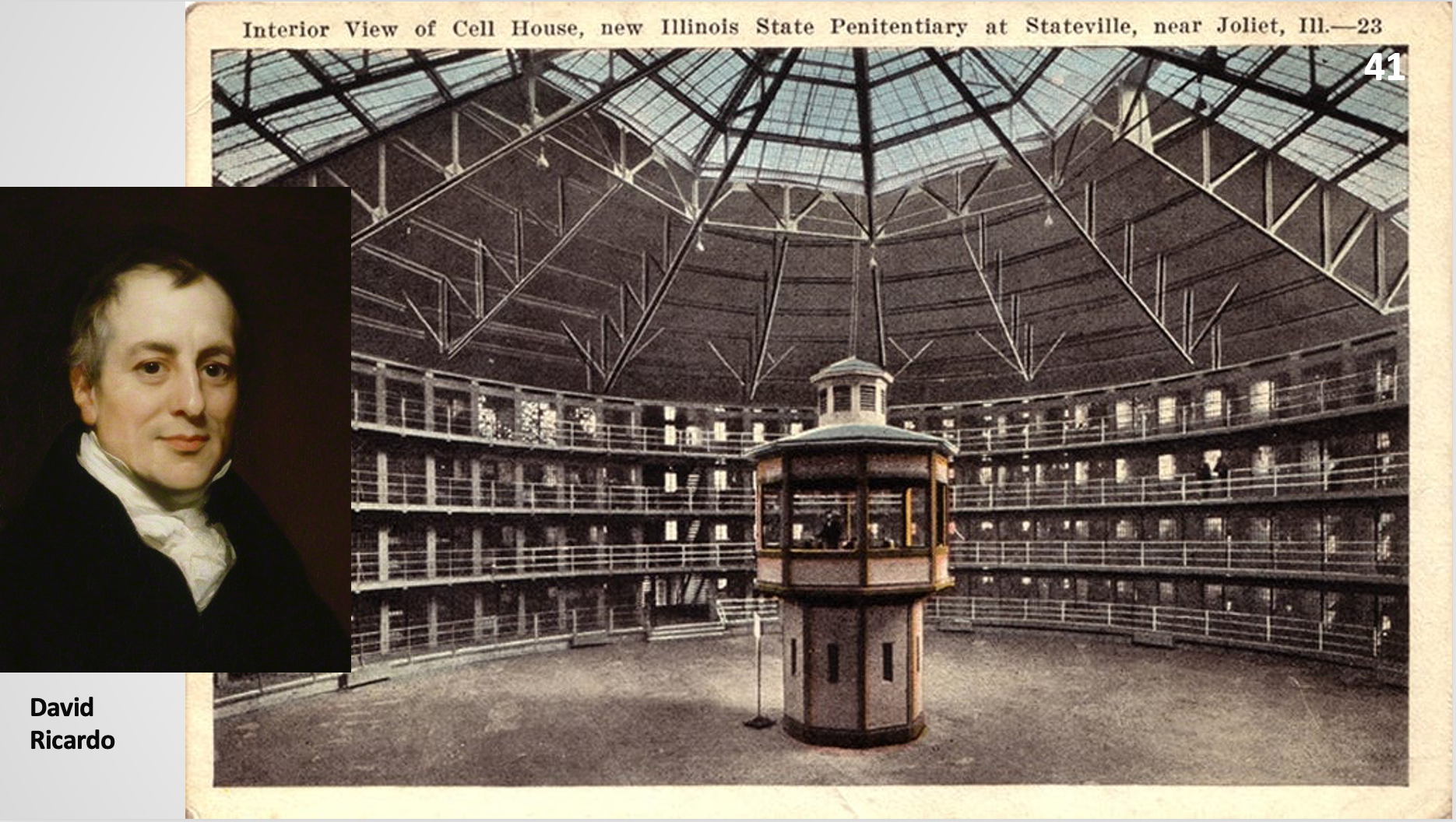
41 – And in the nineteenth century – Enlightenment thought could lead to extreme forms of abstraction – reducing individuals to numbers and statistics – resulting in prisons like the panopticon – which rationally sought to tear down the individual – and remake them – or the political economy of David Ricardo, that reduced human misery to cold calculations, developing the “iron law of wages” which justified paying workers the bare minimum for survival, and nothing more –
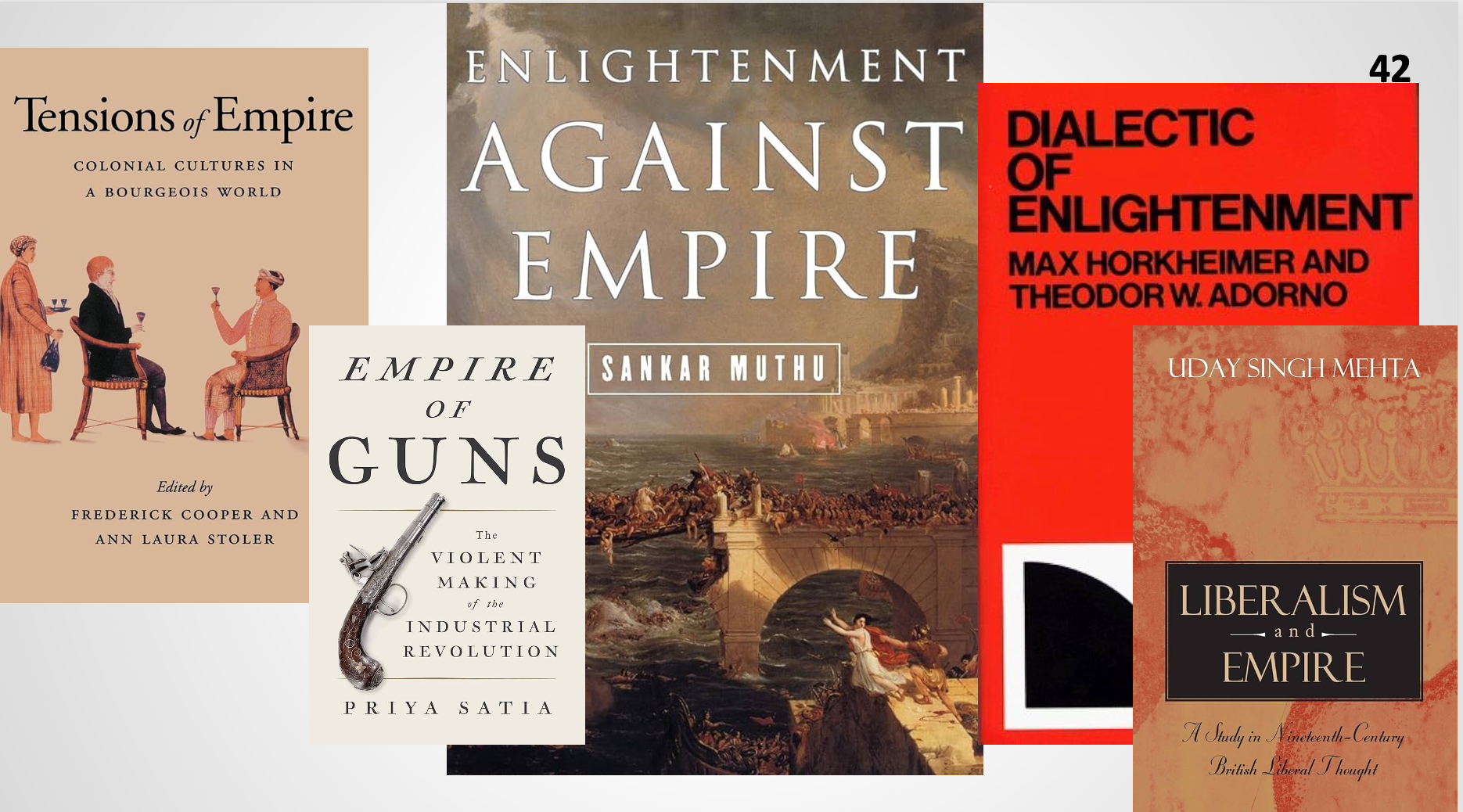
42 – Rationalist, Enlightenment-inspired plans throughout the nineteenth century were used to grid and map the colonized world – and discount the stated needs of others in favor of the demands of political economy – and rational, technocratic governance. Many scholars have written about how while the eighteenth-century Enlightenment was often anti-imperial, this changed as the decades progressed – with more negative and coercive aspects coming to the fore in the nineteenth and twentieth centuries – Horkheimer and Adorno go so far as to find the Enlightenment philosophies responsible for some of the worst excesses of 20th century violence and exploitation –
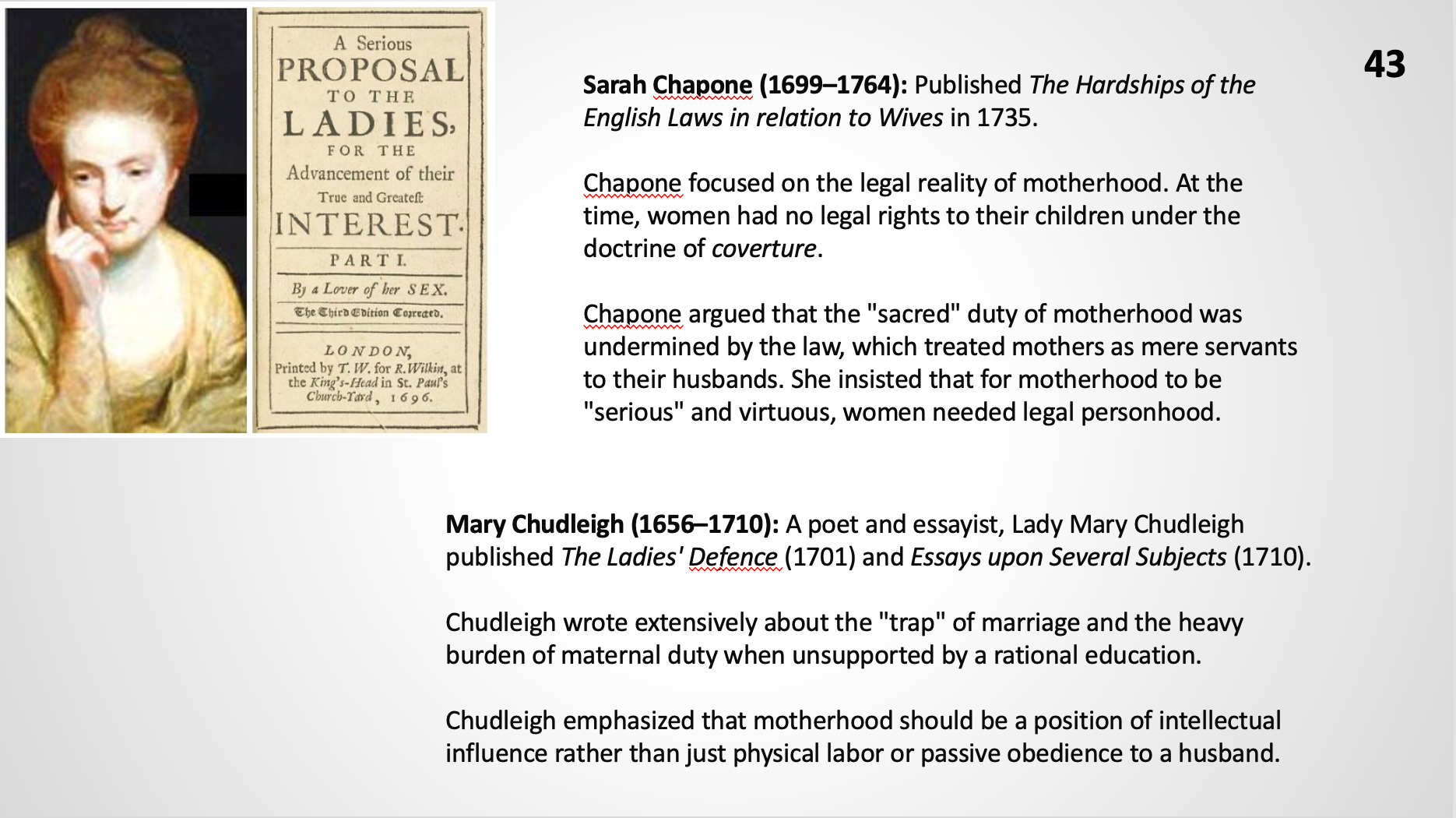
43 – But the Feminist versions of the Enlightenment never fell into this trap – from the start – From Astell – to Sarah Chapone – to Mary Chudleigh – to Catharine Macaulay – to Mary Wollstonecraft – to Harriet Taylor – feminist philosophers always wrote about the relationship of individuals to each other, and the reciprocal obligations between individuals – most often at the center of this analysis was the issue of motherhood, and how it and other social relationships impacted the lived experience of Enlightenment philosophy –
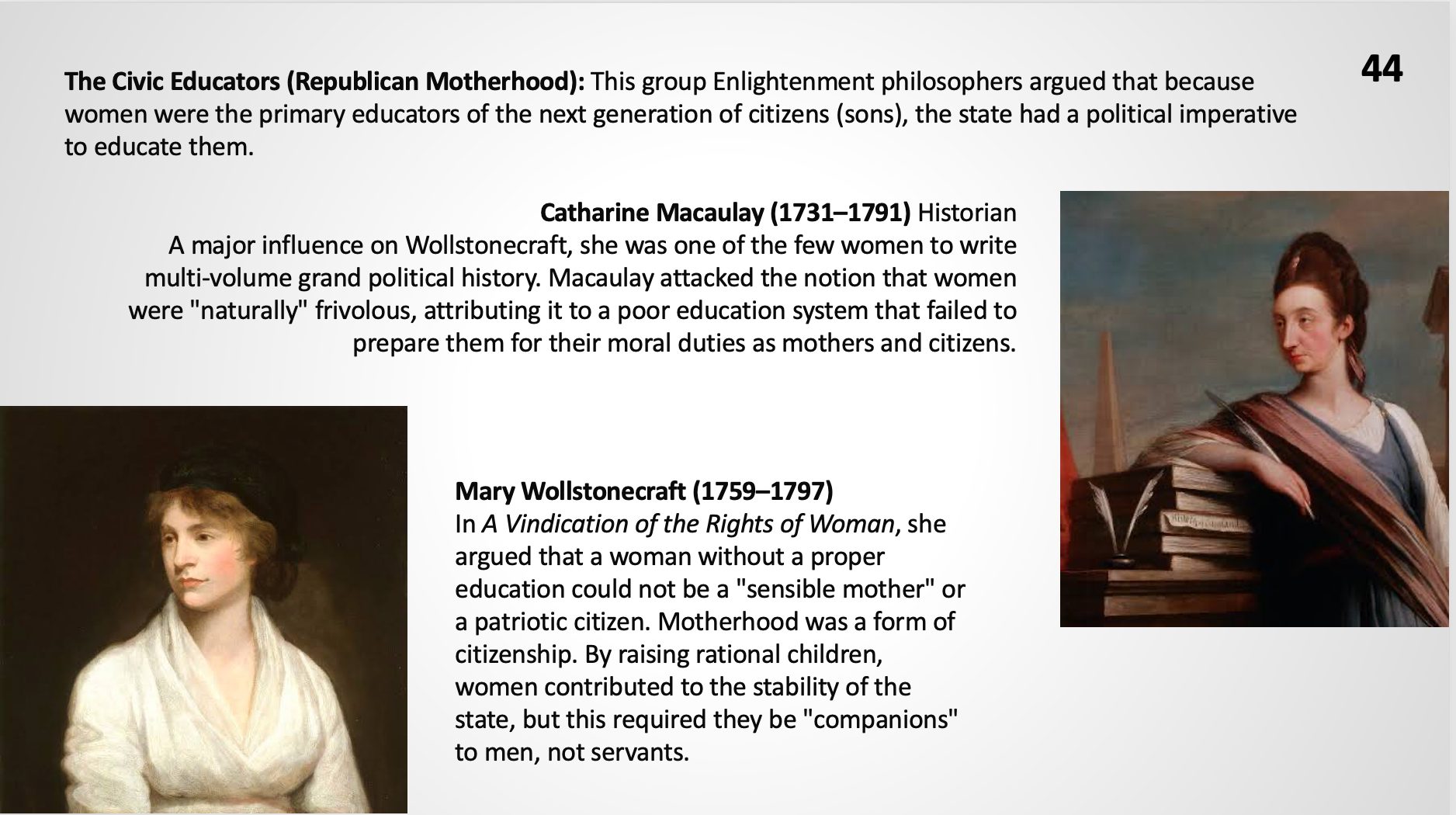
44 – There is no disembodied cogito in feminist theory, as we have with Descartes – no rational subject divorced from all social context – Autonomous and unencumbered – Building from motherhood, feminist philosophers knew that such a subject only came about after decades of care and attention from a community of individuals – and from mothers first and foremost –
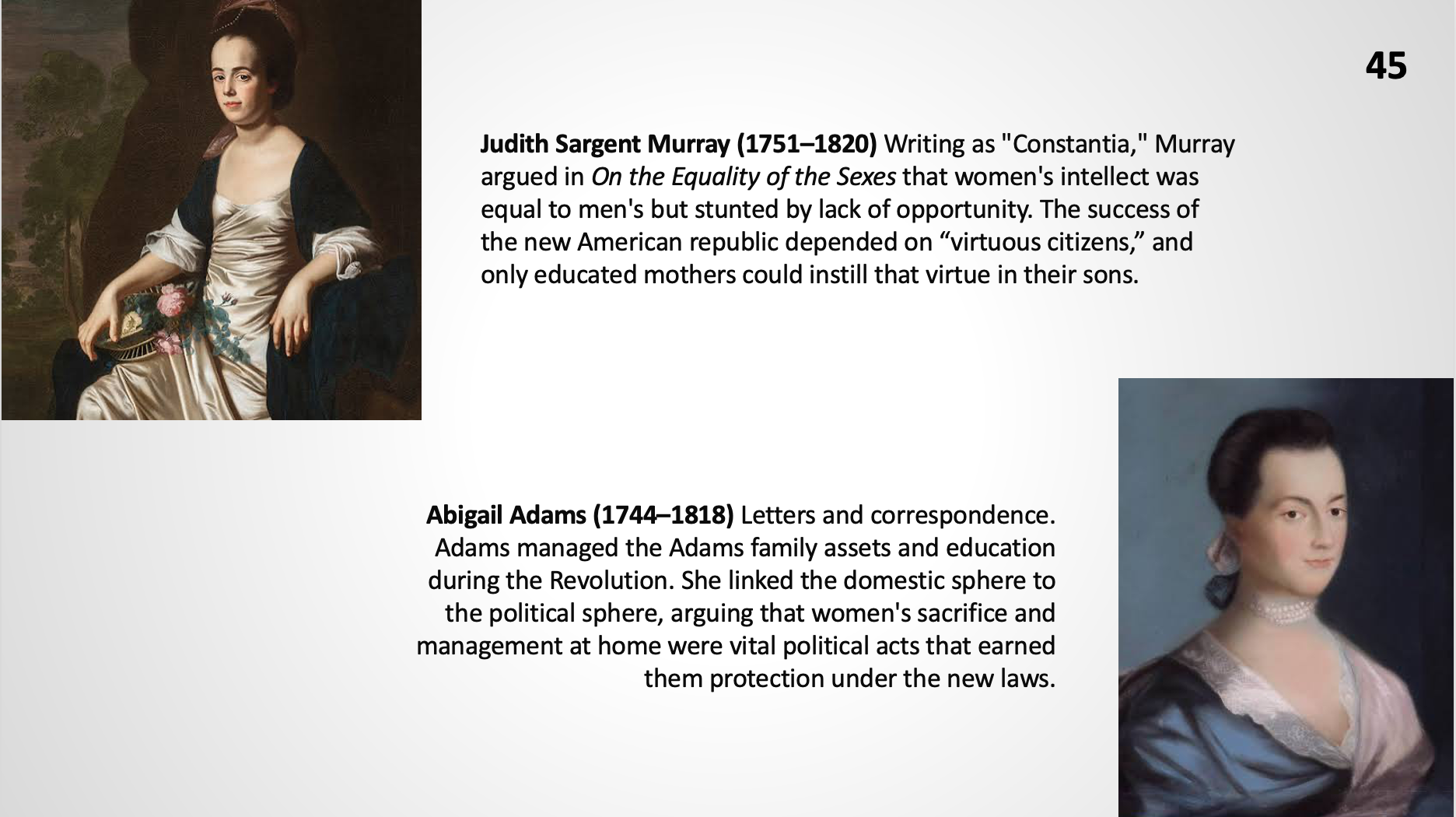
45 – the Feminist Enlightenment never forgot that we are all born helpless and dependent on others – and many of us die that way as well – Any philosophy that ignores that is built on unacknowledged labor – with the denial of such a debt itself an injustice – spawning intellectual inconsistencies in the argument as a result of the need to deny the obligations. Masking the subordination of others in its structuring premises – the necessary work of women, families, and communities – it might natural lend itself to oppressive conclusions…
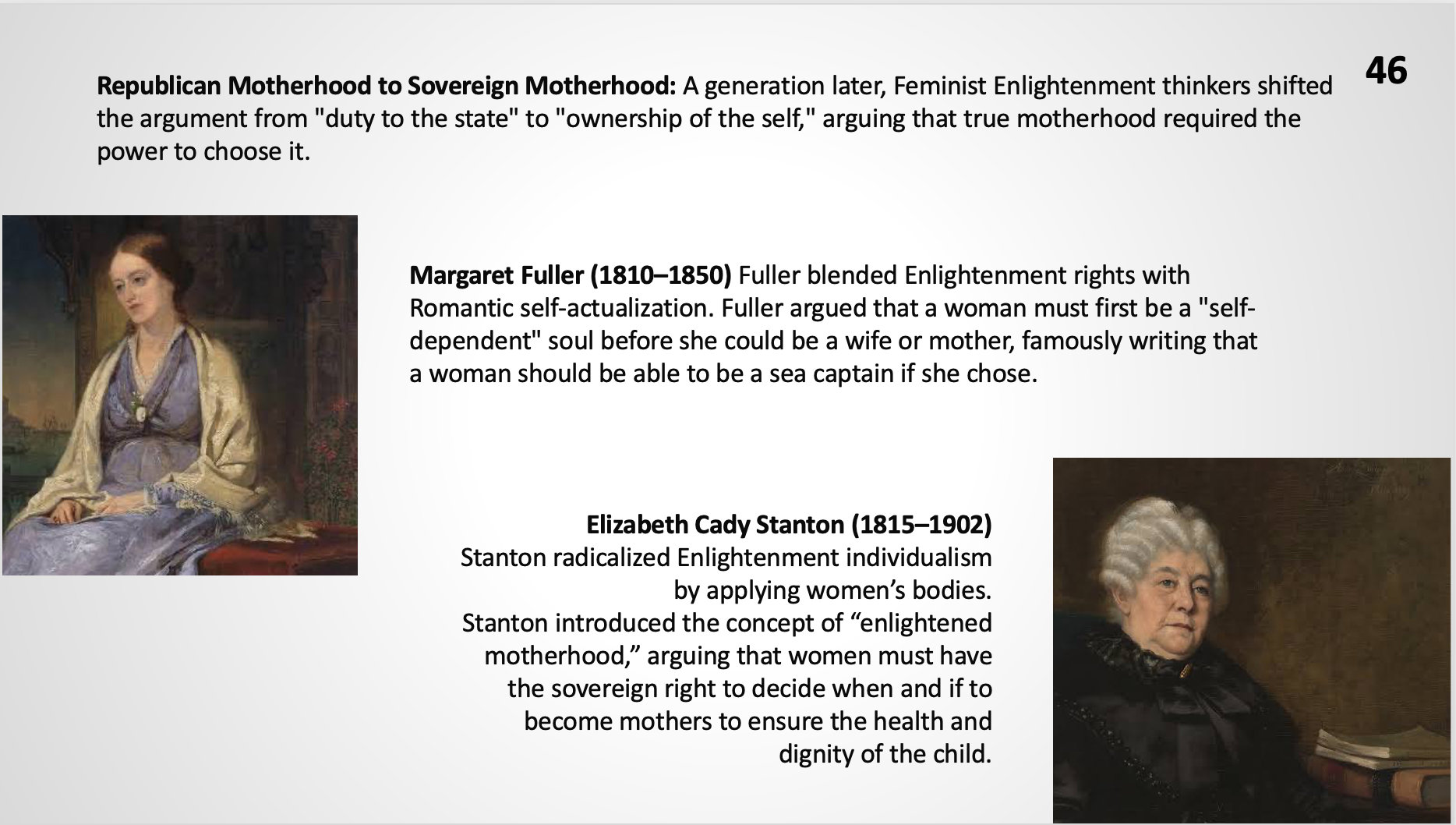
46 – Always grounded in the relation of self to others – and focusing on the ways in which we are always mutually constituted within such relationships – Feminist Enlightenment Philosophy in the nineteenth century retained the powerful critique of injustice at the heart of the project – without succumbing to the abstractions and coercions that beset nineteenth-century Utilitarianism, the most important British inheritor of the Enlightenment tradition. Feminist philosophers never developed the panopticon –
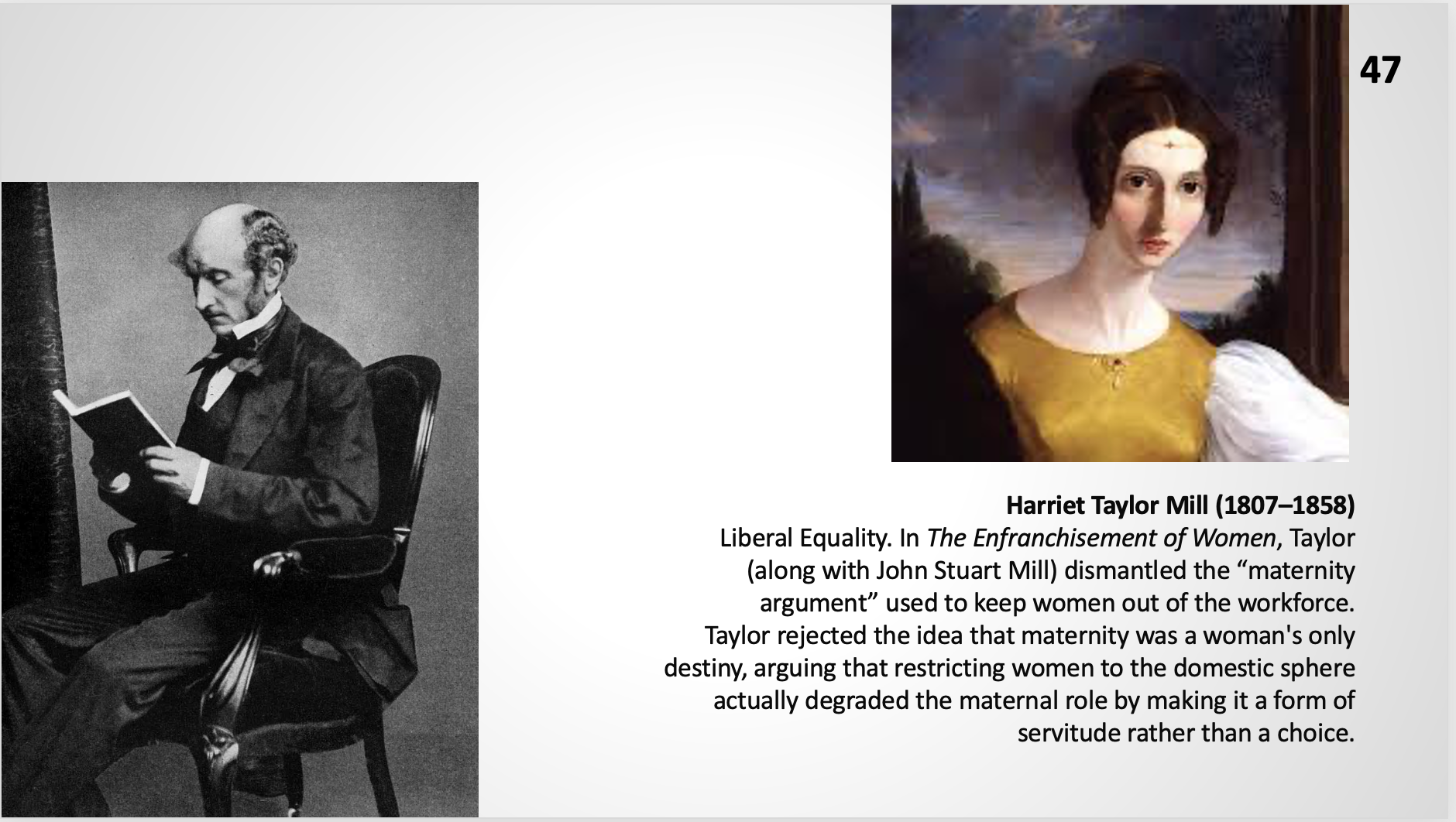
47 – The power of the Feminist Enlightenment – and its ability to overcome the limitations of the Utilitarian version – can be seen in the remarkable collaboration between John Stuart Mill and Harriet Taylor. – Mill was raised as a “reasoning machine” under a rigorous, solitary educational regime designed by his father, James Mill, and Jeremy Bentham to create the ultimate utilitarian prodigy. From the youngest age, he was subjected to a disciplined curriculum—learning Greek at three and Latin at eight—while being strictly shielded from other children and denied holidays to prevent “idleness”. This emotionally sterile upbringing, which Mill later described as an “education of fear” rather than love, led to a severe mental breakdown at age 20 – but his life and work changed when he met Taylor –
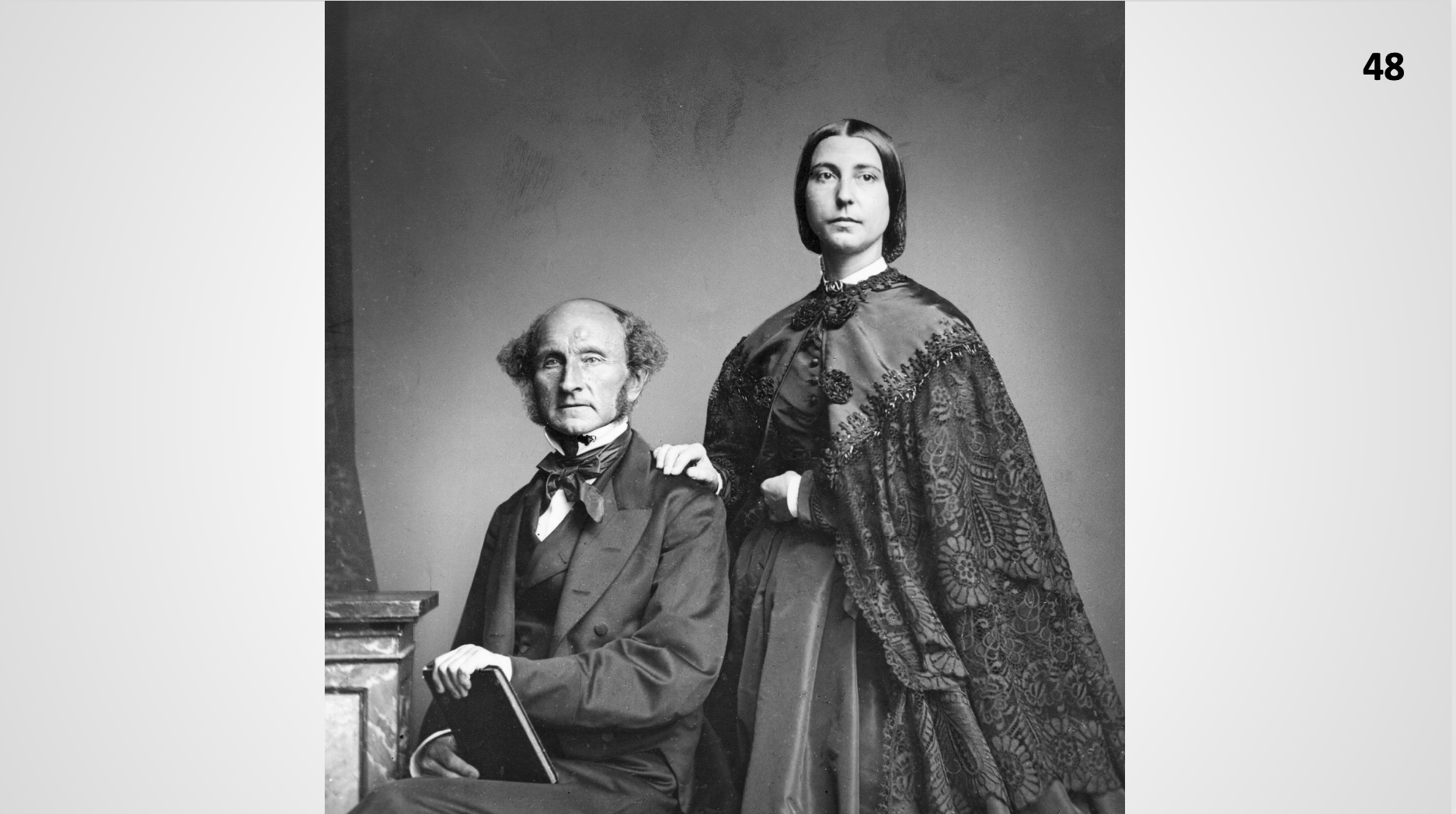
48 – Mill explicitly credited her as a co-author of his landmark work On Liberty (1859), describing it as a “joint production” where every sentence was mutually reviewed. Together, they co-authored a series of newspaper articles in the 1840s and 50s condemning domestic violence, and Harriet’s radical perspectives on gender equality and socialism were pivotal in revising Mill’s Principles of Political Economy and shaping his later essay, The Subjection of Women – and also to his work on the equality between the races – Taylor and Mill together recaptured the revolutionary – intersectional – potential of Enlightenment thought of the eighteenth century –
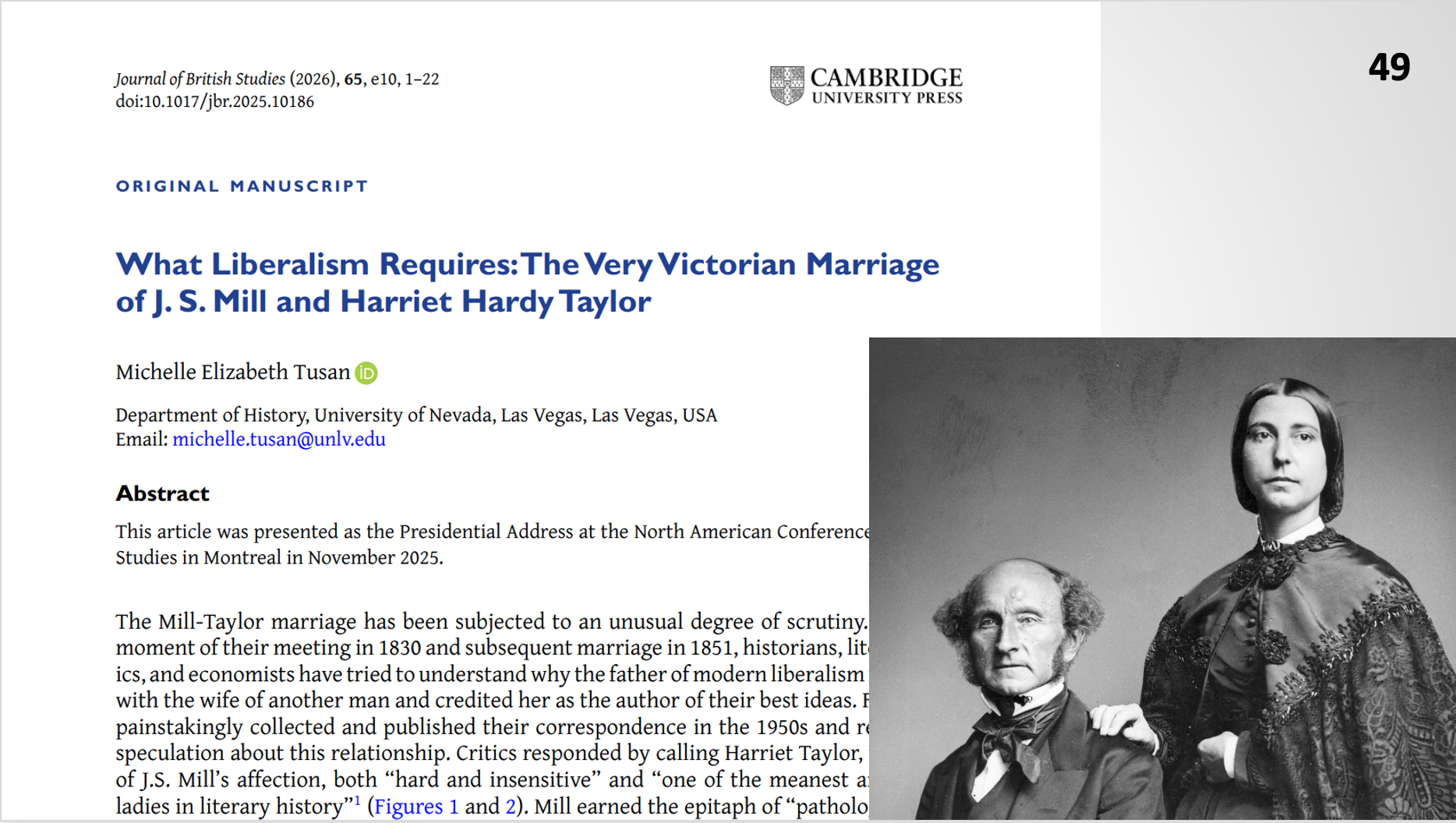
49 – All of this is discussed in Michelle Tusan’s work – where she also explains why – if they were so collaborative – and Mill was so forthright about their work being theirs together – how was Taylor so eclipsed
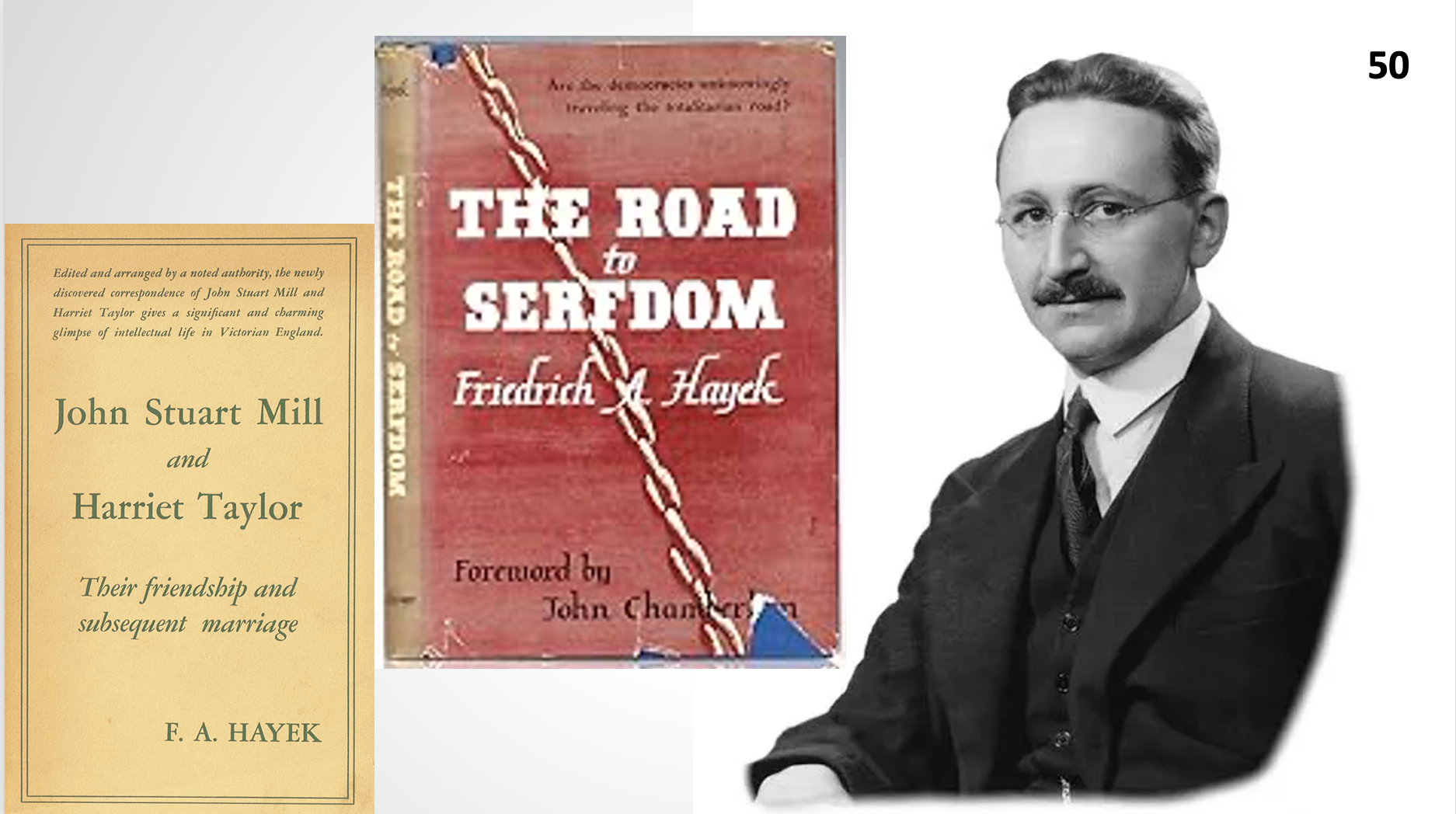
50 – The answer, she found, was Friedrich Hayak – the author of the Road to Serfdom – the individual who argued against socialism strenuously after the end of World War II – and for libertarian individualism – Before he wrote the Road to Serfdom, he made the first and only edited collection of the letters of Mill and Taylor – but he did it to read her out – to purge her influence from Mill’s thought, which he said was corrupting and feminizing – he needed a heroic masculine figure to be the voice for his utilitarian liberalism in the later nineteenth century – and he retrofit Mill for that project by denying Taylor’s ideas and importance.
Hayak wrote the manifesto for neo-liberalism, but he had to read feminism out of the enlightenment tradition in order to do so.
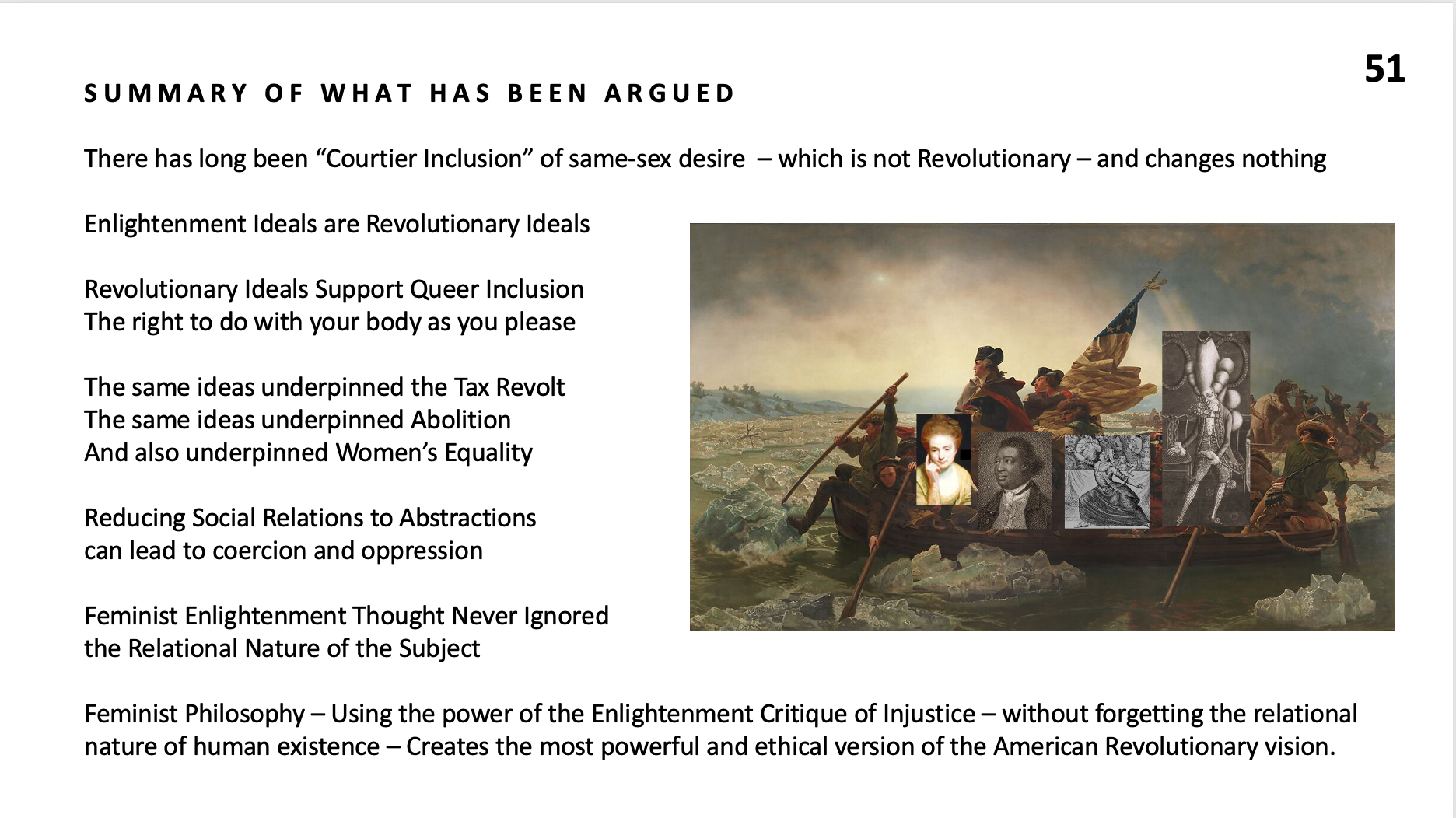
51 – So what have we learned: [read the slide out loud]
…It is, after all, not our desires that make us ethical – or our gender – or our race – or our economic status – but those of us who have been stigmatized by those things – and treated as less than because of them – Can be more attuned to the injustice of prejudice –
The great message of Intersectional Feminism is that We’re all potentially oppressors – and all potentially oppressed – we have to understand each situation in all its complexity – and constantly explore our actions and motivations – and not assume – as the nineteenth-century Utilitarians who built the panopticon – or the political economists who followed Ricardo – that one set of solutions is timelessly right, and can be applied to people without their consent –
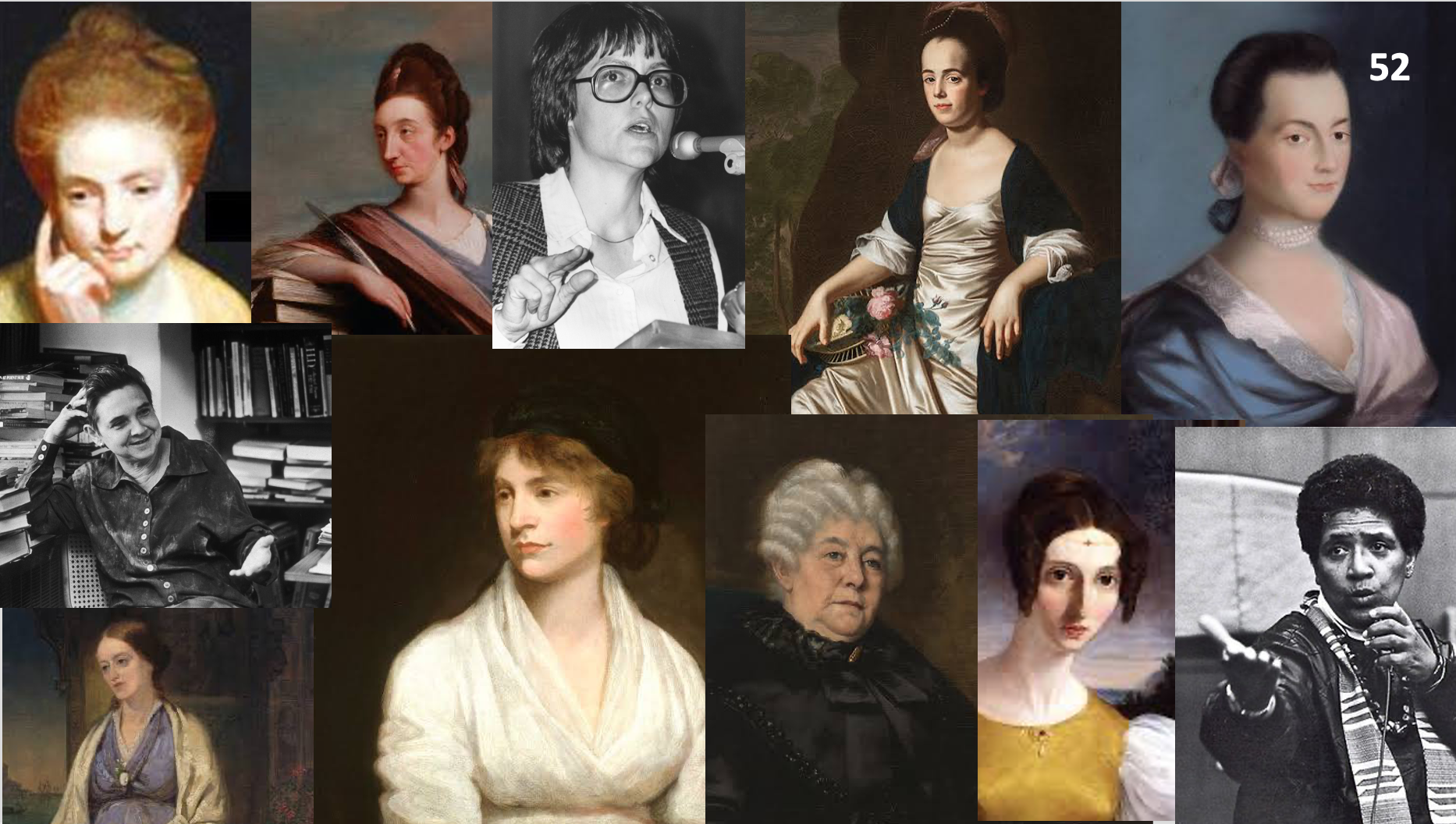
52 – But Feminists have been saying this since the start of feminism – since the start of the Enlightenment – and saying it most clearly and forcefully since the 1970s – taking those ideals first propagated in 1688, and enshrined in 1776 – and ensuring that those Revolutionary ideas have their most ethical implementation in the circumstances of each unique time and place.
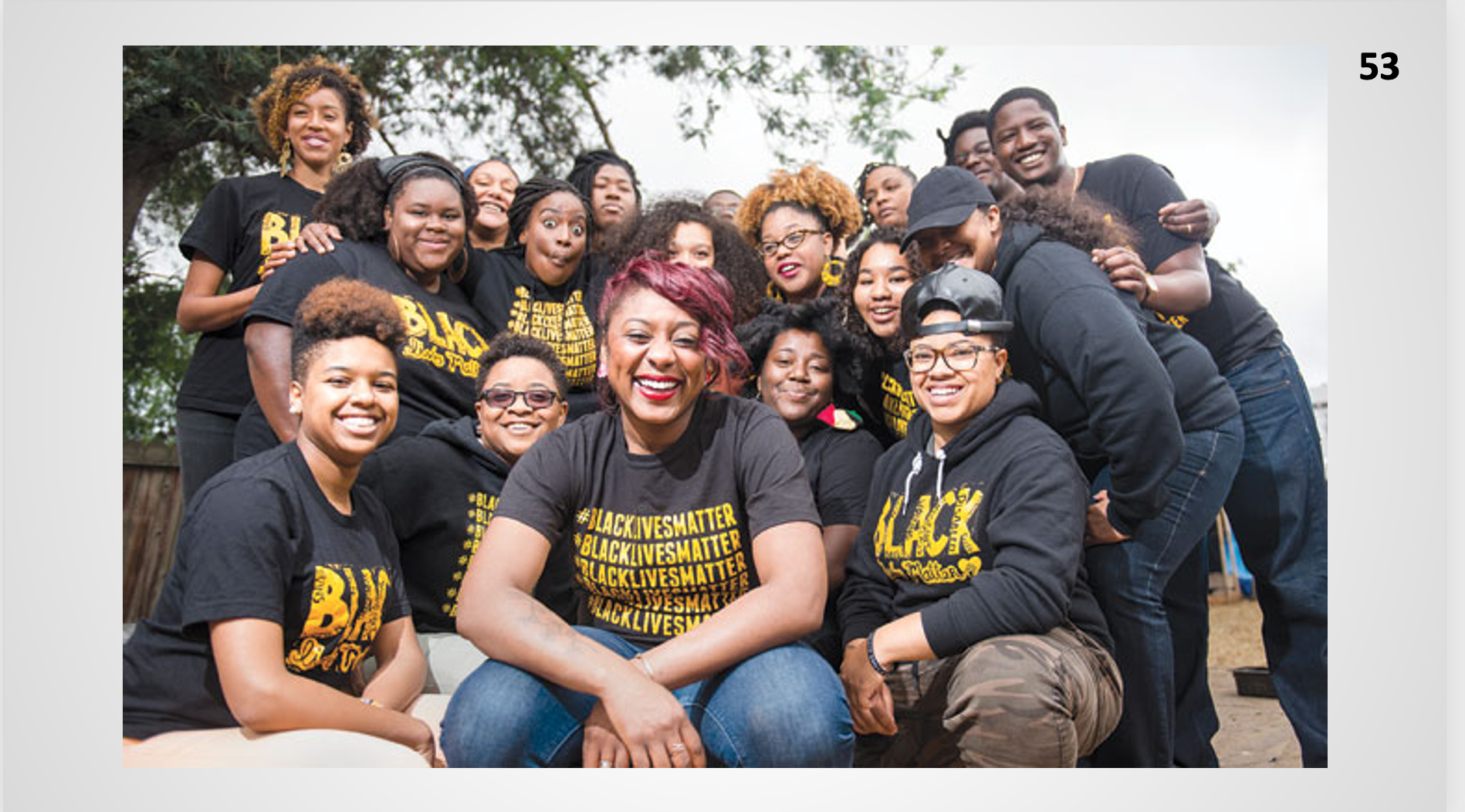
53 – That spirit of critique of injustice – at the heart of the American Revolution – energized by Enlightenment philosophy – kept ethical by foregrounding interpersonal relations within feminism – this spirit of critiquing injustice is alive today – most recently and forcefully in the Black Lives Matter movement –
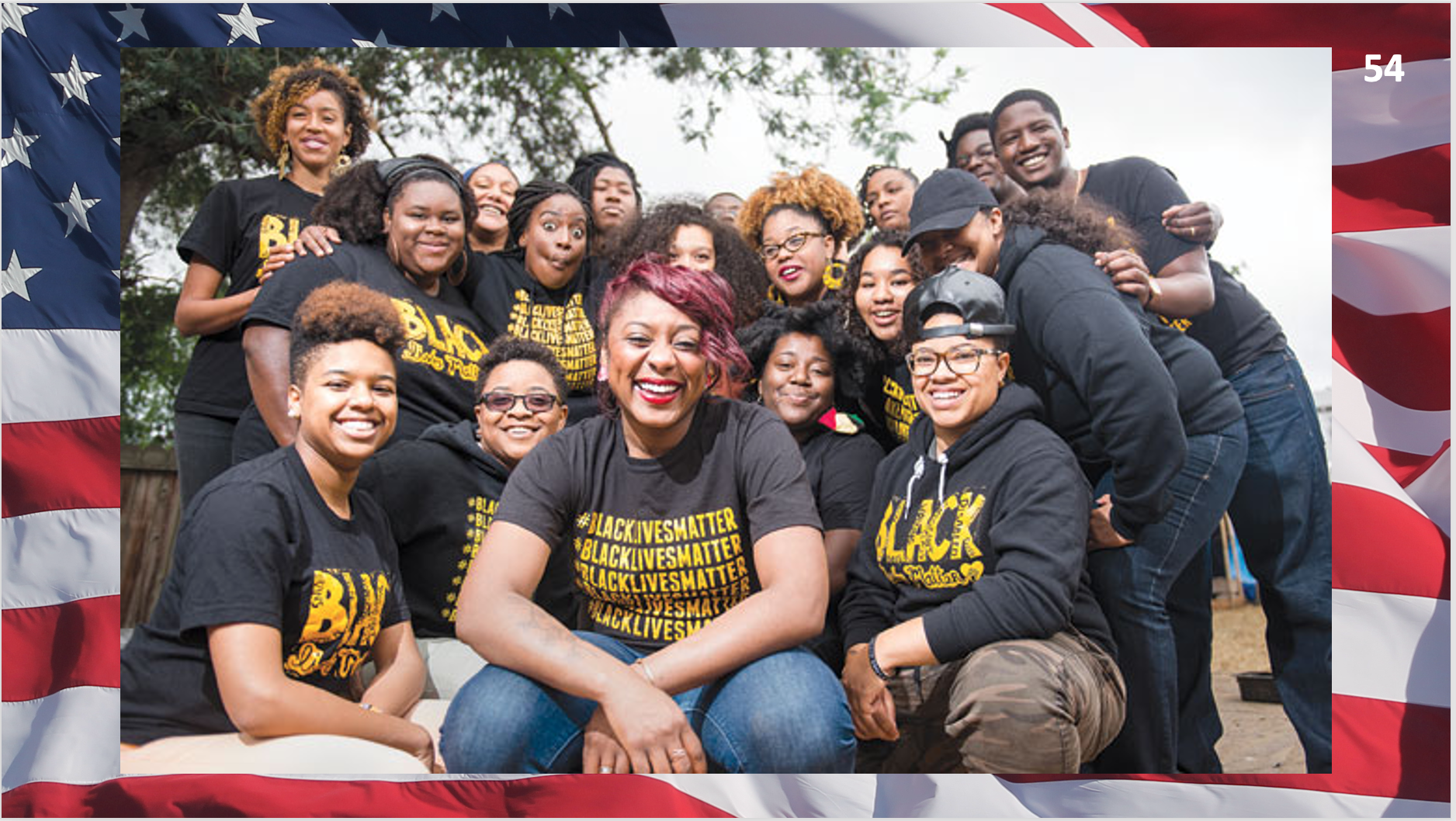
54 – Fiercely opposed to injustice – intersectional from the start – Few movements so manifest the spirit of the American Revolution at its best – the relentless critique of injustice, and the determination to address it, no matter the cost –
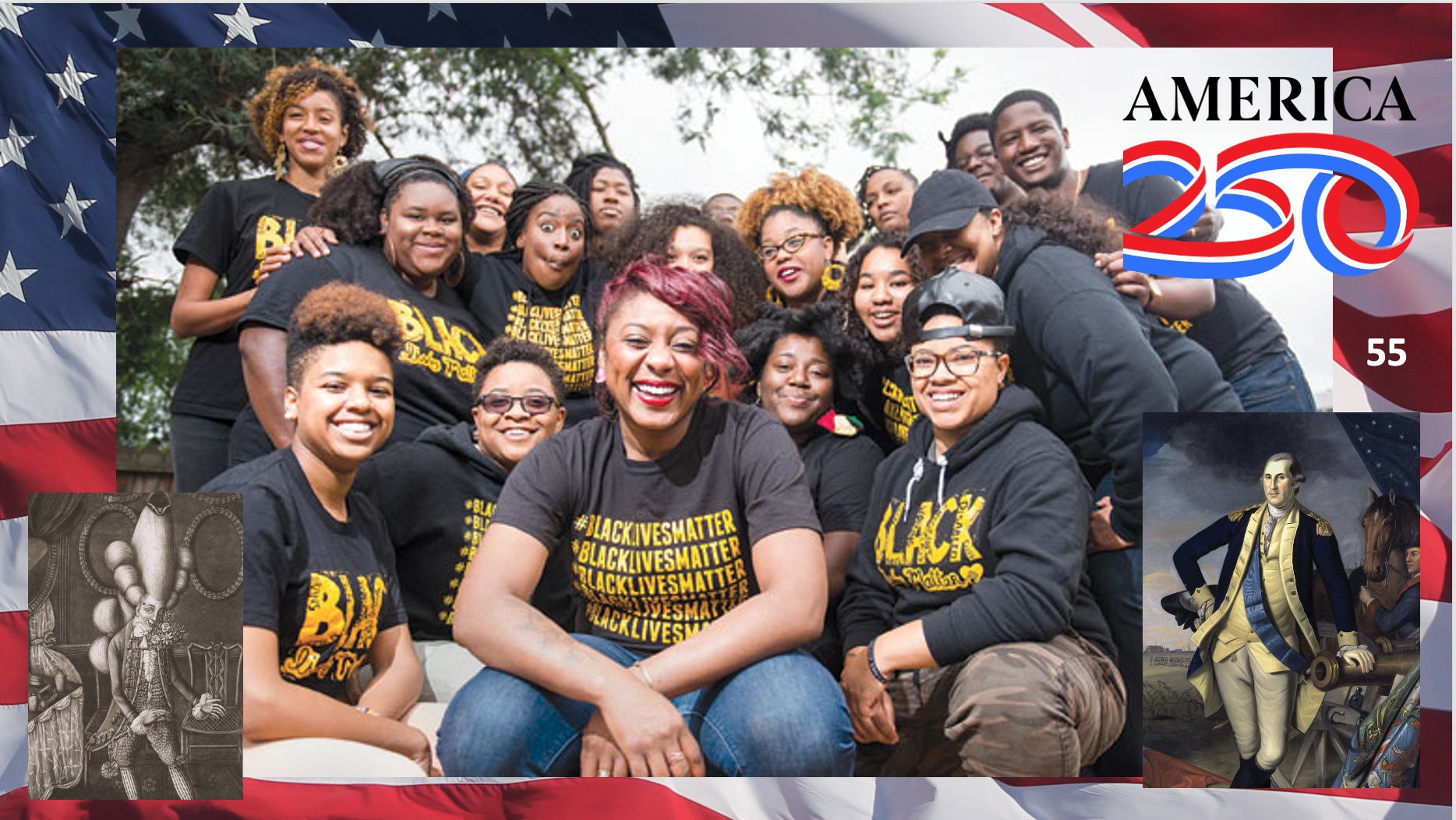
55 – At a time when there a so many reasons to be pessimistic – we can take heart that in a country that can spawn the Black Lives Matter movement – the qualities that make America great are alive and well – Thank you.


Pingback: Recent Research: the British Queer History of the American Revolution – Projects in History