Charles Upchurch is a Professor of British history at Florida State University. He received his Ph.D. from Rutgers University in 2003, and his research focuses on nineteenth-century British gender history, social and cultural history, and the history of sexuality. His latest book, Beyond the Law”: The Politics of Ending the Death Penalty for Sodomy in Britain, published in 2021 by Temple University Press, investigates men who worked to reduce the penalties for sex between men in the first half of the nineteenth century, culminating in a previously unknown series of Parliamentary debates in 1840 and 1841. Some of the individuals involved were prominent writers, some were politicians, and some spoke of same-sex attraction as natural, as written in their character since birth. The book tells the story of these men’s political actions, and the familial and social networks that made those actions possible. His previous book, Before Wilde: Sex Between Men in Britain’s Age of Reform, explores the ways in which class influenced the interpretation of same-sex desire between 1820 and 1870, placing family reactions at the center of the narrative, in order to better understand how these acts were thought of within the broader culture. He has served as a Distinguished Academic Patron of LGBT History Month in the United Kingdom, a Scholar in Residence at the Center for Lesbian and Gay Studies at the Graduate Center of the City University of New York, and as the President of the Southern Conference on British Studies.
Does your town, city, or organization need a LGBTQ history talk celebrating the 250th Anniversary of the American Revolution, emphasizing what unites us all as Americans? I’ve developed (and presented) two, they can be found here and here, and I’m making them freely available to anyone who wants to use them (I’ll send you the PowerPoints, or invite me, and I can deliver one in person).
The values at the core of the tax revolt that led to the American Revolution are the same as those at the center of the calls for justice around race, class, gender, and sexuality. These lectures celebrate the radical ideas at the heart of the American Revolution, telling that story in a way that stresses what brings Americans together across the political spectrum.
Please share this if you think it’s worthwhile. Contact me to receive the PowerPoints and text for either lecture (or if you would like to discuss my delivering one of them in person).
1 Thank you all for coming – I’m so glad to be a part of Pridefest again this year, and to share some of what I’ve learned about LGBTQ history with our community
2 I would also like to thank Brandy Vance, Don Diaz Johnston, and entire Pridefest Organizing Committee for sponsoring and advertising this event – and also the Carepoint Health and Wellness Center for hosting it
3 Tonight’s presentation is a part of my continuing my exploration of the American Revolution as a part of British and American queer history – Part of that argument is that you can’t really understand why the Revolution is queer until you put these two stories – the American and the British – together, as they were at the time.
4 And this year’s Pridefest theme is Better Together – and this talk takes its inspiration from that theme, although not primarily by the focus on the links between the US and the UK.
5 The two things that are better together that I focus on in this talk are LGBTQ+ people and Feminists – Most queer history shows that this has been true from the 1970s forward – and my research into the American Revolution has shown just how far that connection goes back – and how profoundly important it is.
6 As I’ve been investigating the history of the American revolution, on both sides of the Atlantic – I’ve been finding a lot of examples of individuals who expressed same-sex desire – some of whom did so quite openly – And I’ve also been struck by how much issues of same-sex desire, gender nonconformity, and transing gender made it into the public sphere in the eighteenth century.
7 Earlier research – starting in the 1970s – celebrated finding any such individuals – and used them as proof that we have always been visible – and that was and is a great project – and a very necessary one – One of the pioneers of that project – Rictor Norton – got his PhD at FSU in the early 1970s, in the English department, and did both activist and academic in Tallahassee – All subsequent scholarship builds from and stands on the shoulders of those who came before –
8 But as we get more and more examples – we’re able to discern patterns in the material that weren’t visible before – and make more sophisticated arguments – We’ve been able to do that now – for a while – with material from the late nineteenth century forward – That’s where most of the energy in the field of LGBTQ history has been – But we can now also do this for the eighteenth century.
9 We can document a wide range of ways that individuals thought about themselves in relation to their desires in the eighteenth century – But for the purposes of this talk, I’m going to focus on two in particular – that were both quite public – and both related at the highest levels to the American Revolution – they represent, I argue, two very different paths to what we might think of as queer inclusion – as experienced by Lord George Germain – who coordinated all military policy for the British during the American Revolution – and Friedrich Wilhelm von Steuben – who trained the revolutionary army at Valley Forge –
Each man played a central role in the war effort – Each man was publicly known for his sexual attractions to other men – But the fact that one was a British Courtier – and the other an American Revolutionary – led to different ways of understanding their desires for those around them – and different consequences resulting from them.
10 That distinction becomes clear when we put these two men in dialogue with the feminist Enlightenment arguments – made and developed since the late seventeenth century – by individuals beginning with Mary Astell – who used Enlightenment ideas to discuss what the proper relationship was between the individual and the society – we can trace a continuous line – from Astell – to 1776 – to later feminist philosophers such as Mary Wollstonecraft and Harriet Taylor – to the arguments for the tolerance of homosexuality in the late nineteenth century – to the homophile activism of the post-World War II period – to Queer Liberation of the 1970s – to the most important LGBTQ activism of the present day –
11 – To demonstrate this contrast – between Courtier and Revolutionary inclusion – and the role of Enlightenment Feminist thought in helping to shape the best version of queer and trans inclusion – this talk is going to first explore these two contrasting examples – of Lord George Germain and Baron Von Steuben – to get a sense of two ways in which one might live reasonably openly as a queer person in the eighteenth century – Then, it will show us how the same Enlightenment Ideals that inspired the American Revolution also support a version of queer inclusion – Then, it will be shown how Enlightenment ideals can also lead repressive systems, as well as revolutionary ones, but it is the specifically the feminist interpretation of Enlightenment ideals that provides the most effective and ethical implementation of that Revolutionary ideology. This will be shown through a range of examples – concluding with an argument over how this understanding helps us to make better choices in the present in relation to LGBTQ+ activism today.
12 First: The Royalist / Courtier Inclusion – Lord George Germain (born Sackville) is remembered primarily for two failures: his actions at the Battle of Minden in 1759 (which some defended, and others used to brand him a coward) and his management of the American War of Independence, as Secretary of State for the American Department, from 1775 to 1782. Also, though, before either of these two incidents, private life attracted intense scrutiny. While he was married and fathered five children, Germain was frequently the subject of “gossip regarding his intimate relationships with men.
13 The most explicit contemporary allegations stemmed from his time in Ireland. Critics and satirists linked Germain to a specific circle of powerful men, most notably George Stone, the Anglican Archbishop of Armagh, and Robert Cuninghame. The relationship between these men was fodder for the era’s sharpest wit, Horace Walpole. Walpole satirized their alleged sexual triangle, writing: “Religion is now become a mere farce / Since the head of the church is in Cunningham’s arse”.
14 Walpole is an amazing individual – Son of the first Prime Minister – MP – knew everyone – this collected letters span 47 volumes – wrote the first Gothic Novel – the Castle of Otranto – Built Strawberry hill – you could tour it & see where novel scenes took place – buy his tourist guide today – no smoking gun, but very queer – and many queer friends.
15 One of them was Anne Damer – a sculptor of amazing talent – she was promote and protected by Walpole – Also individuals like the circle of British artists and expats – living in Rome – Thomas Patch, most prominent among them –
16 The most significant relationship defining Germain’s later years was with Benjamin Thompson (later Count Rumford), a brilliant but opportunistic American loyalist who fled to London. Upon his arrival, Thompson famously charmed Germain, quickly securing a position as his Under-Secretary of State. The speed of Thompson’s ascent and the intimacy of their domestic arrangements—they lived together, and reportedly ate every meal together, including breakfast—fueled widespread speculation, The future Marquess Wellesley derisively referred to the young American as “Sir Sodom Thompson” – which stripped away any ambiguity about how their relationship was perceived by the ruling class. Critics viewed Thompson not just as a protégé but as the “beautiful warrior” who functioned as Germain’s unofficial domestic partner. This relationship was particularly damaging because many believed Thompson’s rapid promotion to Lieutenant Colonel of the King’s American Dragoons was a romantic favor rather than a meritocratic appointment.
17 Similar aspersions were cast on Germain’s patronage of the playwright Richard Cumberland. When Germain appointed Cumberland to the Board of Trade, the diarist Hester Thrale (a confidante of Samuel Johnson) noted the appointment with a mixture of skepticism and insinuated vice. She described Cumberland as a “profess’d favourite” of Lord George, adding: “Effeminancy is an odious quality in a He creature, and Cumberland did like the Masculine gender best”. Thrale’s comments reinforce the pattern: Germain surrounded himself with younger, often “effeminate” or ambitious men, and his contemporaries consistently interpreted this through the lens of sexual attraction.
18 It is difficult to disentangle the attacks on Germain’s sexuality from the attacks on his competence. After his court-martial for the Battle of Minden—where he was declared “unfit to serve His Majesty in any military Capacity whatever”—he was already a pariah. In the 18th century, accusations of sodomy were often weaponized to further destroy the character of politically vulnerable men. However, the consistency and specificity of the rumors surrounding Germain—spanning decades, from the Irish “triumvirate” with Stone and Cuninghame to his later years with Thompson—suggest they were more than generic political slander
19 Despite the fervor of the rumors, Germain maintained a traditional aristocratic life. He legally changed his name from Sackville to Germain in 1770 to inherit the Drayton estate, a condition of the bequest. His marriage produced heirs, securing the Sackville line. Yet, historians largely agree that his emotional life was oriented elsewhere. He inhabited a “homosocial world” of riotous parties and intense male friendships, distinctly lacking in known mistresses—a rarity for a man of his station in that era
20 Ultimately, Germain’s story shows how – so long as you remained loyal – you could survive and even thrive – He was loyal to the King – and the King’s faction – and this allowed him to flaunt other rules of convention – in 1782, he was promoted to the House of Lords, despite losing the war – He was still in good with the King and other elite men – despite his sexual tastes, and everything else…
21 Revolutionary Understanding – So what about Friedrich Wilhelm von Steuben? His military pedigree was impeccable. Born in Prussia, in 1730, he served as an aide-de-camp to Frederick the Great, a monarch whose own sexual attraction to men was an open secret in European courts. This environment, described by historians as having a distinct “queer subculture,” likely allowed Steuben to navigate his sexuality with some degree of freedom during his early career.
22 However, he was dismissed from the Prussian military for reasons that remain unclear – and in 1777 an anonymous letter accused Steuben of having “taken familiarities with young boys.” – Ken Burns, sadly, privileged this one direct written accusation, rather than all the other evidence that he preferred military men, and not boys—ignoring the malicious nature of the accusation— Facing prosecution because of this accusation, Steuben was forced to flee his homeland.
23 Steuben arrived in Paris in search of a new commission, eventually meeting Benjamin Franklin, the American ambassador. Franklin was tasked with recruiting military talent for the floundering Continental Army. Franklin and his colleague Silas Deane were aware of what was said about von Steuben; the rumors were circulating in the very diplomatic circles they frequented.
24 – Even so, Franklin recognized Steuben’s genius for organization and discipline—qualities Washington’s army desperately lacked. Franklin gave von Steuben a glowing recommendation to Washington.
25 Arriving at Valley Forge in February 1778, Steuben walked into a humanitarian and logistical disaster. Yet, it was here that he found both his greatest professional success and his most significant personal relationships. As he drilled the freezing soldiers into a professional fighting force—creating the “Blue Book” manual that would guide the U.S. Army for decades—he surrounded himself with a “military family” of young officers. This included, according to some accounts, of a dinner party for young officers where attendees were requested to come in ripped trousers.
26 Steuben formed an immediate and intense bond with two aides-de-camp in particular: William North and Benjamin Walker. The relationships between Steuben and these men went far beyond professional courtesy. Upon meeting Walker, Steuben reportedly exclaimed, “If I had seen an angel from Heaven I should not have more rejoiced”. He legally adopted both men, a practice often used by gay men in the 18th and 19th centuries to ensure their partners could inherit their estates without the legal option of marriage
27 The surviving correspondence between Steuben, North, and Walker provides the strongest evidence of their romantic intimacy. While 18th-century male friendship often employed florid language, Steuben’s letters possess an erotic charge that defies platonic interpretation. In one 1780 letter to Walker, Steuben wrote, “I expect you with the impatience of a lover for his mistress”. In another, he pleaded, “I enjoy not a moment’s tranquility until I hold you in my arms”
28 These letters suggest a domestic dynamic where Steuben viewed North and Walker not just as subordinates, but as life partners. The trio lived together in the “Baron’s House” at Valley Forge and later in New York, forming a stable, cohabitating unit that mirrored a family structure. When the war ended, Steuben did not seek a wife; instead, he retired to a farm in upstate New York, where he continued his life with his adopted heirs
29 Steuben died in 1794, leaving his estate to North and Walker, explicitly excluding his blood relatives in Europe—a final testament to the primacy of his chosen family. For nearly two centuries, biographers sanitized his life, erasing the romantic nature of his relationships or dismissing them as “eccentric bachelorhood” – But these aspects of his life were more honestly addressed in his own day – When you look at those around von Steuben, especially once he came to the 13 colonies – we see more than tolerance with distain, or inclusion as a fellow member of the elite, for whom different rules apply – as you do with George Germain and those who surrounded him in courtier circles – There is something in the interactions that seems more like acceptance – I’ve been finding this in fragments –
30 – So far, the best and most complete exploration for the reason why – I think – can be found in recent book by John McCurdy – Vicious and Immoral – This is an in-depth study of one individual – Robert Newburgh, an Anglican priest in the British Army – stationed in the 13 colonies on the eve of the American Revolution – Rumors spread that he was a sodomite – but he was an officer, and he was accused by another officer – which meant that this wasn’t a simple situation to resolve – each man’s honor had to be respected – and so a commission of enquiry was held – where dozens of individuals were questioned about what they understood of Newburgh’s behavior, dress, and overall character, as well as that of his accuser. One of McCurdy’s most important findings was that those who supported the Revolution were also more likely to support the Rev. Newburgh – The ideals of the revolution – and of limited government – also supported the right of an individual to do as they pleased with their own body – limited government meant anything not explicitly ceded to authorities remained in the private realm of the individual – folks who accepted the political side of that argument were also more likely to accept the personal side.
31 – And this sort of connection – between the personal and the political, had been true of interpretations of Enlightenment thought since the late seventeenth century – especially in those interpretations written by women – most forcefully, early on, in the writings of Mary Astell –
32 – To understand the revolutionary nature of Astell’s synthesis of liberalism, we have to understand just what happened in 1688 in Britain – in Britain’s Glorious Revolution – and just what a break it was – at least potentially – with all past precedent –
33 – Before 1688, the rich and powerful had always ruled – States had been based on hereditary rights for centuries – religion was based on dogma that was interpreted for you by others in the Anglican hierarchy. Ruling philosophies supported the powerful –
34 – But the powerful became divided – and one group of oligarchical Whigs – to keep a Catholic off the throne, broke the rules that sustained the elite – and held a coup that broke the line of legitimate succession. They needed a new philosophy of the state to justify what they had done – and so the ideas of John Locke (in the pay of one of the Whig Oligarchs making the coup) were published and propagated, in support of what had been done. Locke argued that the coup was not a coup, because sovereignty resided in the individual – and that the state was a contract amongst equal and sovereign individuals, who each ceded a portion of their sovereignty to make the state, to bring about collective ends – Everyone was born equal – Ambitious kings had overturned this previous natural state of society, and so what occurred was not a revolution, but a restoration of the right state of society
35 – It was a beautiful argument, although also only window dressing for one powerful group supplanting another. The Whig Oligarchs wanted this exception to apply to only that one act of usurpation that benefited them. Otherwise they wanted to continue the previous practices of slave trading, subordinating women, executing men for sodomy, and stacking all laws to advantage the propertied and powerful. Their version of the Glorious Revolution was a limited coup – Let’s just keep the Catholic off the throne, everything else stays the same.
36 – Mary Astell was one of first to publicly say NO to this – In part it was because she was privileged in many ways – she was white – literate – and had powerful friends – but she was also subject to discrimination and injustice – as a women – a theme she powerfully explored in her written work – She used the logic and ideas of Locke – which could not be dismissed by her critics, because they underpinned the state – and were central to the justifications of the state – to question injustices that were done to her and all women – If these are the rules by which we are governed – she asked – then why is these other things allowed – “If all Men are born free, how is it that all Women are born slaves?”
37 Abolitionists picked up on this, fostering their own arguments on the injustices of Atlantic slavery – as did an expanding group of other feminists, questioning the laws that restricted women in so many aspects of their lives – other individuals argued that they had the right to do as they pleased with their bodies, so long as they hurt no one else – and still others, with less property and power than those who controlled the British state and the British Empire, also wrote against those who attempted to take their property – through taxation – in ways that violated the rules by which society was to operate. They all used the same language of liberty – and the same appeal to Lockean and Enlightenment ideals – to call for justice – throughout the eighteenth century – Some of these groups could more easily see the disabilities placed on them, rather than the privileges that they enjoyed over others – but the public debates that occurred, in the free press that was established after 1688 – could move minds, and raise awareness.
This slide, by the way – is not a non-sequitur – it’s one of the most fun examples that I’ve found of using Enlightenment ideas to underpin personal freedom in relation to sexuality in the 18thc – Ship’s surgeons keep popping up in my material – Their educated in enlightenment ideas – they see the world – and different social systems – and they are surrounded by an all-male culture of relatively fit men – when caught with other men, they often use enlightenment ideals to justify their actions – No less than Daniel Defoe noticed this – folks have been doing queer readings of the relationship between his Captain Singleton & his ships surgeon for decades – Like Von Steuben and his favorites, Singleton & his surgeon live happily together at the end of the novel – its coded, but still quite queer…
38 – In the talk I gave last year – I explored how these ideas underpinned the American Revolution – And how the same philosophy that underpinned the tax revolt of the American colonists – was exactly the same set of ideas that could be used by women – and by the enslaved – and by those who wanted to live an authentic life through a gender that they were not born into – The same ideas underpinned all these critiques – The ideals were and are still the most powerful toolkit for challenging injustice – adopted in a highly encumbered form in 1688 – were enshrined in a more pure form in 1776, even as fatal compromises were made to accommodate them to entrenched social arrangements.
39 – But one thing I’ve learned since then – that it’s not just Enlightenment ideas – but it’s specifically the feminist implementation of them – that is truly Revolutionary – and which has the greatest capacity to curb their excesses. And to harness their revolutionary potential for social good, rather than selfishness. And this has been true for as long as these ideas have been in circulation.
40 – After all – libertines took these same ideas from Locke – and reached the same conclusions in relation to their personal life – As men of wealth and privilege, libertines argued to be subservient to traditional morality was cowardice, and that they should push the boundaries of pleasure and self-indulgence – they styled themselves as champions of liberty – without much thought to those they hurt along the way. They were known as much for their misogyny, violence, and class privilege as anything else. Enlightenment ideas and the quest for liberty could foster self-indulgence and harm to others in the eighteenth century –
41 – And in the nineteenth century – Enlightenment thought could lead to extreme forms of abstraction – reducing individuals to numbers and statistics – resulting in prisons like the panopticon – which rationally sought to tear down the individual – and remake them – or the political economy of David Ricardo, that reduced human misery to cold calculations, developing the “iron law of wages” which justified paying workers the bare minimum for survival, and nothing more –
42 – Rationalist, Enlightenment-inspired plans throughout the nineteenth century were used to grid and map the colonized world – and discount the stated needs of others in favor of the demands of political economy – and rational, technocratic governance. Many scholars have written about how while the eighteenth-century Enlightenment was often anti-imperial, this changed as the decades progressed – with more negative and coercive aspects coming to the fore in the nineteenth and twentieth centuries – Horkheimer and Adorno go so far as to find the Enlightenment philosophies responsible for some of the worst excesses of 20th century violence and exploitation –
43 – But the Feminist versions of the Enlightenment never fell into this trap – from the start – From Astell – to Sarah Chapone – to Mary Chudleigh – to Catharine Macaulay – to Mary Wollstonecraft – to Harriet Taylor – feminist philosophers always wrote about the relationship of individuals to each other, and the reciprocal obligations between individuals – most often at the center of this analysis was the issue of motherhood, and how it and other social relationships impacted the lived experience of Enlightenment philosophy –
44 – There is no disembodied cogito in feminist theory, as we have with Descartes – no rational subject divorced from all social context – Autonomous and unencumbered – Building from motherhood, feminist philosophers knew that such a subject only came about after decades of care and attention from a community of individuals – and from mothers first and foremost –
45 – the Feminist Enlightenment never forgot that we are all born helpless and dependent on others – and many of us die that way as well – Any philosophy that ignores that is built on unacknowledged labor – with the denial of such a debt itself an injustice – spawning intellectual inconsistencies in the argument as a result of the need to deny the obligations. Masking the subordination of others in its structuring premises – the necessary work of women, families, and communities – it might natural lend itself to oppressive conclusions…
46 – Always grounded in the relation of self to others – and focusing on the ways in which we are always mutually constituted within such relationships – Feminist Enlightenment Philosophy in the nineteenth century retained the powerful critique of injustice at the heart of the project – without succumbing to the abstractions and coercions that beset nineteenth-century Utilitarianism, the most important British inheritor of the Enlightenment tradition. Feminist philosophers never developed the panopticon –
47 – The power of the Feminist Enlightenment – and its ability to overcome the limitations of the Utilitarian version – can be seen in the remarkable collaboration between John Stuart Mill and Harriet Taylor. – Mill was raised as a “reasoning machine” under a rigorous, solitary educational regime designed by his father, James Mill, and Jeremy Bentham to create the ultimate utilitarian prodigy. From the youngest age, he was subjected to a disciplined curriculum—learning Greek at three and Latin at eight—while being strictly shielded from other children and denied holidays to prevent “idleness”. This emotionally sterile upbringing, which Mill later described as an “education of fear” rather than love, led to a severe mental breakdown at age 20 – but his life and work changed when he met Taylor –
48 – Mill explicitly credited her as a co-author of his landmark work On Liberty (1859), describing it as a “joint production” where every sentence was mutually reviewed. Together, they co-authored a series of newspaper articles in the 1840s and 50s condemning domestic violence, and Harriet’s radical perspectives on gender equality and socialism were pivotal in revising Mill’s Principles of Political Economy and shaping his later essay, The Subjection of Women – and also to his work on the equality between the races – Taylor and Mill together recaptured the revolutionary – intersectional – potential of Enlightenment thought of the eighteenth century –
49 – All of this is discussed in Michelle Tusan’s work – where she also explains why – if they were so collaborative – and Mill was so forthright about their work being theirs together – how was Taylor so eclipsed
50 – The answer, she found, was Friedrich Hayak – the author of the Road to Serfdom – the individual who argued against socialism strenuously after the end of World War II – and for libertarian individualism – Before he wrote the Road to Serfdom, he made the first and only edited collection of the letters of Mill and Taylor – but he did it to read her out – to purge her influence from Mill’s thought, which he said was corrupting and feminizing – he needed a heroic masculine figure to be the voice for his utilitarian liberalism in the later nineteenth century – and he retrofit Mill for that project by denying Taylor’s ideas and importance.
Hayak wrote the manifesto for neo-liberalism, but he had to read feminism out of the enlightenment tradition in order to do so.
51 – So what have we learned: [read the slide out loud] …It is, after all, not our desires that make us ethical – or our gender – or our race – or our economic status – but those of us who have been stigmatized by those things – and treated as less than because of them – Can be more attuned to the injustice of prejudice –
The great message of Intersectional Feminism is that We’re all potentially oppressors – and all potentially oppressed – we have to understand each situation in all its complexity – and constantly explore our actions and motivations – and not assume – as the nineteenth-century Utilitarians who built the panopticon – or the political economists who followed Ricardo – that one set of solutions is timelessly right, and can be applied to people without their consent –
52 – But Feminists have been saying this since the start of feminism – since the start of the Enlightenment – and saying it most clearly and forcefully since the 1970s – taking those ideals first propagated in 1688, and enshrined in 1776 – and ensuring that those Revolutionary ideas have their most ethical implementation in the circumstances of each unique time and place.
53 – That spirit of critique of injustice – at the heart of the American Revolution – energized by Enlightenment philosophy – kept ethical by foregrounding interpersonal relations within feminism – this spirit of critiquing injustice is alive today – most recently and forcefully in the Black Lives Matter movement –
54 – Fiercely opposed to injustice – intersectional from the start – Few movements so manifest the spirit of the American Revolution at its best – the relentless critique of injustice, and the determination to address it, no matter the cost –
55 – At a time when there a so many reasons to be pessimistic – we can take heart that in a country that can spawn the Black Lives Matter movement – the qualities that make America great are alive and well – Thank you.
Images that have helped me to frame the the conversation in relation to trans issues, in the classroom and in public lectures:
Shifting the conversation from biology to politics, and emphasizing the right to equal treatment within public/political spaces. Also, highlighting the ways in which someone like Marsha P. Johnson can be seen as embodying the best of the liberal political tradition informing the constitution. Including the argument in public lectures for the shared values of Johnson and “Florida Man” in relation to ideas of personal freedom.
My current research project, “Called it Macaroni”: A British Queer History of the American Revolution, emphasizes that the ways in which the ideologies that underpinned the Glorious Revolution of 1688 and the American Revolution of 1776 necessarily incorporated the arguments that underpin queer and trans equality, just as they also include the ideals that underpin the emancipation of women, and the end to racial discrimination. “Called it Macaroni” for popular audiences can be found here PrideFest 2025 Lecture “Called it Macaroni” for academic audiences can be found here NACBS 2025 “Called it Macaroni” – Montreal“
The video below contains my presentation “Teaching Queer History in Florida” where I explain how I teach LGBTQ History. I devised the method ten years ago, wanting to ensure that I did not present information in a way that contradicted how queer, trans, nonbinary, ace, or other students might understand themselves. This way of teaching has also proven effective in navigating our current moment in Florida. I continue to teach the class in the way that I always have. Click on the “View Recording Here” link, after clicking on “Endangered Educators” below, and my 15-minute presentation starts 55 minutes into the video.
– Engaging with the Downton Abbey audience without compromising the the accuracy of the information provided, or seeming to chastise individuals for liking the show (the academic version of the argument was published as: Charles Upchurch, “Undoing Difference: Academic History and the Downton Abbey Audience,” Journal of British Cinema and Television 16 1(January 2019): 28-41. A popular version was published in the Huffington Post).
– My previous book explored the ways in which liberal poltical arguments and liberal poltical practices played a central role in the parliamentary effort to end the death penalty for sodomy in the early nineteenth century. A 35-minute presentation, recorded for the iMagine! Belfast Festival in 2022, provides an illustrated summary of the argument.
1 This paper has two main goals. First, it briefly outlines themes my current book project, ‘Called It Macaroni’: A British Queer History of the American Revolution. Second, I will argue why such an analysis is important for the project of queer history more broadly, arguing for the political aspects of what we think of as modern queer identity, and showing how politics, the public sphere, and understanding of the self have a consistency in how they influence understanding of same-sex desire from the late seventeenth century forward. I do this in part by calling attention to the histories of same-sex desire between women from the 1990s that focused on the long eighteenth century (as written by Anna Clark, Emma Donoghue, Martha Vicinus, Valerie Traub, and others). These works all argued that their evidence showed a form of identify formation around sexual desire in their period. When these histories are incorporated into the history of sex between men – rather than separated off and treated as something different, as they were in the early 2000s – then it can be shown that historians have been arguing for an uneven yet consistent process of forming self-understandings around same-sex desire and transing gender from the late seventeenth century forward.
2 Within Britain in the 1770s and 1780s, public criticism of effeminate or sodomitical courtiers holding positions within the government and the military and sapping the national strength is not uncommon. Accusations were not enough to lead to the removal of an individual otherwise in good standing even when, as in the case of George Sackville (the viscount who coordinated British military operations during the American Revolution) such rumors were longstanding (in Sackville’s case dating to the Seven Years War) and acknowledged by later biographers as well founded.[i]
[i] See chapter two of Upchurch, ‘Called It Macaroni.’ Elements supporting this perspective can also be found in works such as Faramerz Dabhoiwala, “Lust and Liberty,” Past and Present 207, no. 1 (May 2010): 172–173; Faramerz Dabhoiwala, The Origins of Sex: A History of the First Sexual Revolution (New York: Oxford University Press, 2012).
3 In these years, debates over freer versus more regulated trade, as well as other political issues, often played out within rhetoric of competing masculinities, sometimes depicted in provocative caricatures, pitting a rustic, simplistic, and straightforward “John Bull” against the sophisticated, effeminate courtier.[i]
[i] See chapter two of Upchurch, ‘Called It Macaroni.’ Supporting material for this can also be found in passing in works such as Hannah Barker, Newspapers, Politics, and Public Opinion in Late Eighteenth-Century England (Oxford: Clarendon Press, 1998); Bob Harris, A Patriot Press: National Politics and the London Press in the 1740s (New York: Oxford University Press, 1993); Kathleen Wilson, The Sense of the People: Politics, Culture and Imperialism in England, 1715–1785 (Cambridge: Cambridge University Press, 1995).
4 A touchstone in some of these debates was the adoption by men of the “macaroni” style of dress, which was considered effeminate and unmanly by many commentators.[i]
[i] Dominic Janes, Oscar Wilde Prefigured: Queer Fashioning and British Caricature, 1750–1900 (Chicago: University of Chicago Press, 2016); Dominic Janes, Picturing the Closet: Male Secrecy and Homosexual Visibility in Britain (New York: Oxford University Press, 2015); Philip Carter, “Men about Town: Representations of Foppery and Masculinity in Early Eighteenth-Century Urban Society.” In Gender in Eighteenth-Century England: Roles, Representations and Responsibilities, edited by Hannah Barker and Elaine Chalus (New York: Longman, 1997), 31–57.
5 The Societies for the Suppression of Vice periodically paid for and publicized prosecutions of “molly houses” at this time, in order to shame the government into greater action against these establishments where men met for sex with each other.[i] In a dynamic not repeated in the nineteenth century, these prosecutions were designed to garner publicity, foregrounding salacious details as a part of a larger effort to influence the direction of the Church of England more broadly.[ii]
[i] See chapter three of Upchurch, ‘Called It Macaroni.’ Supporting material for this can also be found in passing in works such as Rictor Norton, Mother Clap’s Molly House: The Gay Subculture in England, 1700–1830, rev. 2nd ed. (Stroud, Gloucestershire: Chalfont Press, 2006); Anna Clark, “The Chevalier d’Eon and Wilkes: Masculinity and Politics in the Eighteenth Century,” Eighteenth-Century Studies 32, 1 (1998).
[ii] Charles Upchurch, “Liberal Exclusions and Sex Between Men in the Modern Era: Speculations on a Framework,” Journal of the History of Sexuality 9(September 2010): 409-431, and unpublished data currently being gathered for “Called It Macaroni.”
6 A number of famous actors and authors were at the center of widely reported scandals involving same-sex desire in these years, as well as regionally prominent gentry and clergy, with the details of their actions and the harshness (or not) of their punishments debated in the public sphere.
7 This was also the period that saw the earliest published debates over punishing men for sodomy in Britain. In 1749, Ancient and Modern Pederasty Investigated and Exemplify’d attempted to defend ancient sexual practices and argued for their tolerance in the contemporary world. That work was suppressed, though, and all known printed copies destroyed.[i] Only recently have part of the contents of the publication been reconstructed.
[i] Hal Gladfelder, “In Search of Lost Texts: Thomas Cannon’s Ancient and Modern Pederasty Investigated and Exemplify’d,” Eighteenth-Century Life 31, 1(Winter 2007): 22-38; Hal Gladfelder, “The indictment of John Purser, containing Thomas Cannon’s Ancient and Modern Pederasty Investigated and Exemplify’d,” Eighteenth-Century Life 31, 1(Winter 2007): 39-61.
8 Another incident, however, recorded a significantly more tolerant approach to sex between men within a debate in the public sphere. It was sparked by the pardon of a man of fashion, who had been sentenced to death for sodomy. Dozens of letters to newspapers can be recovered for this event, recording a range of reactions, from individuals who argued that the executions should have been allowed to go forward, to those who argued that the state had no business punishing these acts, and that public distaste alone would be enough to keep them from becoming a common occurrence. One correspondent called the sodomy law “a political stink-trap, invented by Henry VIII, demolished by his daughter Mary, and restored by Elizabeth, during the contentions betwixt the clergy and laity for dominion,” and hoped for the day when it would be done away with, like the witchcraft and blasphemy laws.[i] While some objected to this issue being debated in public, others argued that it was a topic of universal interest, and needed to aired. This particular debate occurred in 1772, while others followed in subsequent years.
[i] “To the Printer of the Morning Chronicle,” Morning Chronicle, August 20, 1772. Other evidence presented in chapter four of Upchurch, ‘Called It Macaroni.’
9 The war for American Independence brought many of these issues to a head, as the recriminations over a losing and then lost war facilitated new levels of criticism and acrimony, focused on both the government and general trends within society. Within the colonies themselves, others scholars have already shown the sexual politics of the song “Yankee Doodle” and its direct allusions to issues masculinity, self-control, and sexuality.[i]
10 John McCurdy’s Vicious and Immoral has shown how, just before the outbreak of the war, the ideologies underpinning the revolution could be used to justify a man making use of his body as he sees fit, as a defense against a sodomy charge.[i] Just published work by Mary Sanderson in Gender and History has shown how, in the immediate aftermath of the war, anxieties over the rapid promotion of William Pitt the younger were expressed in caricatures alluding to Pitt as a catamite to George III.[ii] In short, their seems sufficient material on different aspects of sex between men published in the public sphere in this period to warrant a monograph-length study. Rather than flesh out more of these factual details, though, I’m going to spend the remainder of my time on the larger question of how this connects to the field of queer history in general. Why are events from the late eighteenth century relevant to the origins of modern homosexual identity, an identity that first formed, according to so much of the secondary literature, a hundred years later.[iii] Why are the events I described above important to, or even a part of, that narrative?
[i] John Gilbert McCurdy, Vicious and Immoral: Homosexuality, the American Revolution, and the Trials of Robert Newburgh (Johns Hopkins University Press, 2024).
[ii] Mary Sanderson, “Sodomy, Corruption and Englishness: Politicising Sexuality in Satirical Depictions of William Pitt the Younger, 1784–1790,” Gender and History (June 2025): 1-14.
[iii] For statements of this argument related to the late nineteenth century, see H. G. Cocks, Nameless Offences: Speaking of Male Homosexual Desire in Nineteenth-Century England (London: I. B. Tauris, 2003). For statements related to twentieth century developments, see Margot Canaday, The Straight State: Sexuality and Citizenship in Twentieth-Century America (Princeton, NJ: Princeton University Press, 2011).
11 To begin, it can be useful to review why it is argued that modern homosexual identity has its origins in the late nineteenth century. As explained by Michel Foucault, individuals can only form identities and self-understandings through the cultural texts that they have access to. While they might creatively combine and reconfigure existing cultural texts, and attempt to share those reconfigurations with others, the types of self-understandings possible in any given time or place are limited by the cultural material available. Foucault famously argued that it was in medical discourses that the idea that there was a specific type of person, a “homosexual,” rather than individuals who committed homosexual acts, took hold and was widely spread.[i]
[i] Michel Foucault, The History of Sexuality. Vol. 1, An Introduction (New York: Pantheon Books, 1978).
12 But we should remember that this formulation was first put forward by Foucault almost fifty years ago, at a time before all of these books were written.
13 In particular, the work of Anna Clark on Anne Lister, has shown that in the early nineteenth century other cultural texts, such as Rousseau’s concept of the unique or expressivist self, could be used by individuals, such as Lister and the Chevalier d’Éon, to support the idea that their internal desires, no matter how opposed to societal norms, were the guide to their true and authentic self.[i]
[i] Anna Clark, Alternative Histories of the Self: A Cultural History of Sexuality and Secrets, 1762–1917(New York: Bloomsbury Academic, 2017).
14 Emma Donoghue also contested the idea that “only after the publications of late-nineteenth-century male sexologists such as Havelock Ellis did words for eroticism between women enter the English language.” She explains that her work is “urgently committed to dispelling the myth that seventeenth- and eighteenth-century lesbian culture was rarely registered in language and that women who fell in love with women had no words to describe themselves.”[i] Donoghue argued that the abundant evidence she had uncovered did “not seem to refer only to isolated sexual acts, as is often claimed, but to the emotions, desires, styles, tastes, and behavioural tendencies that can make up an identity.”[ii]
15 Martha Vicinus and Valerie Traub made similar arguments.
16 More recently, Jen Manion, in Female Husbands, shows a similar influence of cultural texts on the ability of individuals who transed gender in the eighteenth and nineteenth centuries. The cultural texts were different from those of later periods, leading to different self-understandings, but the process is similar to what we associate with identity formation around cultural texts from the late 19th century forward.
17 Harry Oosterhuis has added to this framework – with his work on John Locke, and the implications of Locke’s idea of possessive individualism – Oosterhuis documents examples of individuals throughout the eighteenth century who argued for the right to do as they pleased with their own body, based on a Lockian understanding that the individual owns their own body – as opposed to God or the church. Oosterhuis finds this attitude among the lower classes, among those with greater resources, and among the men of the molly houses.
18 This understanding of identity formation in the eighteenth century is entirely compatible with most of the Foucauldian framework as it is currently understood – I argue – so long as we focus on the theory of power – and the concept of biopower – that runs throughout Foucault’s major works. Early in the History of Sexuality, Foucault states that the type of power he is most interested in was manifest early on in the medieval courts – There, individuals assumed identity categories (of plaintiff and defendant, for example) and submitted to a body of power/knowledge – the law – which could compel individuals to act in desired ways. Individuals were coerced by this system, but they also consented to it, based on the expectations of benefits that might be derived from doing so. Acceptance of the idea of the courts masked the scope of this new intrusion of power into the lives of individuals, and moved the society in a direction that was in the interests of the state. The real break with the past within Foucault’s theory of power occurred in the late seventeenth century – when certain societies begin to generate sufficient surpluses that the manipulation of those surpluses, the incentivizing of some behaviors, and the disparaging of others, became a regular tool of state policy – The birth of biopower and biopolitics. There is nothing special about the late nineteenth century in Foucauldian understanding of power – it is simply a point within the continuing thickening of the web of discourse and biopower, a process largely continuous if also uneven from the late seventeenth century to the present. The number of incentives, of regulatory discourses – that an individual was subject to multiplied as the decades progress, coming from a law, a tax, an advice manual, a fashion magazine, a school curriculum – multiplying the rules for being a “good wife” a “marriageable daughter” a “respectable man” a “good citizen” or a “man of fashion.”
19 Individuals combined cultural texts – to create usable understandings of themselves and their desires – Some of these constructions were fleeting – dying with the individuals who formulated them – while others got picked up and passed on – either in a subculture – like in the molly houses – or in smaller communities, such as those described by Martha Vicinus – or in the larger culture – such as in the cultural category of “female husband” or the molly – which some individuals read about in the newspapers, recognizing themselves in the process.
20 Some of these cultural texts were used to describe only superficial tastes, while others were used by individuals to explain something more fundamental about themselves.
21 Rather than looking for a particular moment of transition for the whole society, it might be better to think about multiple ways self-understandings developed and dissipated – with scholars working to document these “effervescent bubbles” – if you will – of self-understanding – that appeared and disappeared within the thickening web of cultural discourse from the late seventeenth century forward.
22 This cultural history approach has also been dominant in the best work on sex between men since the 1990s, but it has by and large only been applied to the period from the late nineteenth century forward. George Chauncey’s 1994 Gay New York: Gender, Urban Culture, and the Makings of the Gay Male World, 1890-1940 was internationally influential for its thoroughness and originality.[i] Building out from the experience of working-class and other individuals, Chauncey expressed skepticism over “some recent social theories” that had attributed “almost limitless cultural power” to medical discourse, arguing instead that “the invert and the normal man, the homosexual and the heterosexual, were not inventions of the elite but were popular discursive categories before they became elite discursive categories.”[ii] Chauncy left the door open to the possibility of continuities between his evidence and the eighteenth-century molly houses of London, but the ability to make such connections, he argued, fell out of the scope of his study, and it “will take another generation of research” before such connections might be made, even as “we should never presume the absence of something before we have looked for it.”[iii] The chronology of Chauncey’s study reinforced the growing emphasis on the importance of a late nineteenth century as a transitional moment, even as he stressed the unevenness of the processes of change across the categories of class, race, and ethnicity, playing out over decades.[iv]
[i] George Chauncey, Gay New York: Gender, Urban Culture, and the Makings of the Gay Male World, 1890-1940 (New York: Basic Books, 1994), 1.
23 Much of the later scholarship, also grounded in the methodologies of social and cultural history, such as Matt Houlbrook’s Queer London, Matt Cook’s Queer Domesticities, and Margot Canaday’s The Straight State would mirror Chauncey in showing the long and uneven process of the homosexual/heterosexual binary supplanting earlier ways of understanding same-sex desire.[i] But all of these works showed that unevenness playing out between the late nineteenth century and the mid twentieth century, without sustained discussion of what occurred before. Most social and cultural historians writing on sex between men in the early twenty-first century did acknowledge the starkly different findings of lesbian history, but rather than working through how this might be compatible with their findings, many instead observed that because “lesbianism remained invisible in the law and, in consequence, in the legal sources,” lesbian history “demands its own study.”[ii] Accurate in many ways, such observations also elided underlying methodological unities, based on cultural history practices, that might have brought together “the new gay history,” as the newer twenty-first century work was dubbed in a Journal of British Studies review article, and lesbian histories.[iii] Pointing out these broader continuities is not meant to indicate that nothing new or significant occurred in the late nineteenth century, but it is meant to argue that what that was had more to do with liberal politics than is currently acknowledged. The word “homosexual,” like the term “urning” before it, was originally crafted to identify a new kind of subject within liberal political debate. When thinking about why such terms and concepts – and especially “the homosexual” – might become more prominent, and even hegemonic for a time, within this process – we need to think about two contextual elements that also date from the late seventeenth century – the liberal pubic sphere, and liberal political systems.[iv]
[i] Matt Houlbrook, Queer London: Perils and Pleasures in the Sexual Metropolis, 1918-1957 (University of Chicago Press, 2006); Matt Cook, London and the Culture of Homosexuality, 1885-1914 (Cambridge University Press, 2003); Margot Canaday, The Straight State: Sexuality and Citizenship in Twentieth-Century America (Princeton University Press, 2009). Other works by historians from this same period, showing this same pattern, include Laura L, Doan, Fashioning Sapphism the Origins of a Modern English Lesbian Culture (Columbia University Press, 2001); Sean Brady, Masculinity and Male Homosexuality in Britain, 1861-1913 (Palgrave Macmillan, 2005); Morris B. Kaplan, Sodom on the Thames: Sex, Love, and Scandal in Wilde Times (Cornell University Press, 2005).
[iii] Joseph Bristow, “Remapping the Sites of Modern Gay History: Legal Reform, Medico‐Legal Thought, Homosexual Scandal, Erotic Geography,” Journal of British Studies 46, 1(January 2007), 120.
[iv] Liberal political thinkers who have written works on both on liberal political systems and the type of education needed to create subjects able to sustain such systems include Locke, Rousseau, Wollstonecraft, and Freud [Eros and Civilization and Three Essays on a Theory of Sexuality]. In his most recent work, only published a few weeks ago, Harry Oosterhuis is moving towards addressing these connections between eighteenth-century liberalism and arguments for the social acceptance of “sodomites.” See Harry Oosterhuis, “Sodomy, Possessive Individualism, and Godless Nature: Eighteenth-Century Traces of Homosexual Assertiveness,” Journal of the History of Sexuality 32 3(September 2023): 288-312.
24 A free press developed in this period – as necessary to sustain the commercial society that provided the tax base to sustain the wars that preserved the Glorious Revolution – This was no altruistic gift from the state, as it was only though granting greater autonomy in the economic sphere, and the freer flow of information that that required, that it was possible to generate the increased wealth that sustained the state. The establishment of partisan politics within a representative system of government has received less attention in relation to the history of sexuality – but, building on Faramerz Dabhoiwala, I argue that it is nearly as important – Why this is so is indicated in Seymour Dresher’s Abolition – In this work, Drescher examines every abolition of slavery that occurred without warfare – and finds that the critical element was a functioning public sphere – and liberal political systems that responded to public pressure.[i] – Slavery, as with other systems of oppression, pre-dated the establishment of the liberal public sphere and representative political systems. But once such systems were established – moral arguments could gain ground, first in public debate, and later as a basis for political action – creating the conditions for overcoming injustice.
[i] Seymour Drescher, Abolition: A History of Slavery and Antislavery (Cambridge University Press, 2009).
25 Similar arguments have been made about challenges to the oppressions of women – first contested and debated in the liberal public sphere in the late seventeenth and eighteenth centuries – leading to reforms within political systems in the nineteenth century.
26 We can see this process at work – starting in the late seventeenth century – around sexuality as well. No political faction championed the tolerance of same-sex desire – but accusations of it were used by one side against another – Accusations of same-sex desire were made against William of Orange by those who detested his religious, military, and economic policies – The privately funded molly house raids were meant to embarrass the government for not doing enough to prosecute vice – Such activities led to backlashes against overly-intrusive and moralistic policing – and this also led to public discussions of what an acceptable punishment for sex between men might instead be.
27 My current book project takes in these earlier debates – but centers on the 1770s and 1780s as the first point when we can gauge the success or failure of a range of arguments related to sex between men within this public debate – And these debates matter, because certain public arguments could be the basis for changing the laws criminalizing sex between men, while other public arguments were wholly rejected as the basis for such a reform. Arguments based on practices in the ancient world, and the acceptance of certain forms of same-sex sexuality within the ancient world, were not effective political arguments, even as such arguments might have helped individual elite men and women to act privately on their desires. Perhaps the greatest difference between the ancient world and the modern in Europe was the adoption of Christianity, and the reshaping of the norms of society around that belief system. The rise of moral philosophy in the context of the Enlightenment should not be seen as a refutation of that Christian belief system – certainly not in Britain, as Roy Porter so elegantly demonstrated decades ago, but rather as an attempt to create a more secular, abstracted, and universal version of that Christian ethical system, subjecting Christian teachings to logical testing and reasoned analysis, keeping those elements that proved beneficial, and modifying or discarding those that did not.[i] Moral philosophy subjected the ethical teachings of Christian theology to questioning and testing, even as core ideas from the Christian tradition remained embedded in Enlightenment ethical arguments. Works such as The Theory of Moral Sentiments, it has long been observed, are in fundamental ways abstracted from Christian thought. To individual such as Uday Singh Mehta, primarily grounded in different cultural and ethical traditions, the bounded universal subject that is the starting point for Locke and so many other Enlightenment philosophers reads as a secularized version of the Christian soul.[ii] In relation to same-sex desire, the pervasiveness of Christian ethics after the fall of Rome has been treated primary as a problem to be overcome, because it led to the religious condemnation of sex between men. But a more fundamental tenant of the Christian legacy had a potentially far more positive impact, at least within the context of liberal political systems and liberal pubic spheres, as they began to develop in Britain and elsewhere from the late seventeenth century forward. Secularized by, and imbedded in, liberal political systems (and the Enlightenment philosophies that underpin them) is the Christian concept of everyone as a soul of worth, equal to any other, in either the eyes of God or (at least ideally or theoretically) the rules of man. Of course – those societies were rampant with legalized discrimination, differential rights, and enslavement, but the promise of that inherent equality was still there, and could be and was built on, such as in the movement to abolish slavery, and in the movement to remove legal restrictions on women.[iii] Similar ethical arguments could and were made related to men who had sex with men, but they would only be successful once it was clarified what was being defended. Some early forays into this – such as the 1749 defense of pederasty briefly described above – were rejected. The arguments that gained adherents, first within debates like the one of the 1772 (described above) and later within liberal political systems, were the ones that focused on the right of the individual to engage in acts of their choosing that hurt no one else. These arguments depended on a liberal understanding of the self, and a liberal political system that recognized such individuals.
[i] Roy Porter, The Creation of the Modern World: The Untold Story of the British Enlightenment (New York: W. W. Norton and Co., 2000).
[ii] Uday Singh Mehta, Liberalism and Empire: A Study in Nineteenth-Century British Liberal Thought (Chicago: University of Chicago Press, 1999).
[iii] Philippa Levine, Victorian Feminism, 1850-1900 (University of Florida Press, 1989), Judith Walkowitz, City of Dreadful Delight: Narratives of Sexual Danger in Late-Victorian London (Univ. of Chicago Press, 1992).
28 The attempt to lessen the penalties for sex between men through parliamentary legislation that occurred in the early nineteenth century in Britain, described in my previous book, ultimately won the support of a majority in the House of Commons, if not the Lords, in 1841. This success was not achieved through an argument for bringing pagan practices into the present, but in recognizing that the protections of liberal inclusion should be extended to individuals who desired members of their own sex.
29 In one remarkable document – a fifty-page epic poem – produced as a part of that political debate, the protagonist grapples with his internal desires for members of his own sex, and observes that ancient authors and statesmen who have been praised for centuries also engaged in such sexual acts. But the anguished protagonist specifically writes that this is not sanction enough, that pagan practices cannot be copied, because a better moral code, based on Christian ethics, has supplanted ancient practice. What follows is not a rejection of Christian teaching, but a search for a path forward that embraces Christianity and the natural desires of this particular individual, as well as his right to be recognized as an equal subject within a liberal political system.[i] The ancient world allowed for slavery. The ancient world allowed the paterfamilias power of life or death over everyone in his household. His pleasure and desire mattered, and those of others did not.[ii] One of the greatest innovations in Christian ethics was to define such a situation as immoral. Enlightenment thinkers concurred. A great many moral philosophers and even religious thinkers questioned whether Christianity really had a fundamental problem with pleasure. None questioned the fundamental equality of souls, or the secular individuals that were based on them. Many ancient sexual practices involved sex without consent, subordinating the humanity of one individual for the pleasures of another. No argument for moral reform could condone such behavior, or make a moral case for it, either by Enlightenment or Christian ethical standards. A new term was needed – “homosexual” – to denote something new – something not present in the ancient world.[iii] It denoted someone for whom feelings of same-sex desire were natural, but also someone whose natural feelings were within the bounds of fundamental Enlightenment and Christian ethical practices. Elements of ancient sexual practice were drawn on to enhance these arguments, but pagan practices were rejected when they conflicted with the Christian and Enlightenment imperatives of the ethical treatment of others. Pederasty remained a word in circulation, and it was always something different, something morally compromised by contemporary standards, and something inherently unethical, based on the lack of consent it implied, and the erasure of one individual for the pleasures of another. While the age of consent has fluctuated over time, the fundamental principle that there is an age of consent has remained stable within the culture examined here for hundreds of years.[iv]
[i]Don Leon; A Poem by the Late Lord Byron . . . to Which Is Added Leon to Annabella: An Epistle from Lord Byron to Lady Byron (London: Printed for the Booksellers, 1866); Upchurch, ‘Beyond the Law,’ chapter five.
[ii] Craig A. Williams, Roman Homosexuality (New York: Oxford University Press, 2010).
[iii] On the origins of the term “homosexual” Robert Beachy, Gay Berlin: Birthplace of Modern Identity (Vintage Books, 2014); Ralph Matthew Leck, Vita Sexualis: Karl Ulrichs and the Origins of Sexual Science (Urbana: University of Illinois Press, 2016).
[iv] Louise Jackson, Child Sexual Abuse in Victorian England (New York: Routledge, 2000). Rachel Hope Cleves, Unspeakable: A Life Beyond Sexual Morality (University of Chicago Press, 2020).
30 A moral argument for the rights of the homosexual could and did gain traction, within the public sphere, and eventually within politics and legislation, overturning discriminatory laws. To publicly declare oneself homosexual was a political statement. It was profoundly radical for its time and place.[i] Medical discourse propagated that term, but its fundamental characteristics were set in the context of a political debate, in the German states, more than a decade before. There was always a far greater diversity of sexual expression and gender identity expression within the lived experience of individuals, which was not adequately encompassed by the term “homosexual,” as evident in works such as Richard von Krafft-Ebing’s Psychopathia Sexualis, where he documented a vast range of sexual pleasures, and coined many terms for them, few of which are still remembered.[ii] The cultural emphasis on the term “homosexual” was in part due to the fact that adopting it might bring profound political benefits.[iii] This political aspect to the “type” of person represented by the homosexual is what has been missing from our discussion of the origins of the term. More than a medicalized identity, from the start it was a political one
[i] Charles Upchurch, “Queers, Homosexuals, and Activists in Early Nineteenth-Century Britain?” Notches: (Re)Marks on the History of Sexuality, a peer-reviewed online publication of the Raphael Samuel History Centre, UK, July 28, 2015. http://notchesblog.com.
[ii] Harry Oosterhuis, Stepchildren of Nature: Krafft-Ebing, Psychiatry, and the Making of Sexual Identity (Chicago: University of Chicago Press, 2000).
[iii] Charles Upchurch, “Following Anne Lister: Continuity and Queer History Before and After the Late Nineteenth Century,” Journal of Lesbian Studies 26 4(September 2022): 400-414; and chapter six of Upchurch, ‘Called It Macaroni.’
31 This is why we need to recover the first public arguments for lessening penalties for sex between men in the 1770s. We need to analyze these first arguments, recognizing how they succeeded or failed in the public sphere, in a way similar to arguments around women’s emancipation, and for fight to end slavery and then address racial justice, and to improve the plight of the lower classes. All of these issues, race, class, gender, and sexuality, emerged as points of debate in the liberal public sphere as it was taking shape, from the late seventeenth century forward.[i] The Foucauldian model of identity formation can be extended back into the eighteenth century – it is, at its core, the method that cultural historians, and especially historians of same-sex desire between women, have been successfully using in that period for decades.
[i] Jürgen Habermas, The Structural Transformation of the Public Sphere: An Inquiry into a Category of Bourgeois Society (Cambridge, Mass: MIT Press, 1989); B. G. Carruthers, City of Capital: Politics and Markets in the English Financial Revolution, (1996).
2 Thank you all for coming – and thank you to Stevie Marquez-Hall, and all of the organizers of Tallahassee Pridefest for giving me the chance to speak to you here today.
3 This talk is a preview of the research for my third book project – on the LGBTQ history of the American Revolution – which I hope to continue to refine and present over the next two years as a part of the celebrations of the 250th Anniversary of the American Revolution. I’m very happy to be able to share this first in our hometown of Tallahassee.
4 Now – some might argue that an LGBTQ history celebrating the American Revolution is problematic – given the fact that the LGBTQ community is committed to justice for all its members – in relation to race and class – as well as gender and sexuality – and that celebrating the actions of wealthy white slaveholding men occupying native land must contradict that commitment to economic and social justice
5 But this talk will argue that queer and trans individuals and our allies not only can embrace the legacy of the American Revolution – but that they must, because the American Revolution is the very foundation of queer and trans inclusion, as well as the foundation for so many of the other movements for social justice that have shaped the modern world. – Not only were the themes of gender and sexuality implicit in the ideals of the American Revolution – but, as I’ll show here today, this was acknowledged by the participants – elites and commoners alike – and it was a part of the popular debate –
6 Once we understand this, we can claim and better use the revolutionary tools central to the founding of the United States of America – to address the injustices of the contemporary world – around race, and class, and gender, and sexuality – claiming this powerful legacy that just as rightfully belongs to queer and trans individuals and our allies as to any other Americans.
7 Once we understand better what it was – we can see ourselves more easily – and naturally – as a part of the revolution.
8 So how do we do this? Where do we begin? We have to understand the world from which the American Revolution sprung – and to do that, we have to start with slavery – and how slavery was central to how and why the Americas were colonized – and we also have to understand how the unique characteristics of New World slavery were central to the remaking the world.
9 Systems of enslavement had existed from the earliest times of human history – but in the New World, that system became tied to a form of ever-expanding capitalist production – generating enormous profits – and where it was common practice within the sugar-producing colonies to work an enslaved individual to death, in the space of about ten years, on average, and then import their replacement – rather than allowing enslaved individuals the resources to raise children and have families of their own – The profits helped to build empires – and fueled regularly recurring wars between European states throughout the seventeenth and eighteenth centuries. It was uniquely profitable, and uniquely abhorrent in its disregard for human life.
10 In an attempt to better understand how such systems of inhuman brutality were finally undone, Seymour Drescher – one of the best scholars to ever study the system of Atlantic slavery – near the end of his career analyzed every abolition of slavery that occurred without all-out warfare – and what he found was that there were two critical elements in each case – a functioning public sphere – where ideas could be debated – and a political system that responded to some degree to popular pressure
11 Neither of these were created for noble or altruistic reasons – often quite the contrary – The free press in Britain dated from the 1690s – and it was largely allowed by the state to fund the generation of warfare that secured Britain’s Glorious Revolution – In that revolution, a cross-section of the British elite had decided to keep the rightful heir to the British crown away his throne – because of his Catholic beliefs and autocratic policies – While the French, because of exactly those same beliefs and policies – were determined to place that person – James II – back on the English throne.
12 Fighting a foe three times their size – the British state fostered as much trade as possible – to be able to tax it – to fund decades of war. The first mass – sustained – and continuous – free press in the world was allowed because it supported the ever-expanding commercial society that enabled the British to outspend the French – The free press would have never been allowed if it was not needed for this massive and wildly profitable commercial expansion –
13 If the origins of a free press were less than glorious – so too were the origins of establishing the primacy of representative governing systems over the long-established principle that some ruled by hereditary right – or even divine right, given by God.
14 At first, the Whig Oligarchy that brought about the Glorious Revolution only usurped a little – in 1688 – placing the daughter of the rightful king, and her husband – on the English throne – because she agreed with them that England should remain Protestant
15 But then when she died, and her husband died, and her sister Anne died – they Usurped a lot – And by-passed 30 other Catholics who had a better hereditary claim to the English throne – to place a Protestant German on the throne – who never bothered to learn English – who spent much of his time in his German homeland – and when he died there almost thirteen years into his reign as the British monarch, no one in Britain bothered to ask for his body back.
16 The Whig Oligarchs who did this brought in some new ideas – after the fact – to justify what they had done – Men like John Locke (today we call him a philosopher, but he was also the client of one of the powerful Whig Oligarchs making all this happen) – Lock constructed a reasoned argument about why – even though the Whig Oligarchs had broken their oath to the rightful king – everyone else in Britain should still obey them – building on the ideas of Thomas Hobbes, Locke made an argument that bypassed the king – and argued that sovereignty was resident in the people – that they entered into a contract with one another, pooling sovereignty into the hands of the state, in a limited number of areas, for their mutual benefit. The previous idea that a monarch ruled because of a mandate from God – was replaced by the idea that the state was a voluntary association of sovereign individuals – who had the right to set the terms of what the state could do, and what it could not.
17 It was a wonderful set of ideas – but largely only window dressing for the Whig Oligarchs in parliament who controlled the system for their own purposes. A handful of powerful families ran things, and the English people were taxed more thoroughly and more harshly than any other population in Europe for the rest of the eighteenth century – to fund decade after decade of warfare with France – to build Britain’s wealth and commercial dominance –
18 And yet… also, those self-centered early eighteenth-century Whig Oligarchs in Britain had to at least pay lip service to the ideas of men like Locke on what the nature of government should be – to justify their own usurpation of royal authority – and they had to allow the free circulation of ideas – because information had to flow to keep commerce going.
19 And in these spaces – in the early eighteenth century – our revolution began to take hold. It began with the feminists – The first coherent group to take advantage of the free circulation of ideas – and underlying logic of Locke’s Enlightenment political theory – to argue that by the ideas that justify the government after the Glorious Revolution – women, also – should be included on equal terms – as full citizens.
20 Many of the first women to do this had to use pseudonyms – as a woman presuming to speak in public would often be viciously attacked for doing so – but these women fought – often against enormous obstacles – to get their ideas into the public sphere – to argue throughout the eighteenth century against the laws that had long limited women’s rights and freedoms –
21 Also – right from the start of the free circulation of ideas – were those who used the public sphere to speak out against the inhumanity of the Atlantic slave trade – Lone voices at first – separate from political power – but with a moral force drawn from religion – of everyone being a soul of worth – they powerfully argued against the inhumanity of Atlantic slavery –
22 In 1772 in Britain – Common people dealt a serious blow to plantation elites – James Somerset, an enslaved man brought to England – self-emancipated – and was helped by his Methodist congregation – who publicized his plight – raised money for his legal defense – and they won their court case – with the Lord Chief Justice of Britain declaring that no one could be enslaved in Britain – and that Caribbean slavery was uniquely onerous to human dignity – it was an early great victory against slavery – won in the public sphere – by average individuals.
23 The laws against sex between men were also regularly debated in the eighteenth century – Enlightenment ideals led to the conclusion that private consensual acts between adults – including all forms of sex between men – should not be punished by the law –
24 While there were many who defended the death penalty for sodomy – as a declaration of public distain – others, such as in a 1772 newspaper debate – argued that the laws were not needed –
25 Sex between women was also discussed in the public sphere in the eighteenth century – as well as transing gender – but since neither of these areas were directly criminalized, the discussion did not have to center on changing laws – Sex between women largely only made it into the public sphere in stories to titillate men – or as a rumor spread about powerful women
26 – Transing gender could sometimes be celebrated in the mid eighteenth century – The most popular novelist of the eighteenth century, Henry Fielding (author of Tom Jones), also wrote a work titled The Female Husband – about individuals who transed gender to live as men and marry women – and while in some cases such individuals were vilified as frauds, in other cases, if they had been upstanding members of their local communities, they continued to be accepted by friends and family even after their sex assigned at birth became known.
27 – And even though harsh laws against sex between men were on the books – there was nothing in the way of a modern police force – and just as today – people pushed fashion, and style, to send signals to others that would be missed by those not in the know – the Macaroni style was used in such a way – it could be the height of normative upper-class fashion – how young men coming back from two years on the Grand Tour showed their refinement
28 And just like todays high fashion styles – if taken too far, a person might be mocked – Many of these mocking images were not meant to imply same-sex desire – but were just poking fun at uncontrolled excess – a lack of self-restraint on the part of the wearer – which was a political critique as well as a personal one – which we’ll get to in just a minute –
29 – But some of these images – such as these – were absolutely meant to imply same-sex desire on the part of the person pictured – Notice how the folds in the breeches of the individual on the left – just below his vest – look like a labia – this is no accident – subtle messages in images were central to political critique in this period – they let you imply, without stating outright – and so helped to prevent a prosecution for libel or sedition.
30 – This image directly critiques those purporting “Refind Taste” – in this case, a sensitive upper-class man is shown having emotional response to a beautiful landscape – But if you follow the gaze of the gentleman, and notice the angle and placement of the hilt of his sword – and where the shaft of the soldier’s sword crosses his body – you can read what the artist thinks that the refined gentleman is really interested in –
31 – And here as well – this image is titled a “Meeting of Connoisseurs” – and they are ostensibly interested in classical art – but notice the placement of the head of the cane – the indiscreet posture – and the fact that the open ends of the hats are turned to the viewer – carnal lust between men, rather than refined beauty – is the motivation that the maker of this print is implying.
32 – Sometimes, these images were meant to be playful – such as in this image, where a father and son are reunited after the son returns from the Grand Tour – The father is surprised, but not infuriated – the son’s dress is depicted as exaggerated, but he’s not assuming it represents a break with his father or his father’s values
33 But this juxtaposition – of the rural simplicity (perhaps shading into buffoonery) and courtly refinement (perhaps shading into effeminate luxury) – was a central political metaphor in the eighteenth century – both in Britain itself, as well as in the Thirteen Colonies – and especially for the period surrounding the American Revolution
34 The simple country Englishman – exploited by a privileged minority who lived in luxury off of the taxes of those who worked – was a stock figure in British public sphere. Americans often forget that there was a huge contingent in Britain itself who agreed with the Colonists’ critique of the British ruling class – and felt that if the British government could raise revenue illegally in the colonies – then that revenue could be used to suppress liberties back in Britain itself
35 This contrast over masculine gender norms in the political sphere also had a sexual component that was central to it – That’s because the upper class were aware that excess wealth could lead to luxury – decadence – corruption – and bad government. This was the lesson they took from the fall of the Roman Republic – after Rome conquered the Eastern Mediterranean, an influx of wealth from those lands corrupted the virtue of Rome’s elite families – Many Britons feared that wealth from the Caribbean – or from newly conquered territories in India – might likewise lead to corruption and despotism in Britain itself.
36 And yet – the commercial revolution – which the state was cultivating – was fostering luxury for more and more individuals – consumer spending drove economic growth – and was good for business, but it might also be detrimental to morals. The solution to this offered by the Whig Oligarchs and their upper-class allies, and also the reason they gave for why only they should run the state – was their virtue – which came from generations of breeding and privilege. A refined upper-class person, they said, from a family steeped in such privilege for generations – had the fortitude to be exposed to luxury and not be corrupted – while a lower-class person – with no such experience or resources – would be overwhelmed when exposed to luxury, and so must avoid it.
37 Enlightenment political theory, on the other hand, held out a more democratic solution – all people were born the same, and could be educated in their lifetimes to rule themselves – Republics can only function with republicans – individuals who educate and discipline themselves to be self-governing – And every major political thinker of the period – who theorized a state where people ruled themselves – also had a theory of educating individuals – to make the kind of person who could exercise the self-control to make a republic possible – A king said it was your blood that made a ruler – an oligarch said it was your breeding – but Locke, Rousseau, and Wollstonecraft said you made yourself into what you needed to be to participate in the running of the state.
38 And it’s no accident that the age that saw the greatest debate about how people might govern themselves – also saw the first widespread panic about masturbation – Because masturbation is the flip-side of the Enlightenment self-governing individual – the cautionary “other” of where all that freedom might lead – The freedom to pursue your own happiness, without having to heed the laws of the king, or the morals of the bible – might lead folks to become exhausted, antisocial, self-pleasurers – As much as some in the period disparaged sodomies, some say the culture thought masturbators were worse, because at least sex between men was social – and not solitary – Too much freedom might be bad – The other of the republican citizen was the masturbator.
39 And now – finally we have all pieces to understand Yankee Doodle Dandy – and why this song encapsulates so much of what was at stake in the American Revolution. The song “Yankee Doodle” is fundamentally about these clashing ideas of virtue – and self-control – and sexuality – and masculinity – There were hundreds of different versions of it – but it started as a British song – and a British critique of the rube-ish Americans, who presumed to have the ability to rebel and rule themselves.
40 The lyrics follow an American father and son who go to General Washington’s camp to volunteer, and the British lyrics contain puns and innuendos about how these unrefined country folk, as well as their leaders, are comic in their cluelessness of their own inadequacy – When Yankee Doodle sticks a feather in his cap and calls it “macaroni” it only shows how simple he is, to think that this is enough to be refined – Lack of virtue and refinement also led to a lack of self-control – being impulsive enough to rebel against rightful authority – and impulsive enough to pleasure yourself – there are a range of masturbation puns in various versions of the song –
41 And yet Americans took up the song – and made it their own – taking what the British elite called out at faults – and holding them up as virtues – Americans were not overly sophisticated – and foppish – and their virtue came from their rural simplicity – They were educated through their own public sphere, in the ideas of Locke and others that had been debated vigorously in the colonies ever since the end of the Seven Years War – when the British Parliament began to try and tax the colonies directly – and the colonists had to articulate why exactly that was unjust. – Americans were young – and vigorous – and with enough vital energy even to self-indulge on occasion – and still be in control of themselves, and still be more stalwart that the courtier elites of Britain – Besides Lockian philosophy gave the government no power to regulate sexual pleasures – so what they did on their own time was their own business.
42 In these ways – the ideals of a free and self-governing people were tied to sexual politics – Each individual had to learn the moderation and restraint necessary – to fulfill his duties as a citizen – and not encroach on the rights of others – In the same way individuals had to self-regulate in their consumption – and in their indulgence of their tastes and pleasures – disciplining themselves to not overindulge, while also being left free to do what one wished within those parameters – Sexual freedom is a necessary component of liberal individualism – The logic that established one necessarily includes the other – they cannot be separated – Our freedom – around gender and sexuality – is tied up with the basis of the freedom of all Americans – being self-governing republican citizens.
43 This linkage between sexual freedom and the ideas of Locke – and the governments based on those ideals – was also central to the debate on political freedom in Britain throughout the eighteenth century – men like John Wilkes – a member of the British Parliament from the constituency in Britain that had the most democratic rules for who could vote – clashed repeatedly with the British government, and sided with the American colonies – he was a hero in the Thirteen Colonies – and he was also known for flaunting his libertine sexuality – as a necessary component of his critique of political oppression – he was also great friends with the Chavilier d’Eon, one of the most famous individuals to trans gender in the eighteenth century – and who became a British celebrity for doing so
44 – Now – Given more time, I would develop these arguments a bit more – but we already have enough to support my main points – that the greatest tools that we have for fighting the longstanding injustices in the world are a free press – where ideas can be debated – and a political system not based on hereditary right – but on the ability of individuals to rule themselves – Those principles were partially established in Britain after 1688 – to justify one rebellion – and were far more firmly established – and enshrined in a written constitution – as a result of the American Revolution of 1776 – It was a contract that specifically did not give that new state the right to set up a national morality – leaving most aspects of gender and sexuality to private choice.
45 – Many of the people in the past who forged these tools were deeply flawed – often focusing more on the injustices being done to them – rather than the injustices that they perpetrated on others – But the same will almost certainly be said of us, in the future, as well –
46 – And we should also remember that many of these individuals in the 1760s and 1770s were also brave enough to follow the ideals they professed to their logical conclusion, even when that went against their economic interests. In the twenty years of debate that preceded the American Revolution – where the colonists argued in pamphlets and newspapers over the issue of who had the right to tax them, and who did not – and what was fundamental to the nature of a just government – A rhetoric quickly developed that to submit to unjust and tyrannical government reduced free men to the status of slaves.
47 – And there were individuals who responded to this – in the public sphere – arguing that it was hypocrisy for the colonists to talk about themselves potentially being enslaved, when so much of the wealth of the Americas was built on the most brutal form of slavery that ever existed. It was a line of argument that was not a part of the original tax revolt in 1764, but it became an increasingly common theme of the pamphlets and newspaper reports that circulated in the colonies in the later 1760s and 1770s.
48 – It’s worth remembering that in October 1774, the Continental Congress voted to stop American involvement in the slave trade. And while the realization of this goal was delayed until the nineteenth century, it still – perhaps – shows the power of a free and open debate – and an aspiration to a political system where the people rule themselves – in helping individuals to recognize injustice – and to attempt to take action against it.
49 – The flawed origins of a free press and a representative system of government that holds out the promise that all are created equal – should not prevent us from owning that legacy as our own – and working as hard as we can to expand the range of individuals to whom those promises are thought to apply – and doing the hard political work to make those promises real – The American flag is also already a PRIDE flag – because we were already included in its promises – just as women and people of color were – Yes, we have to fight in the public sphere to get others to see that – but that’s our duty as citizens
50 If we just accept what we’re told our government is and should be – then we may as well just be the subjects of a king – It’s our job to use our reason and virtue – to make our world into that more prefect union – that’s the American Revolution that we share – that we embrace – that we celebrate – and that we remake and renew in the struggles of every generation. – Thank you
NOTCHES is a collaborative and international history of sexuality blog that aims to get people inside and outside the academy thinking about sexuality in the past and in the present. I was interviewed by the editor and founder of Notches, Justin Bengry, about my new book. The interview identifies and explores the specific academic debates that the book addresses, and also focuses on what’s most original and important (in my opinion) about my findings.
The Ivory Tower Boiler Room is a public humanities podcast for the literary and artistic community, created by Andrew David Rimby of Stony Brook University. I did an interview with him covering a wide range of topics related to Beyond the Law, which can be found by following this link, and then searching for “Upchurch” on that page to find the podcast episode.
I recently did my second interviewed with Neela Debnath, Senior TV Reporter, Daily Express Online, this time about the historical basis for the LGBTQ storyline in the new Netflix series Queen Charlotte: A Bridgerton Story. Click on the image below for the full story.
How do you get queer politics onto Bridgerton? Touched on that topic in a great conversation with Roger Walker-Dack, Editor-in-Chief of https://queerguru.com/ (Miami Beach / Provincetown) – discussed my book and bringing queer history to wider audiences – the interview is 18 minutes on his website, in the queerguru.tv section https://queerguru.com/category/rwd-reports1/

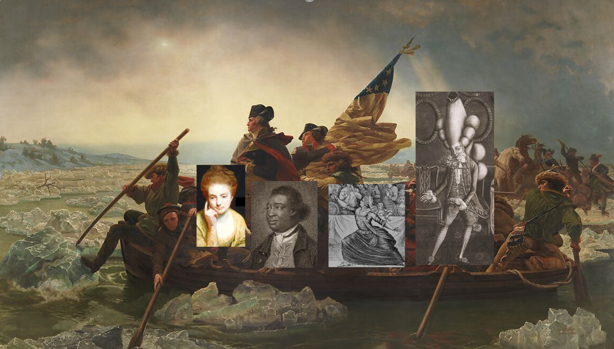
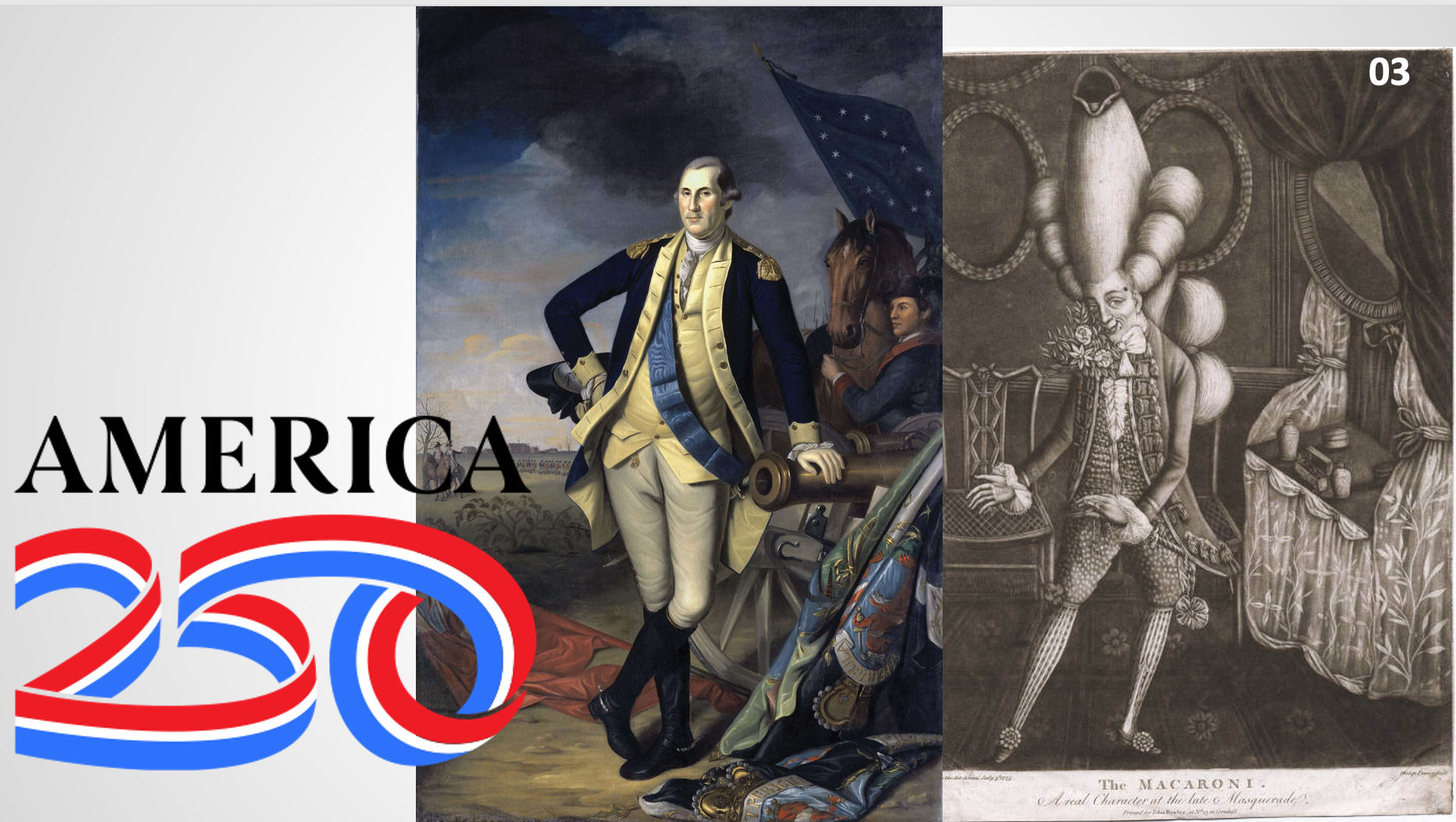
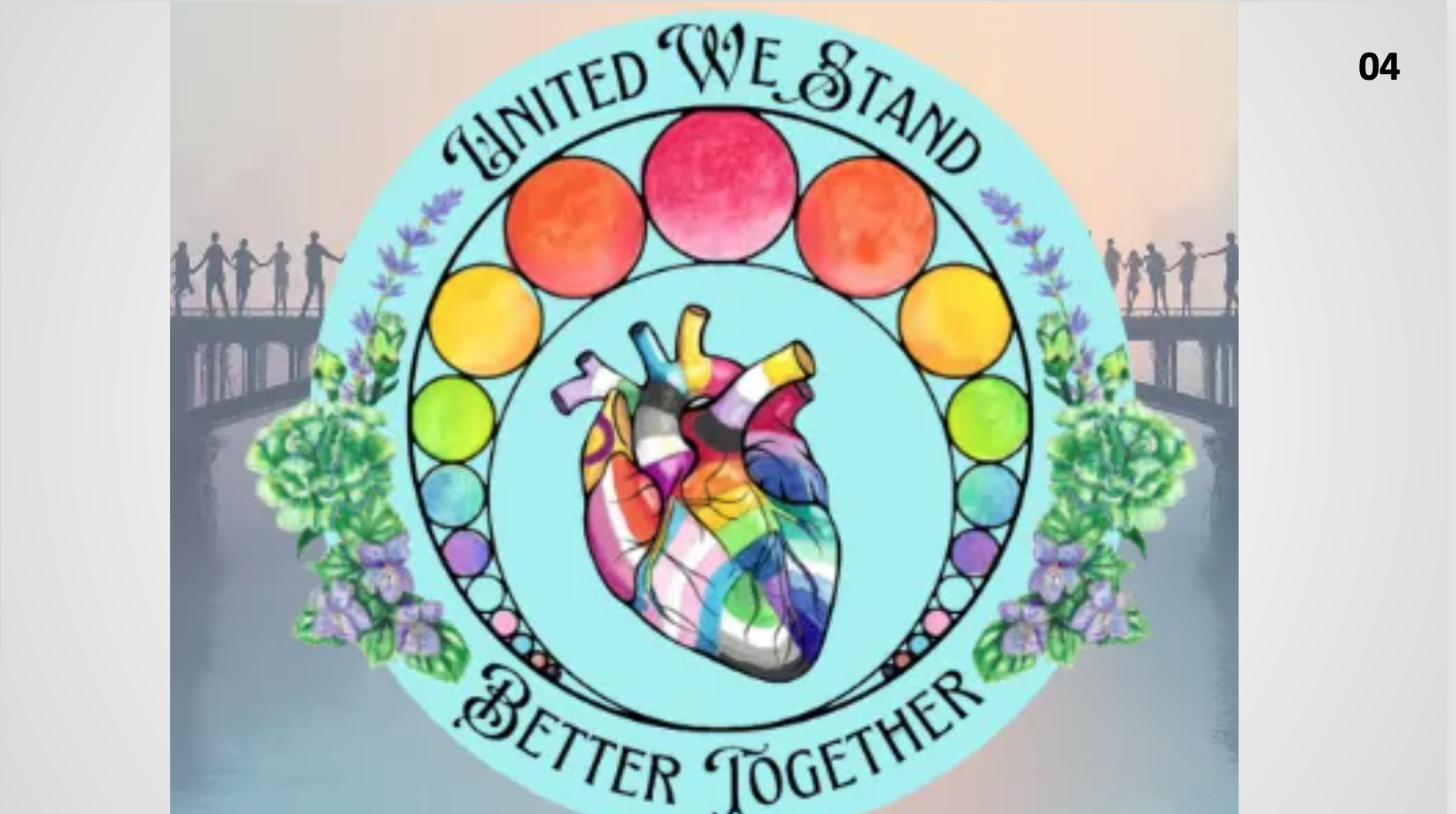
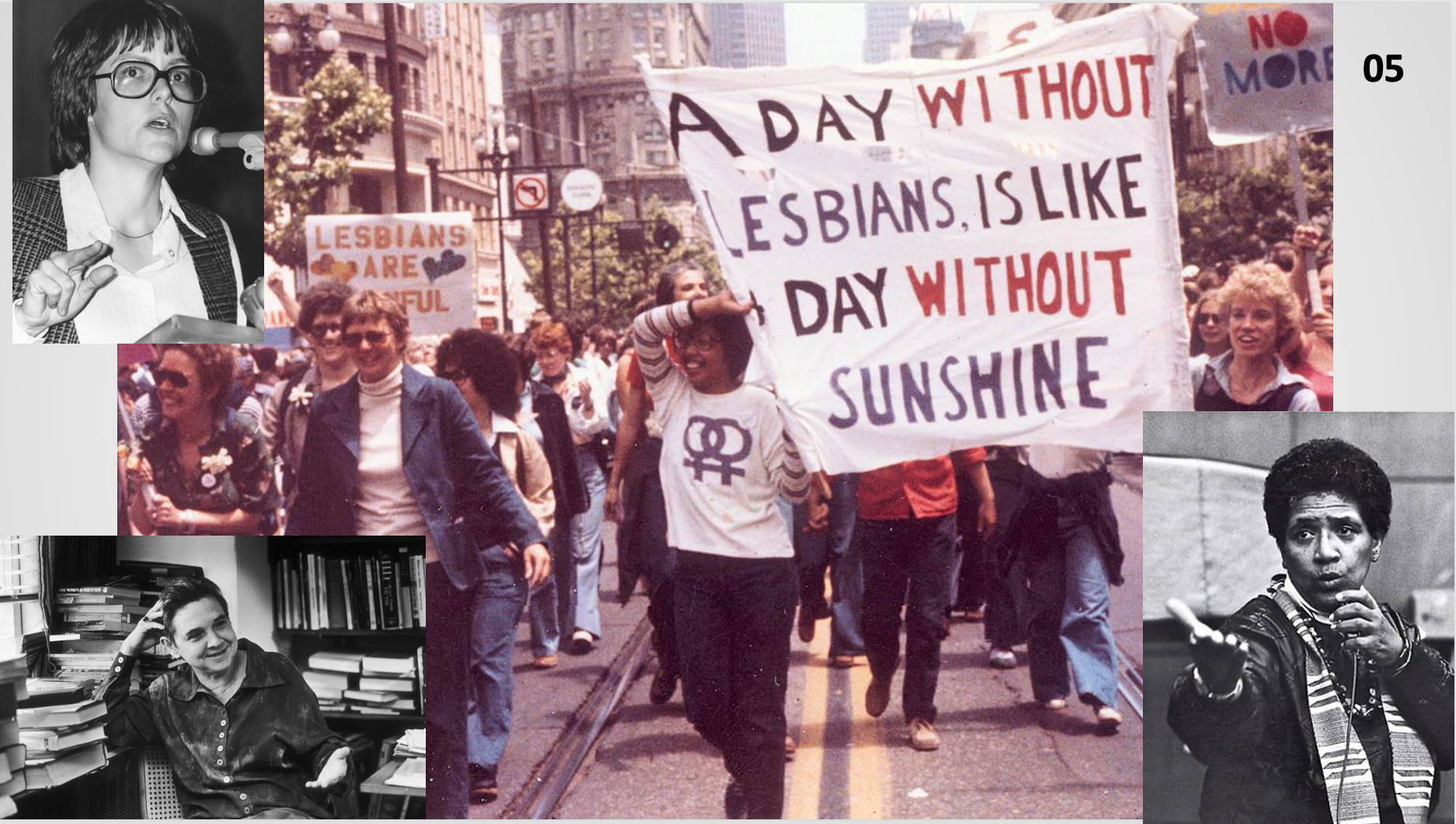
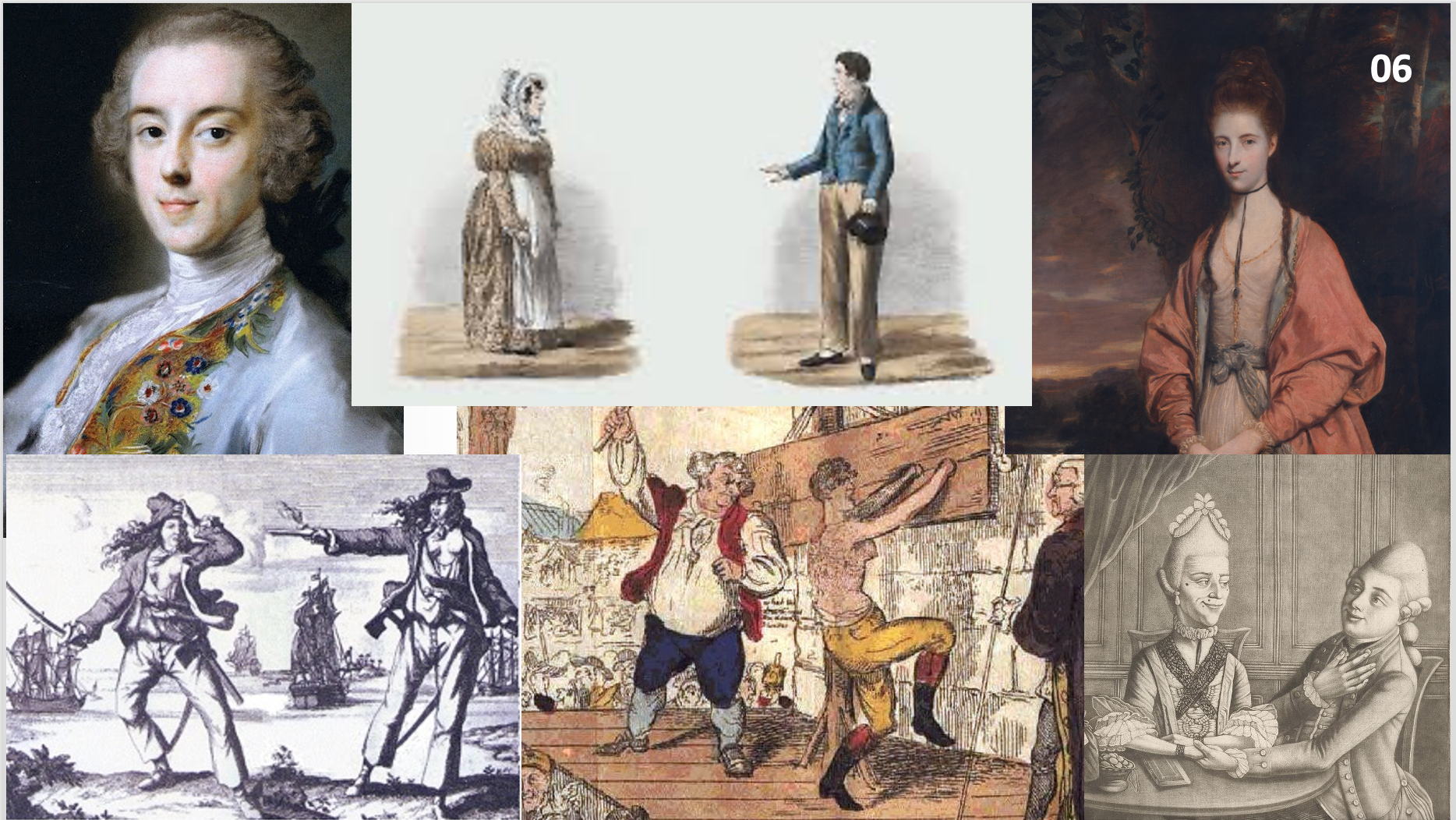
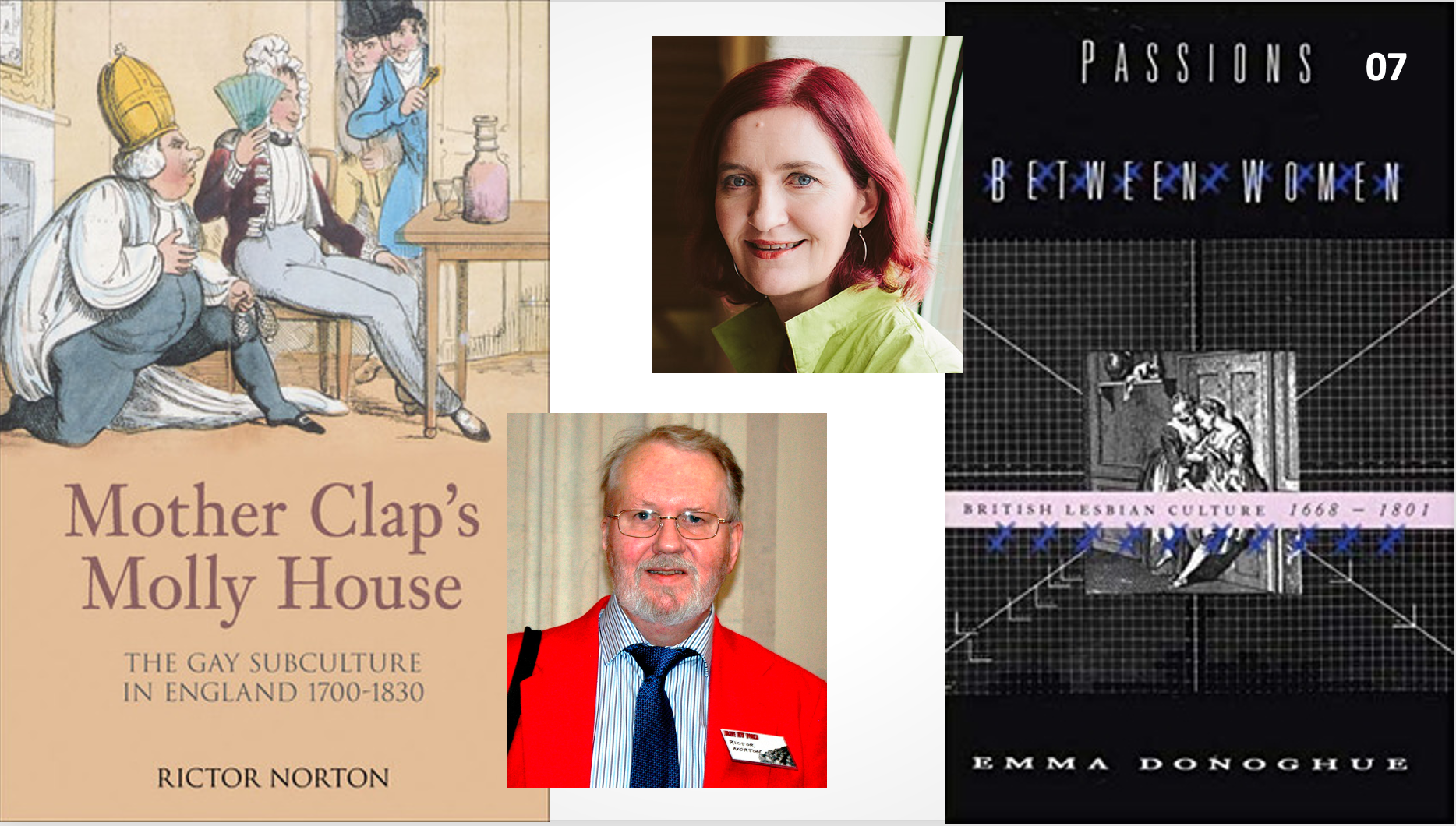
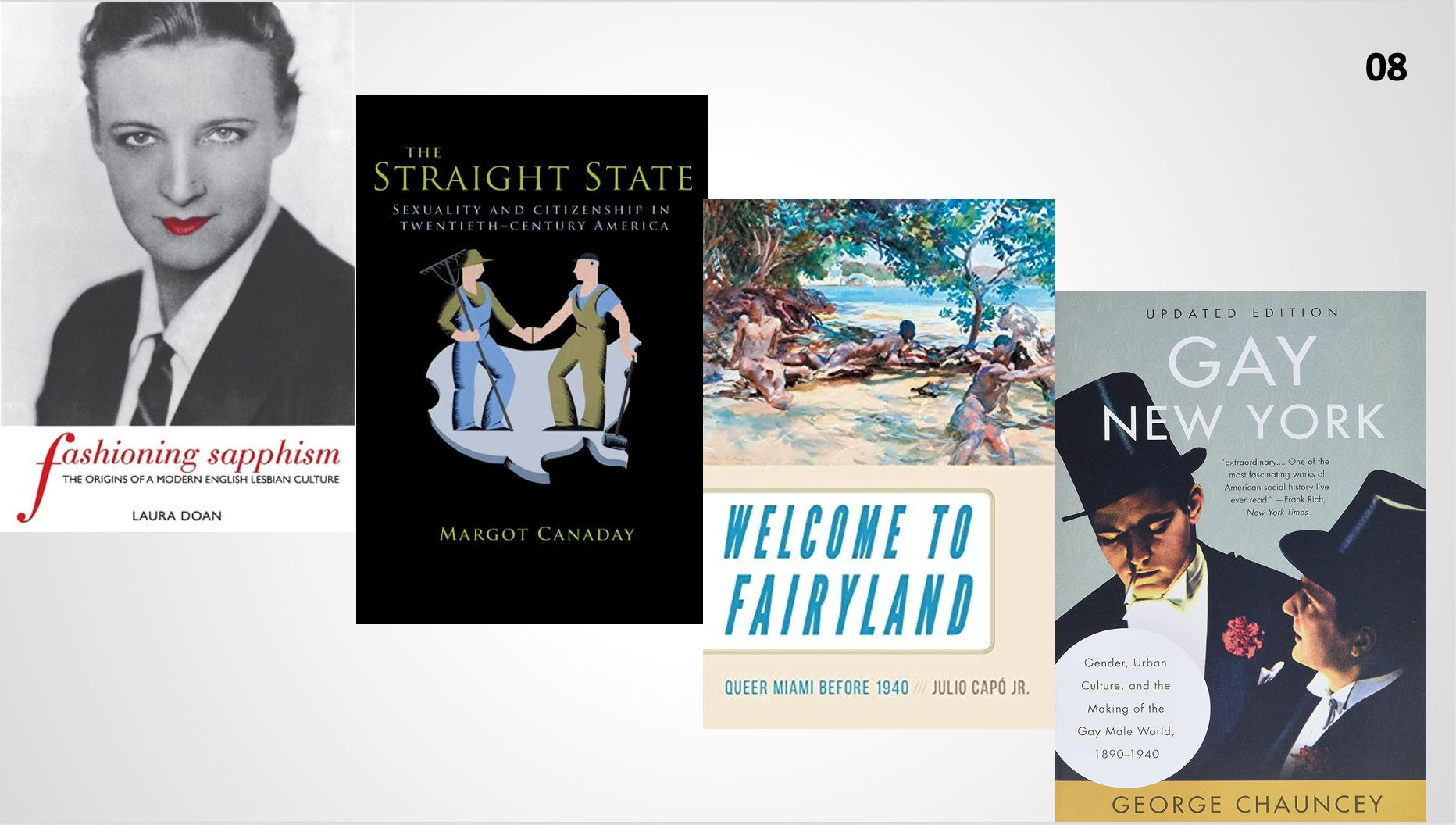
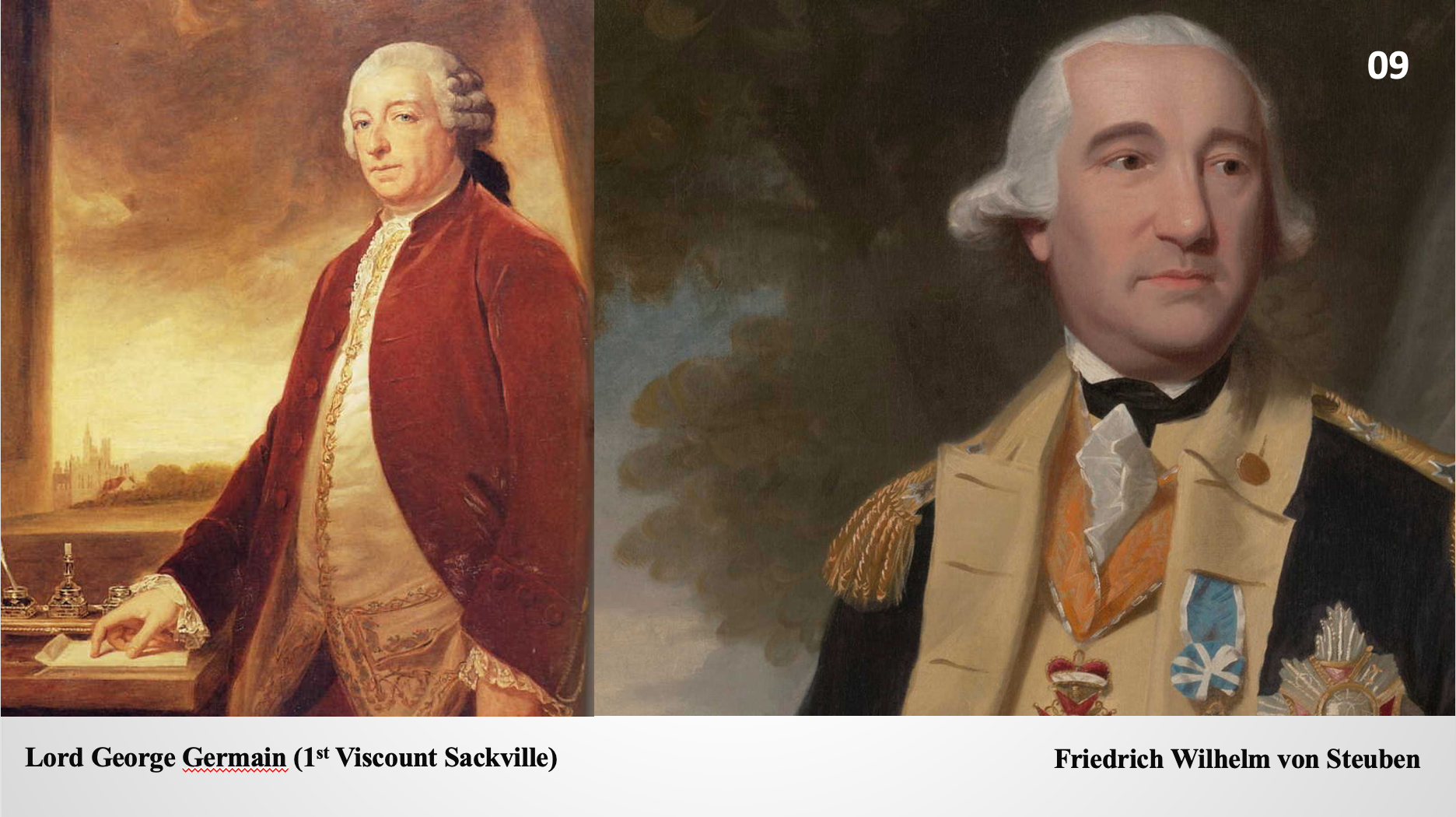
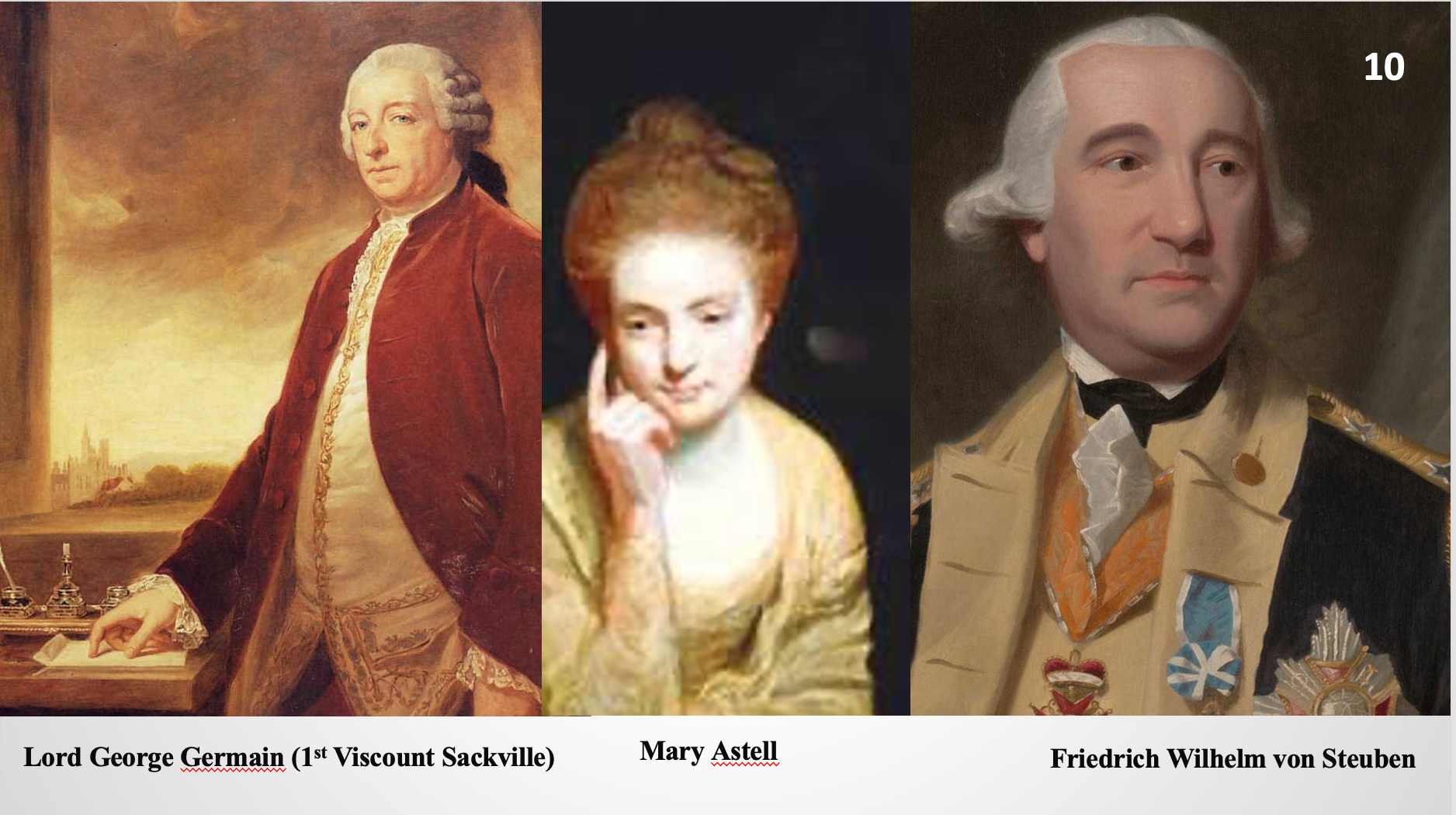
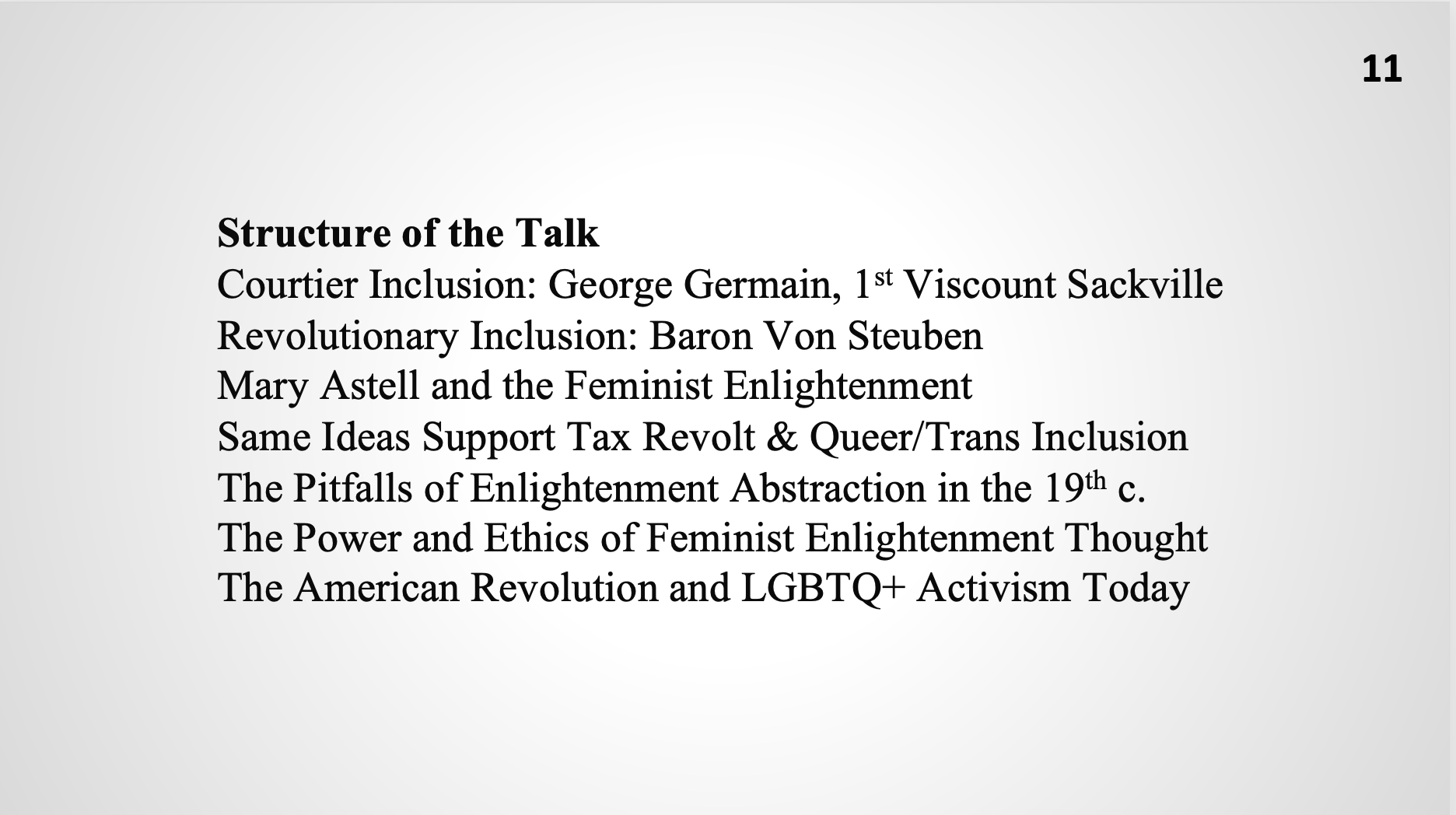
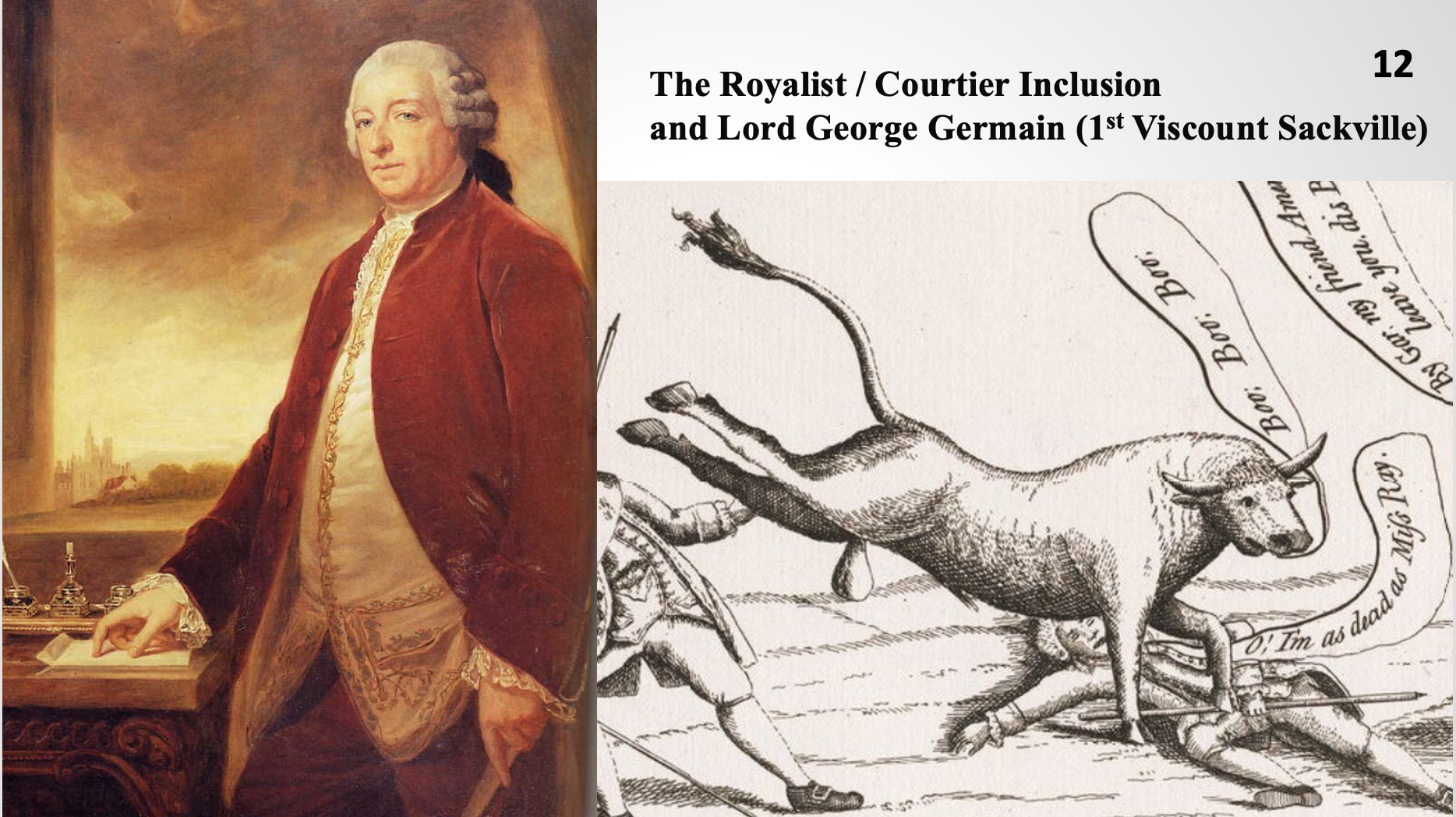
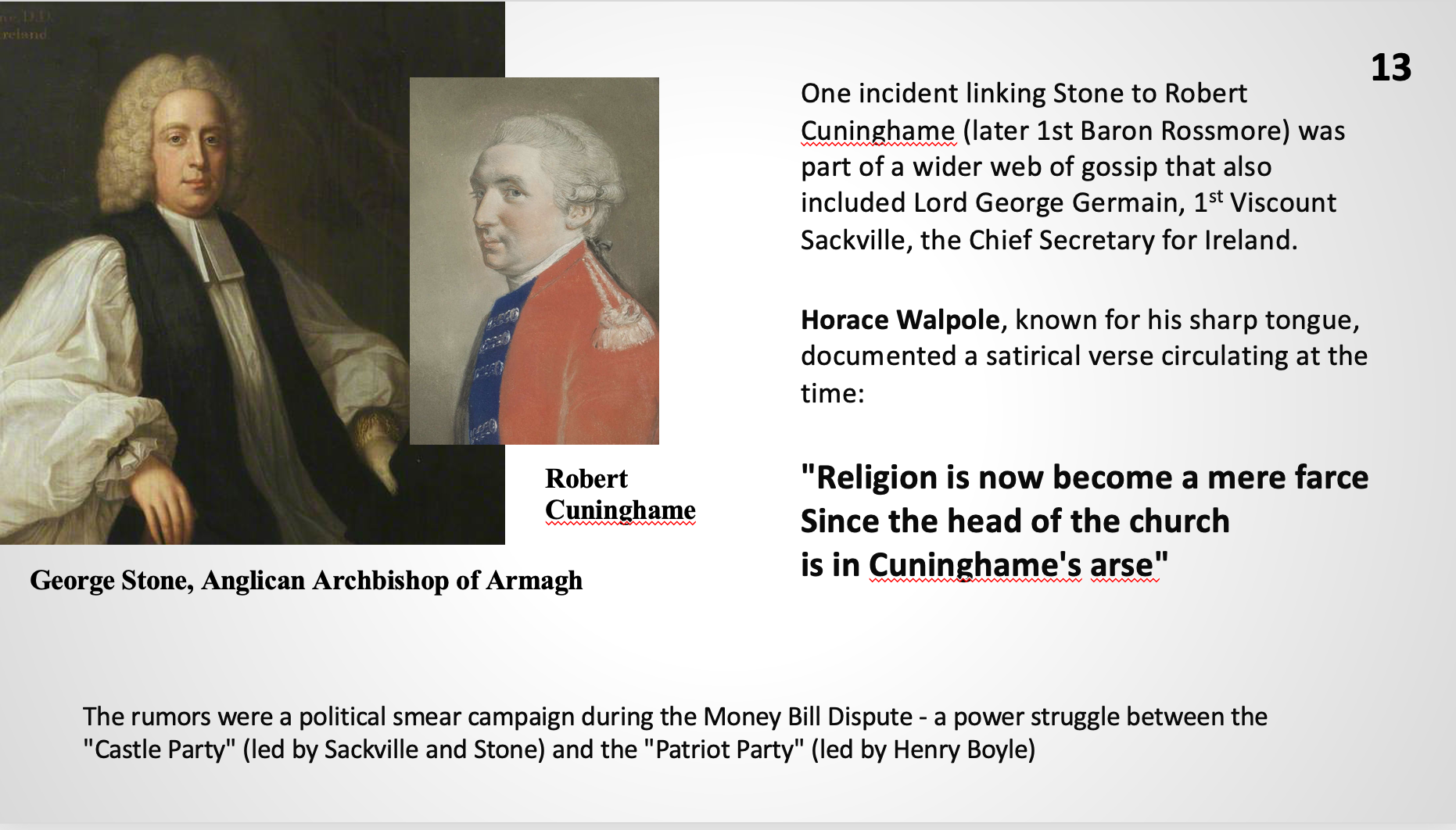
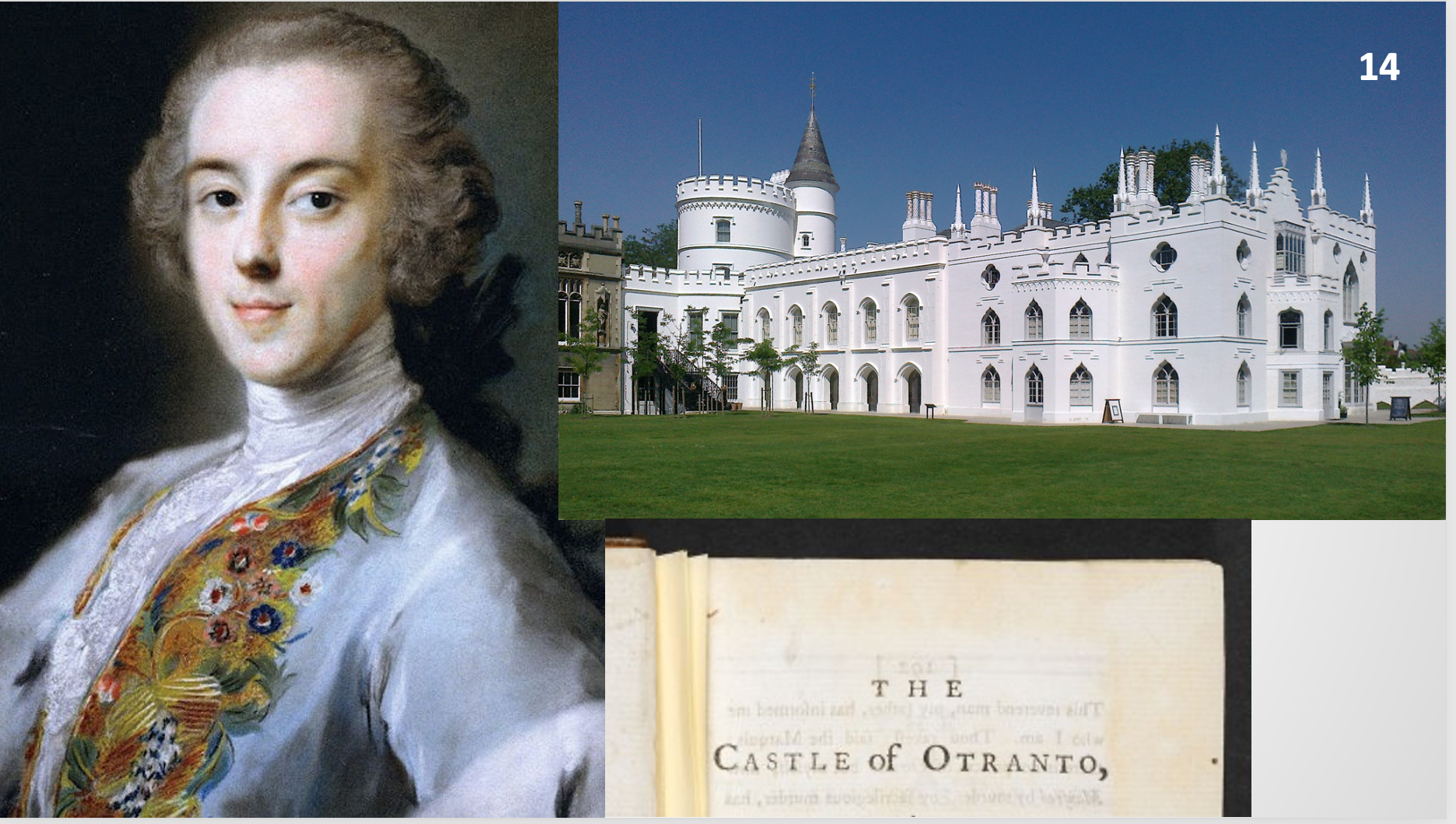
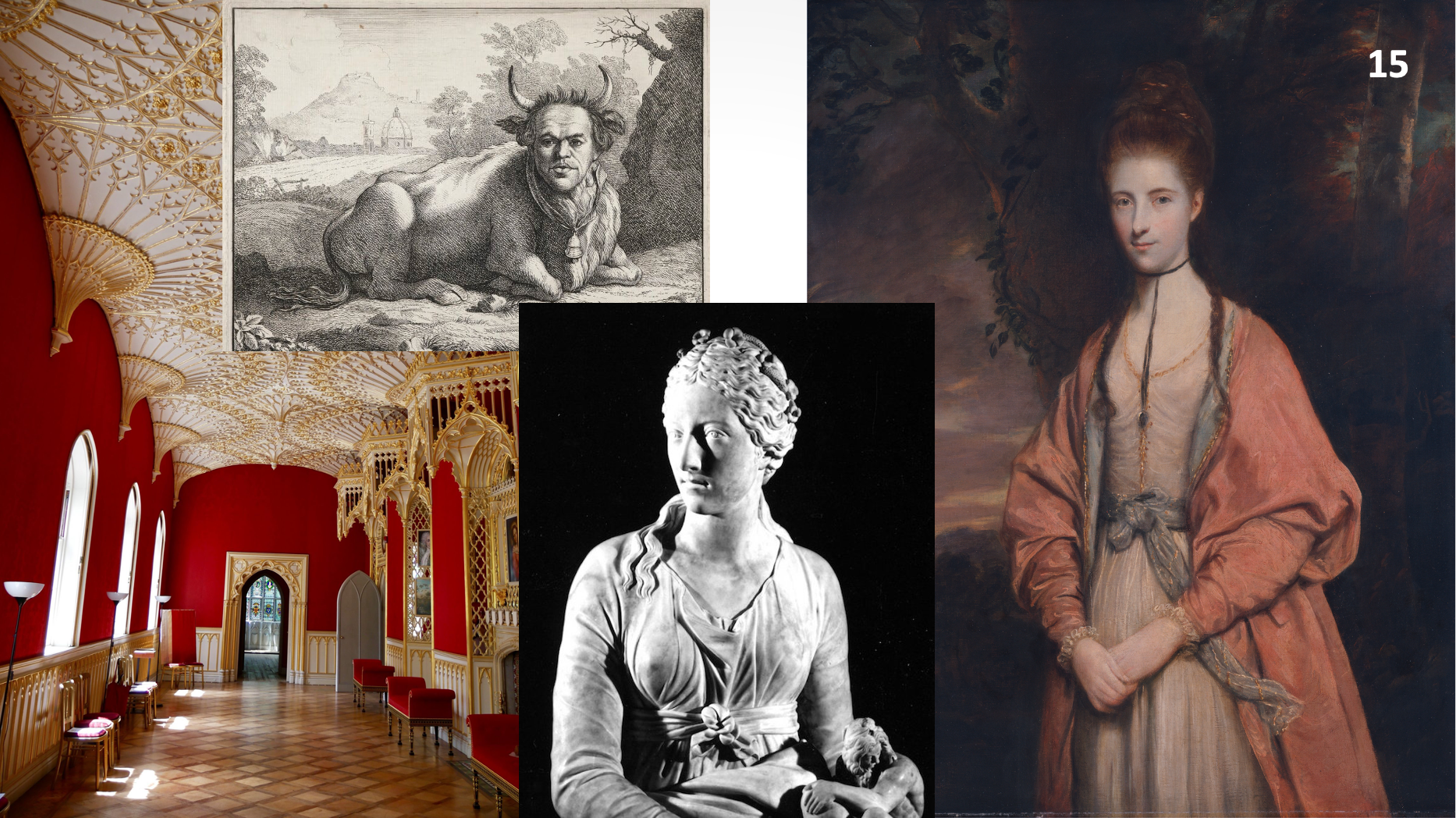
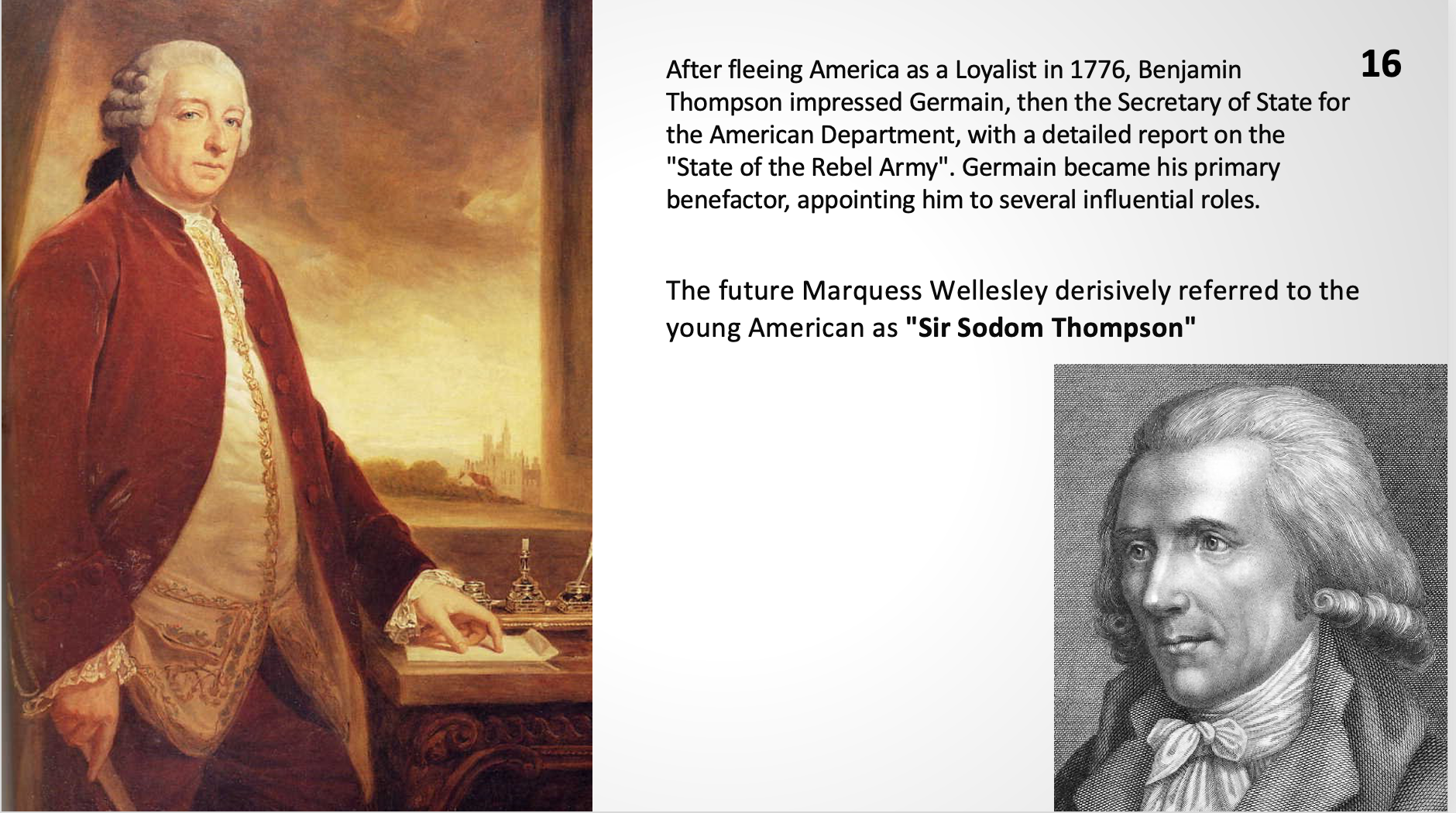
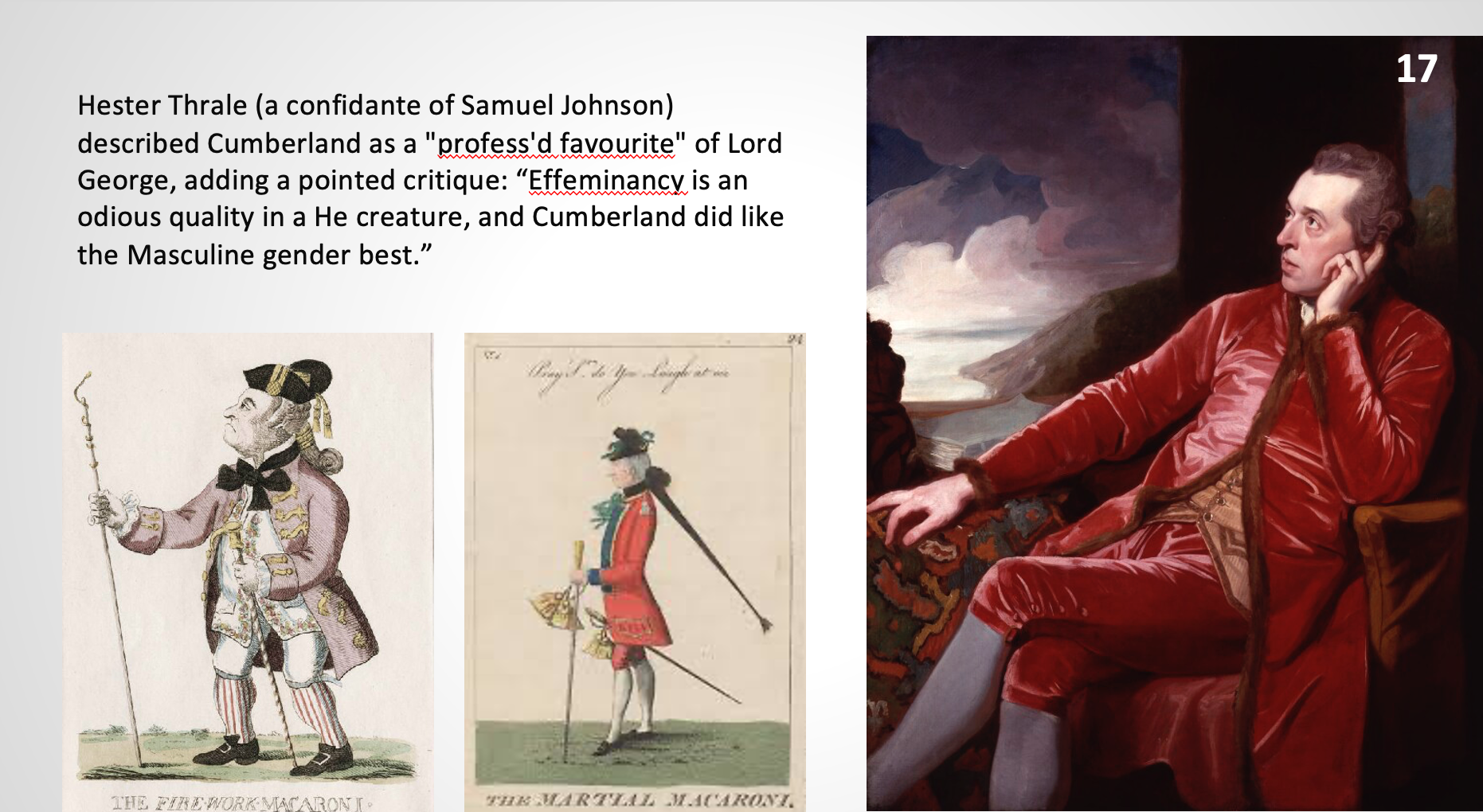
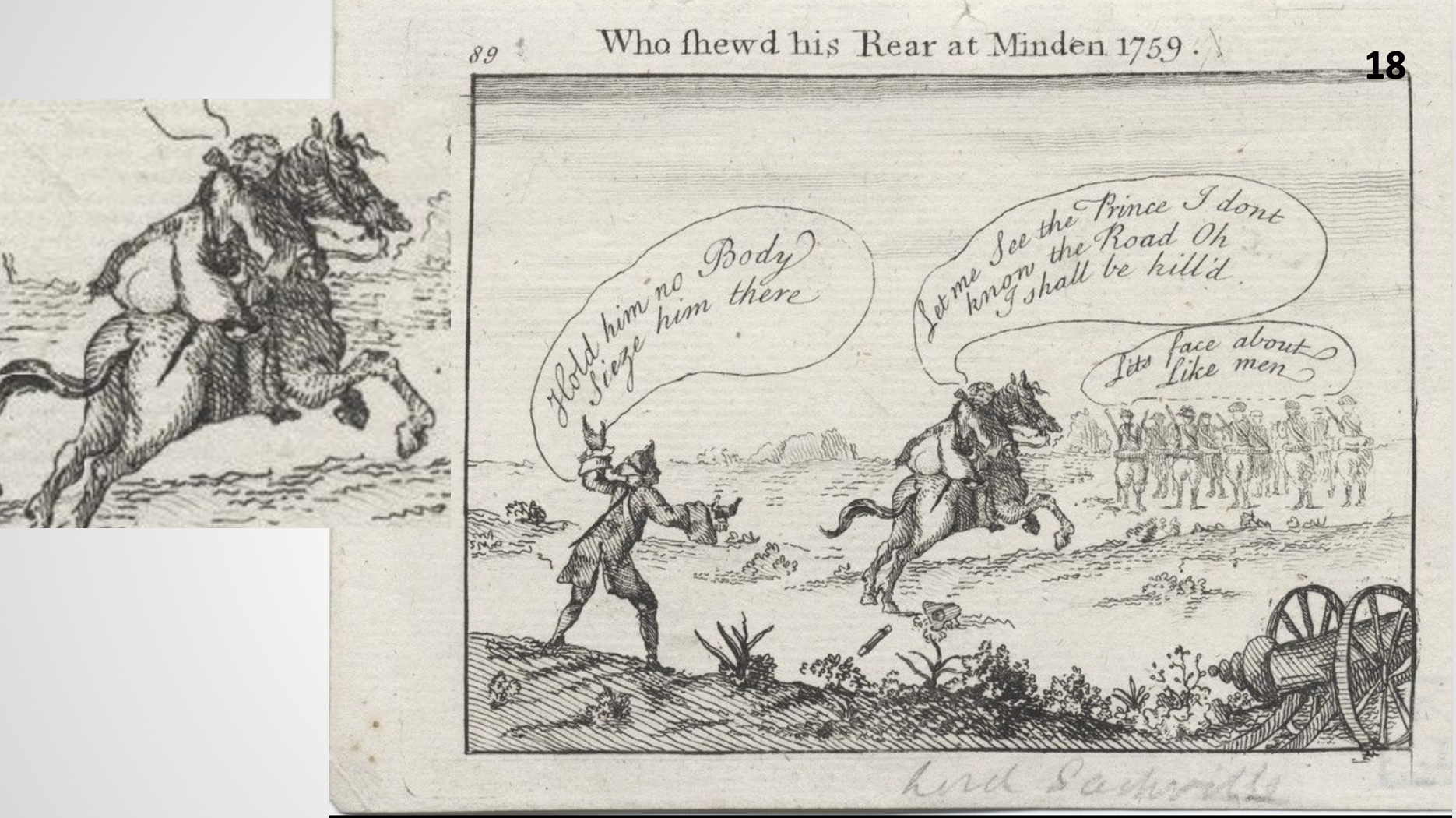
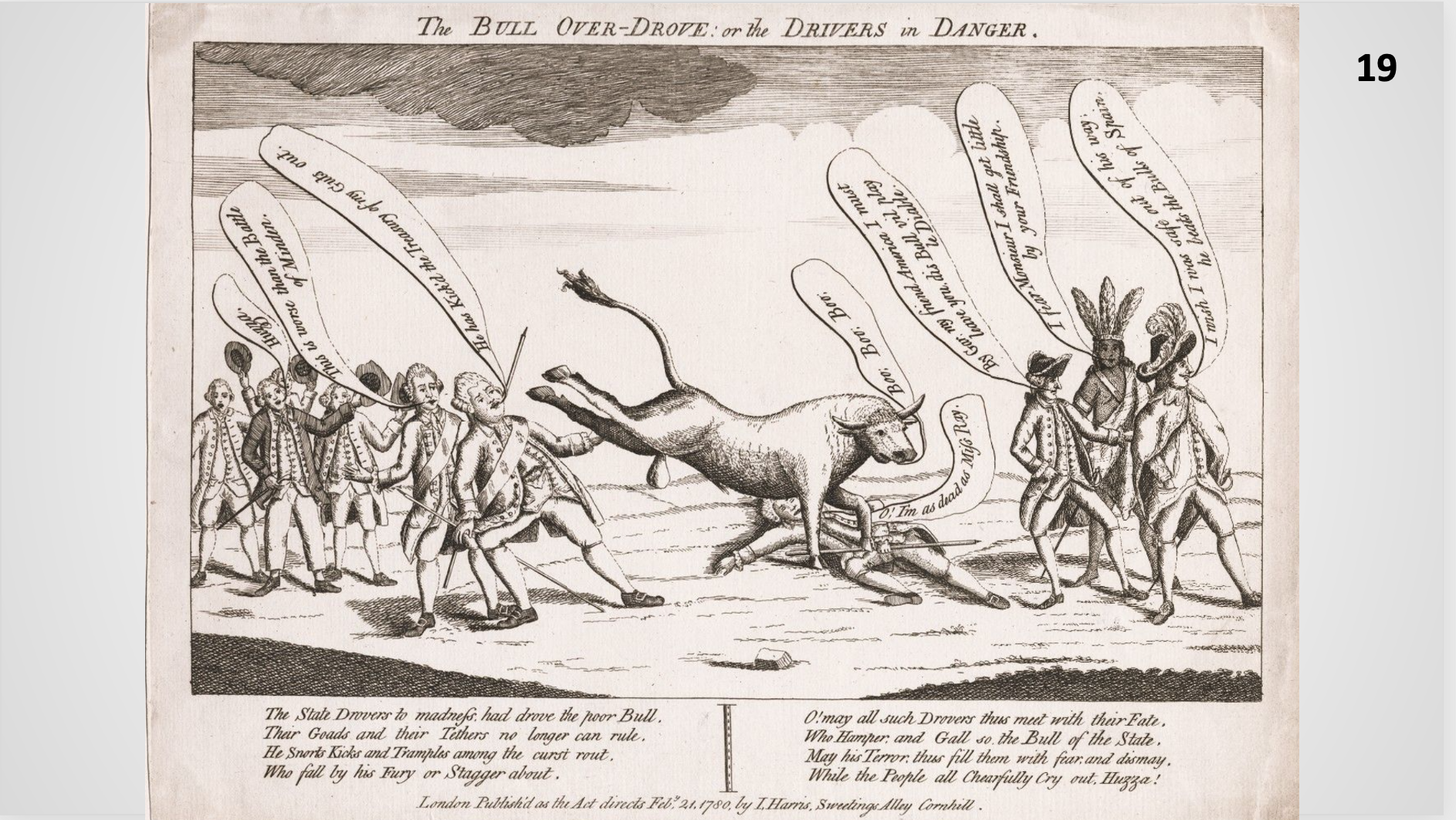
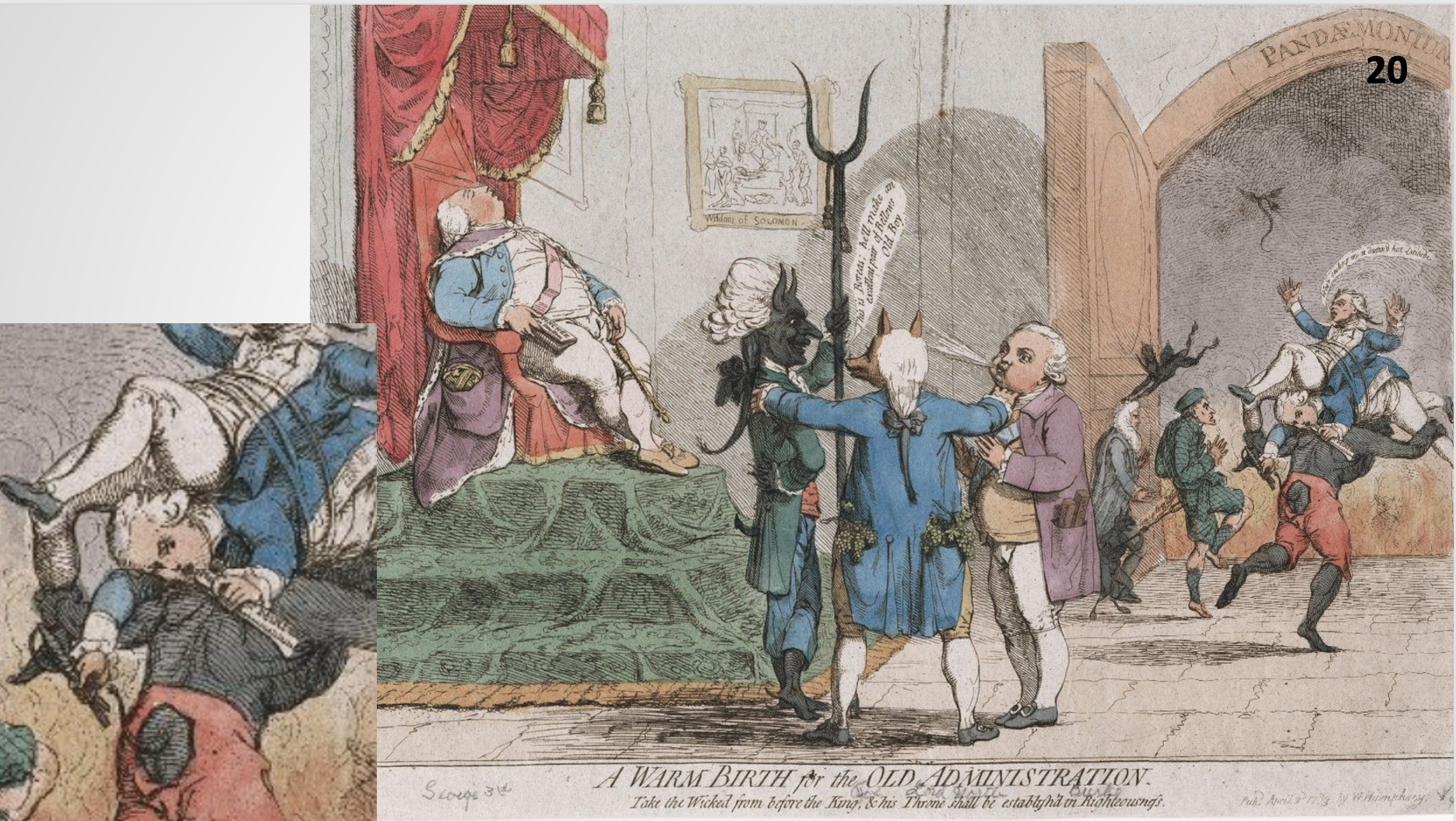
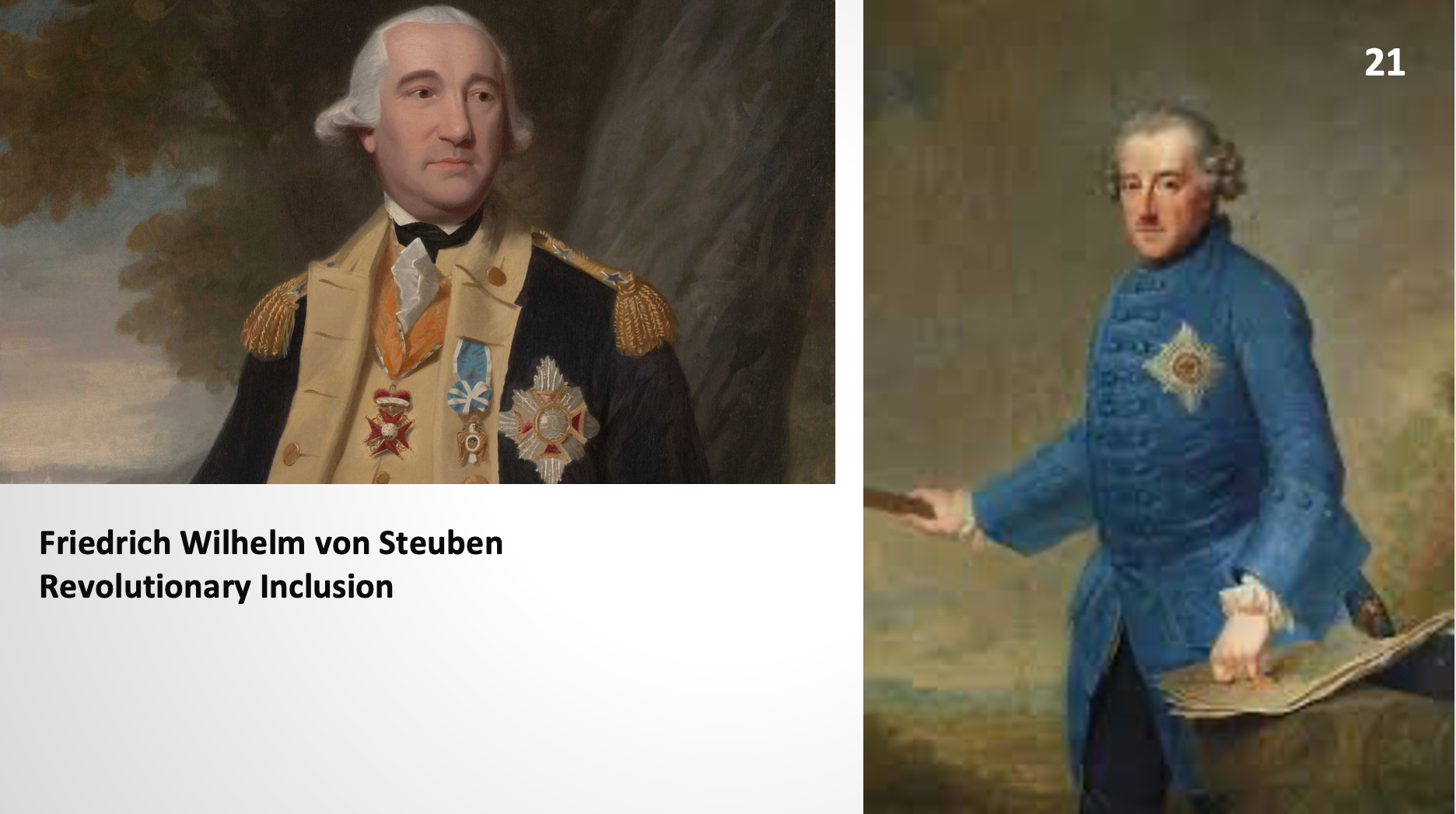
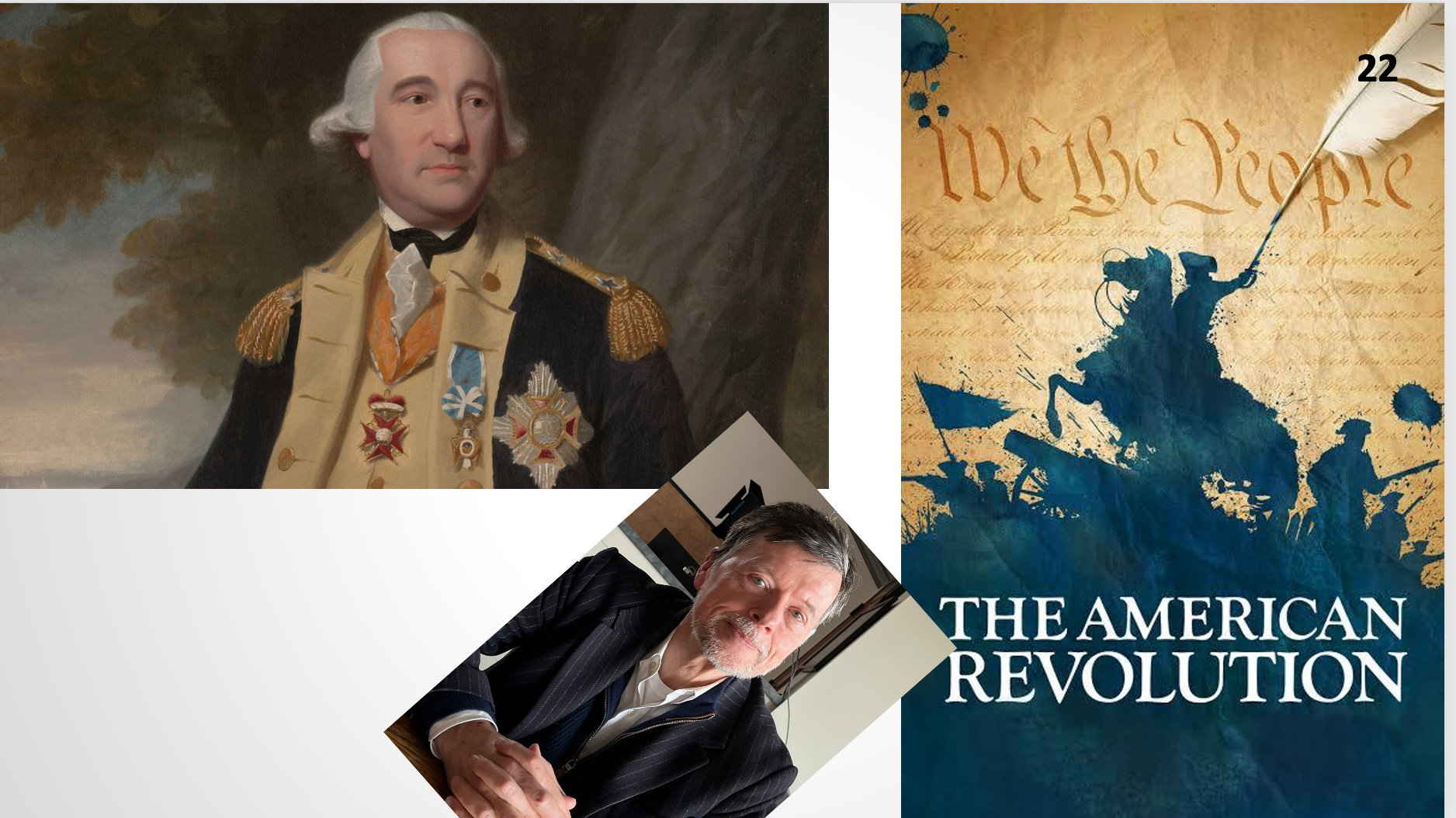
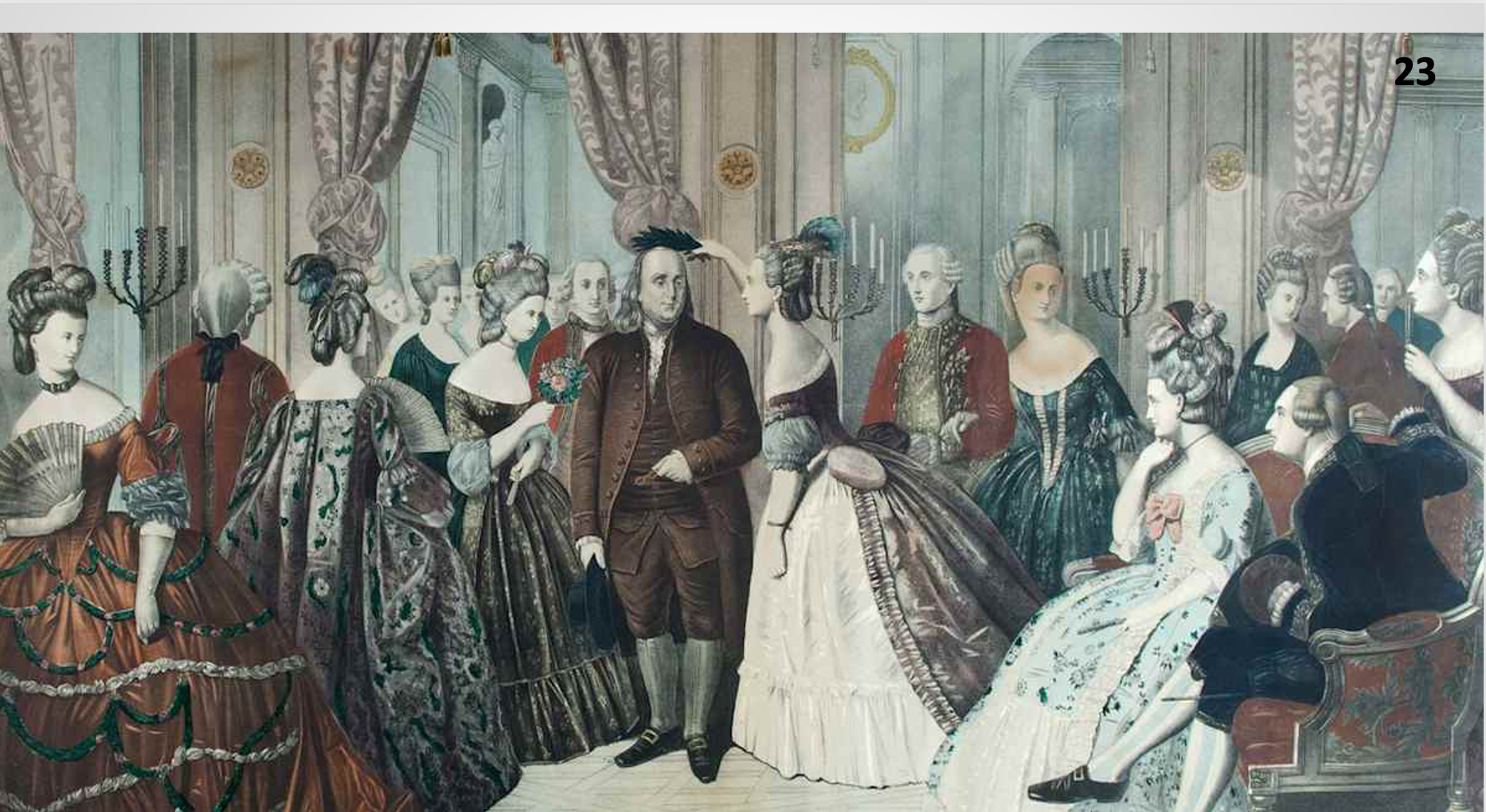
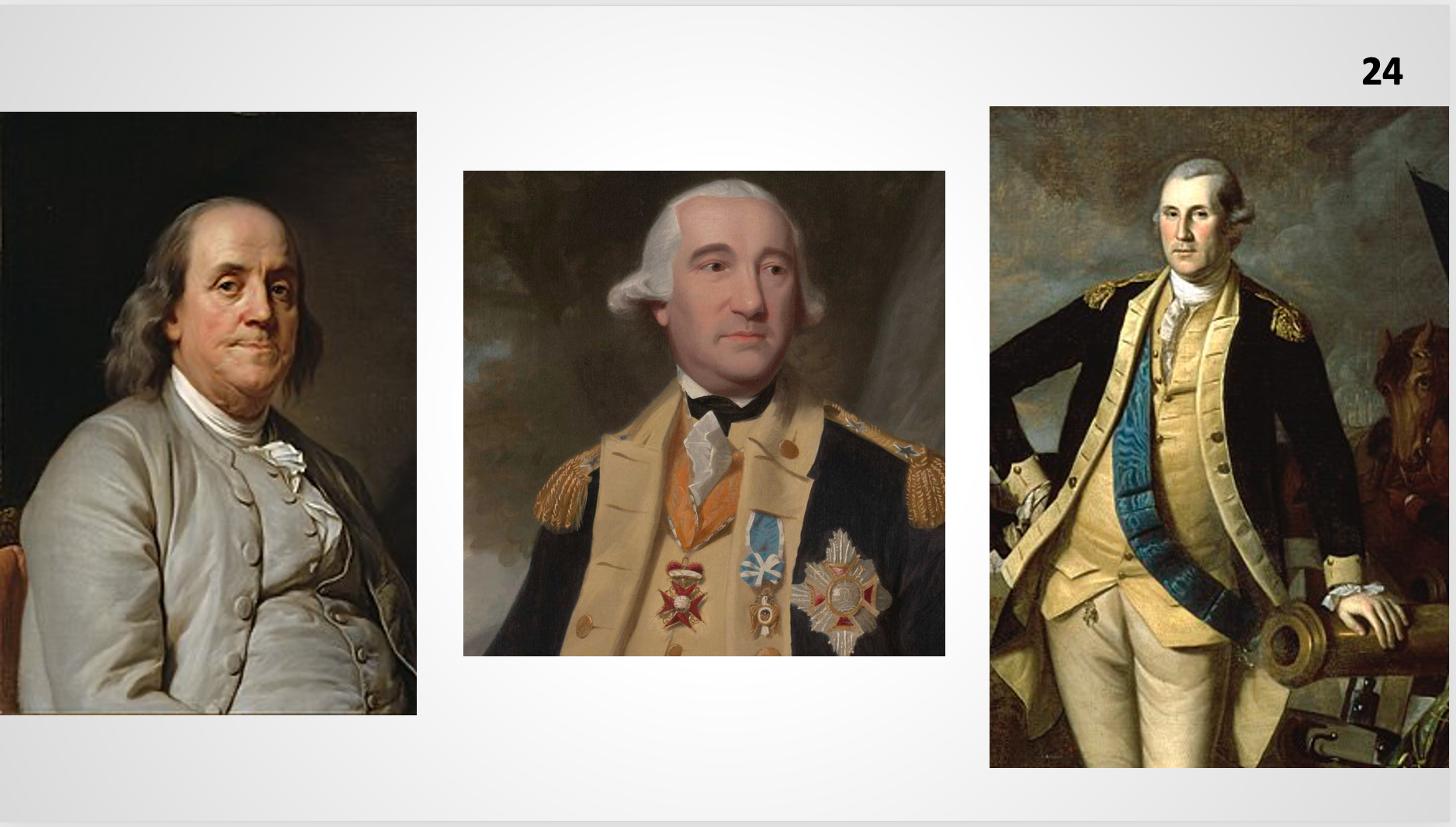
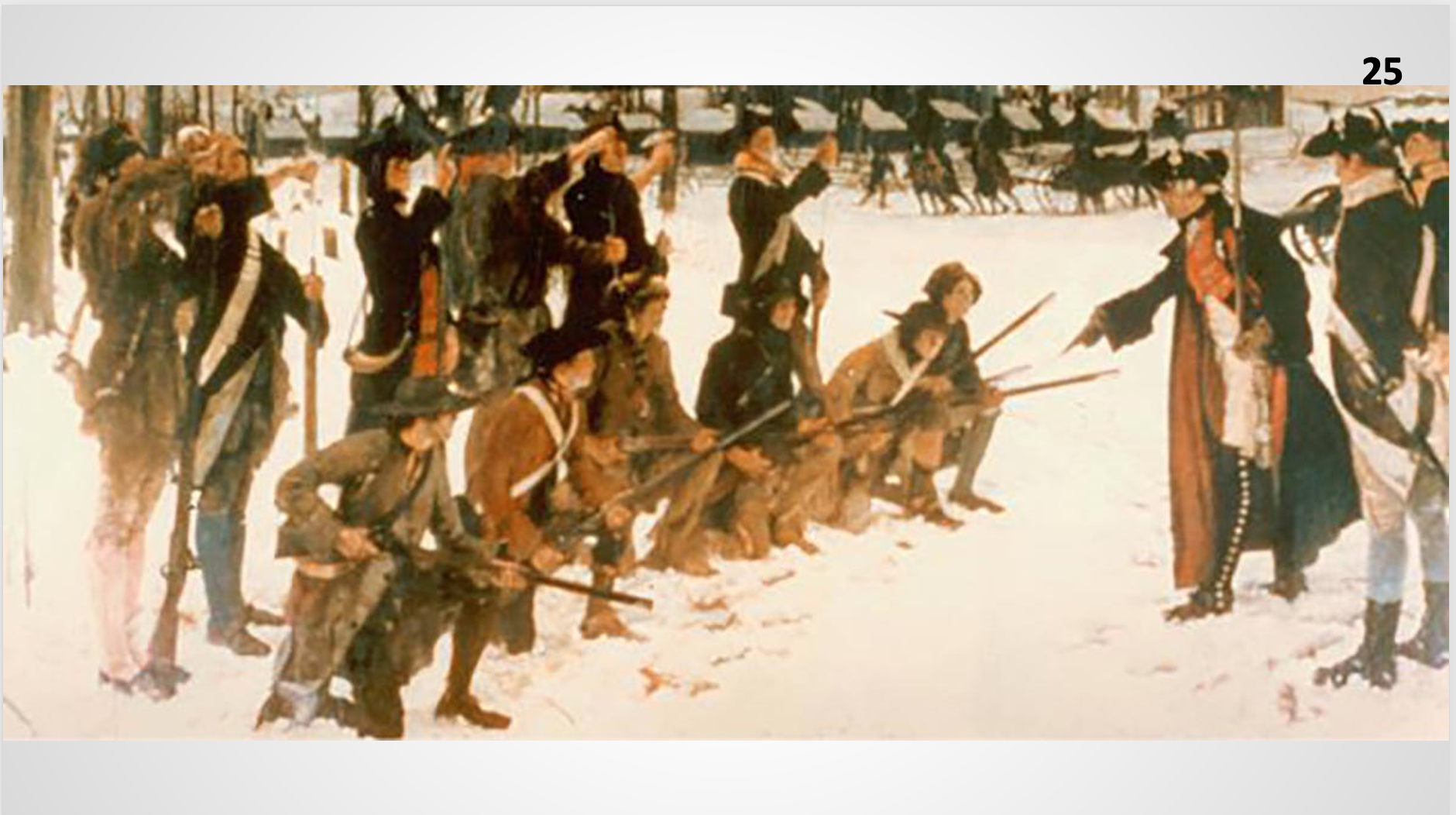
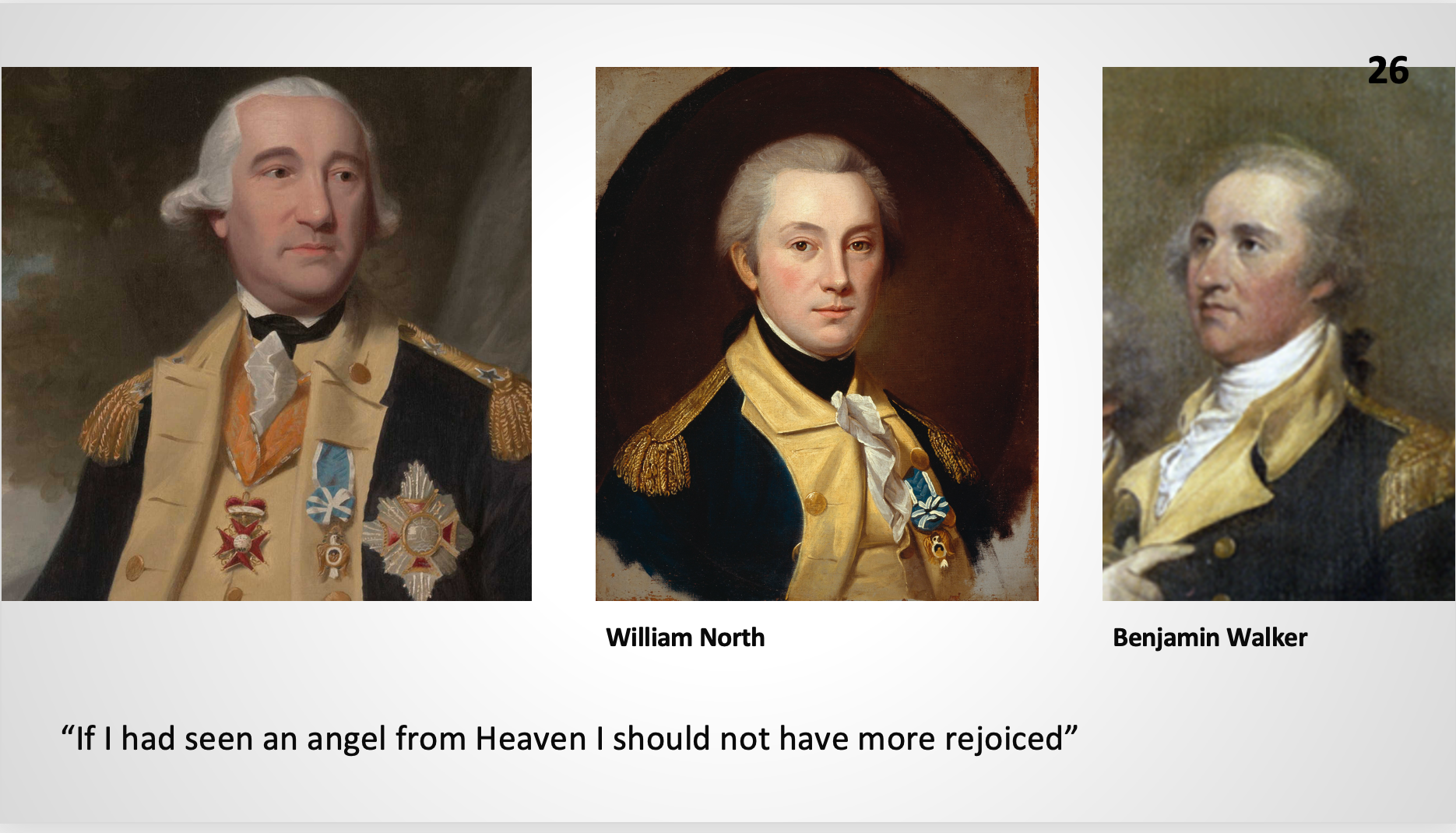
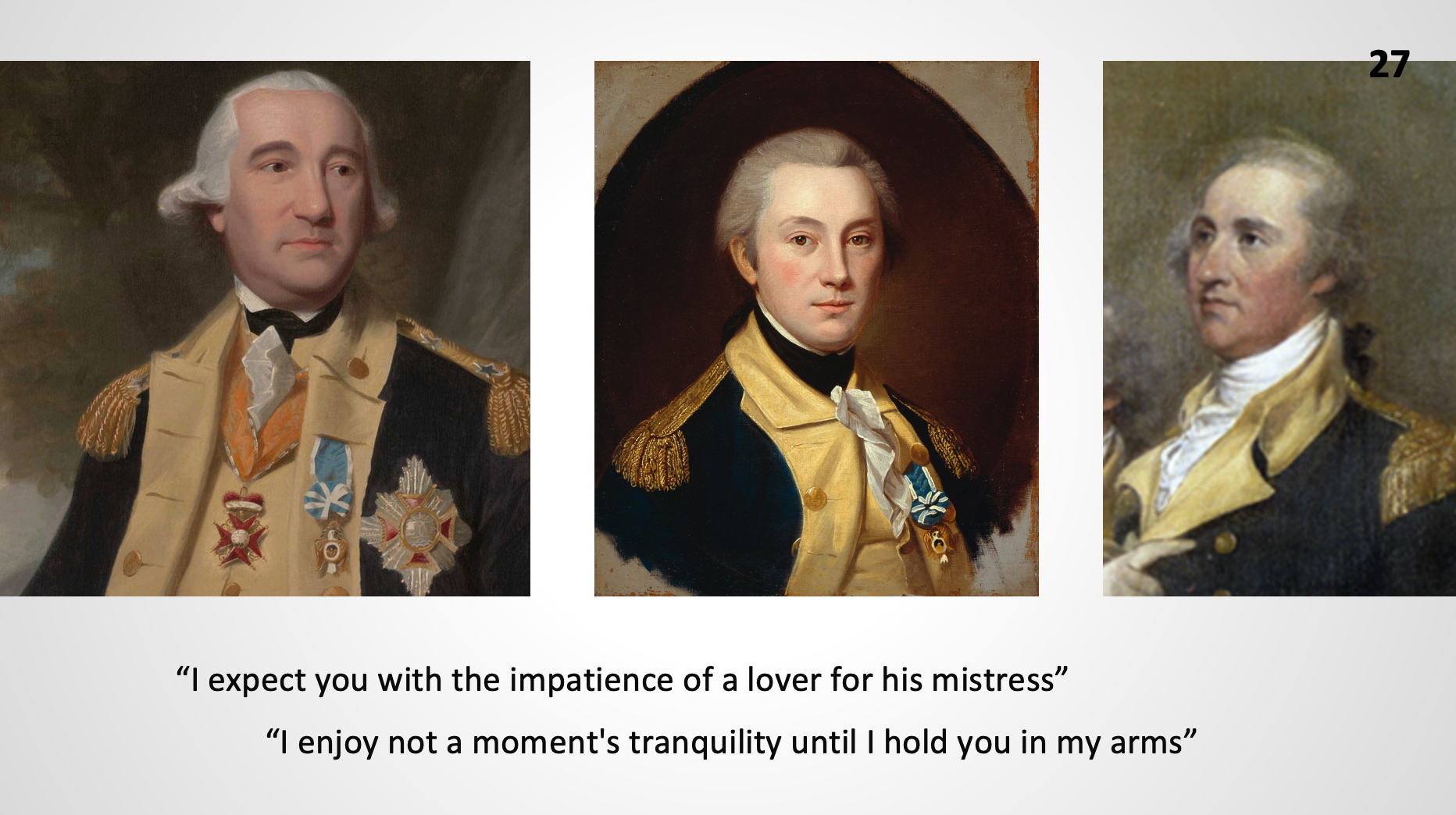
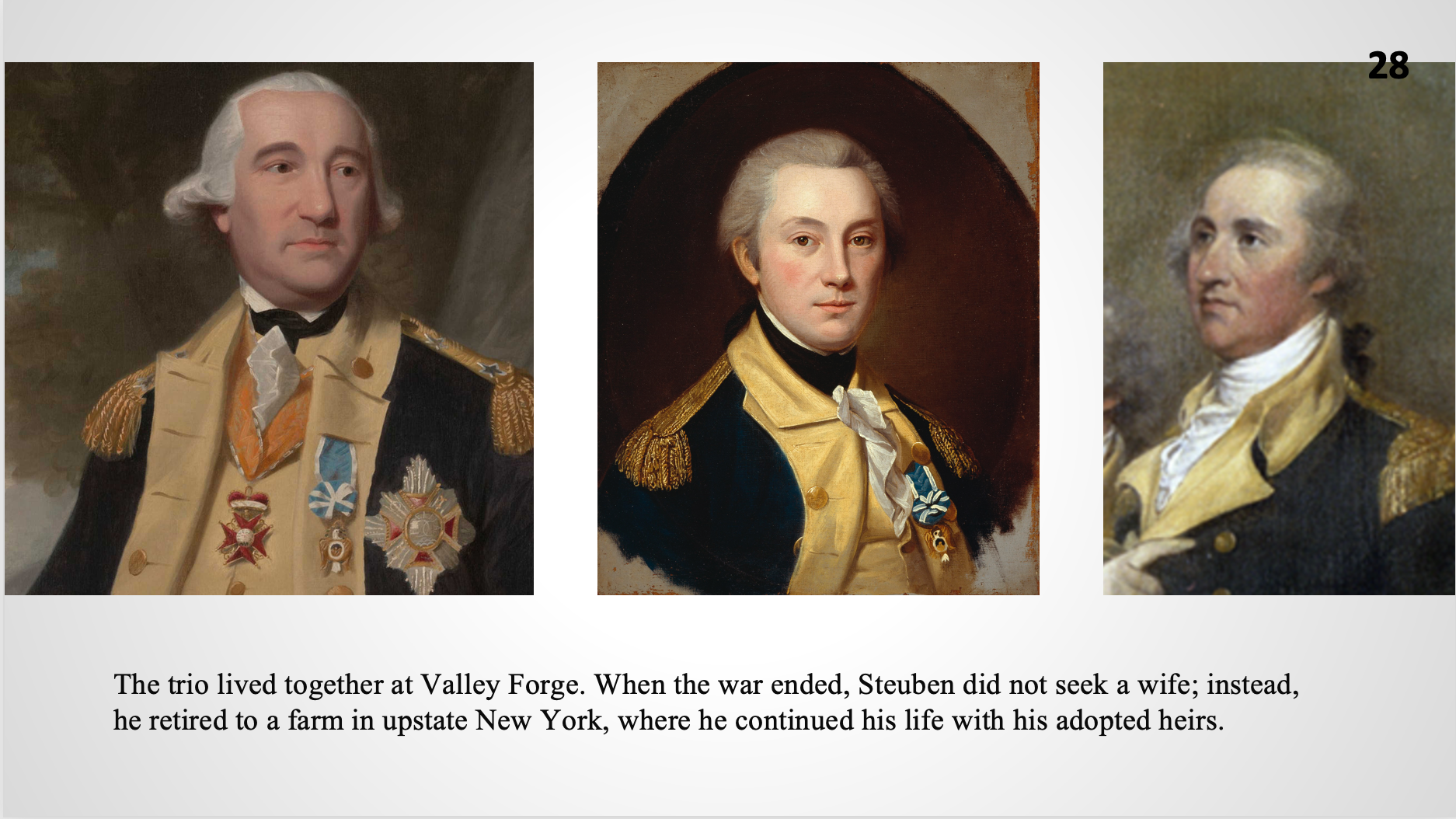
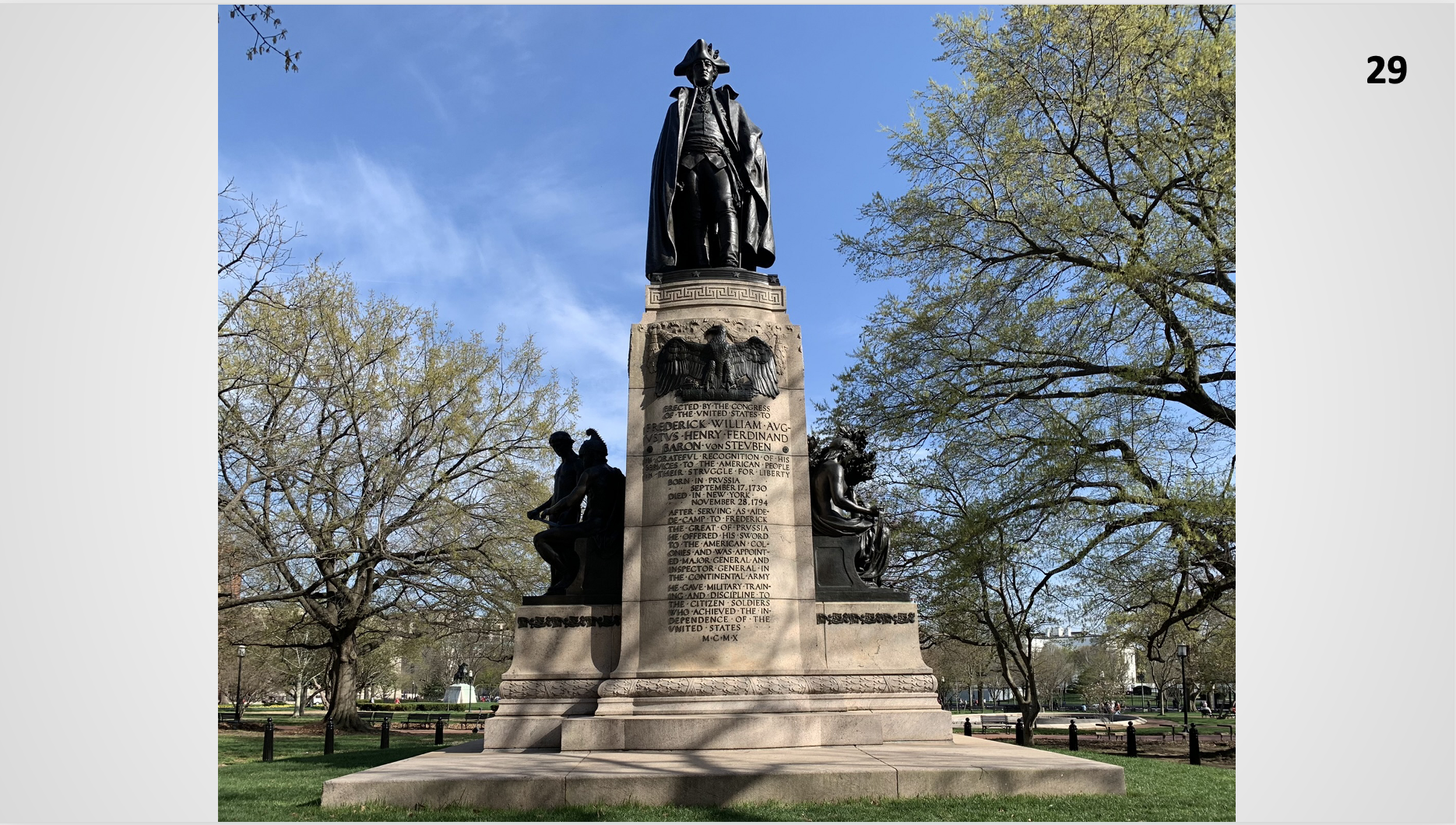
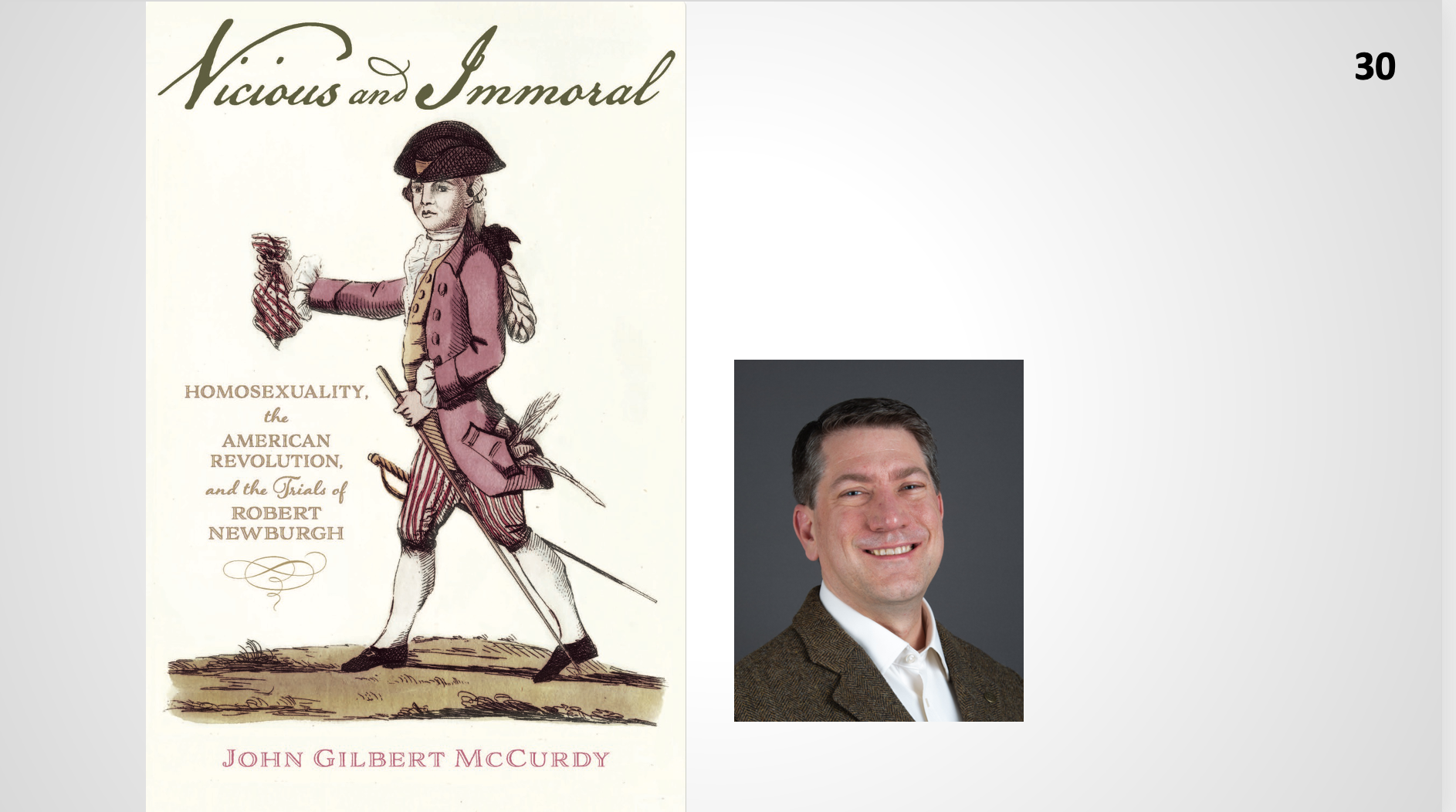
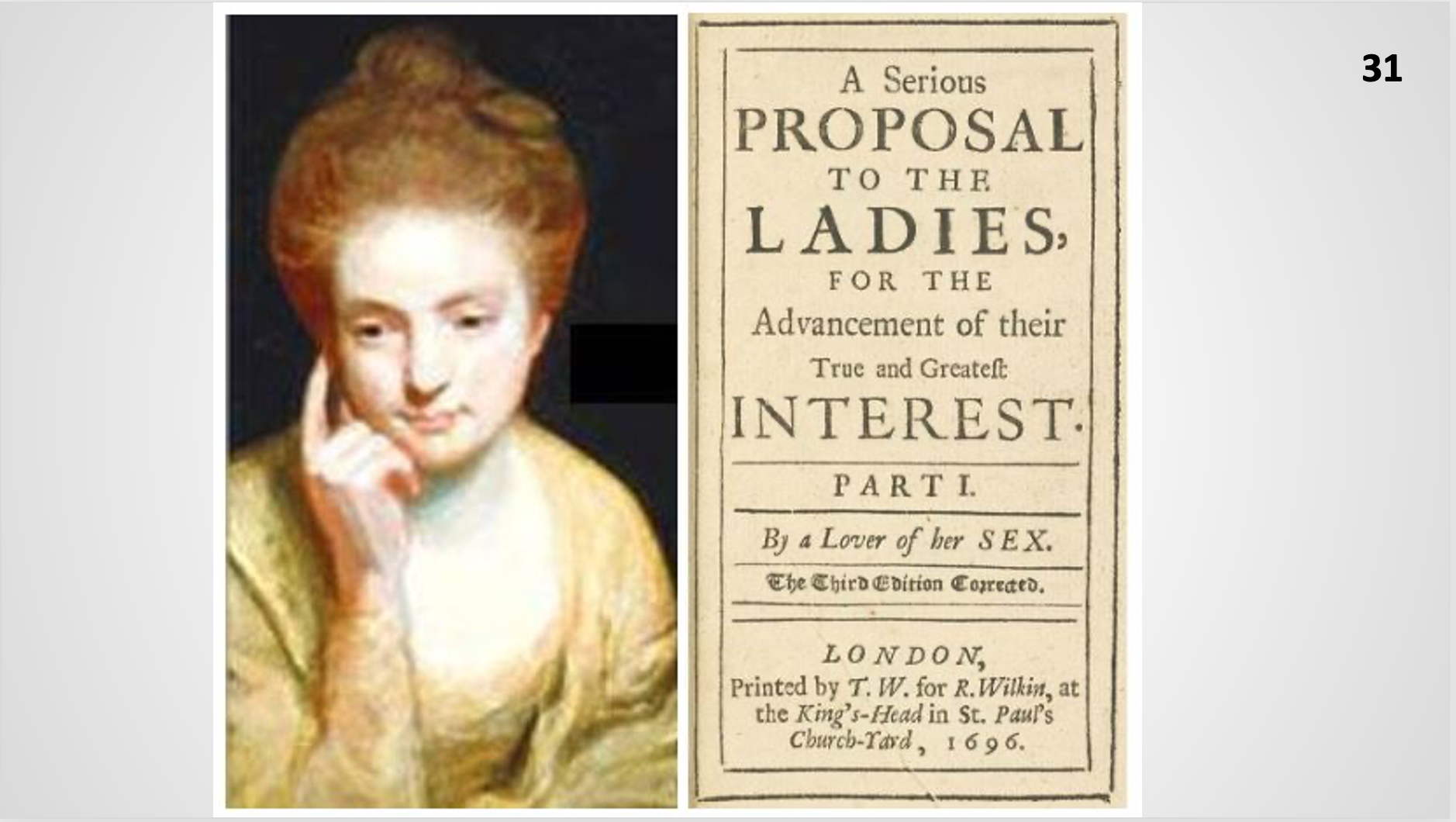
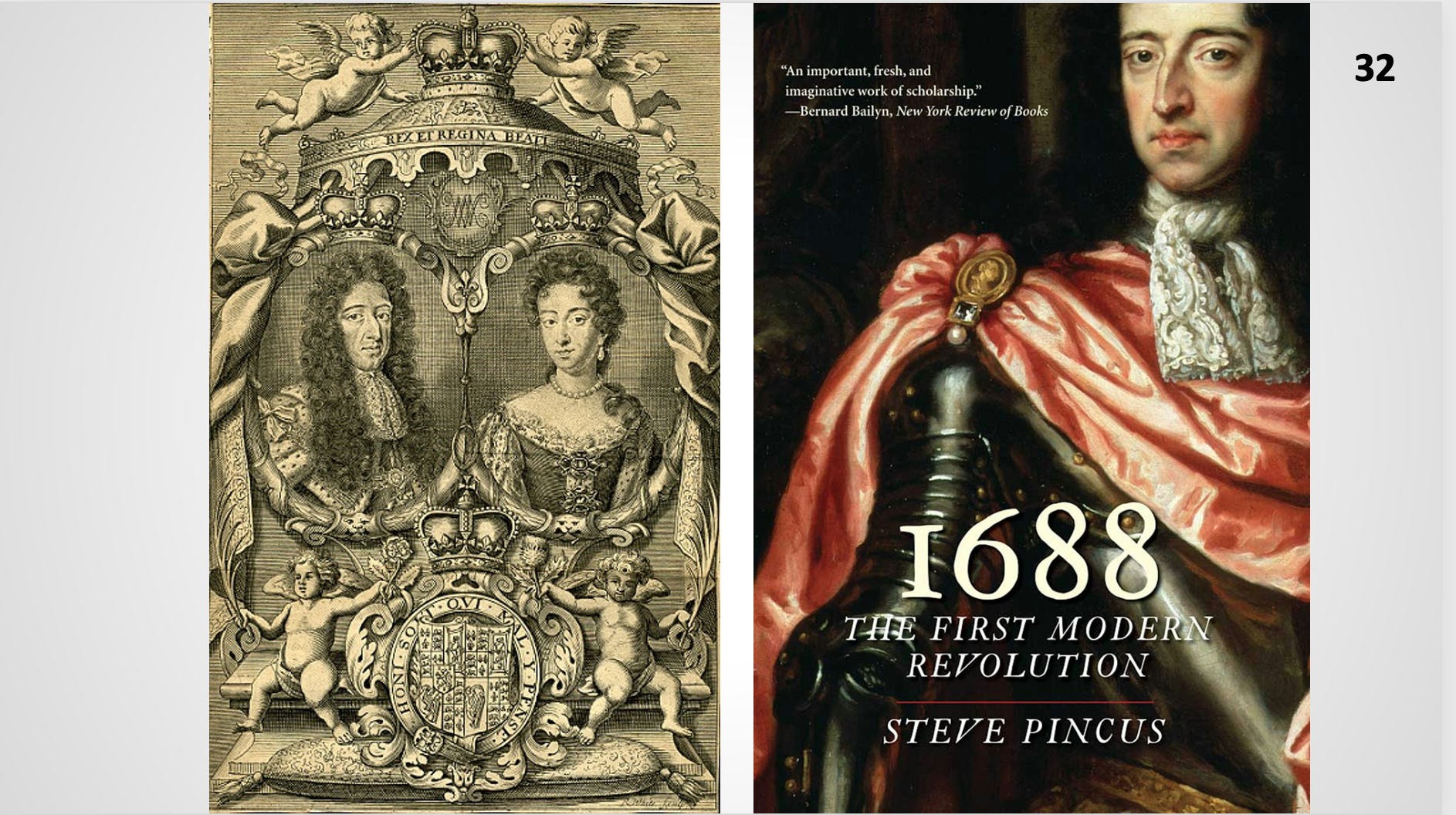
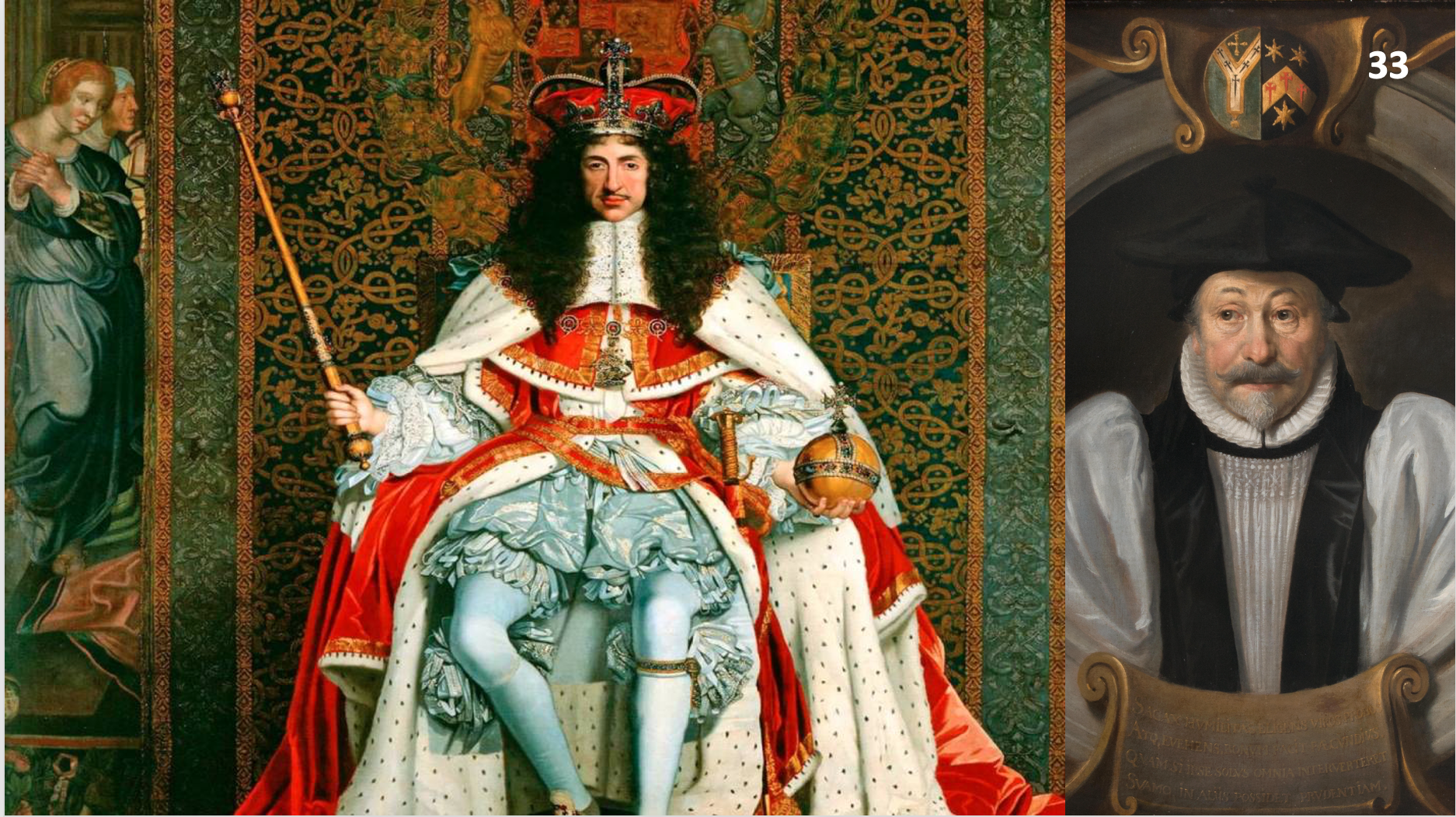
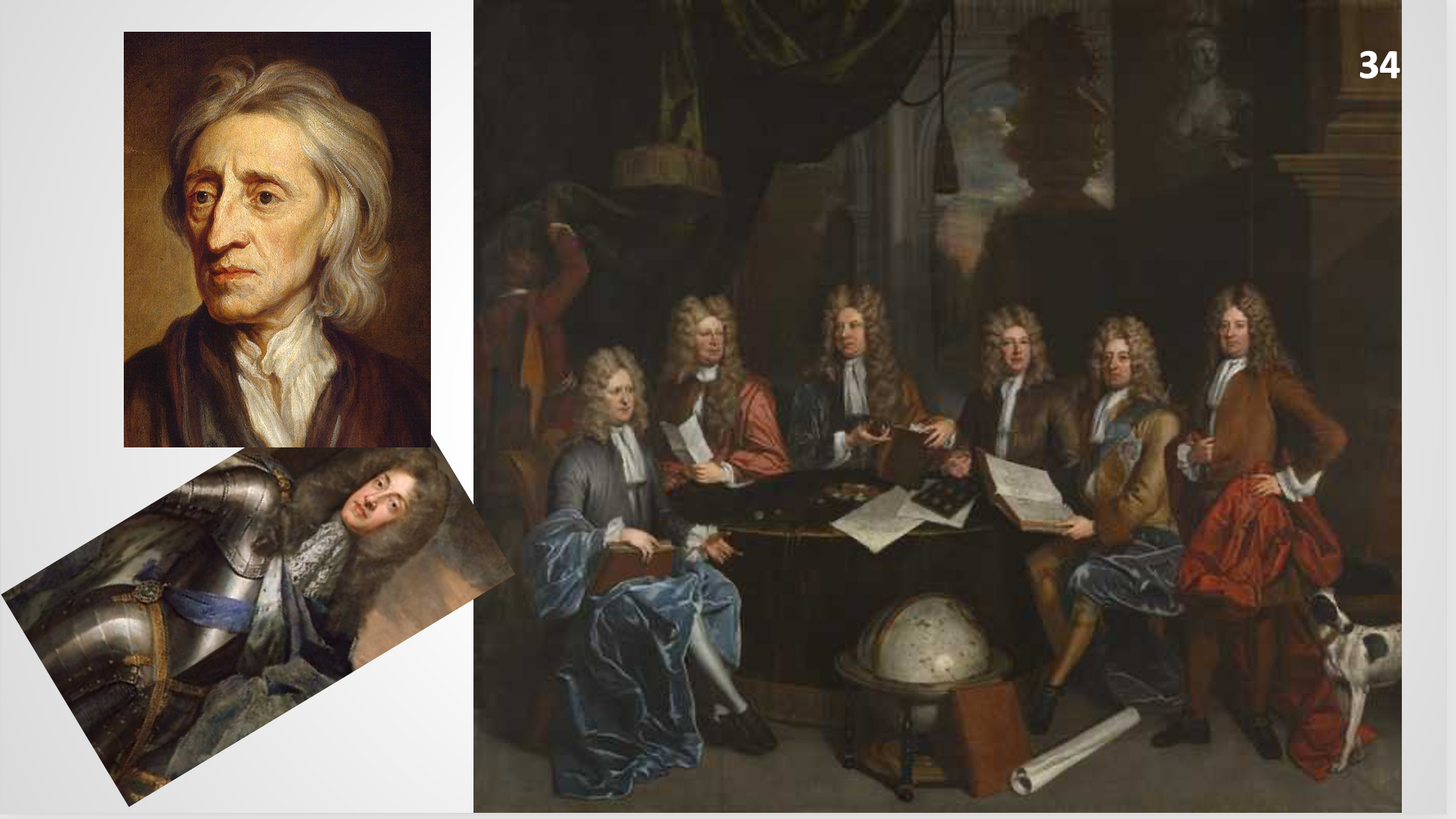
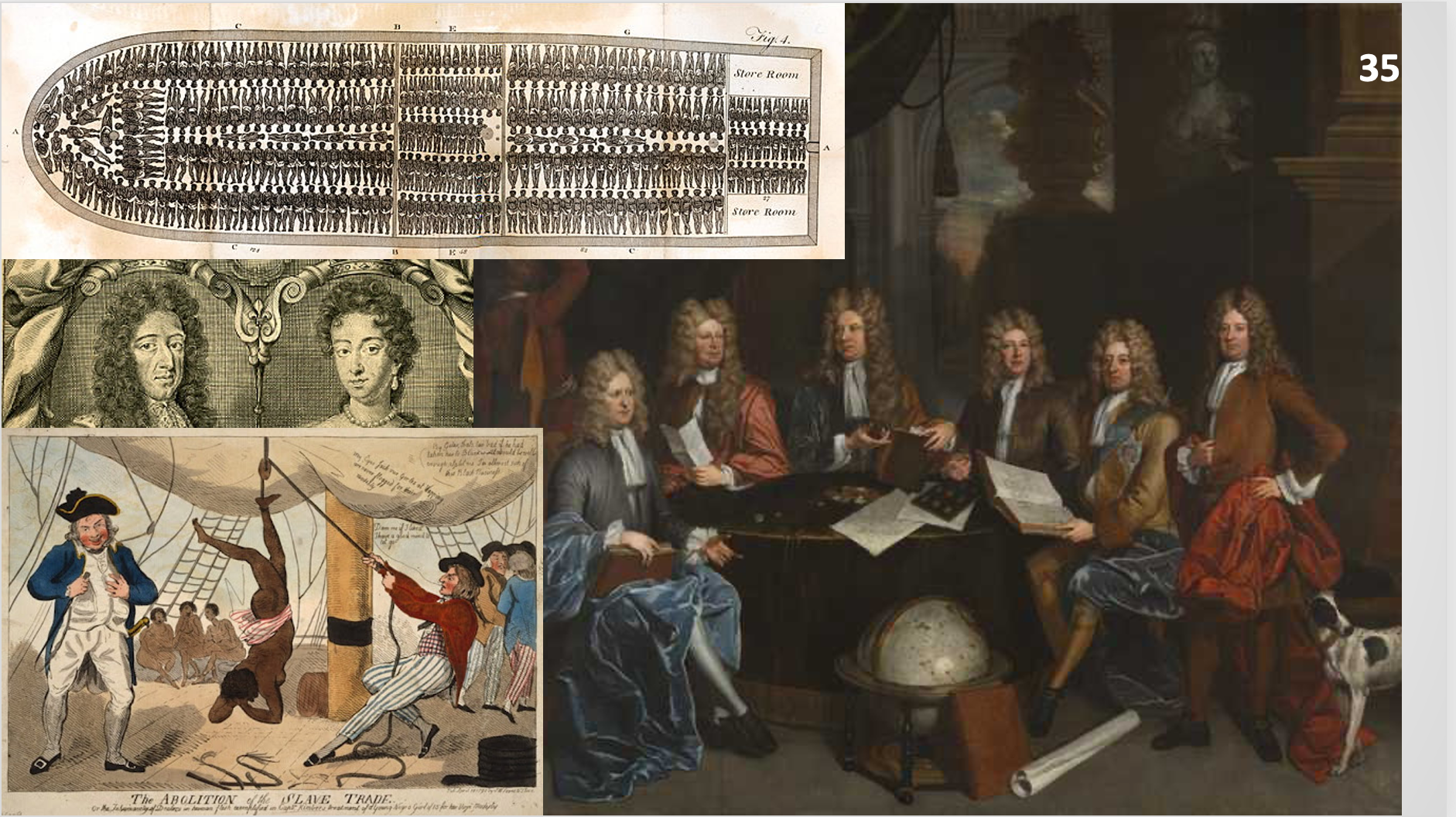
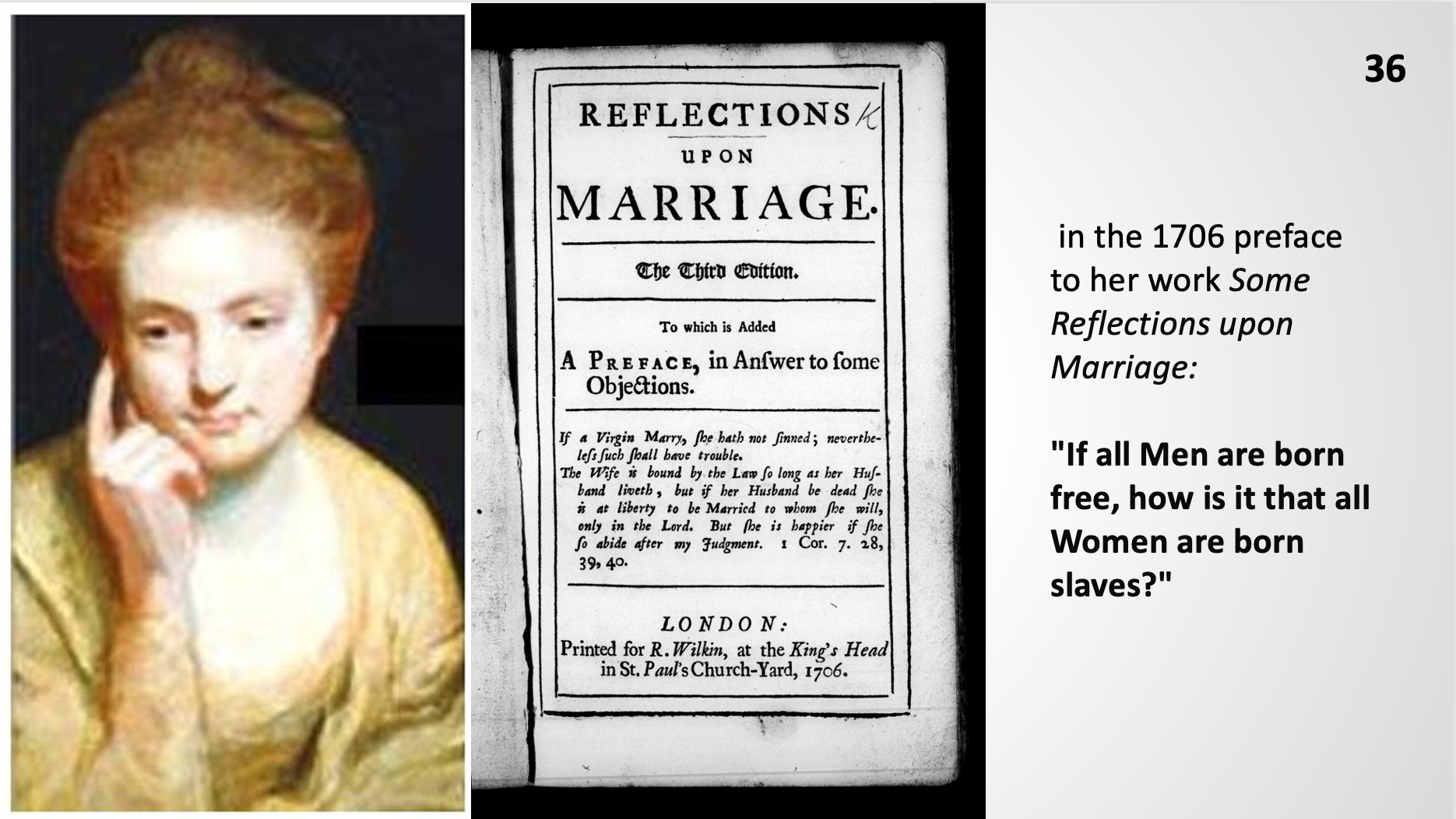
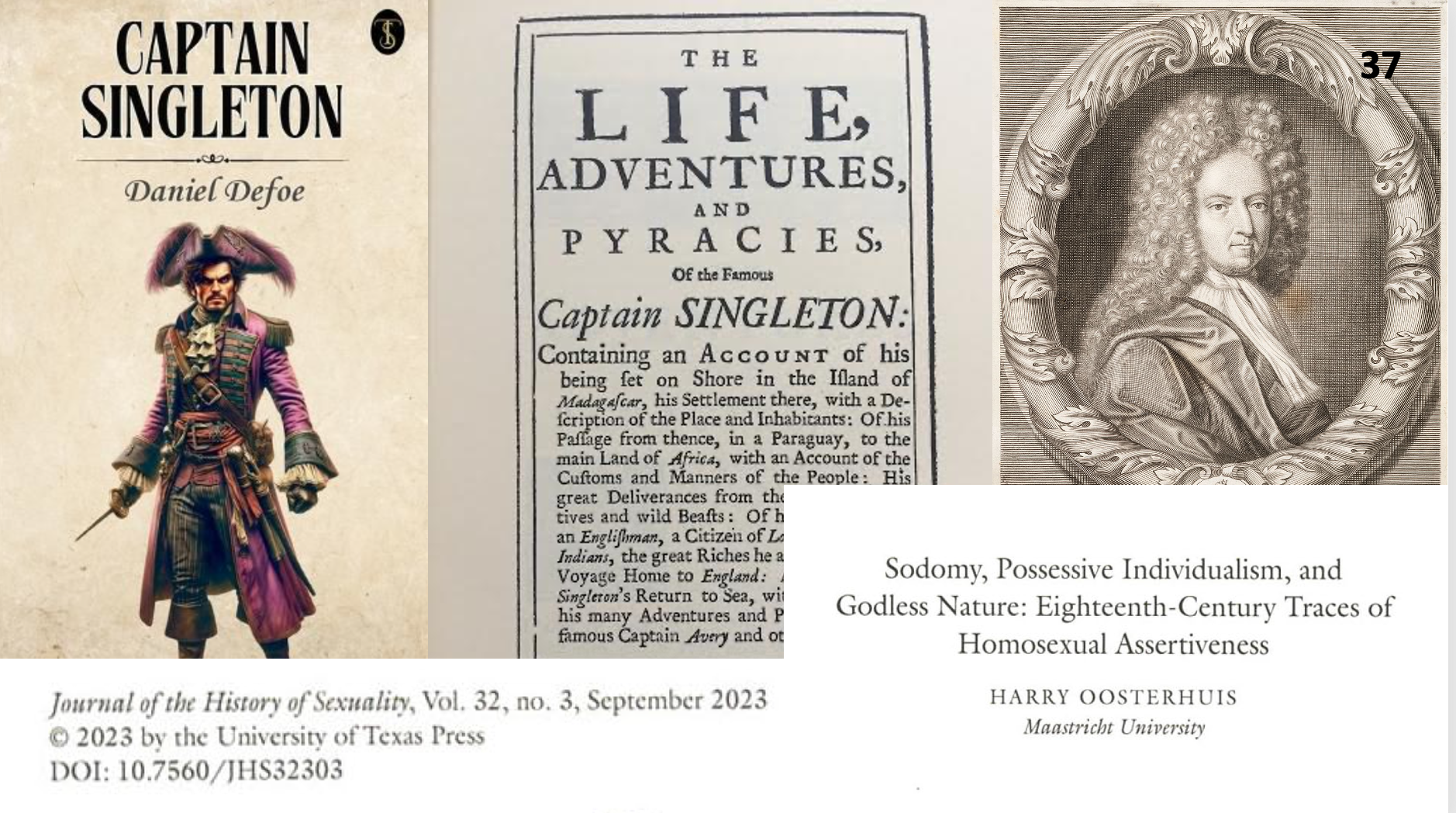
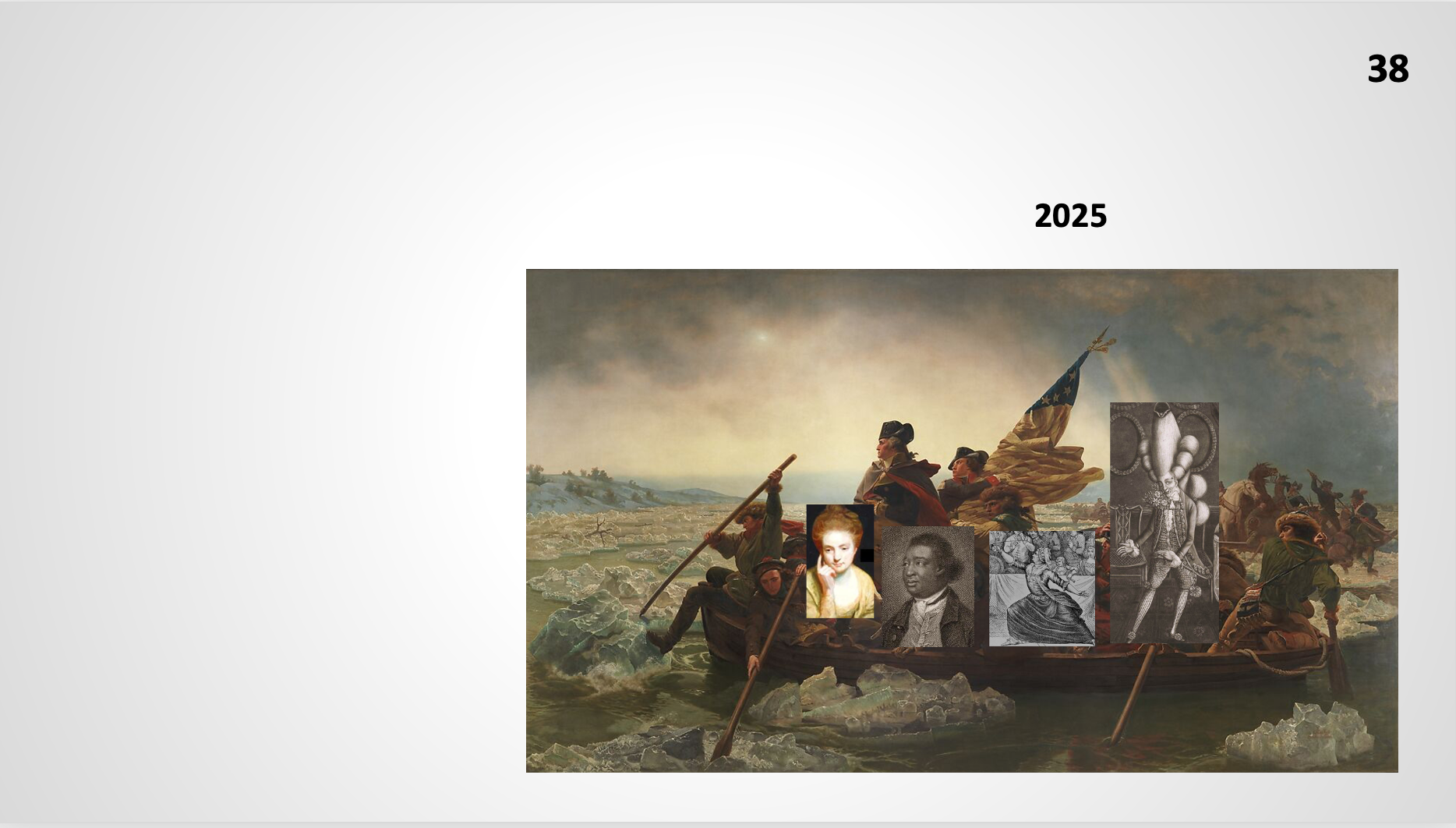
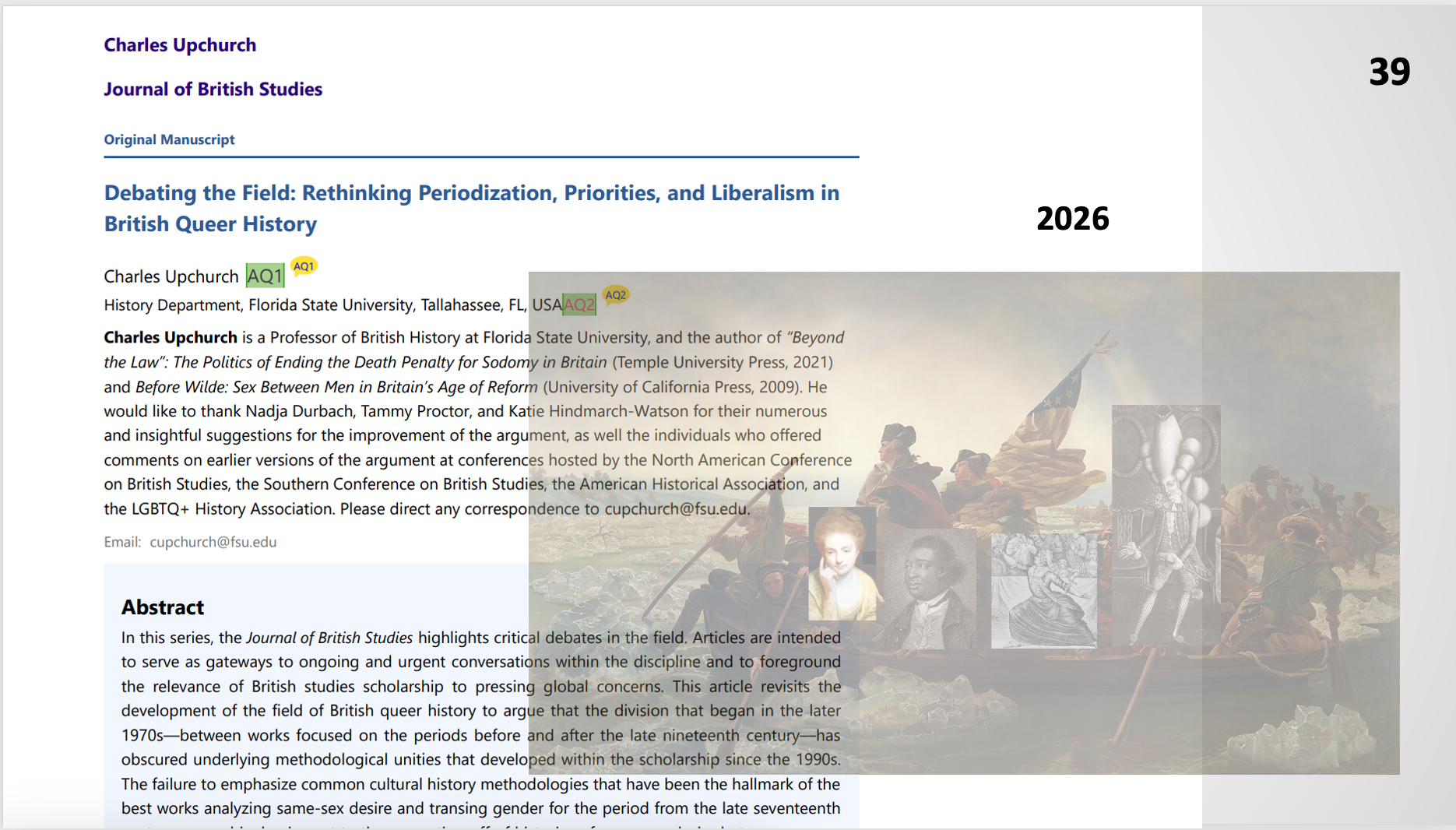
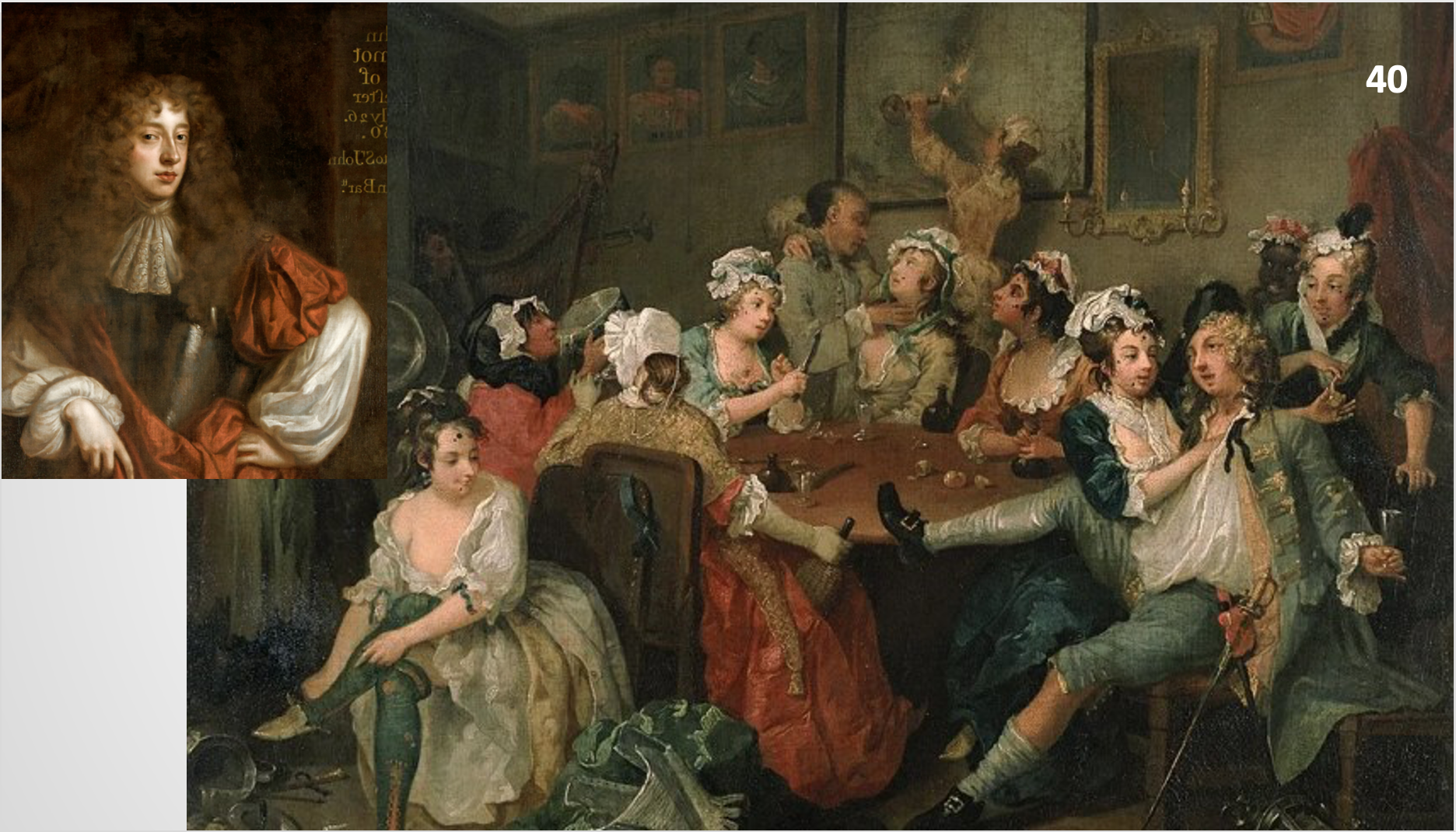
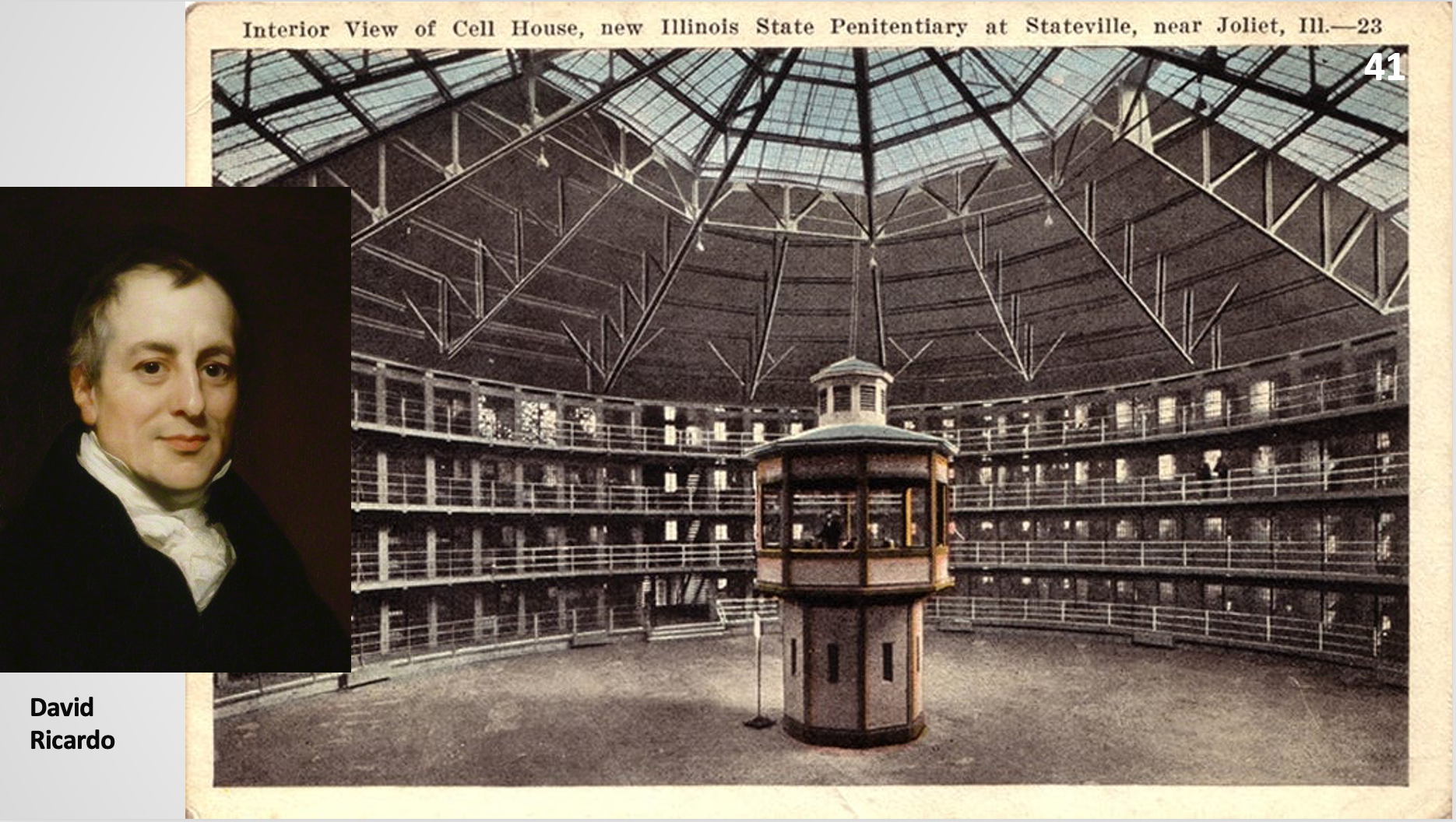
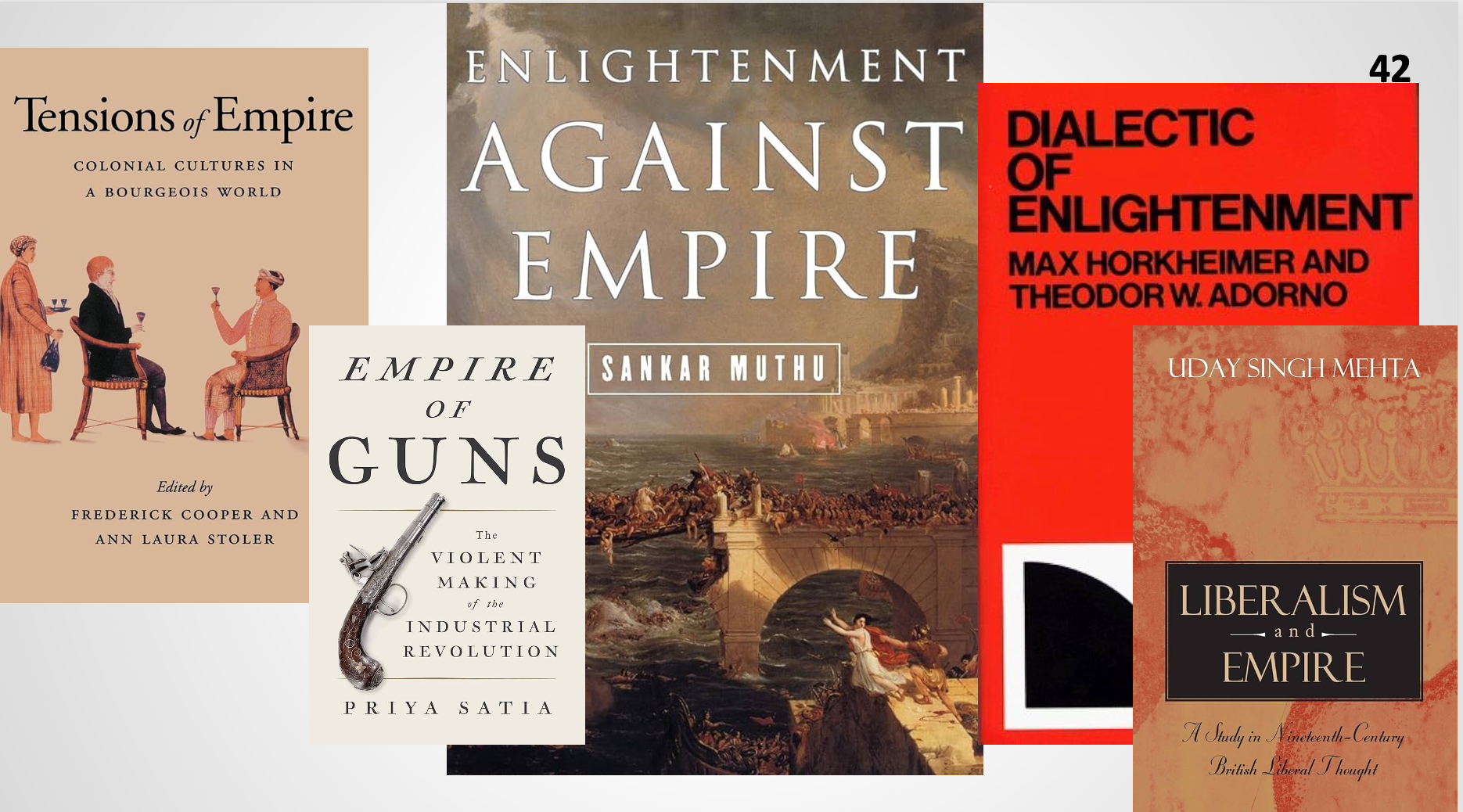
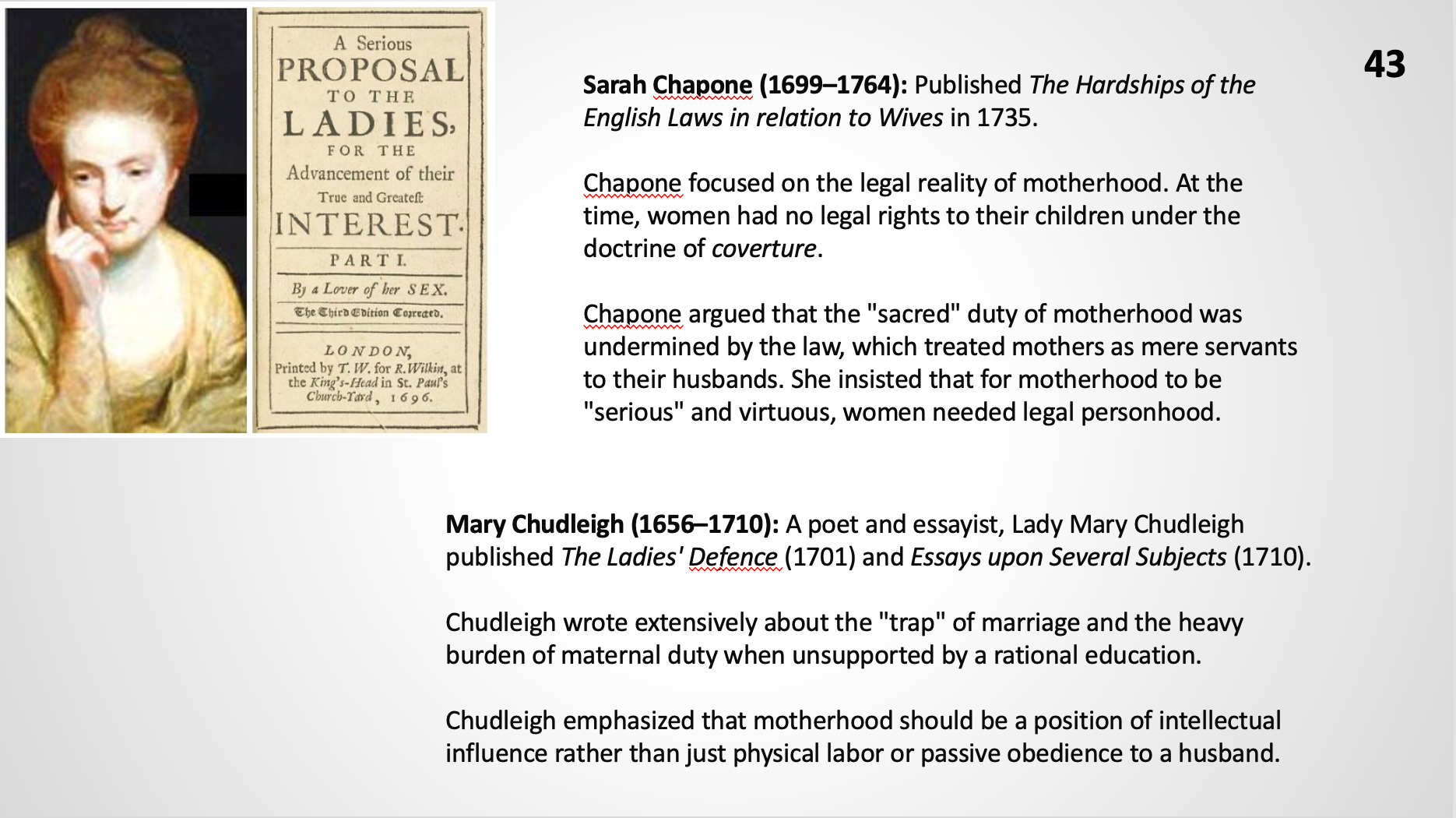
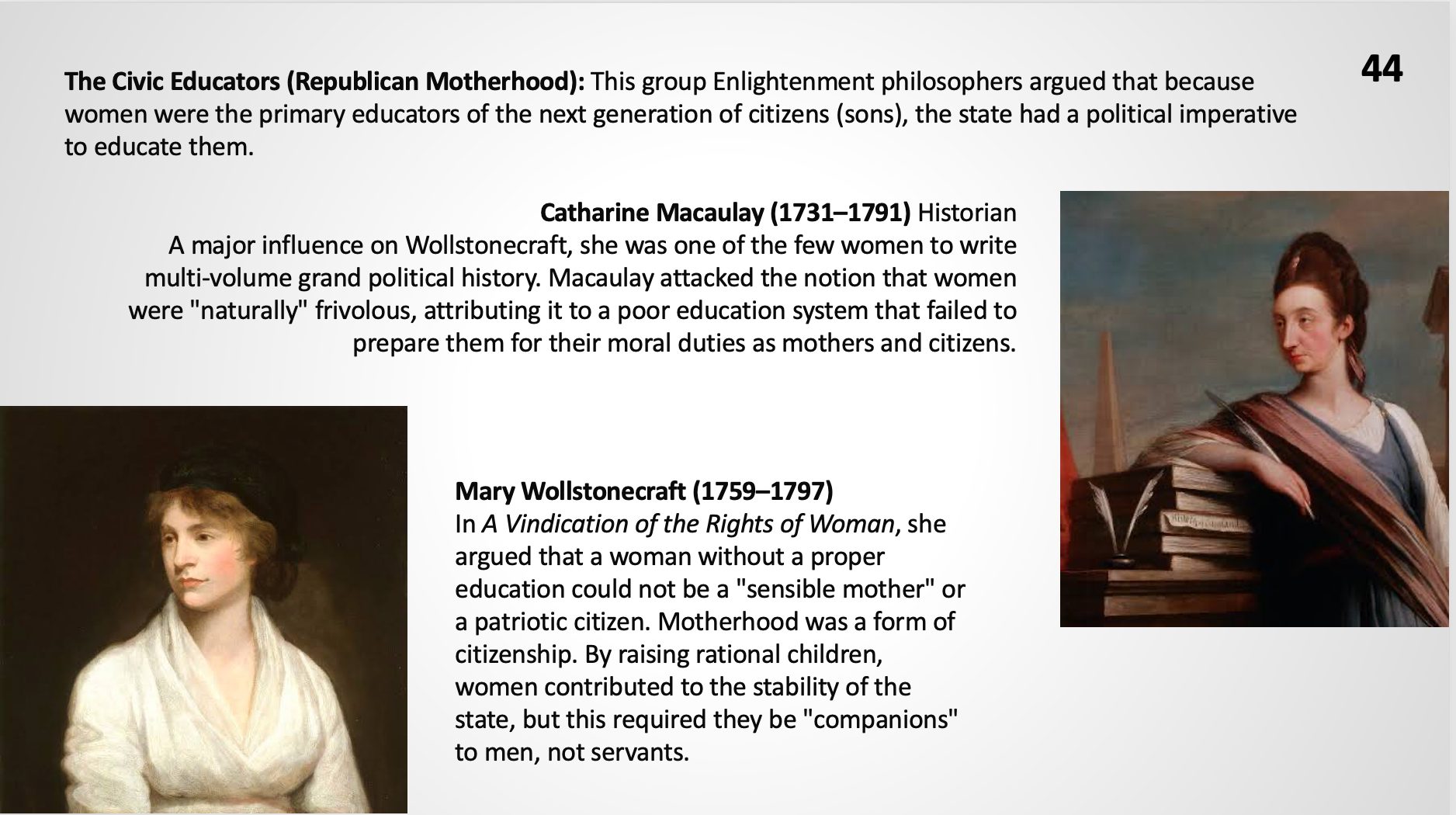
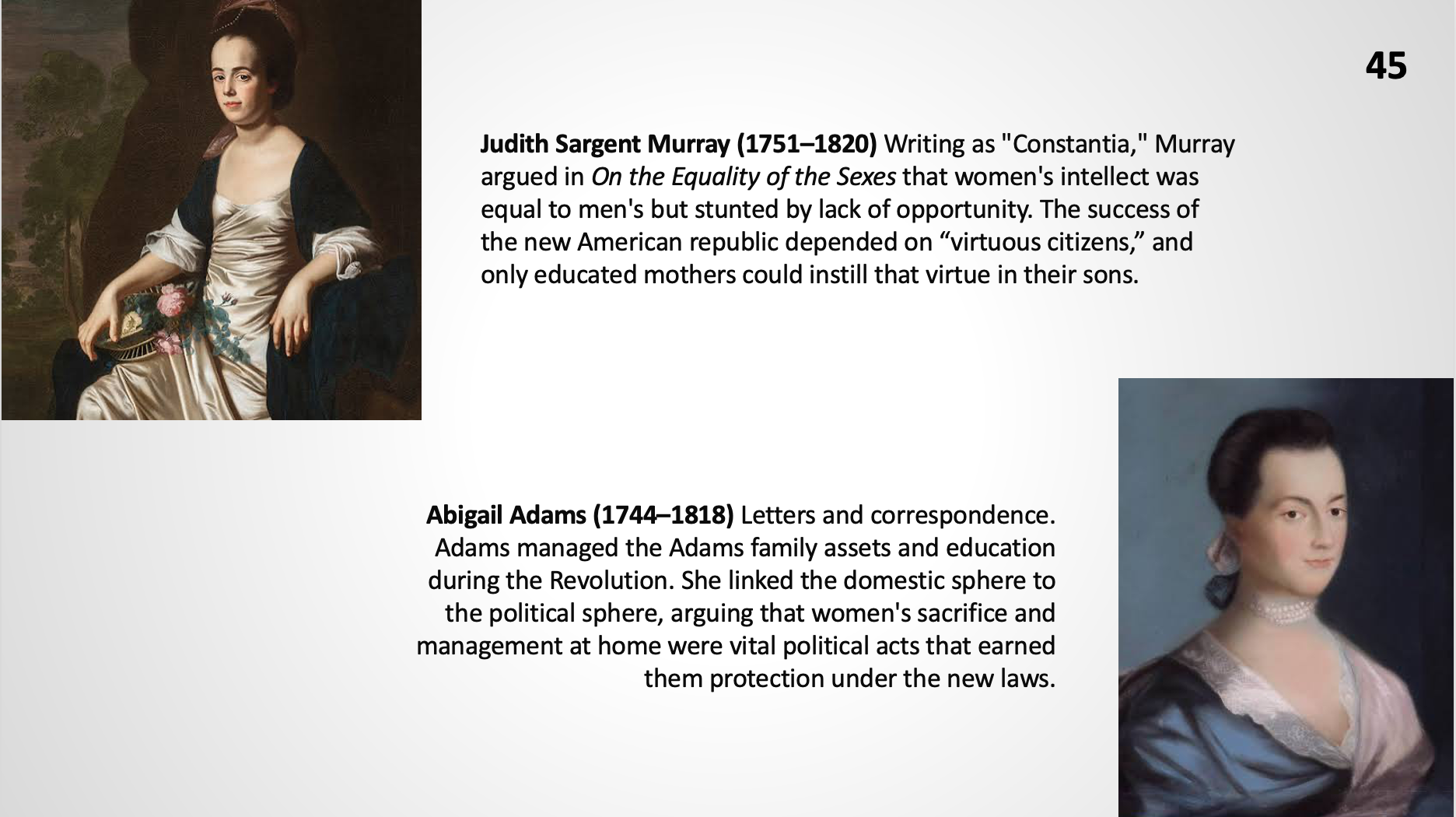
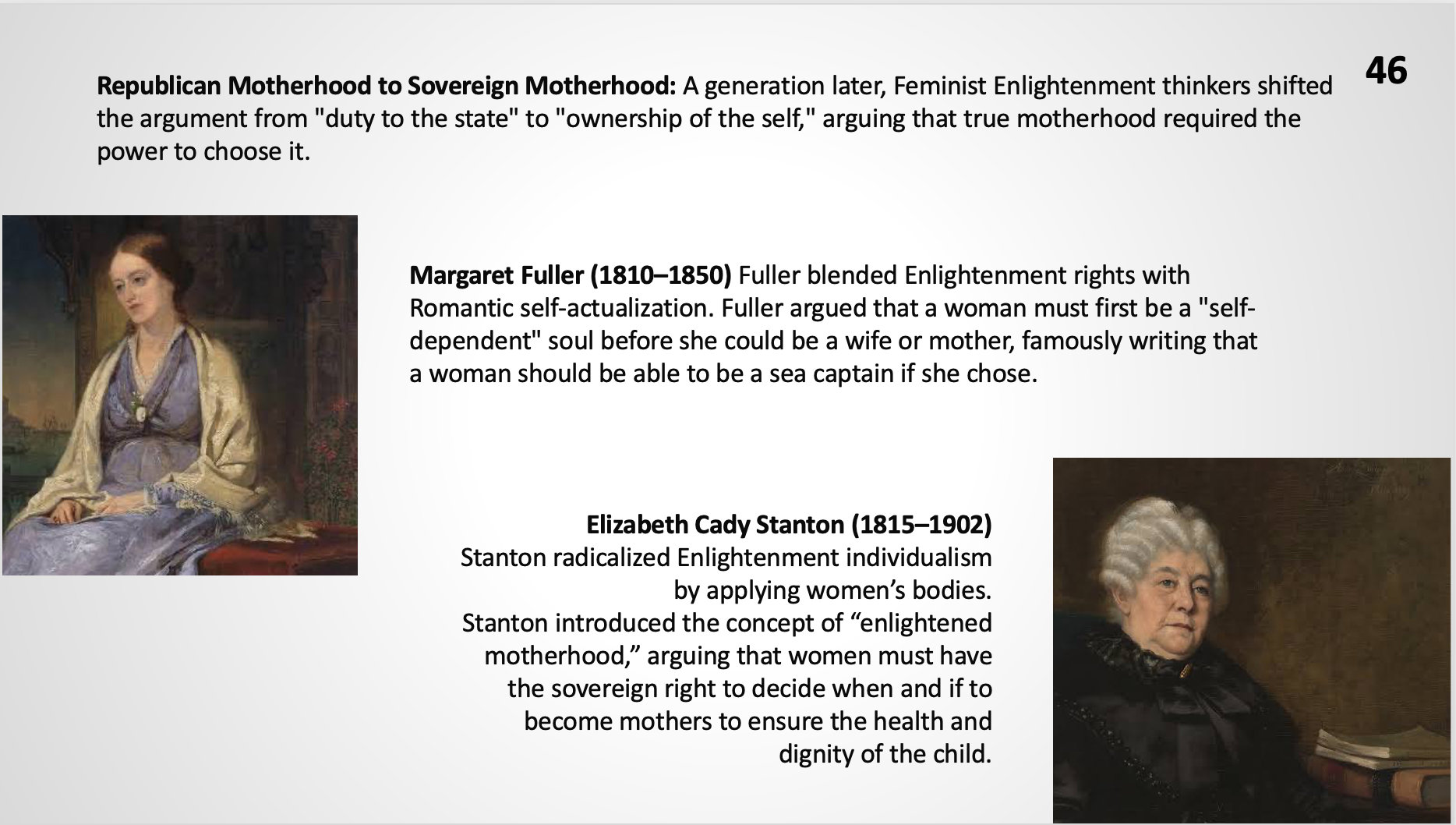
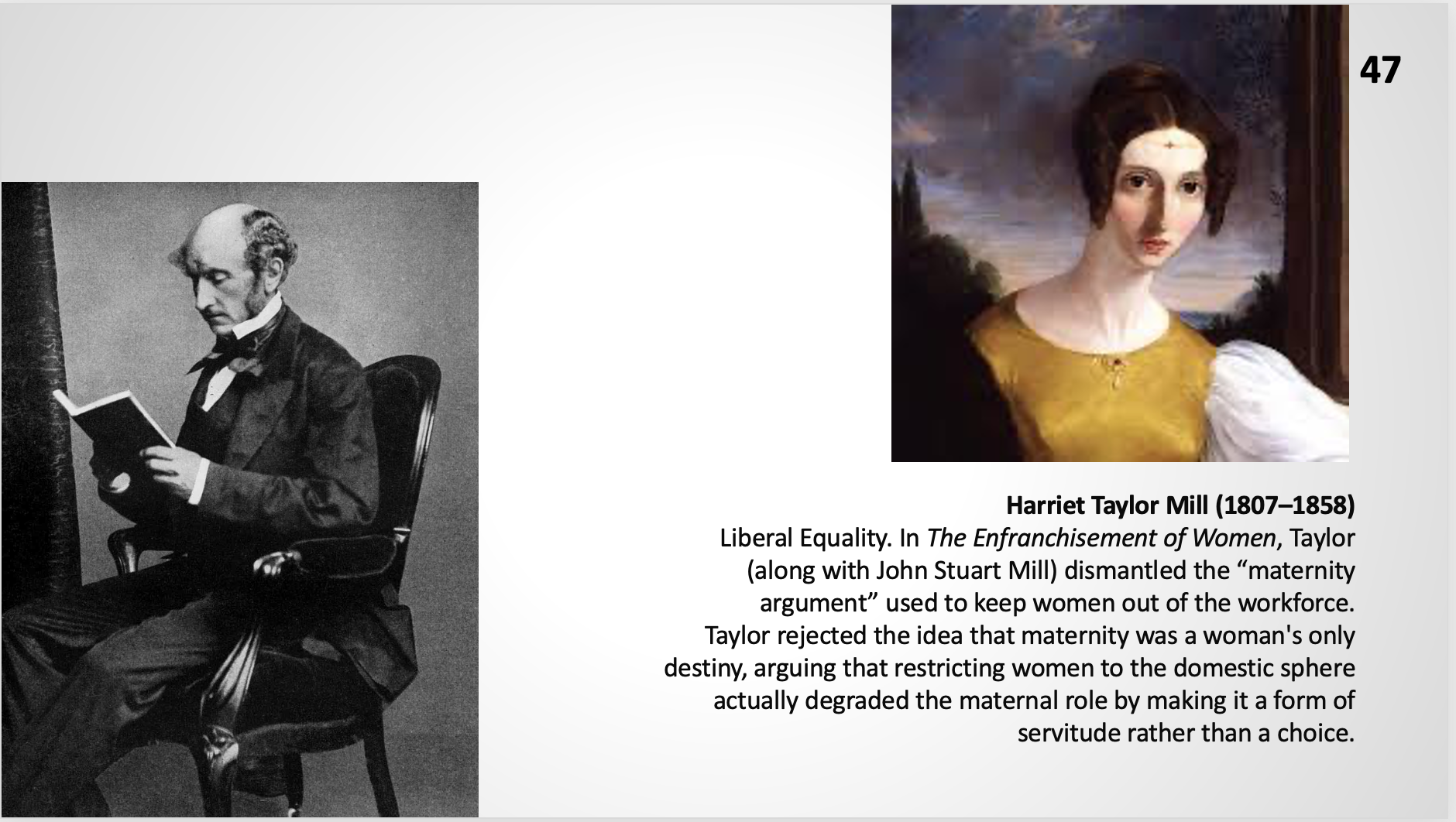
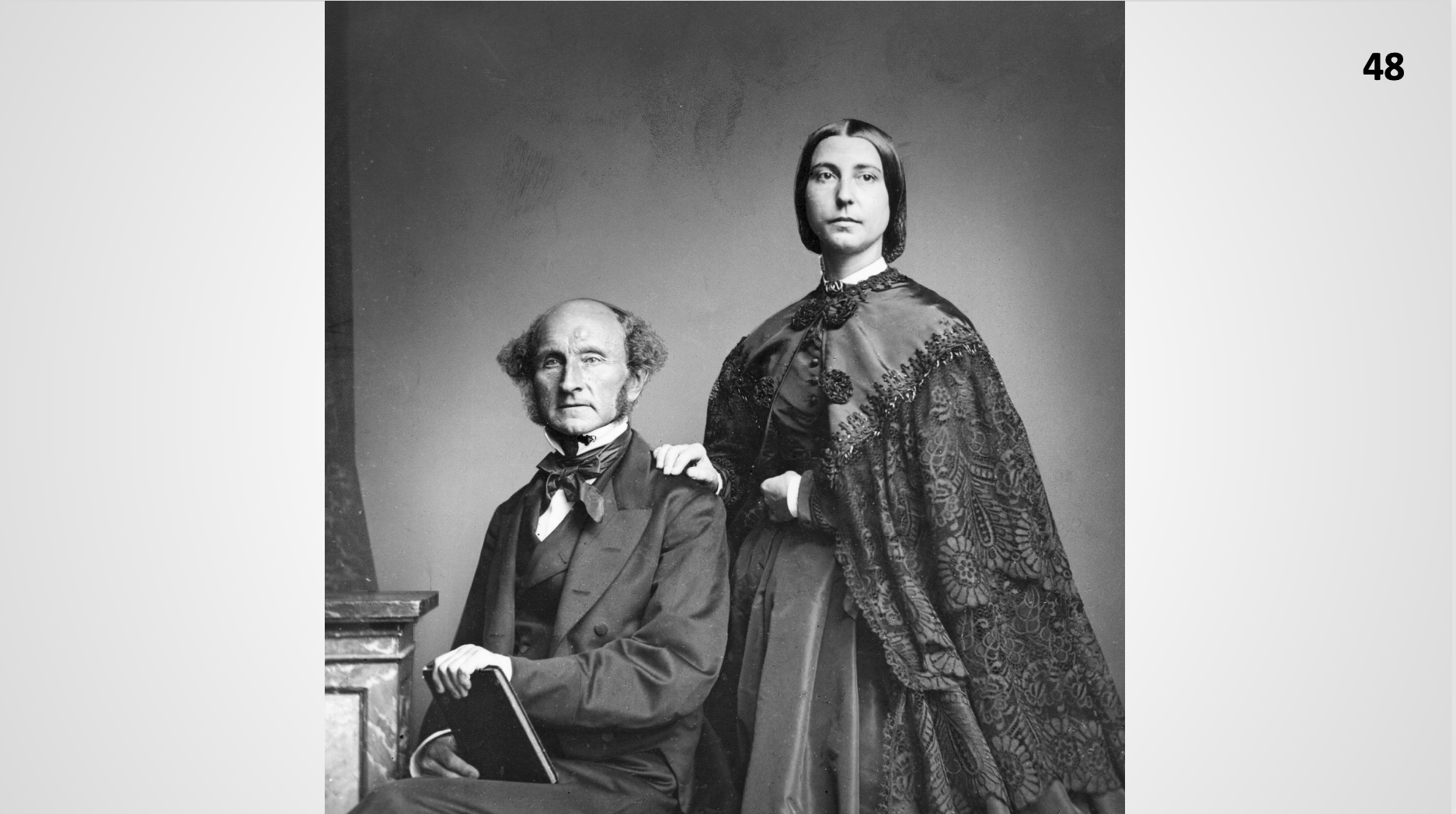
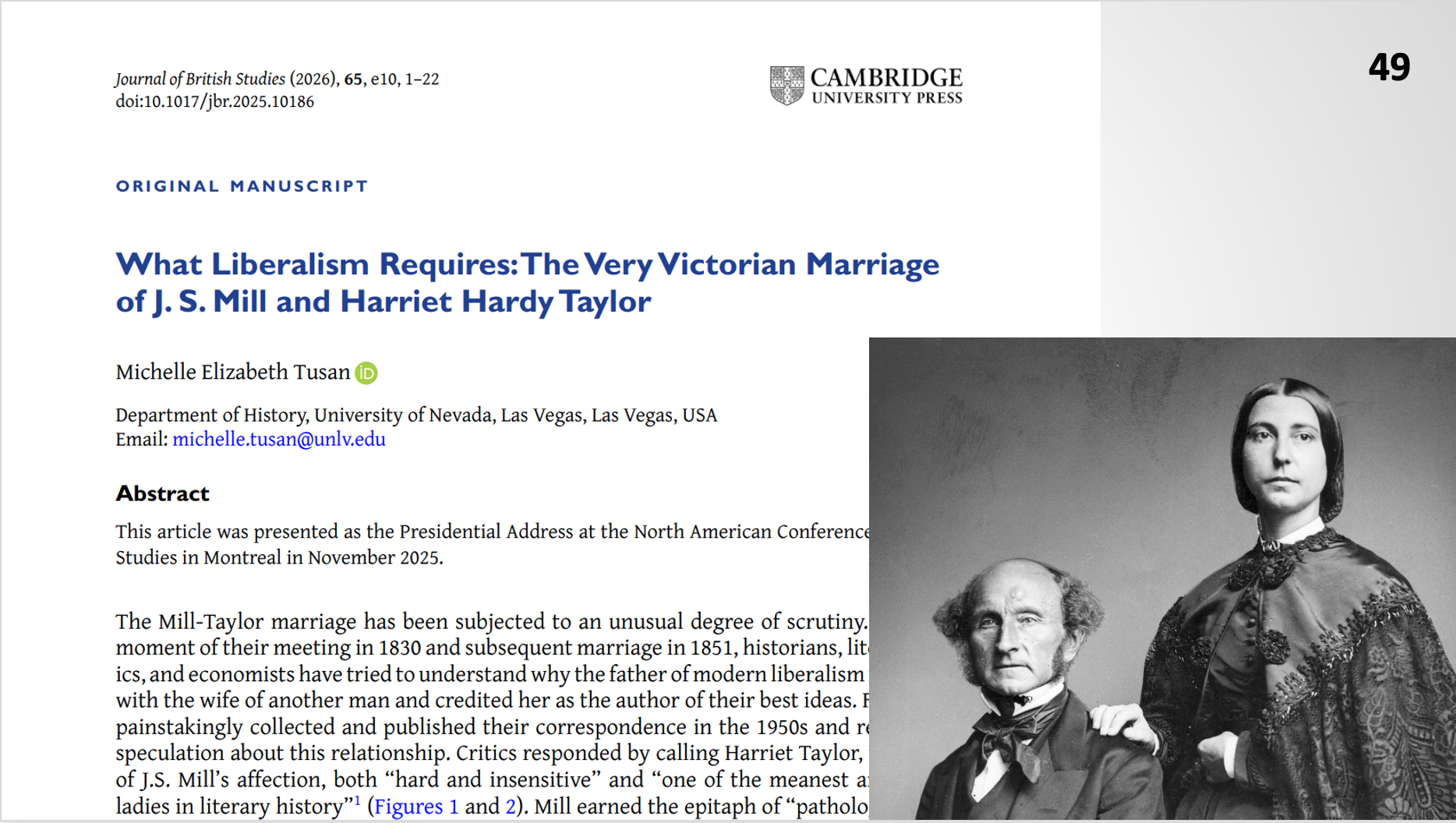
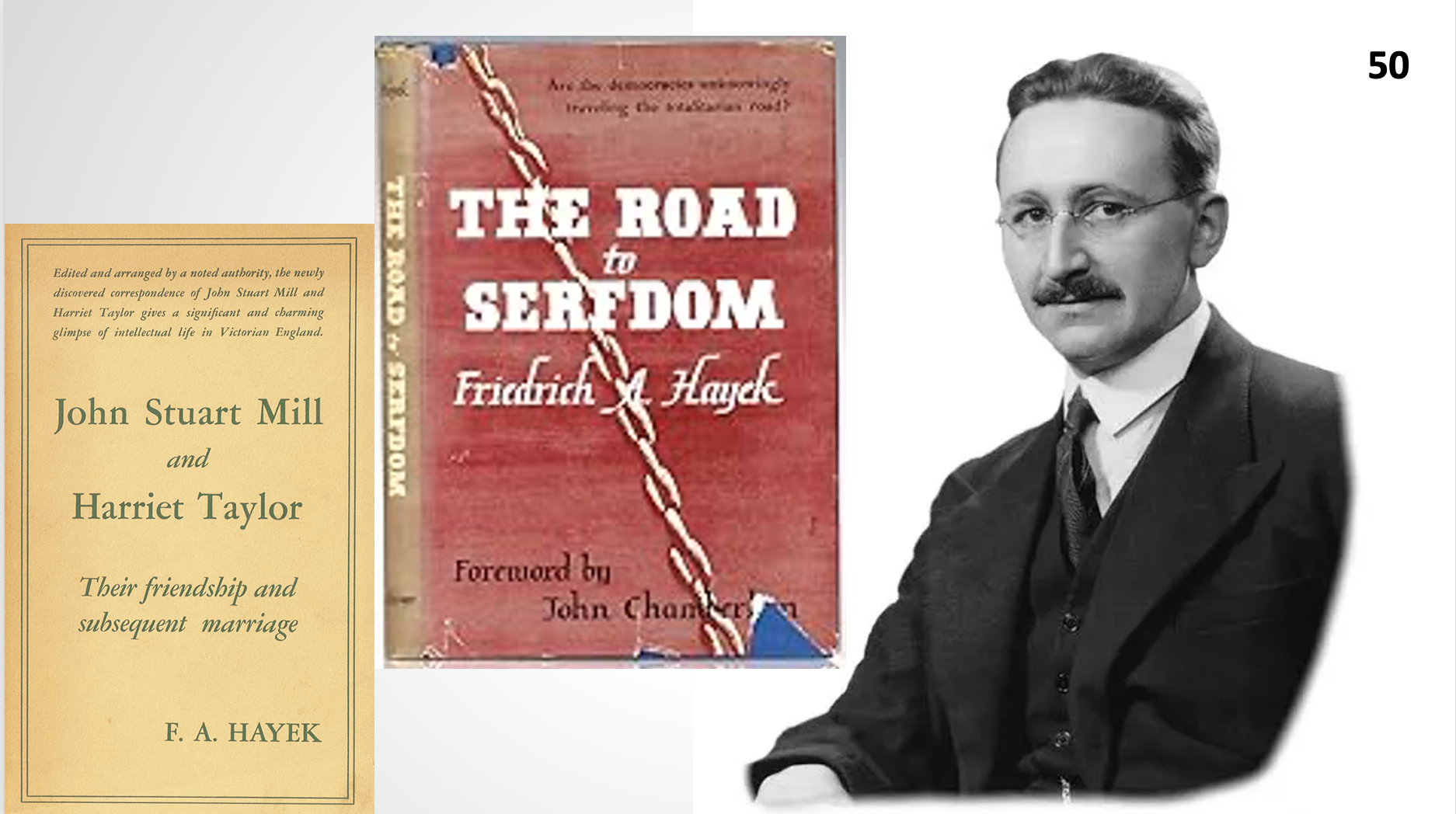
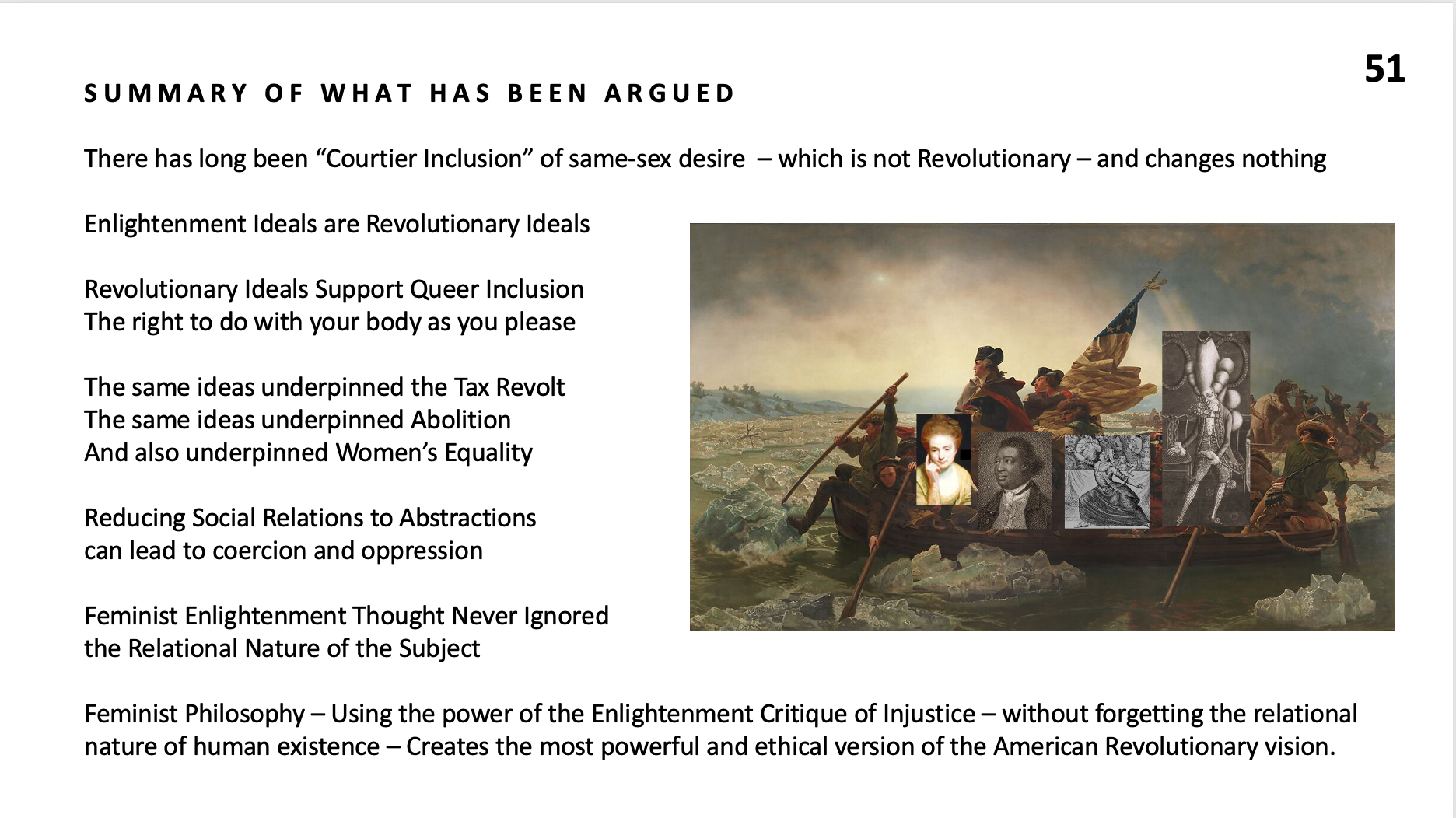
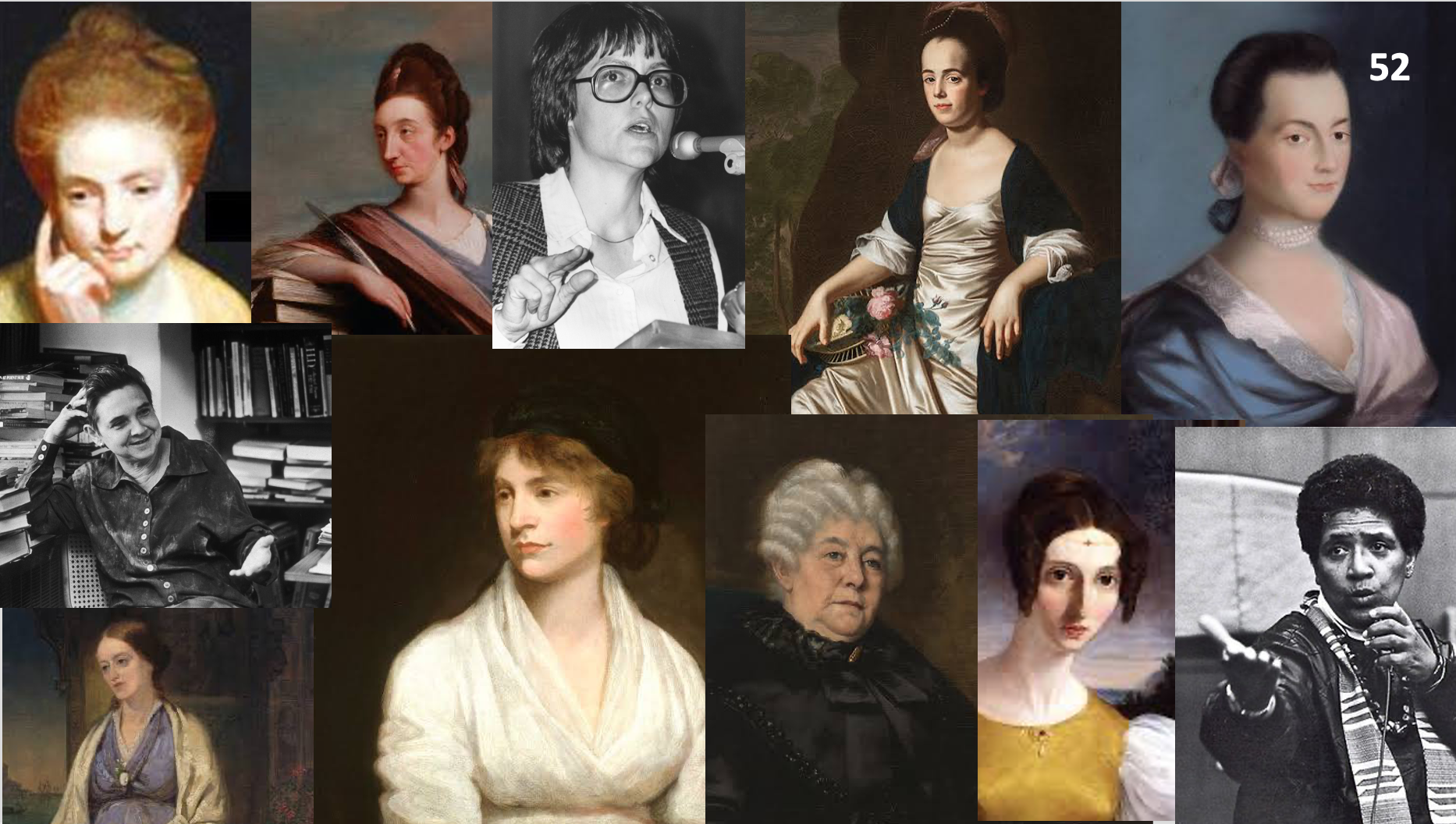
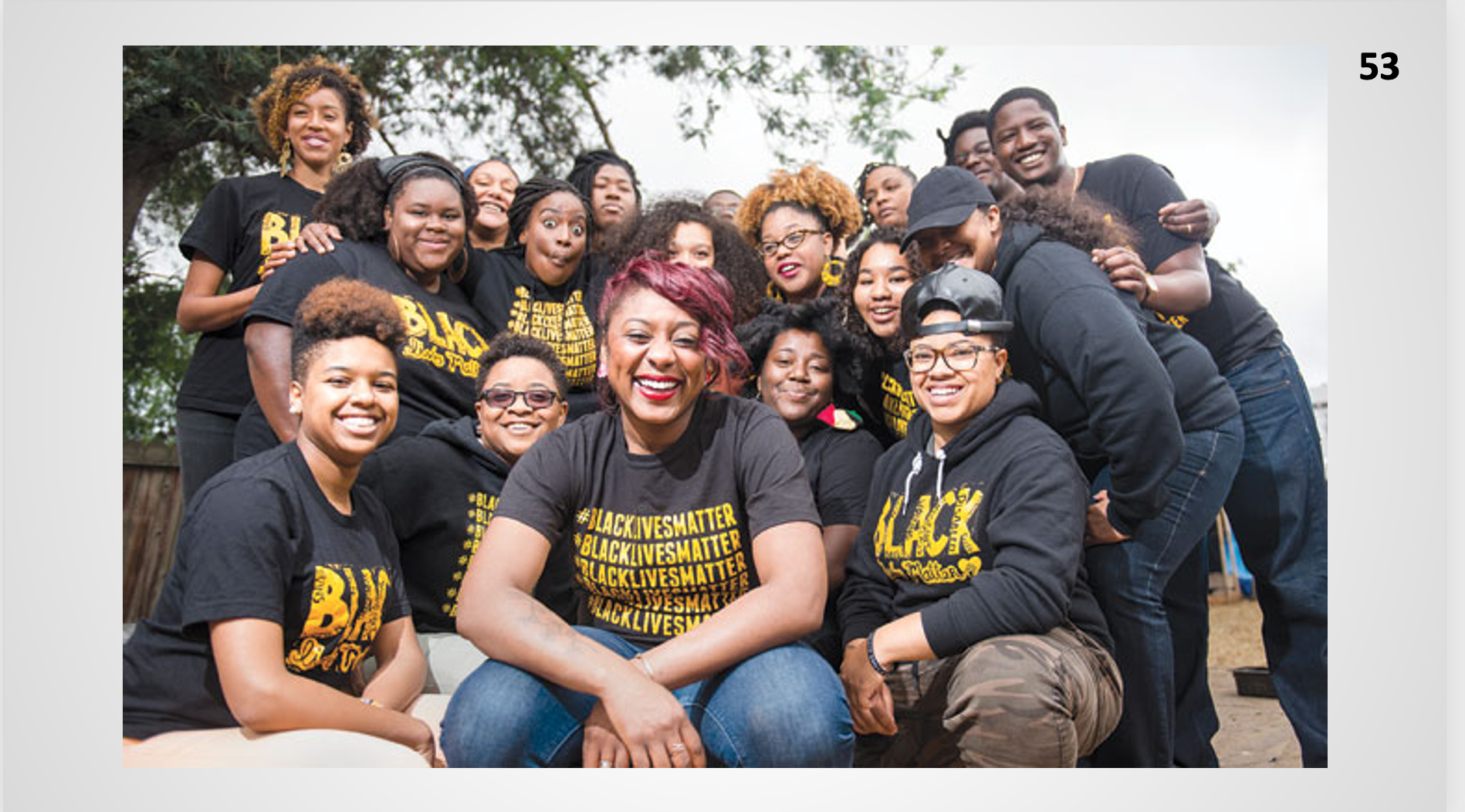
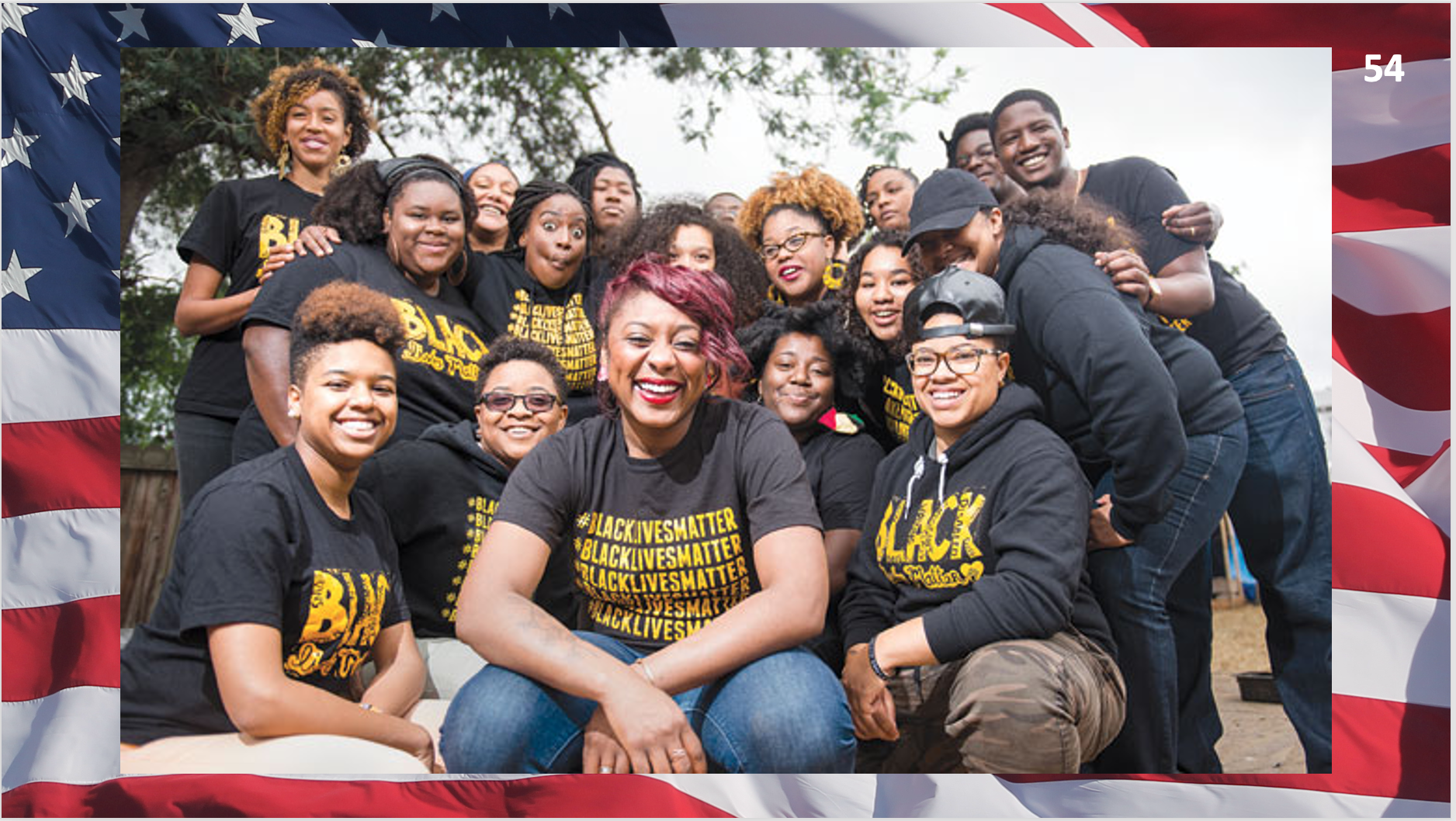
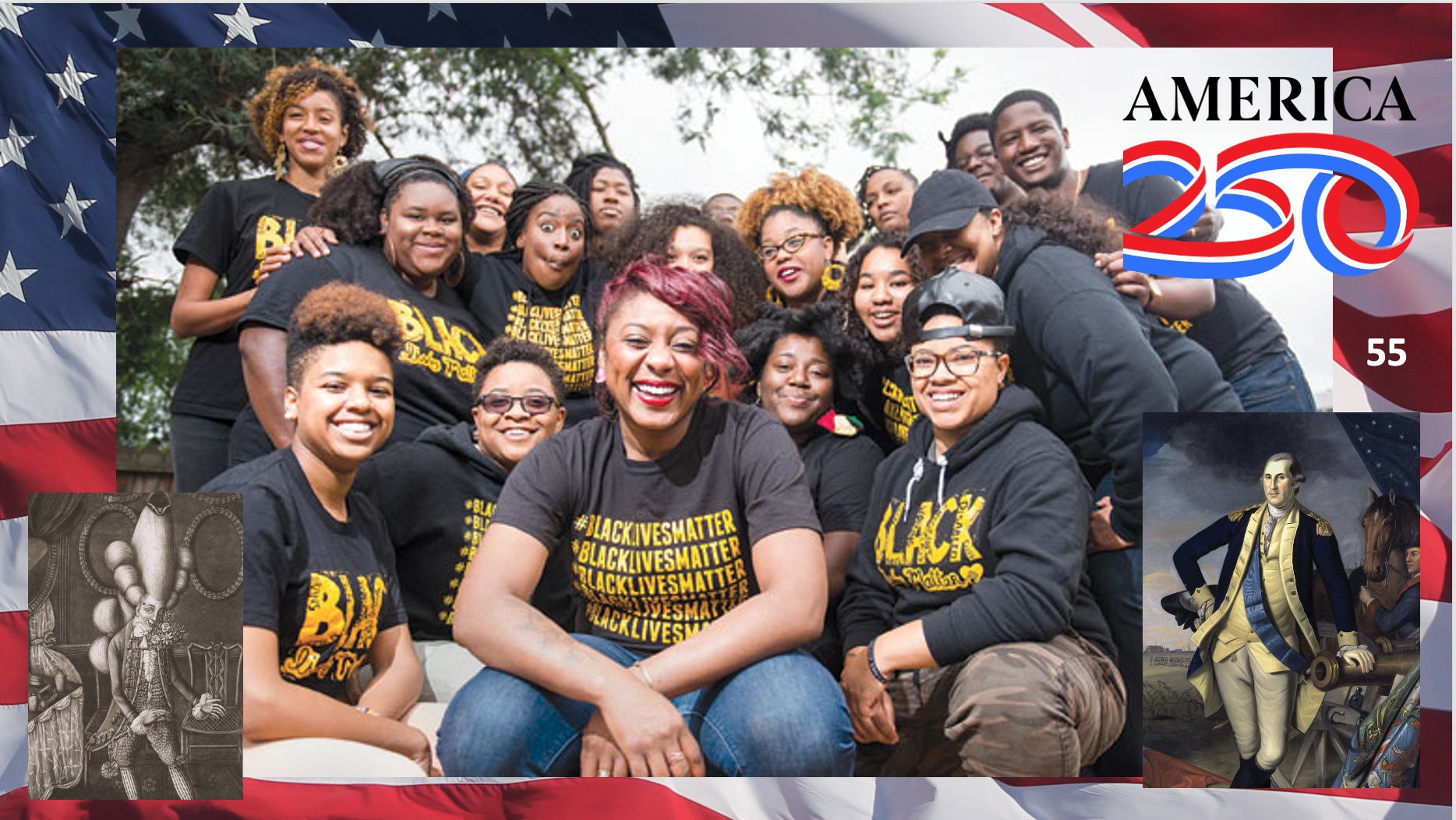
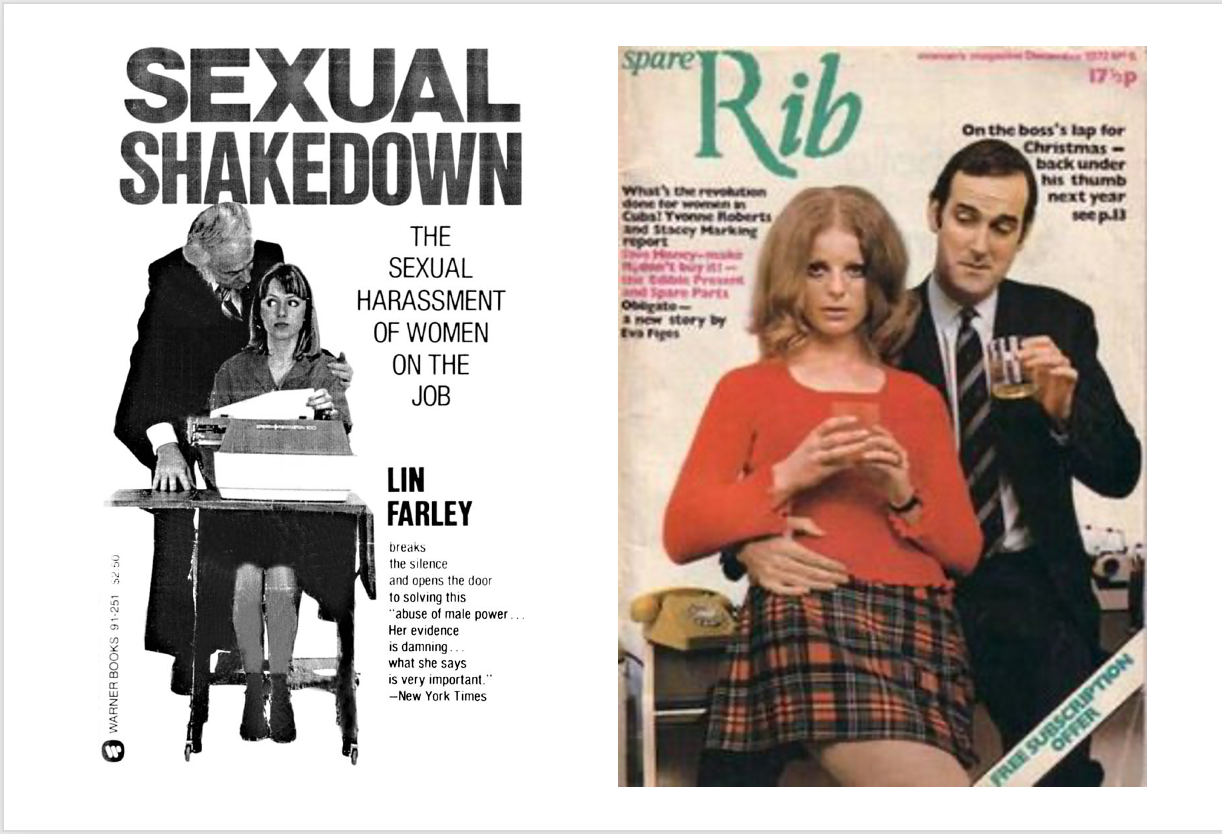
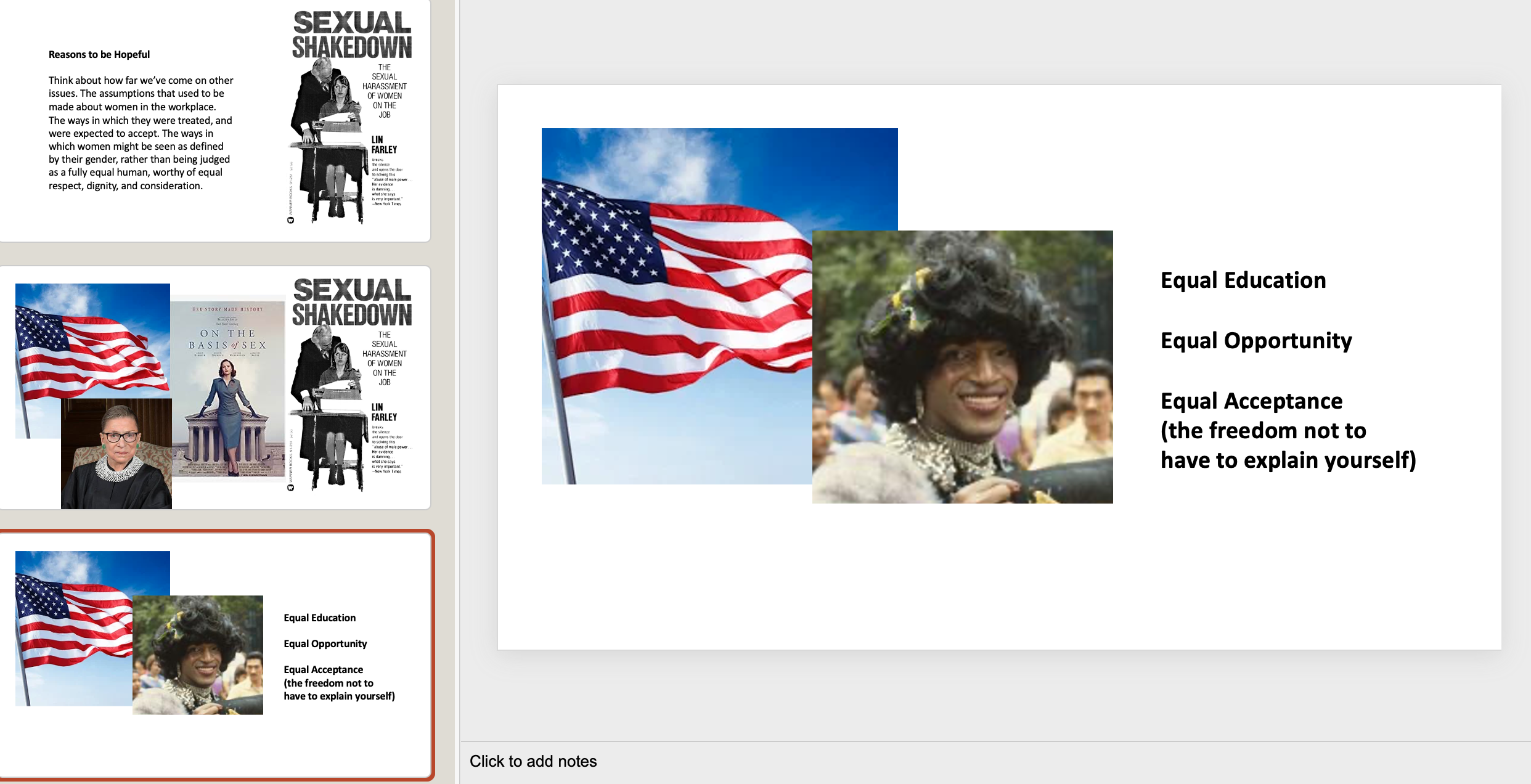
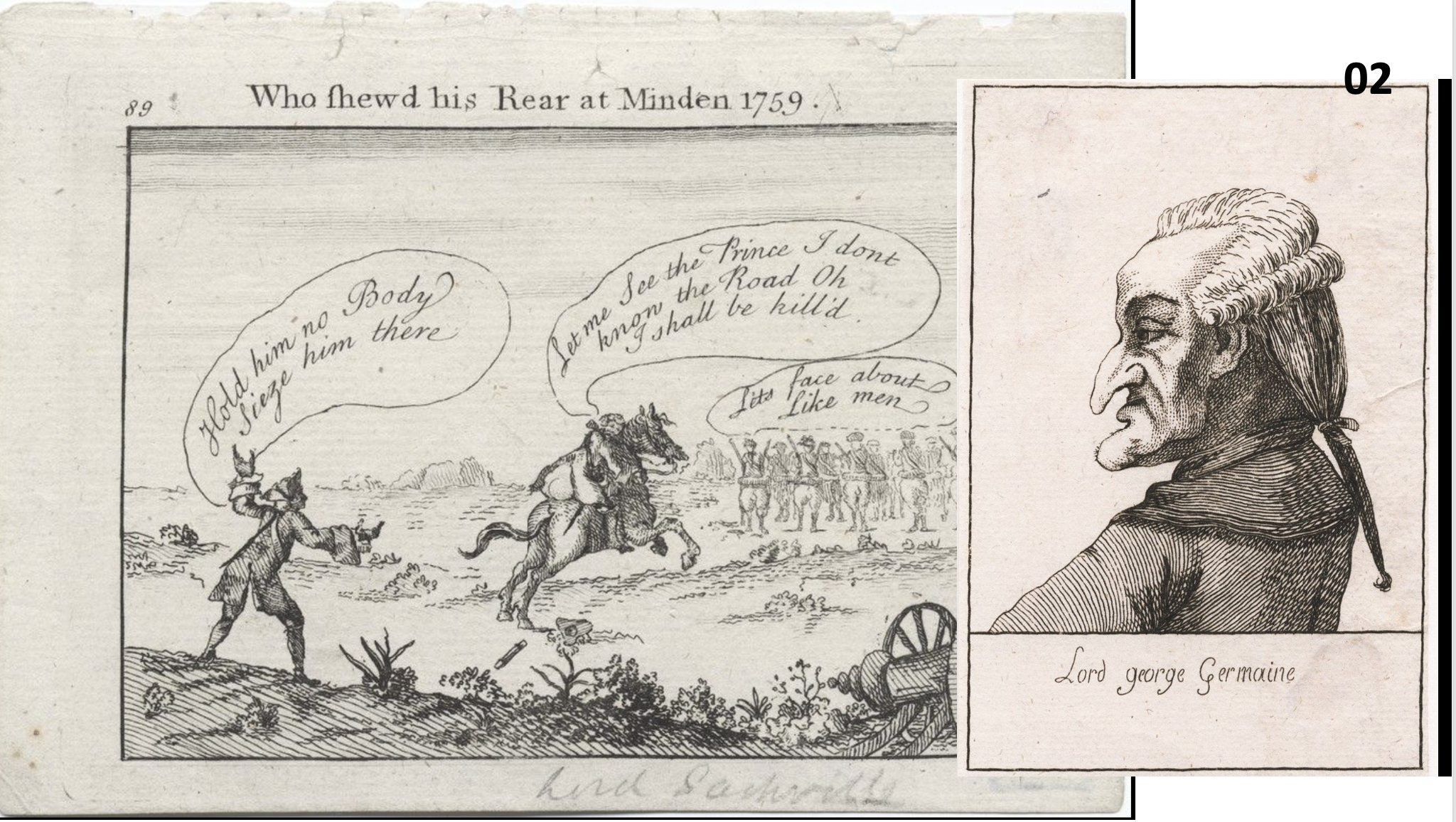

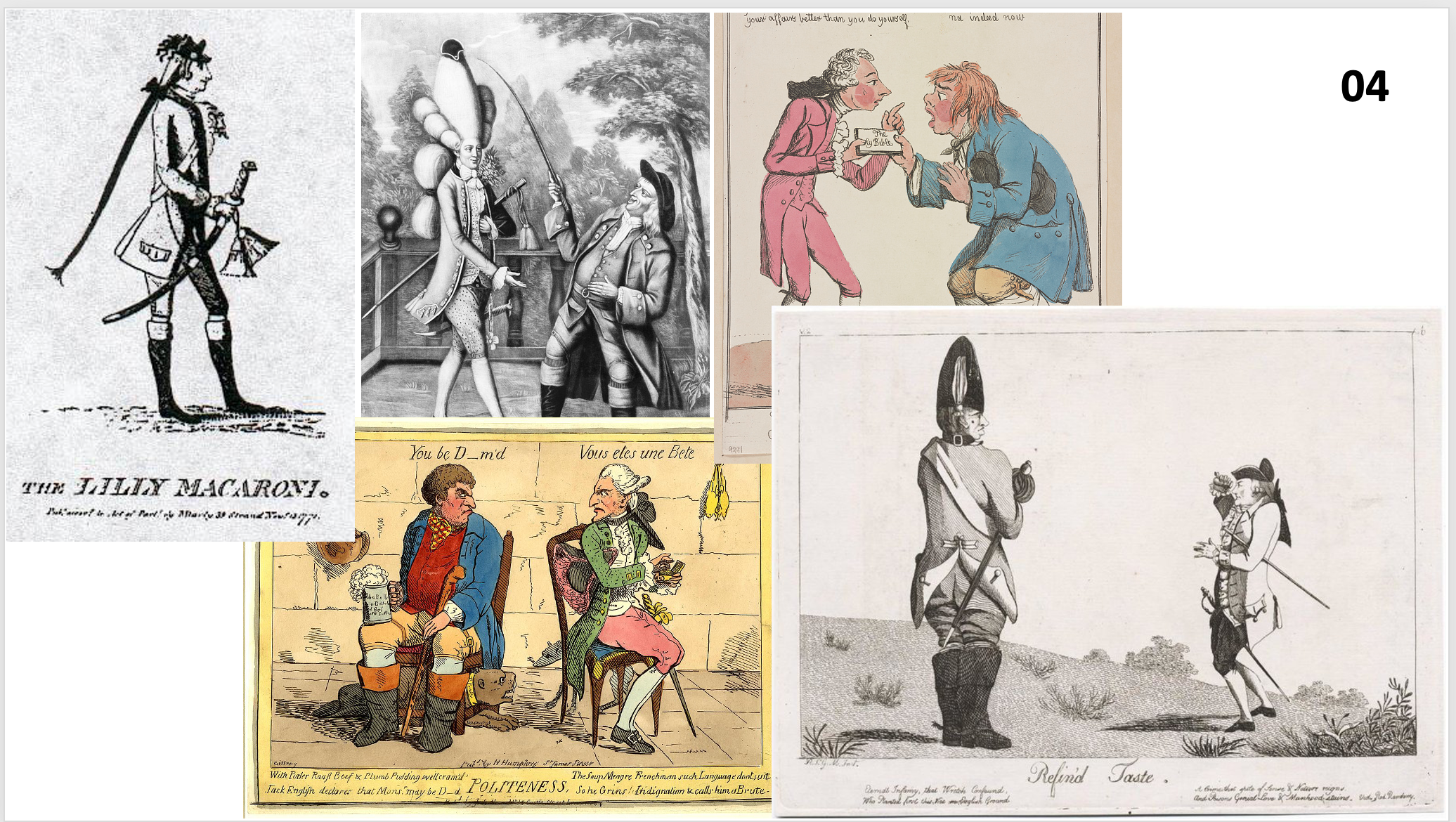
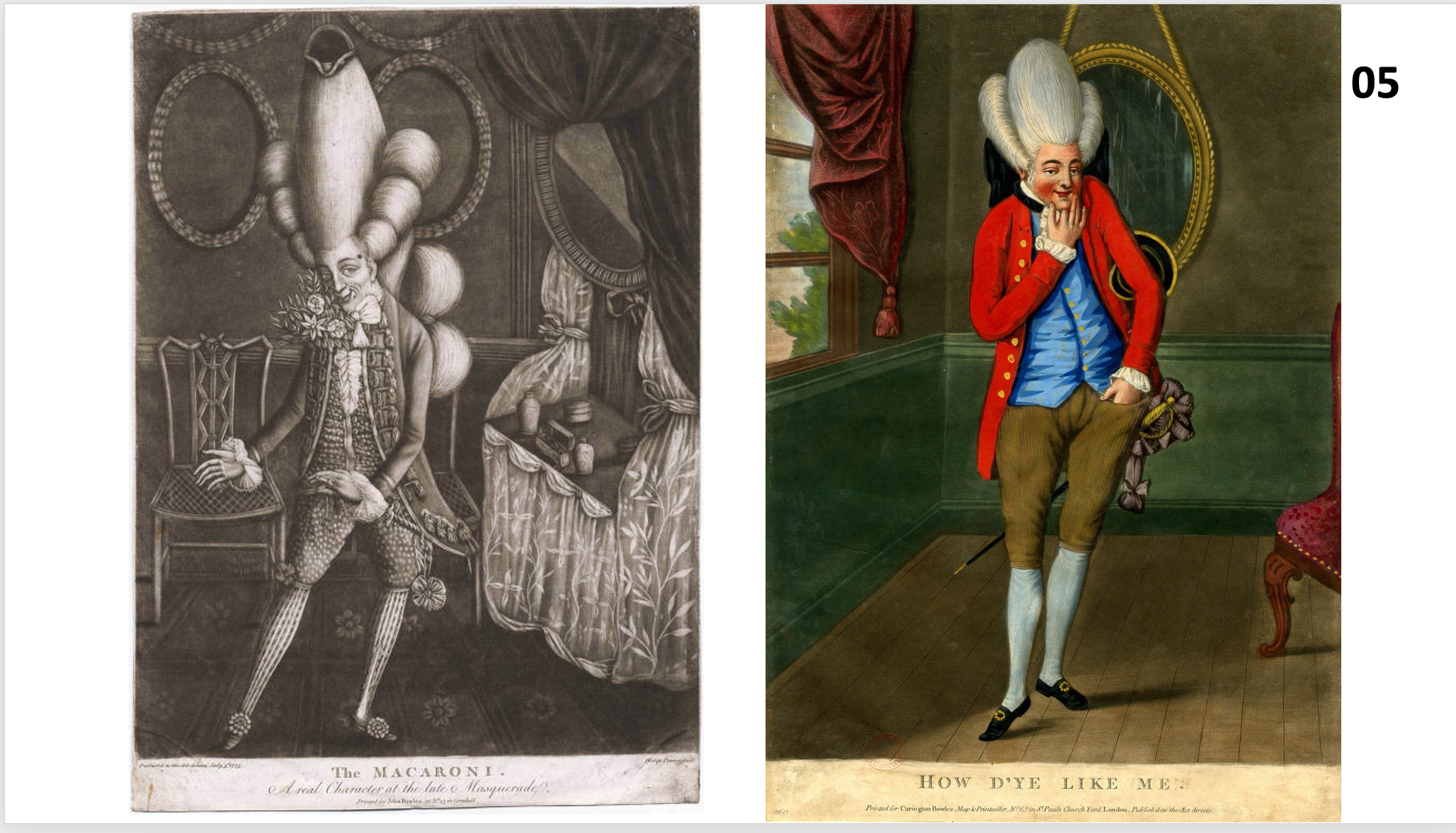
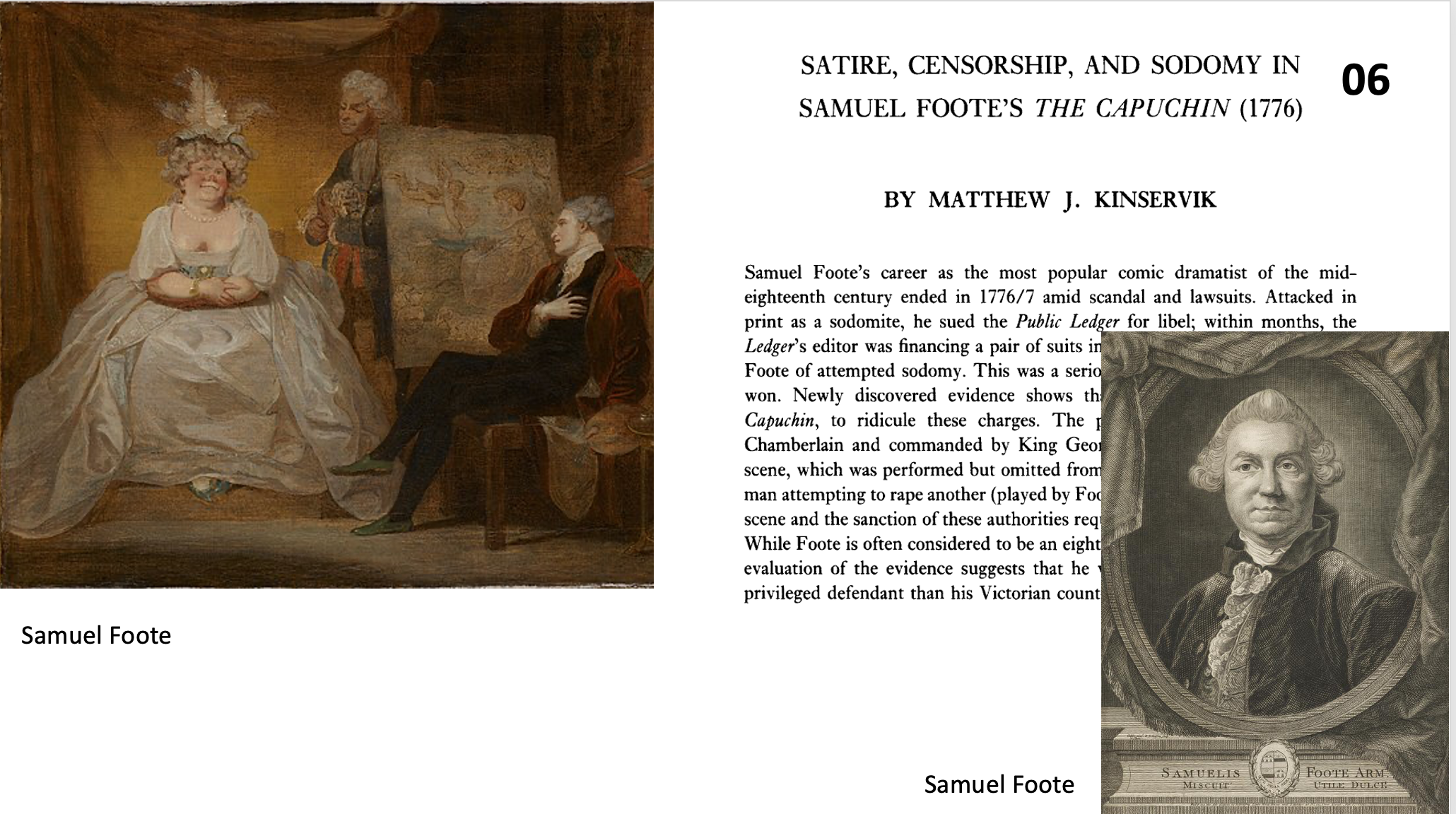
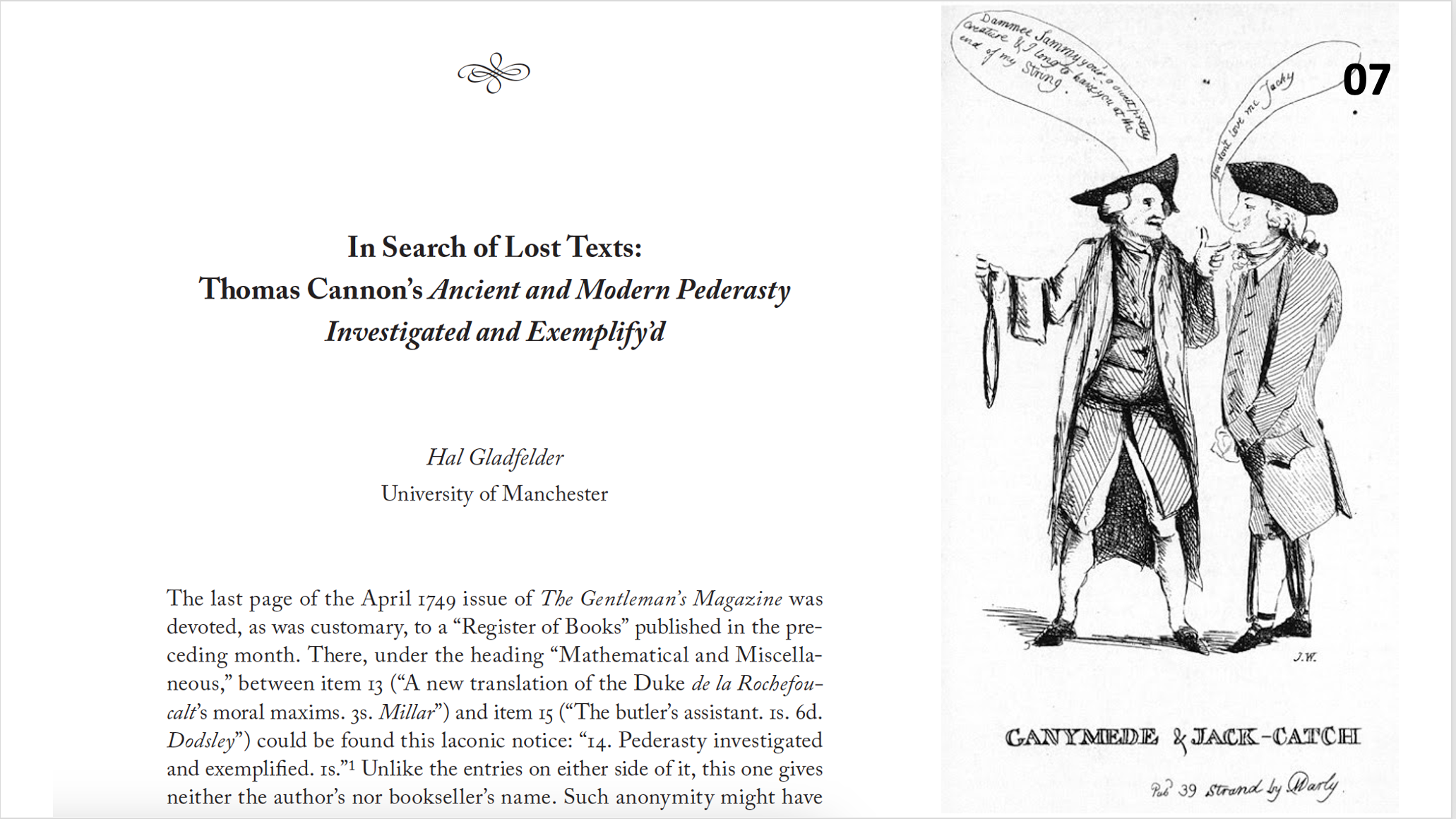


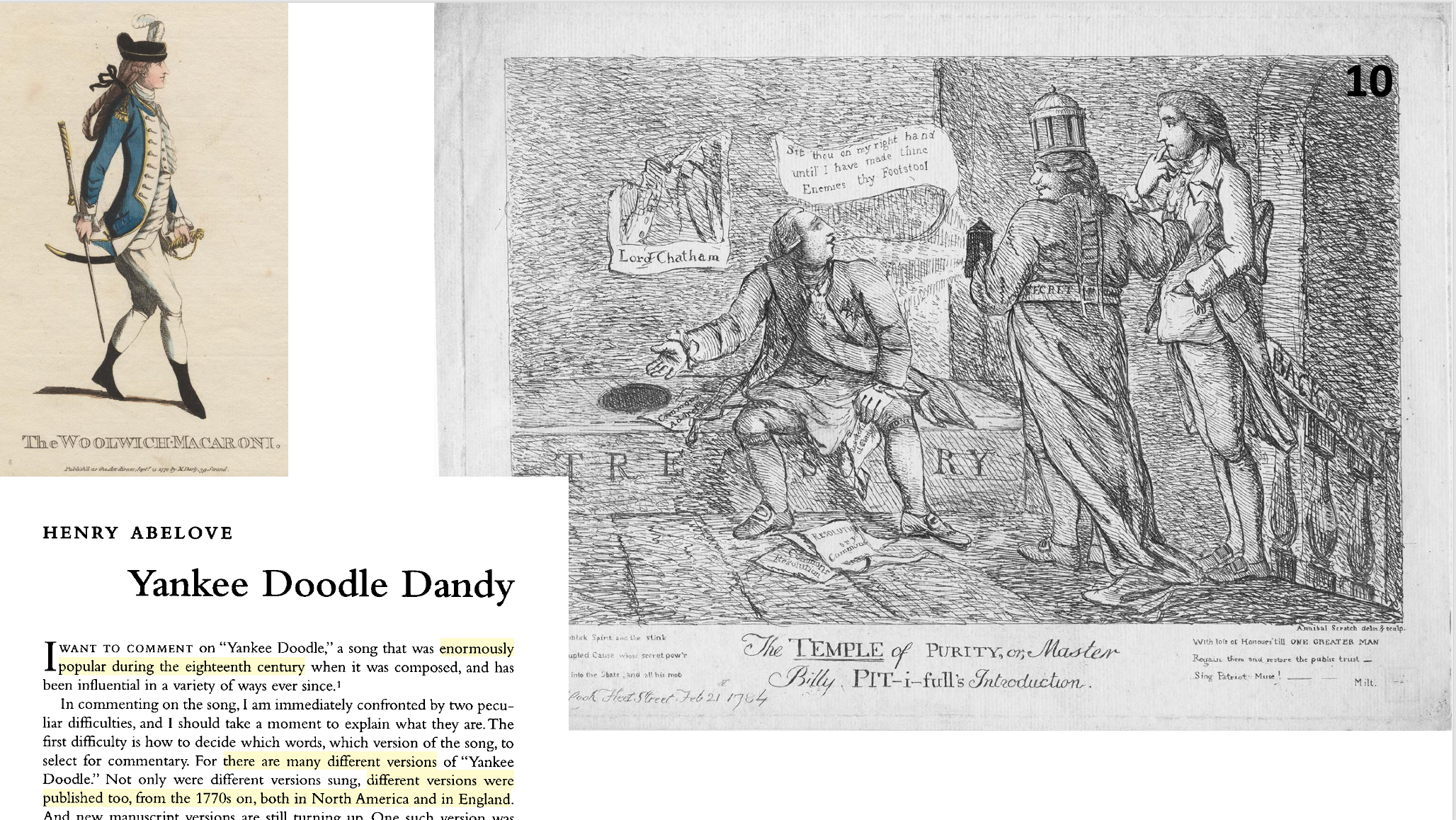
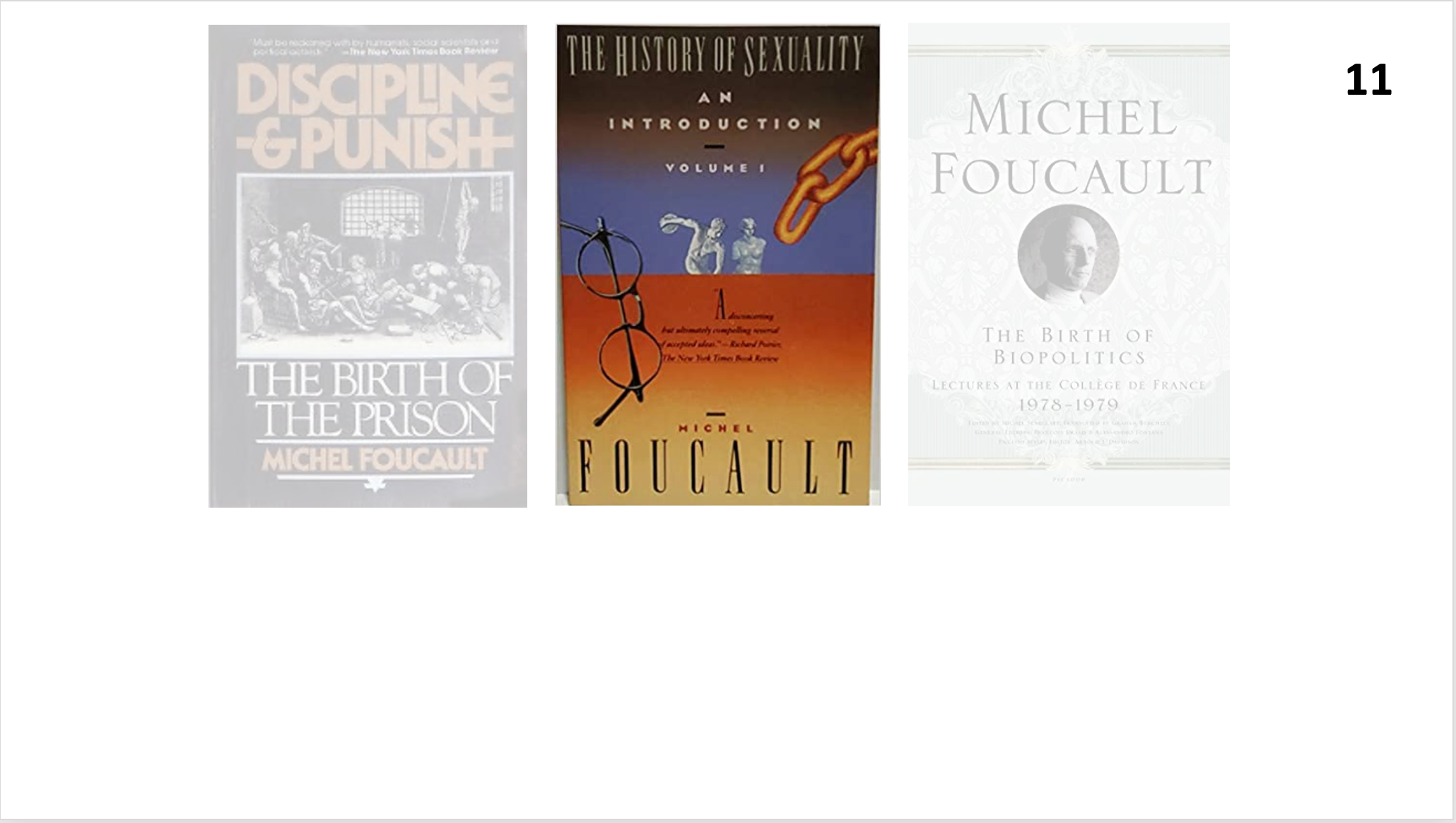
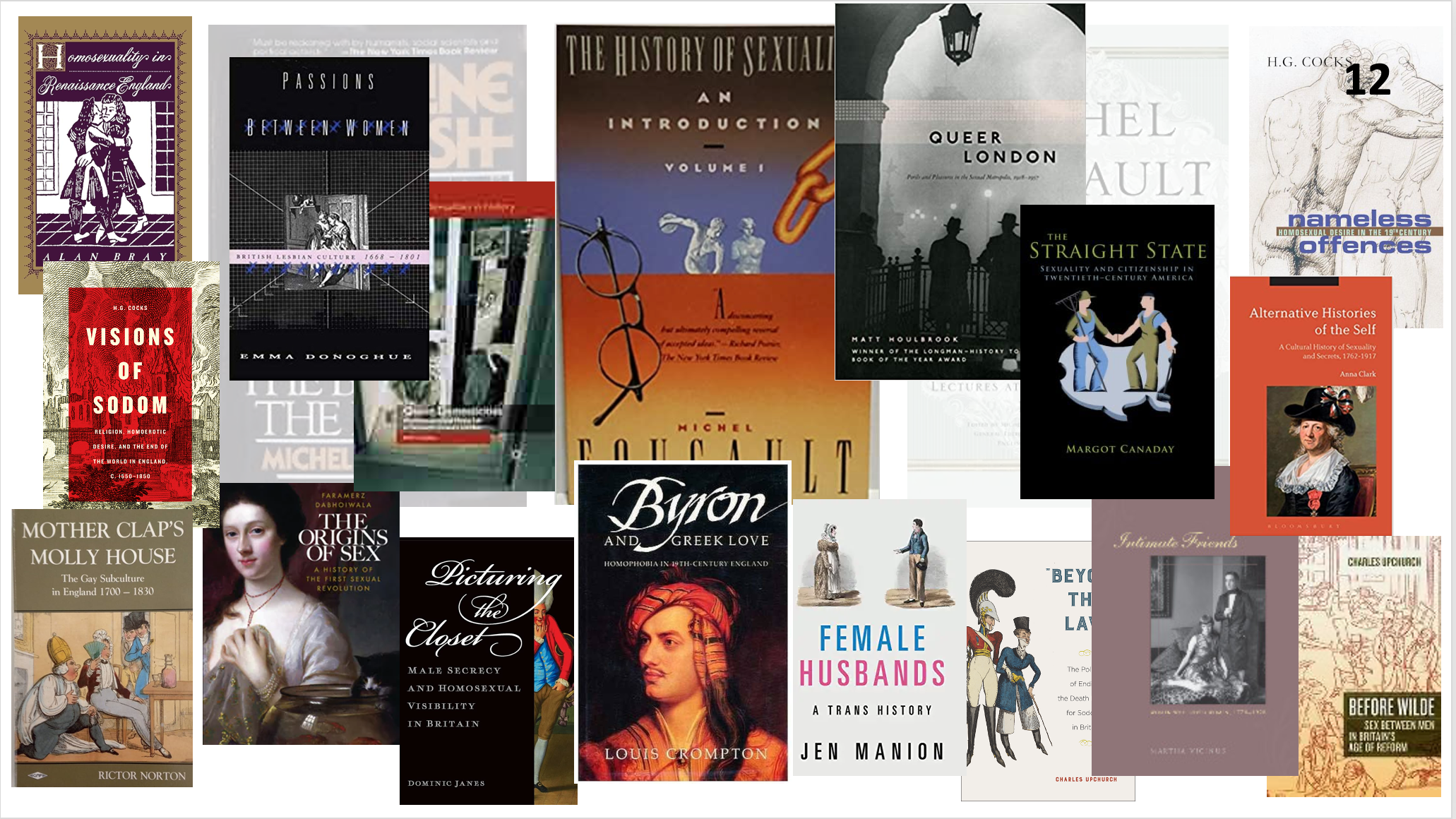
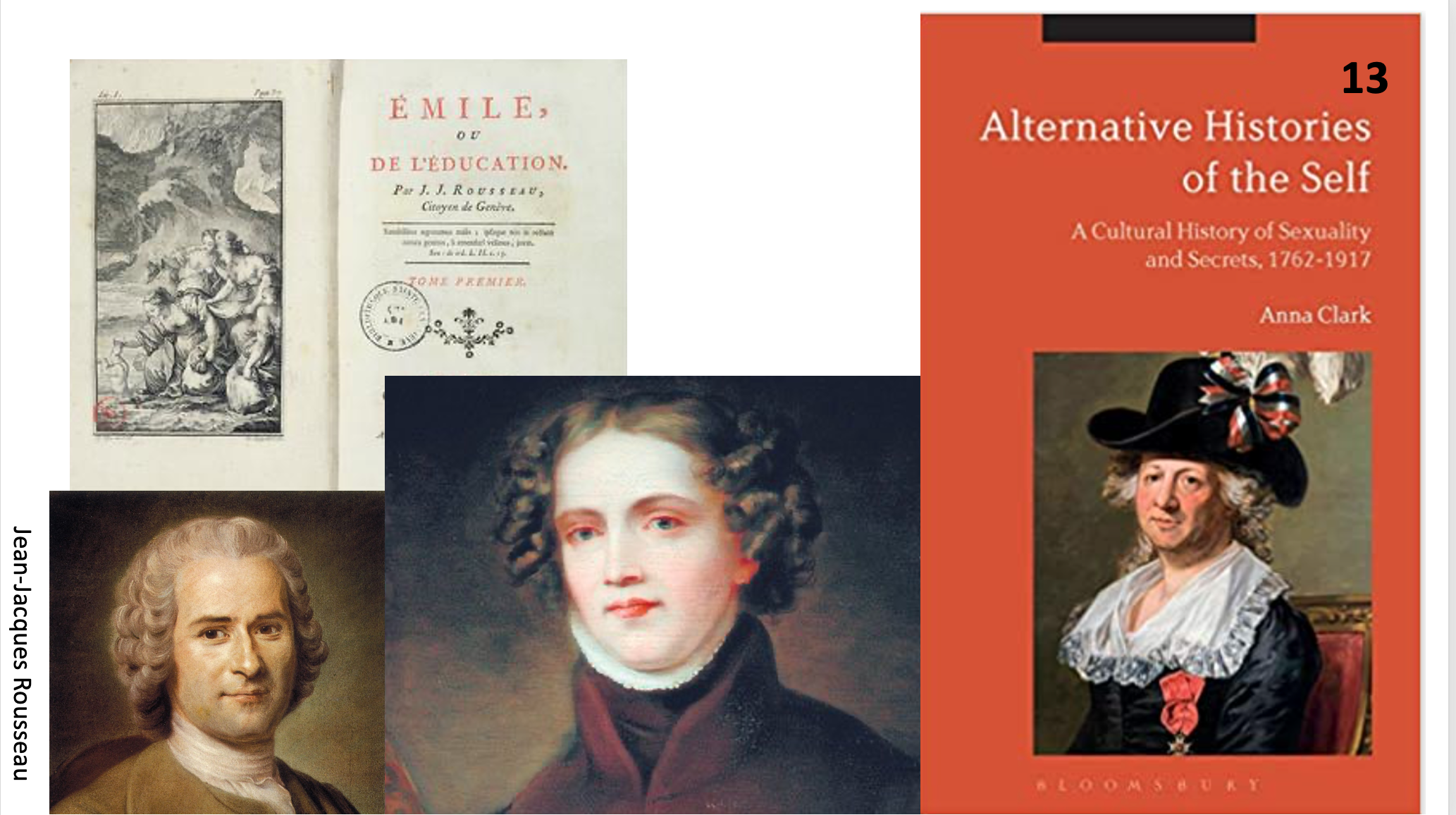
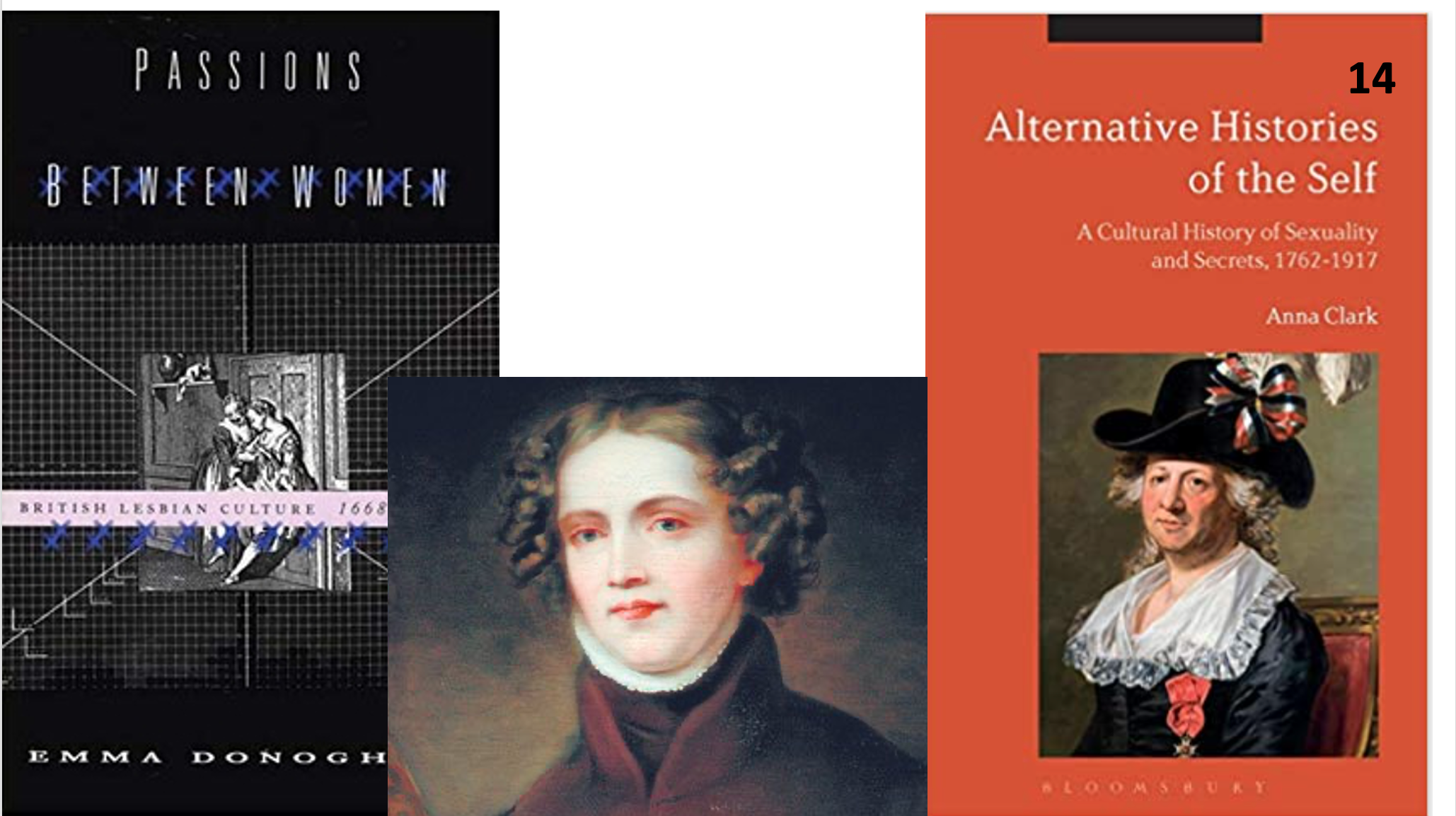
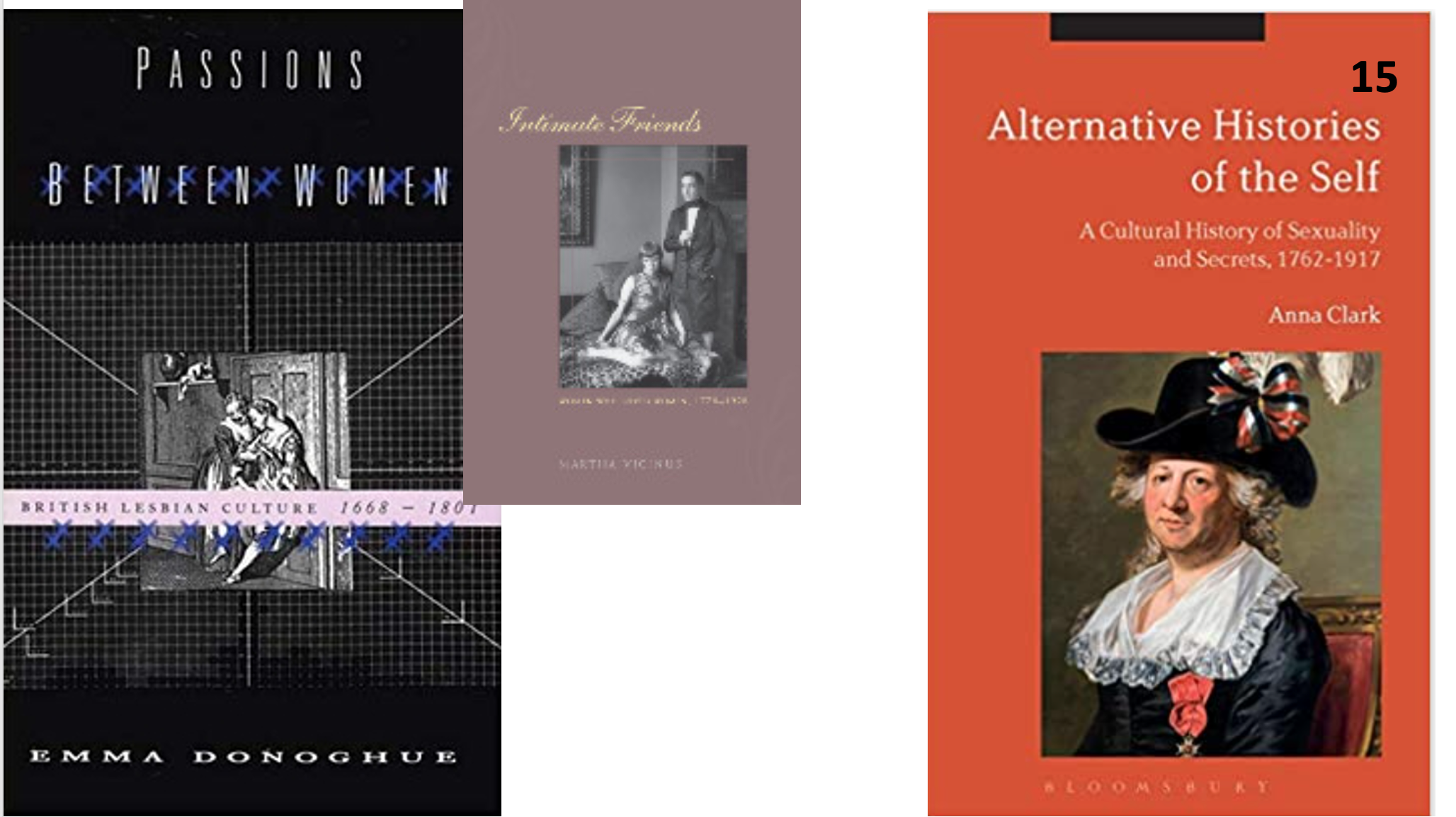
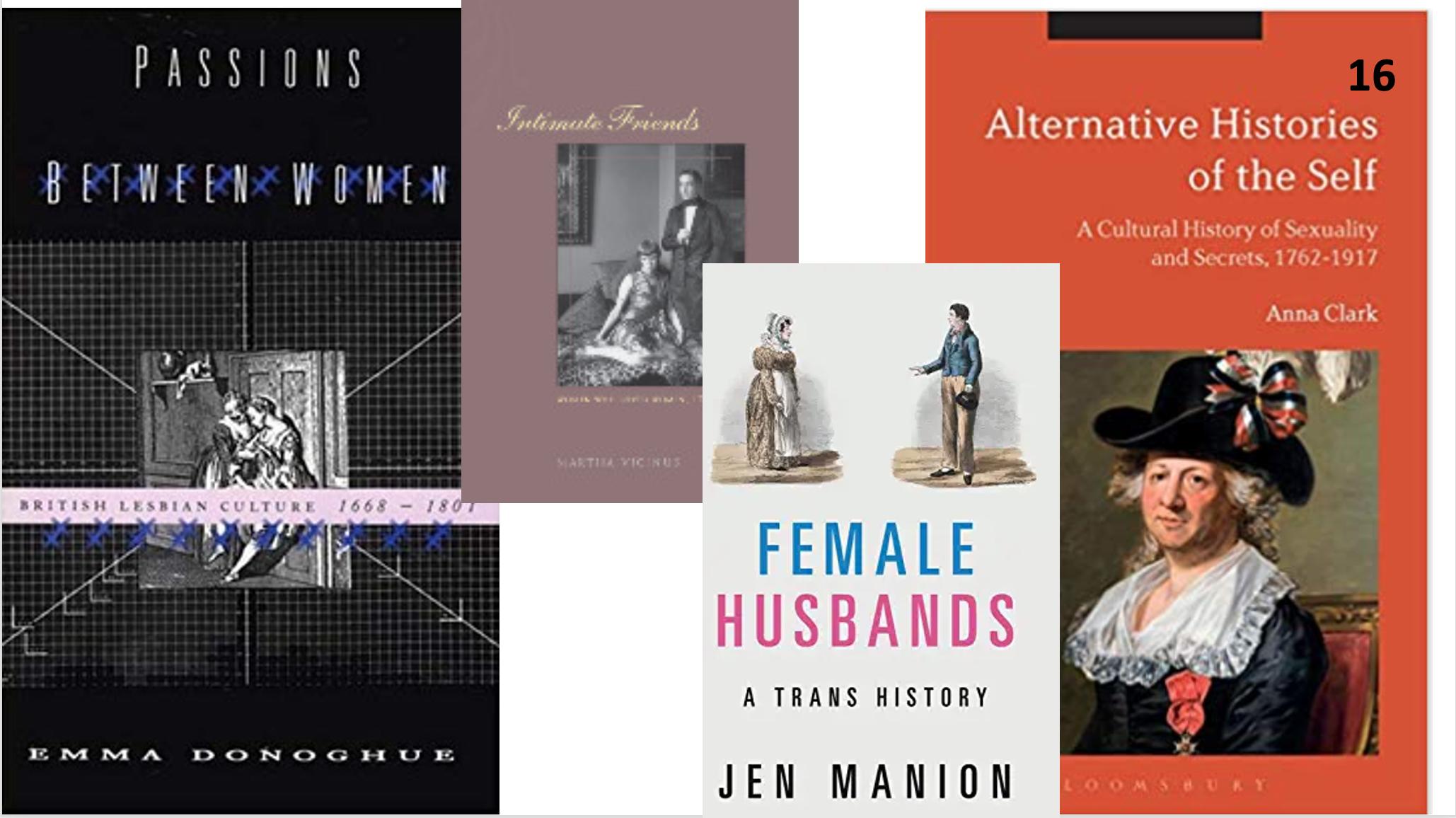
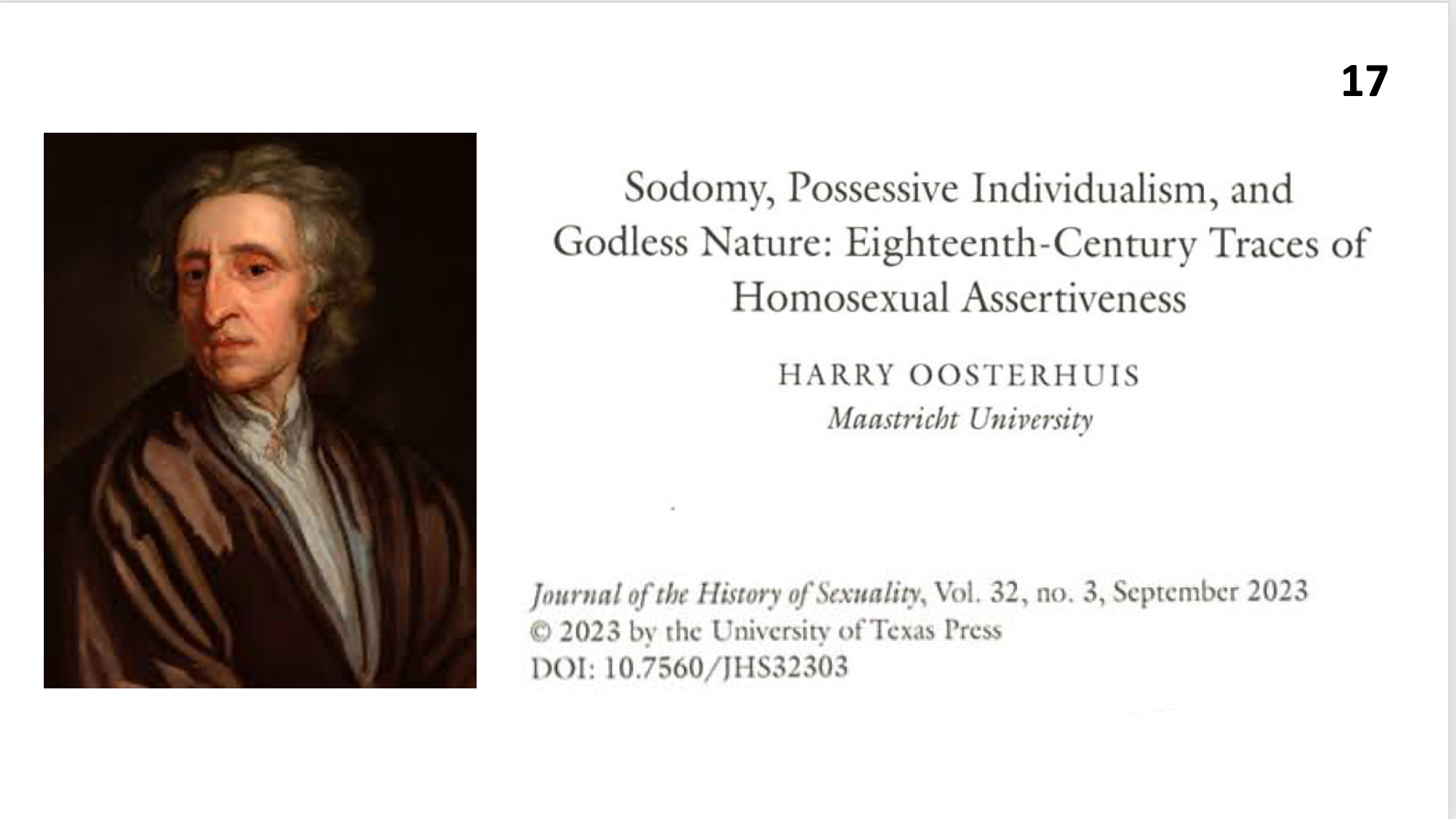
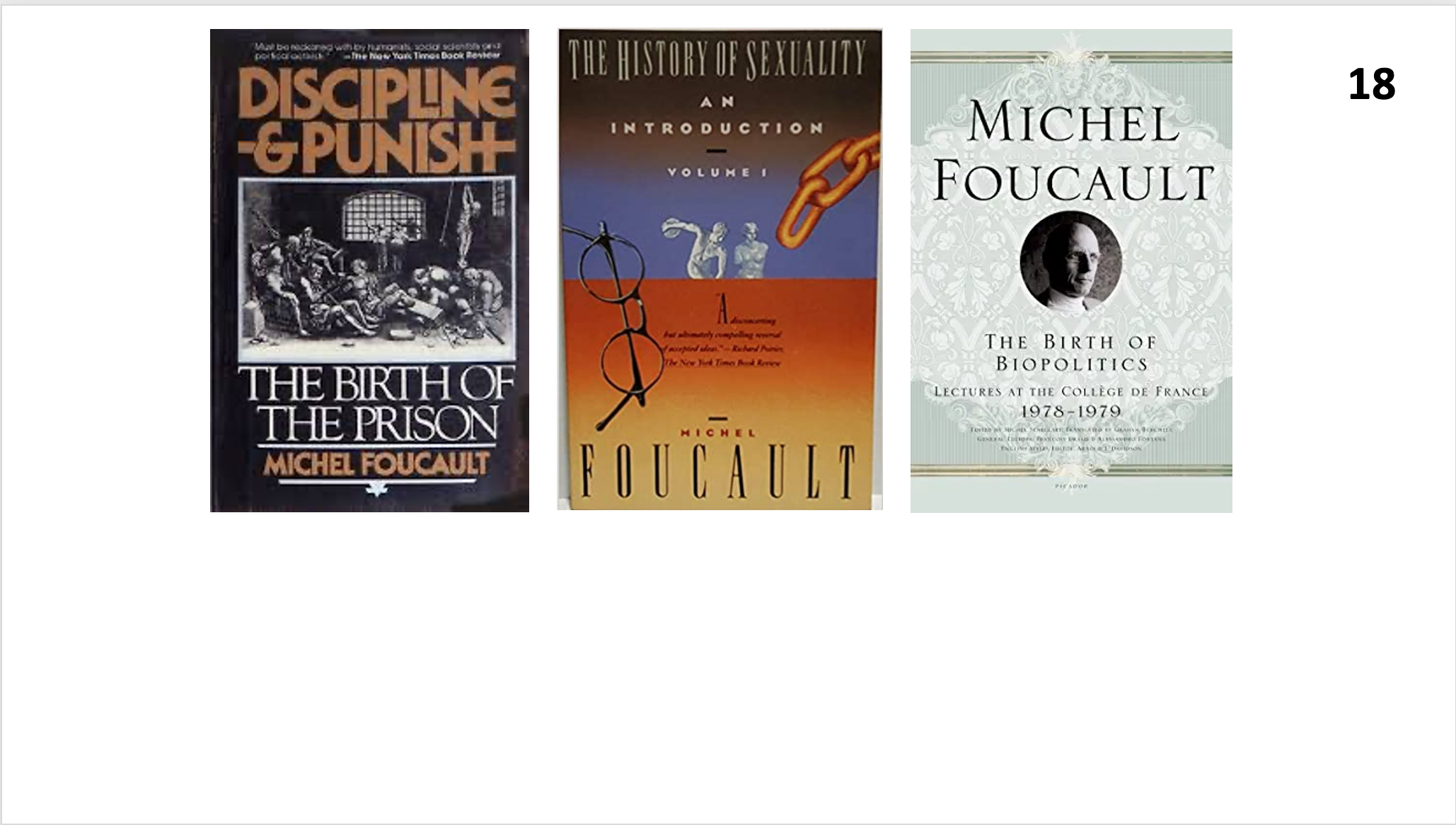


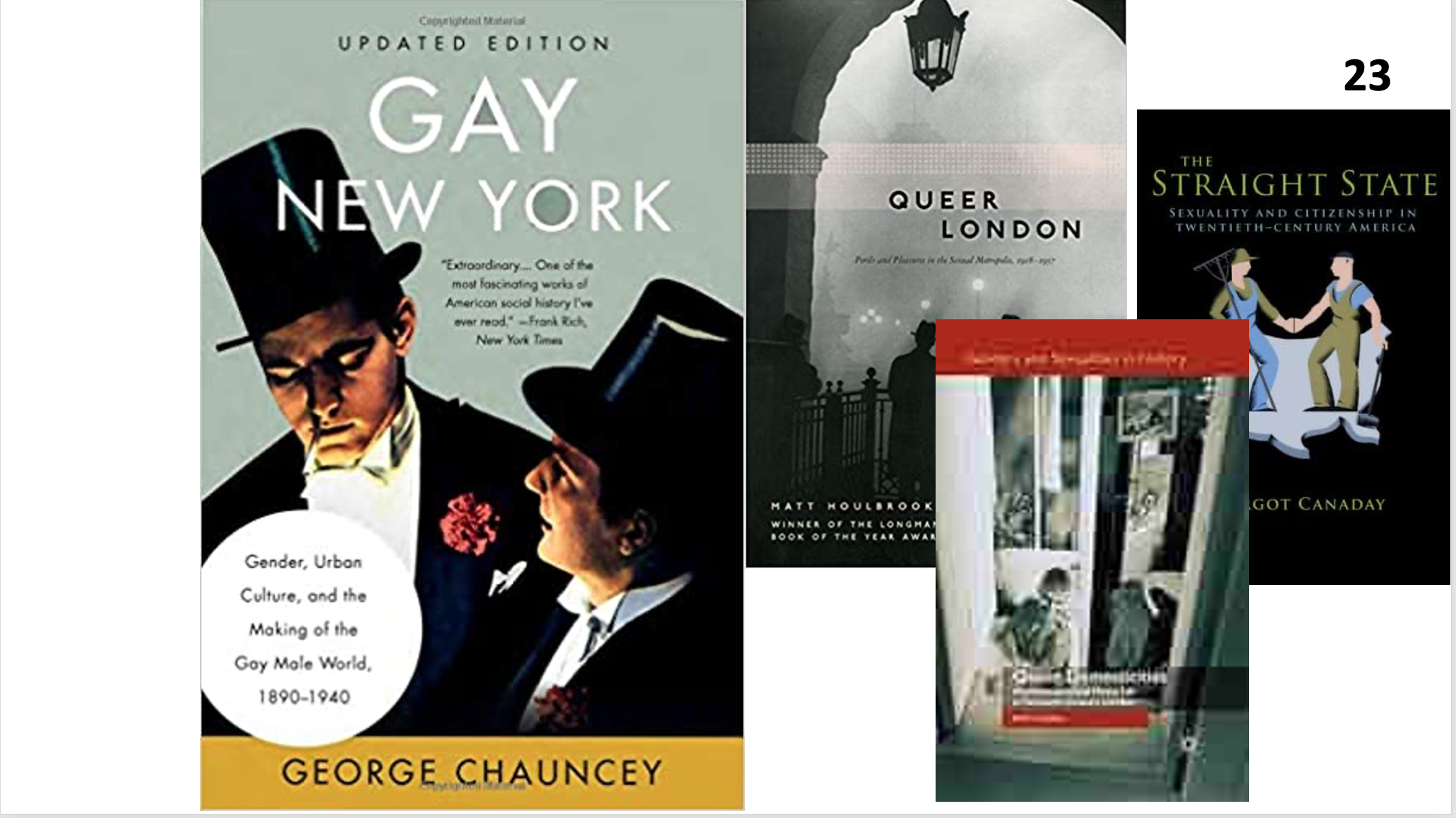
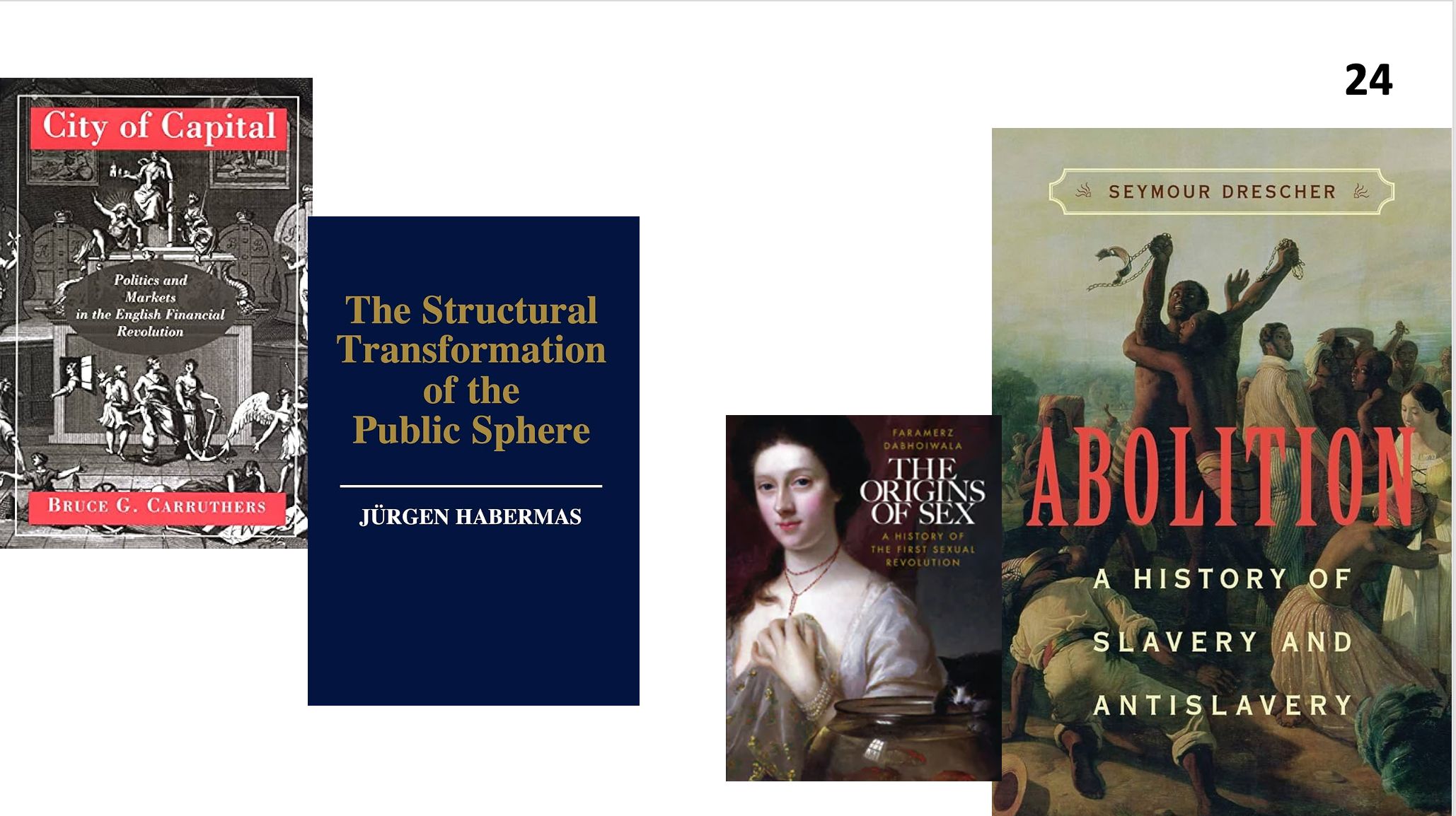
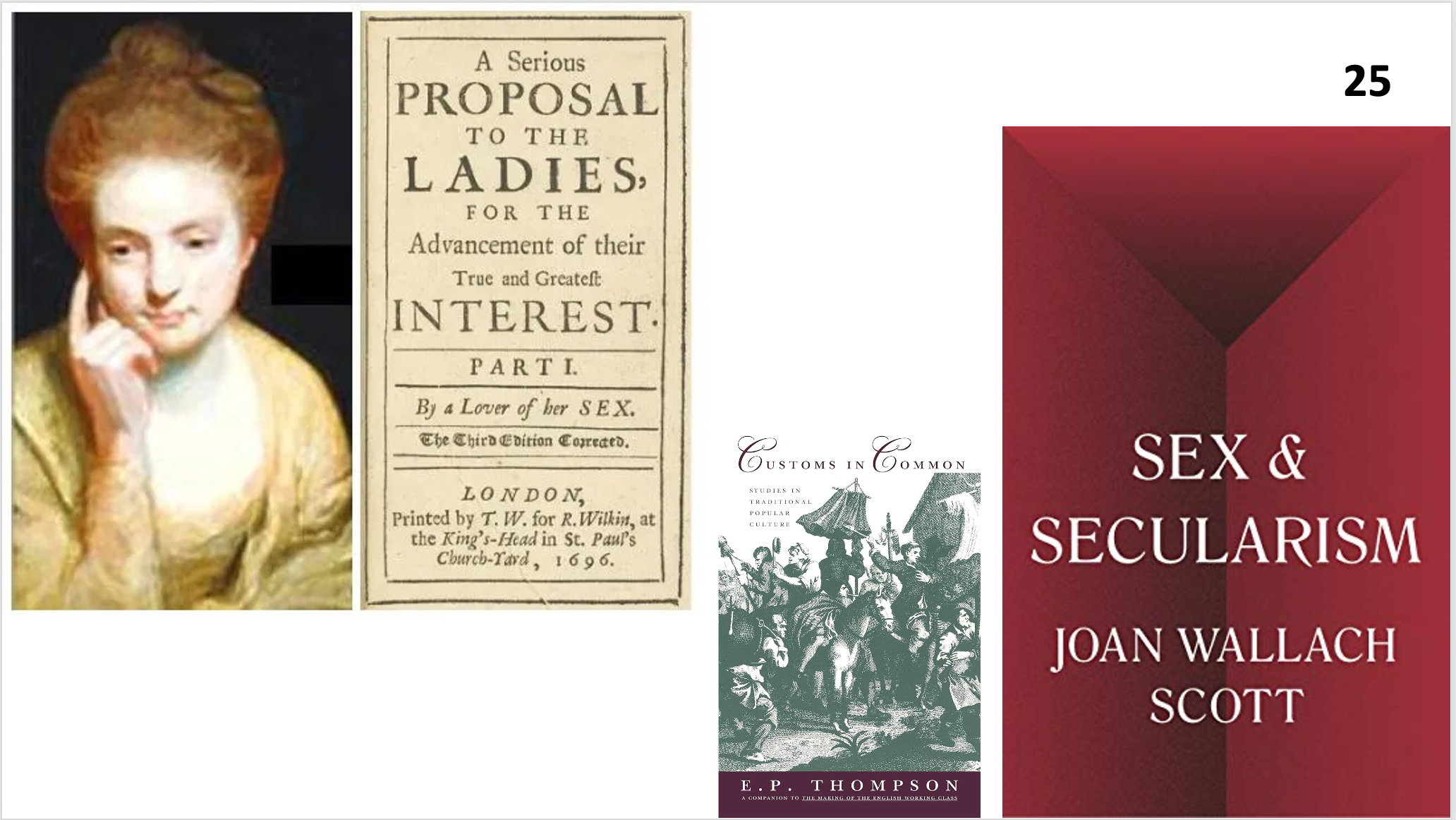

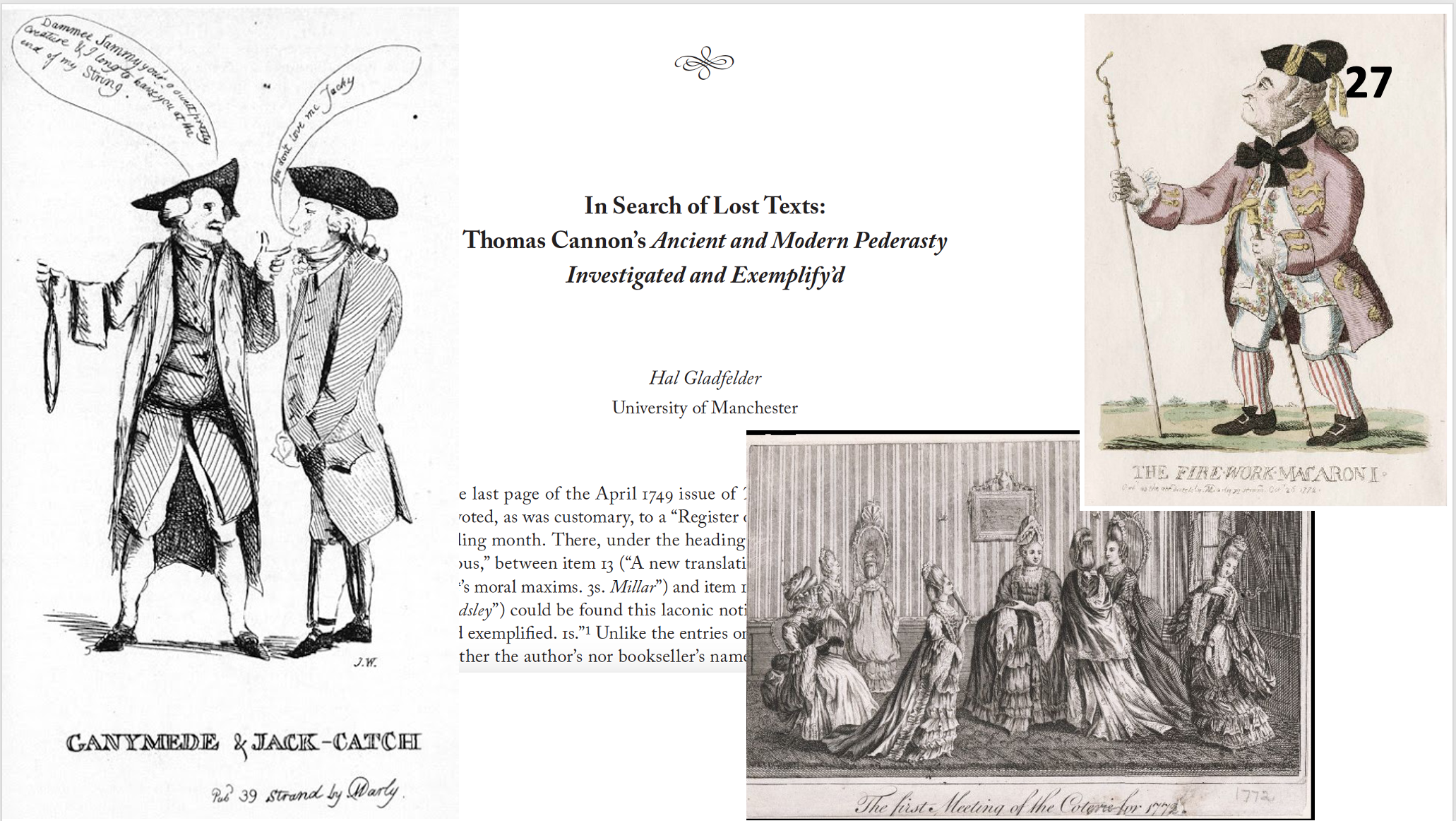
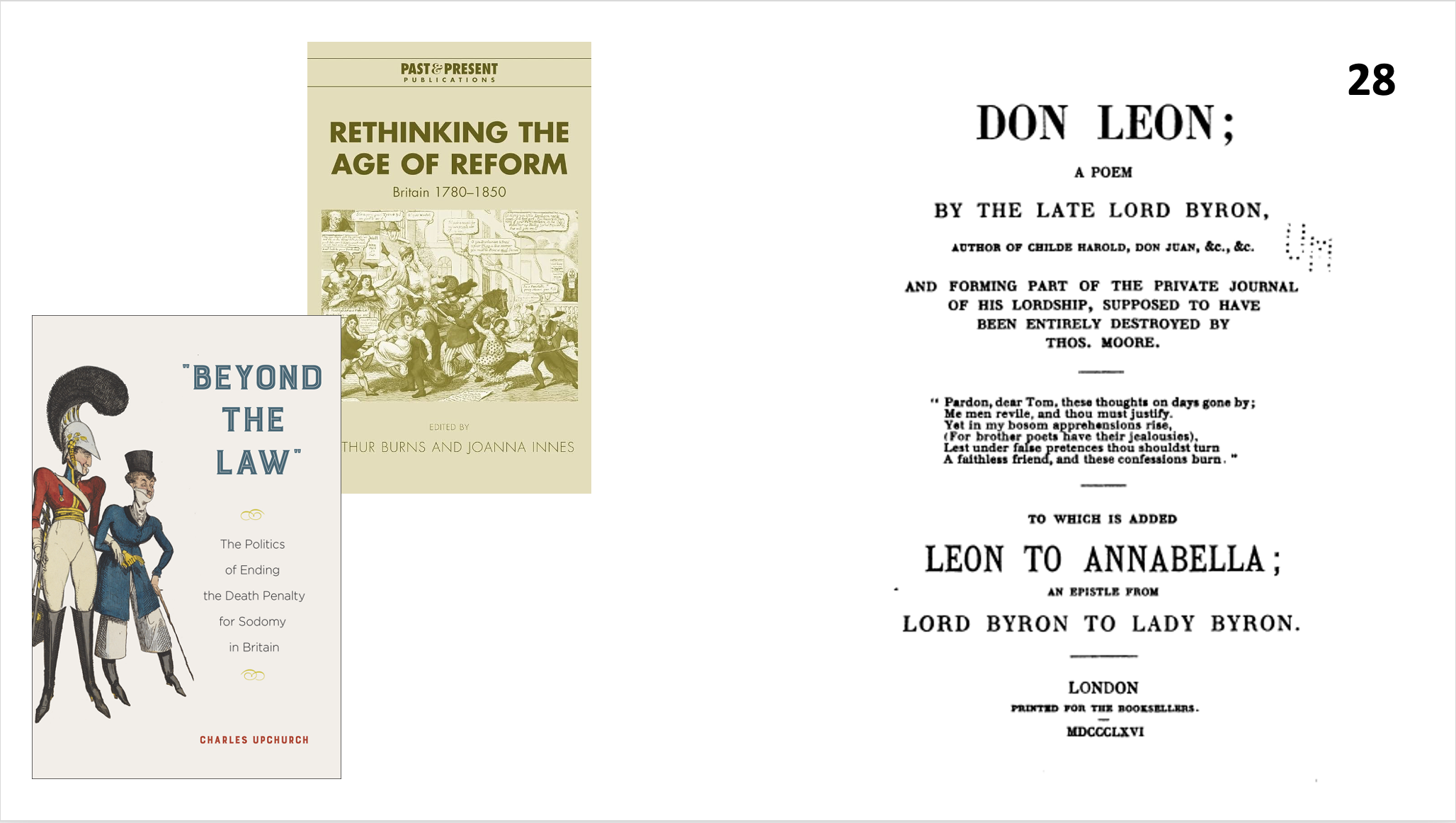
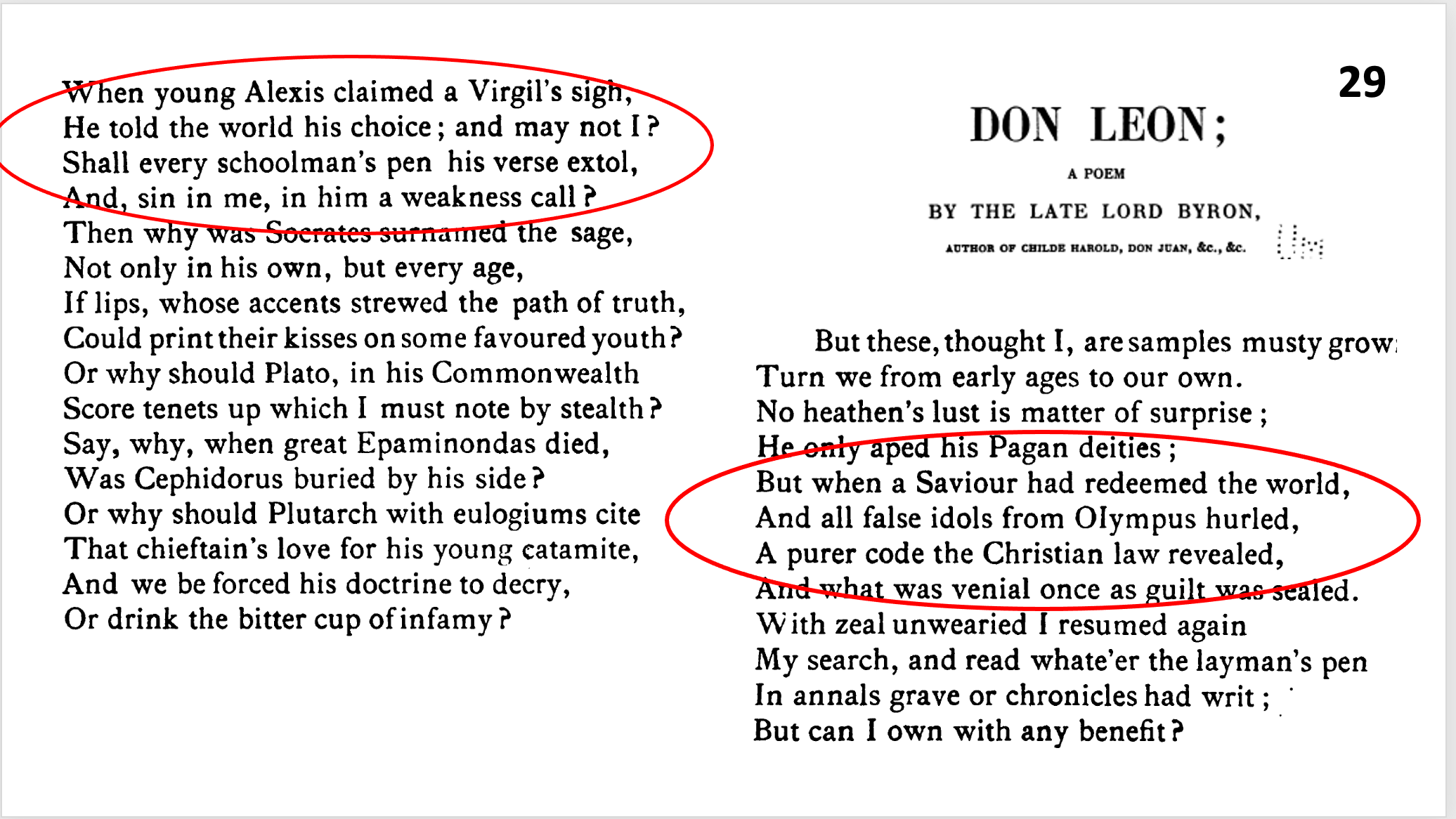

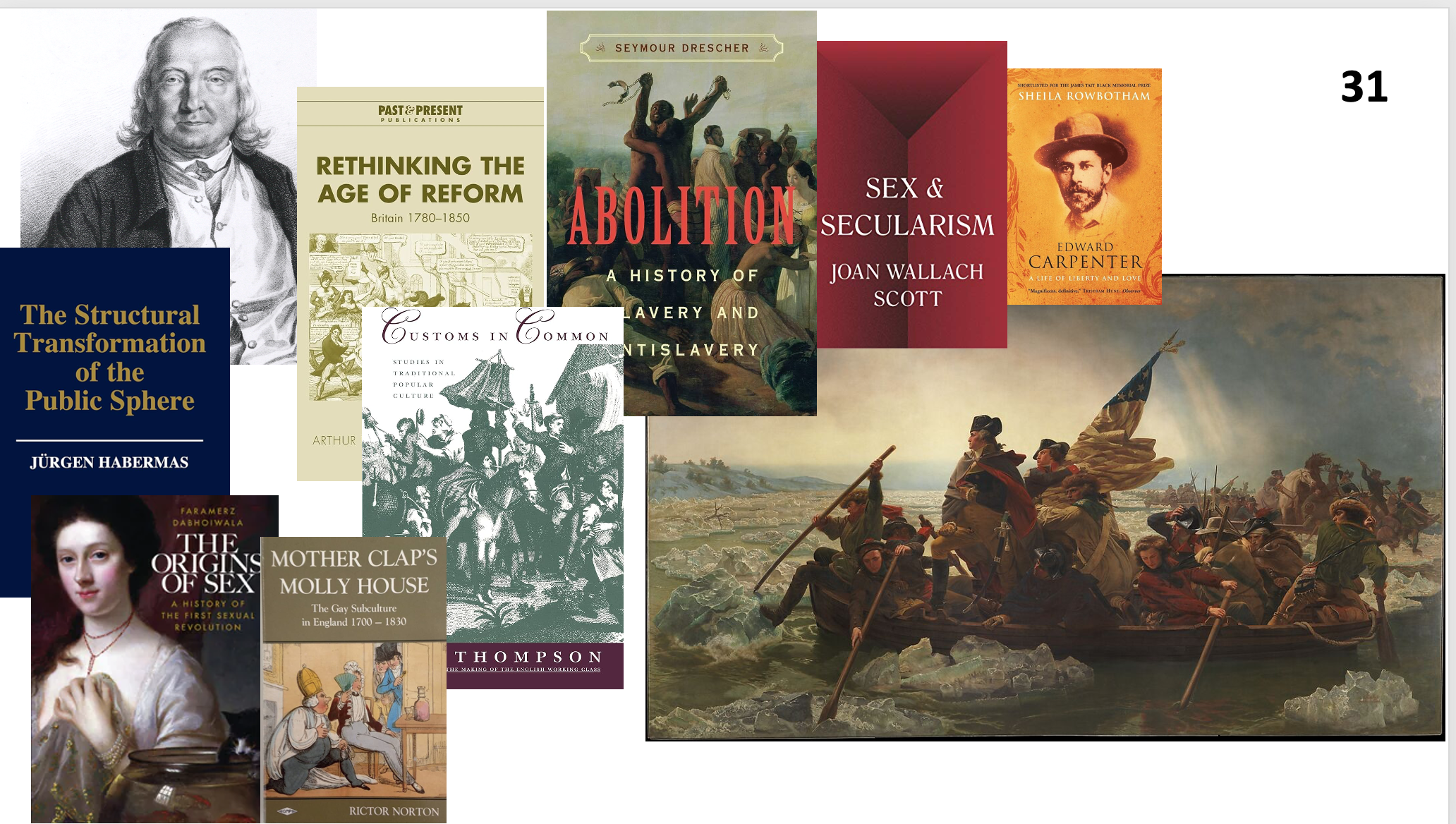
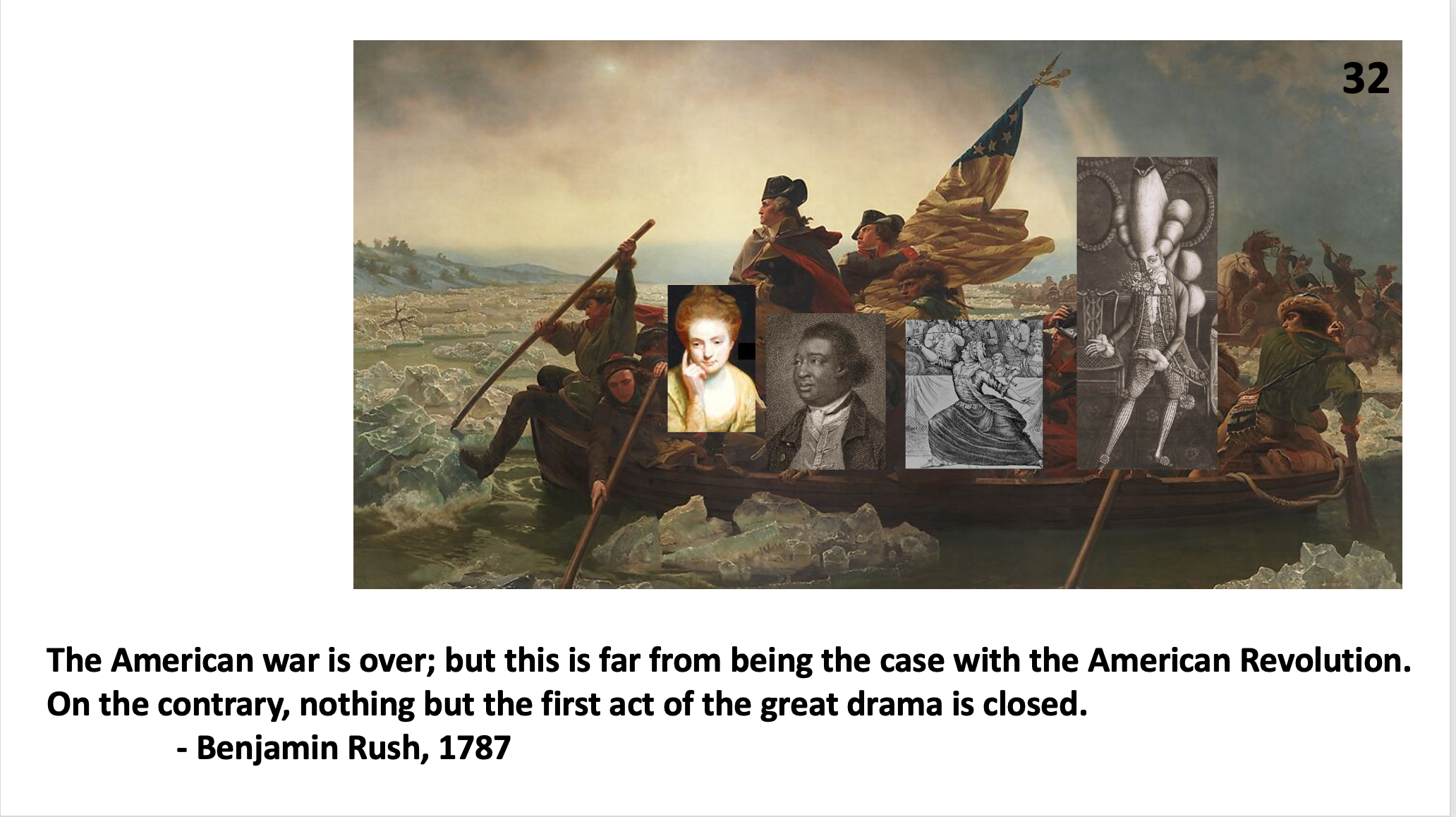


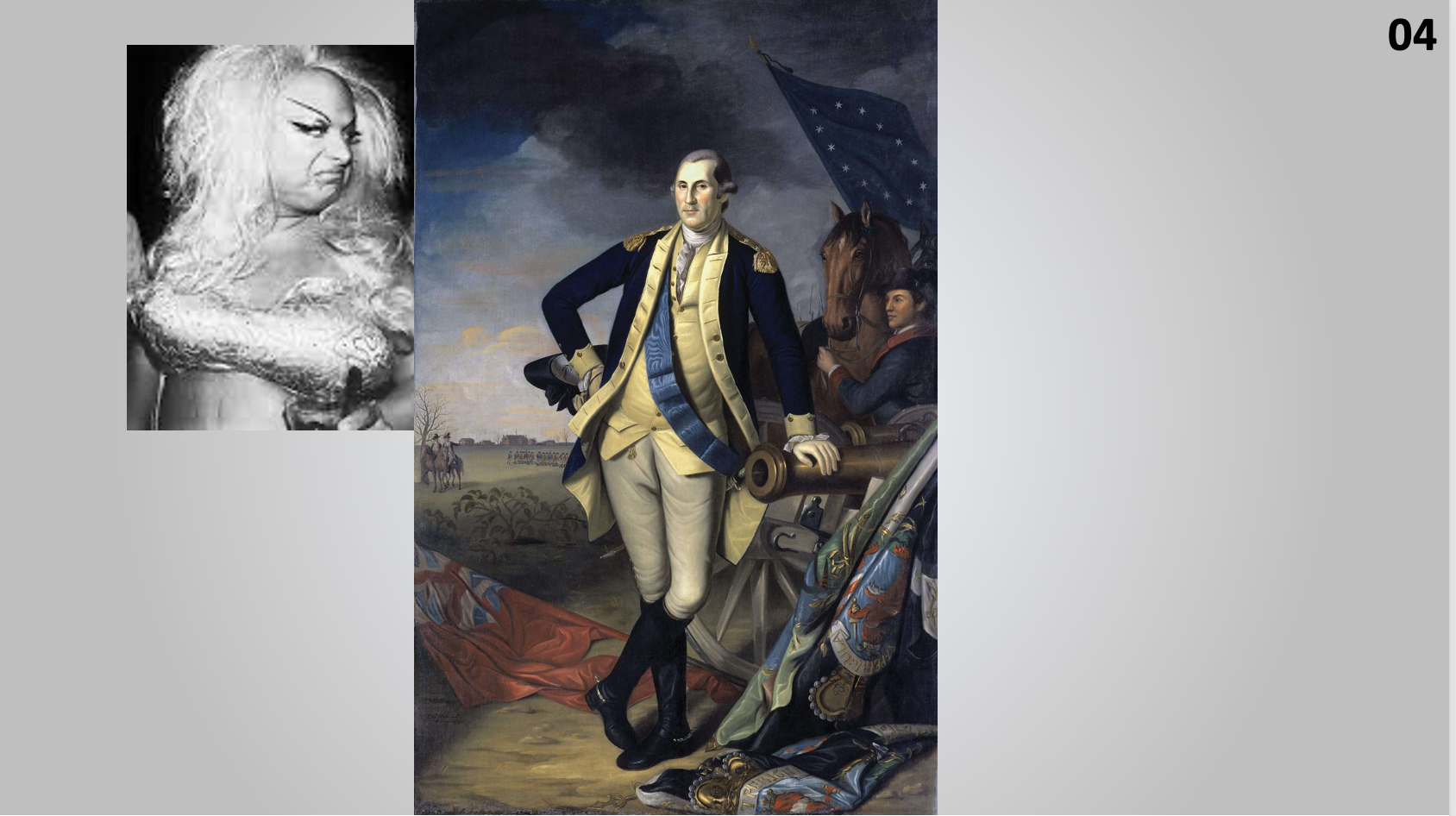


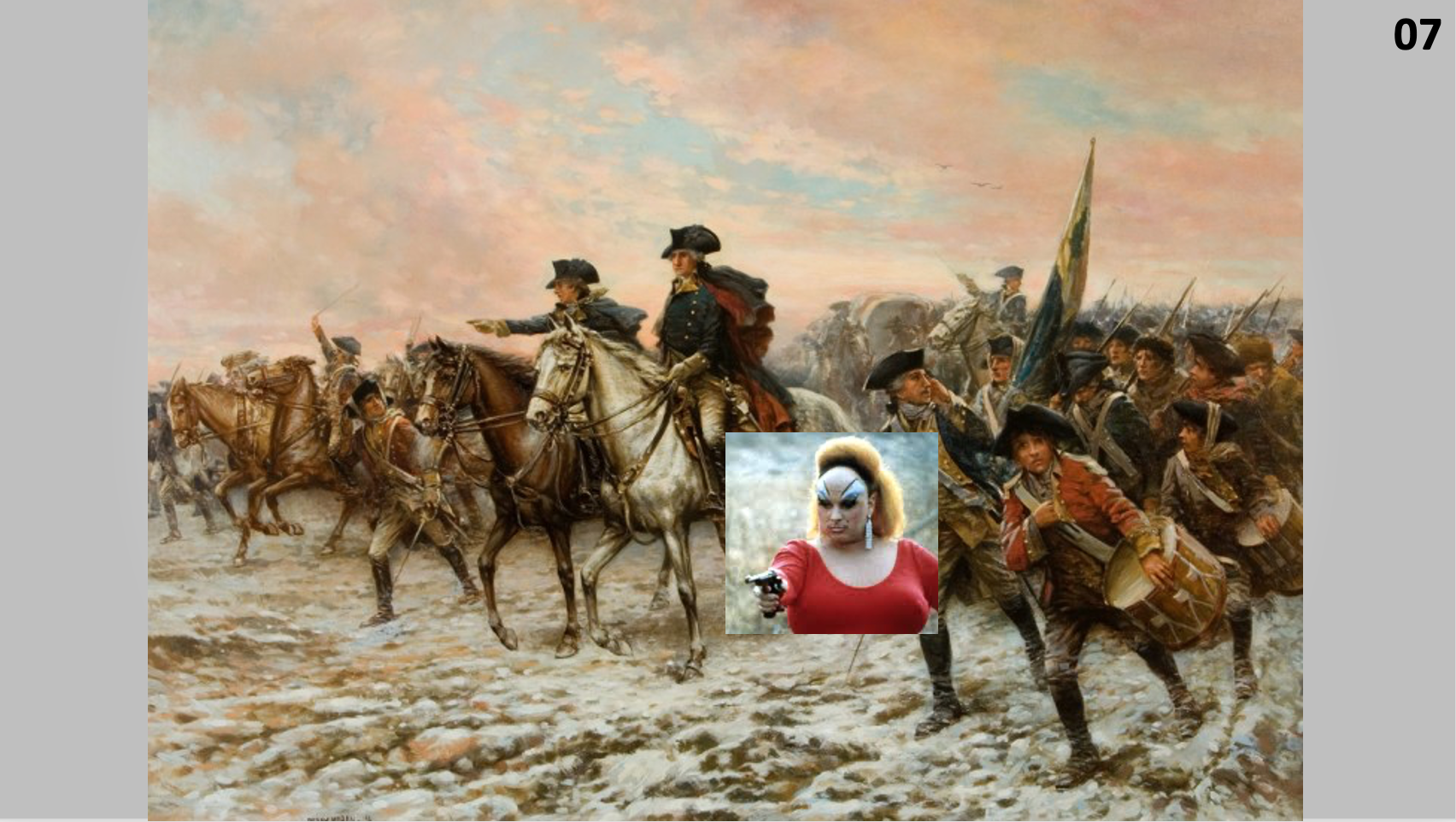
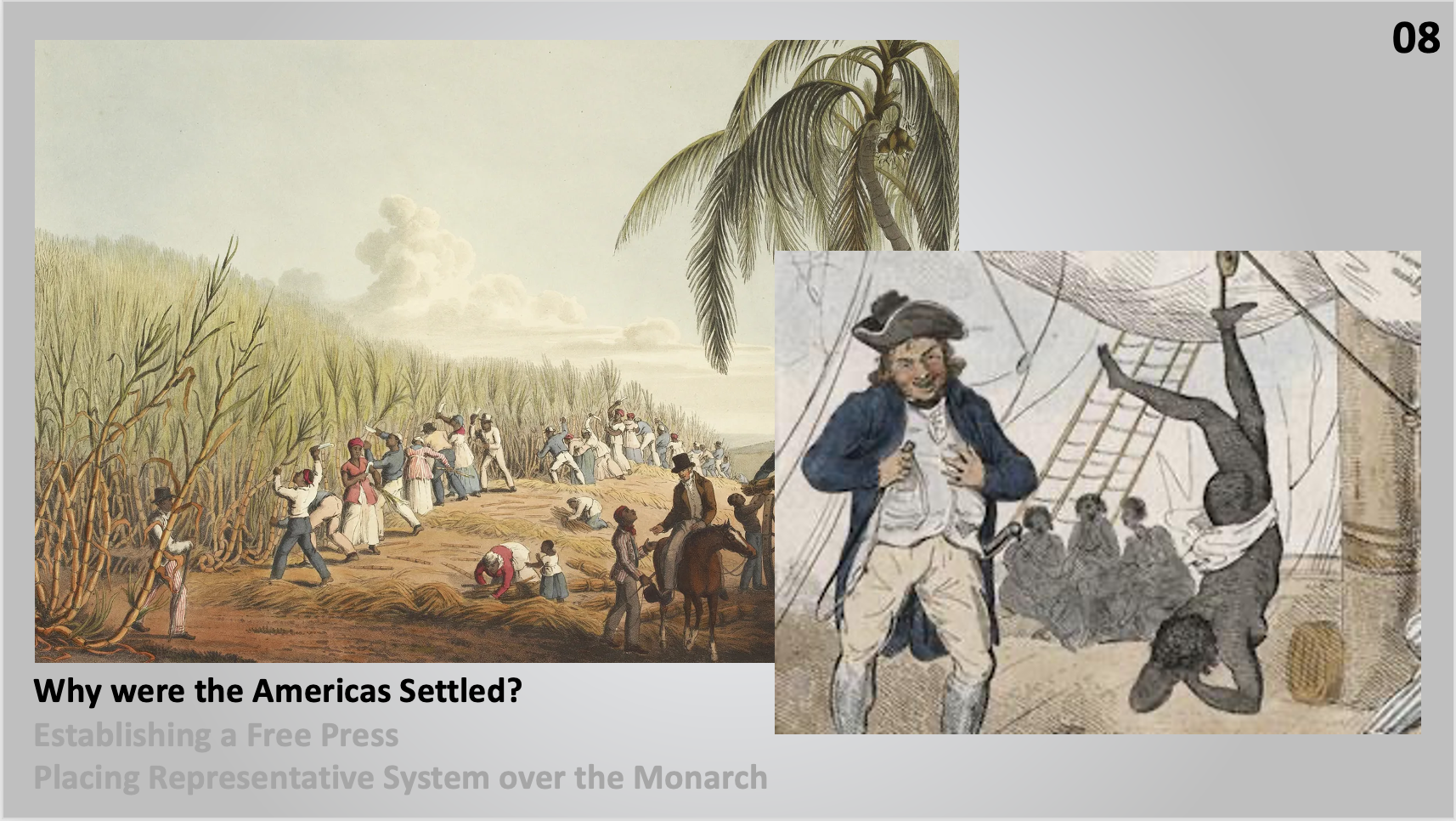
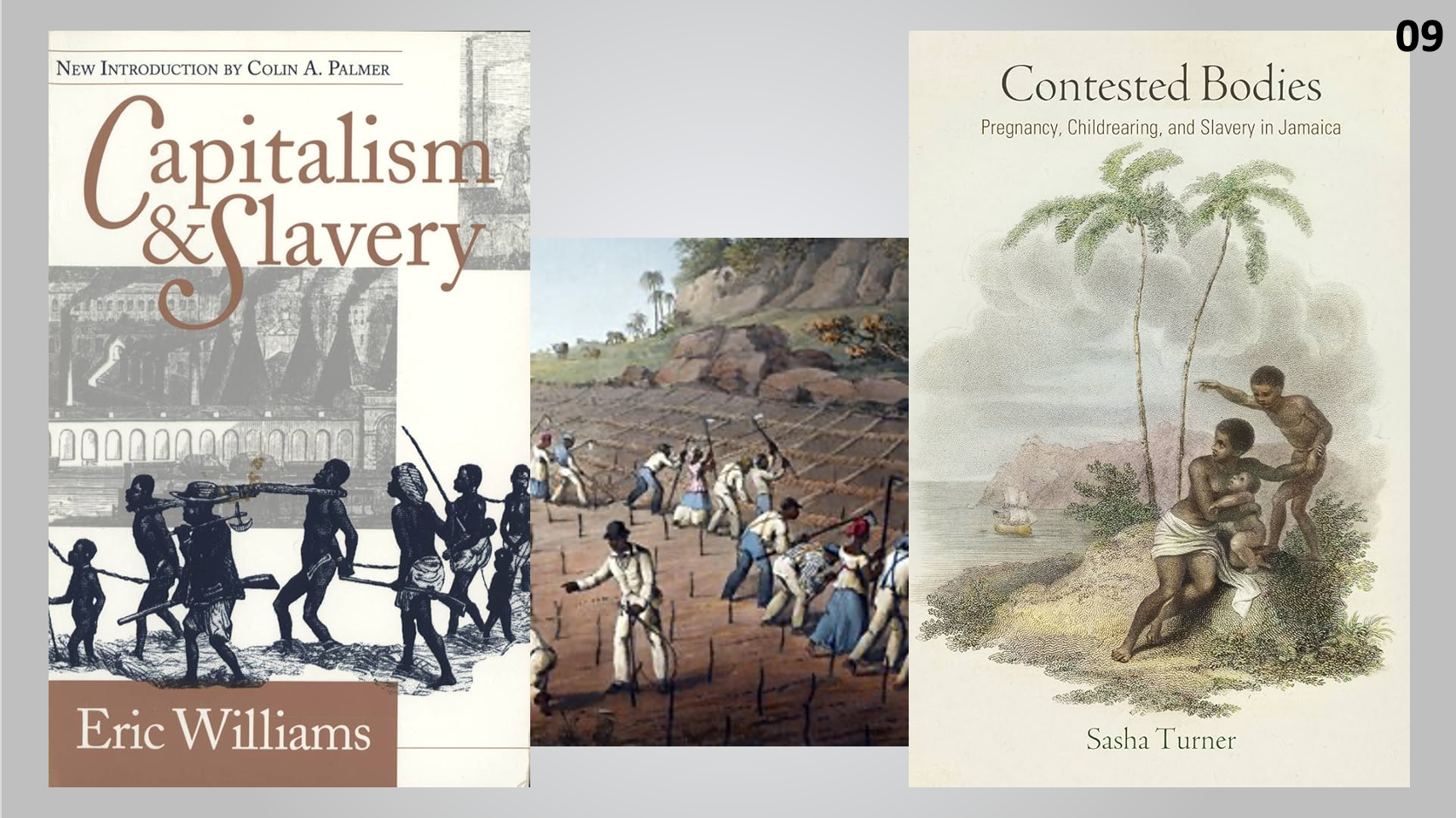
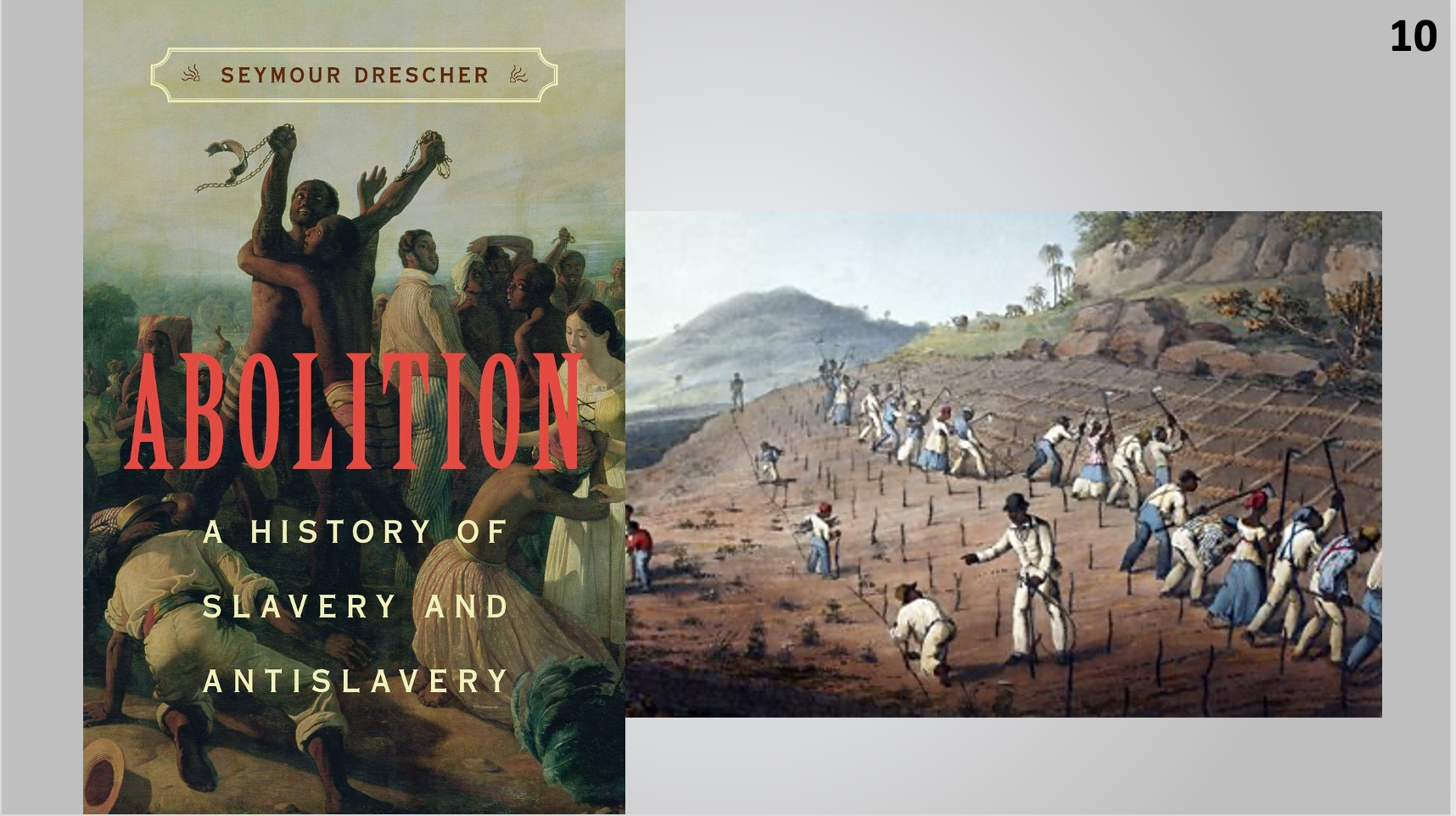
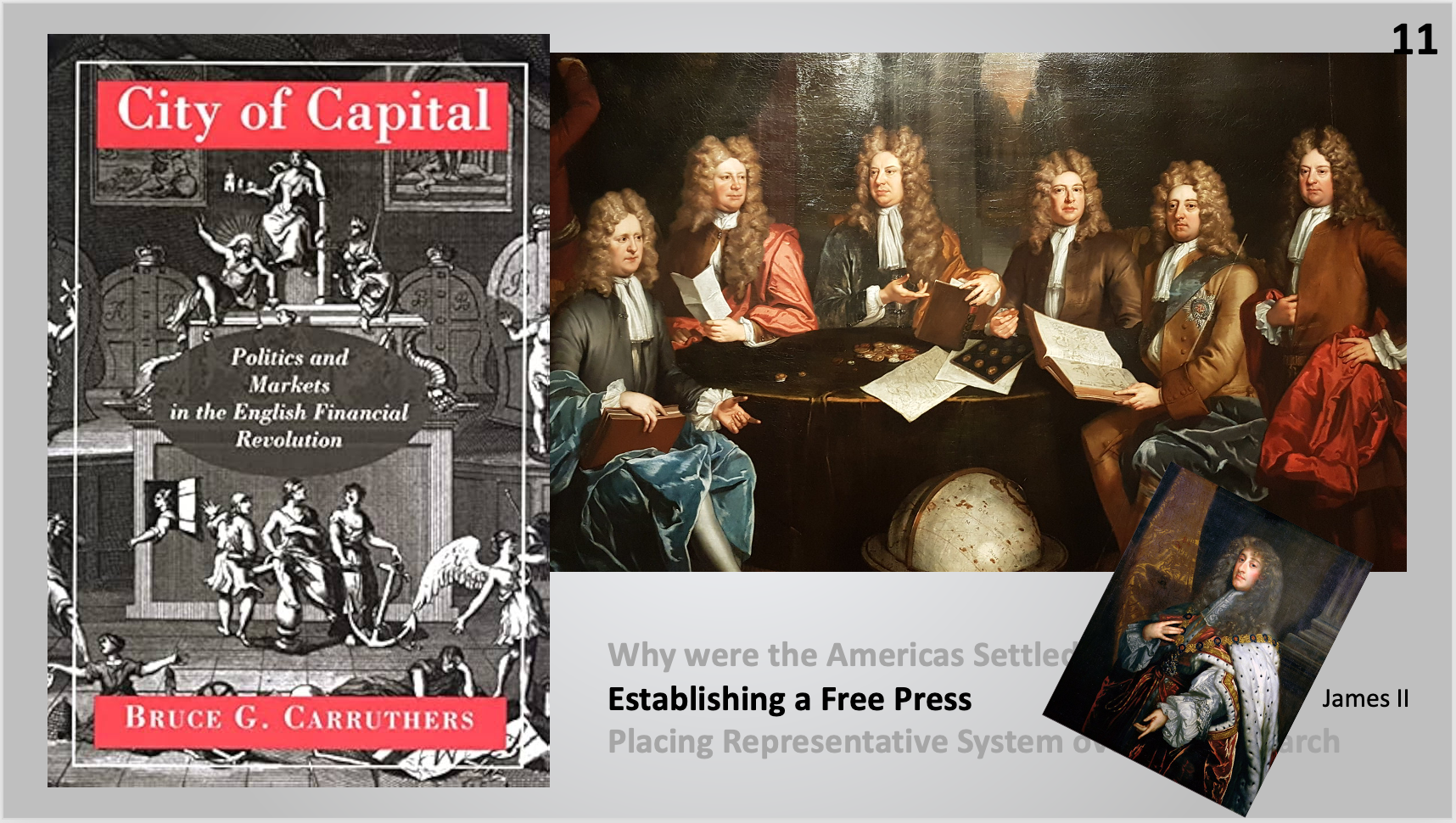
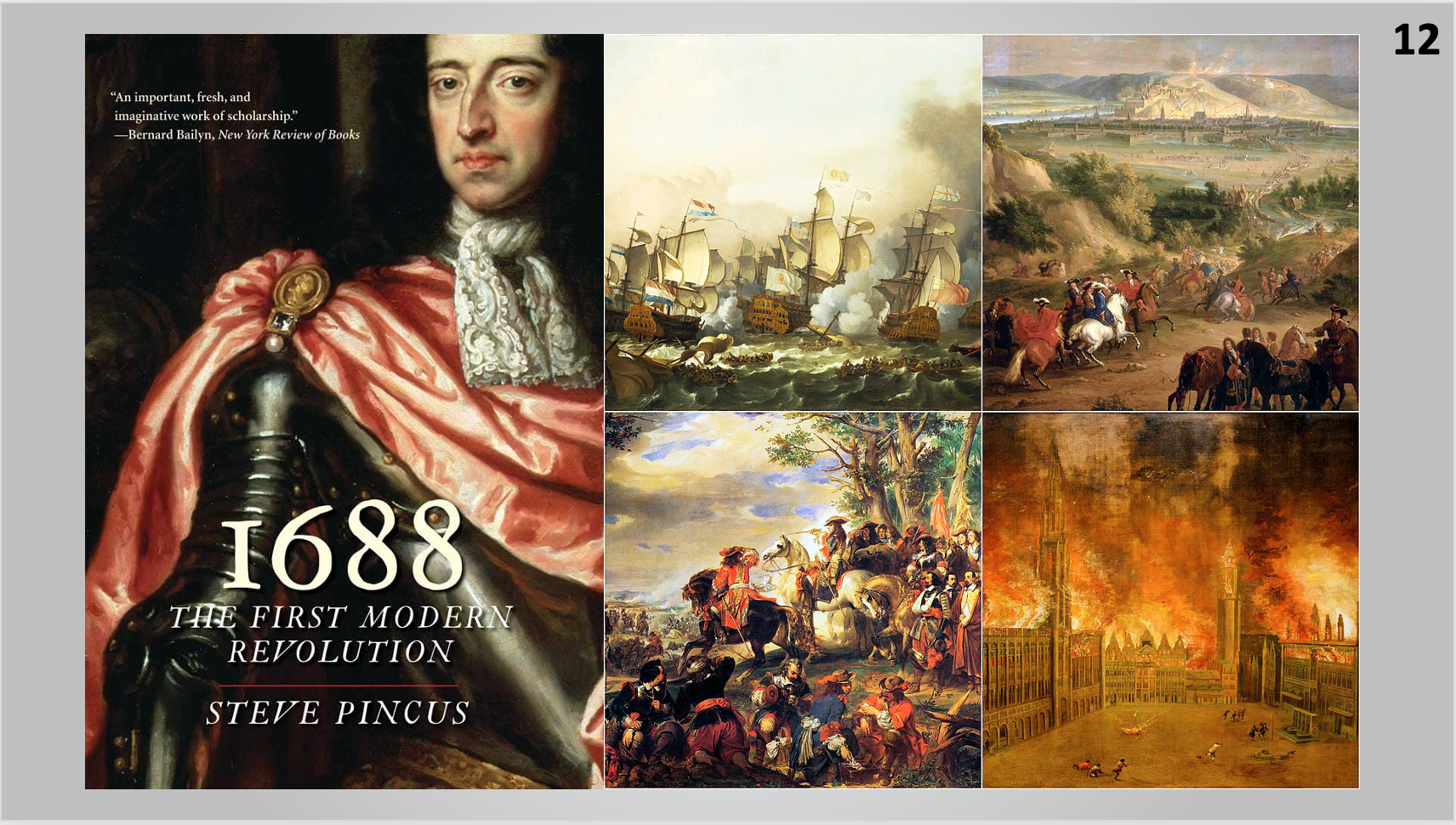

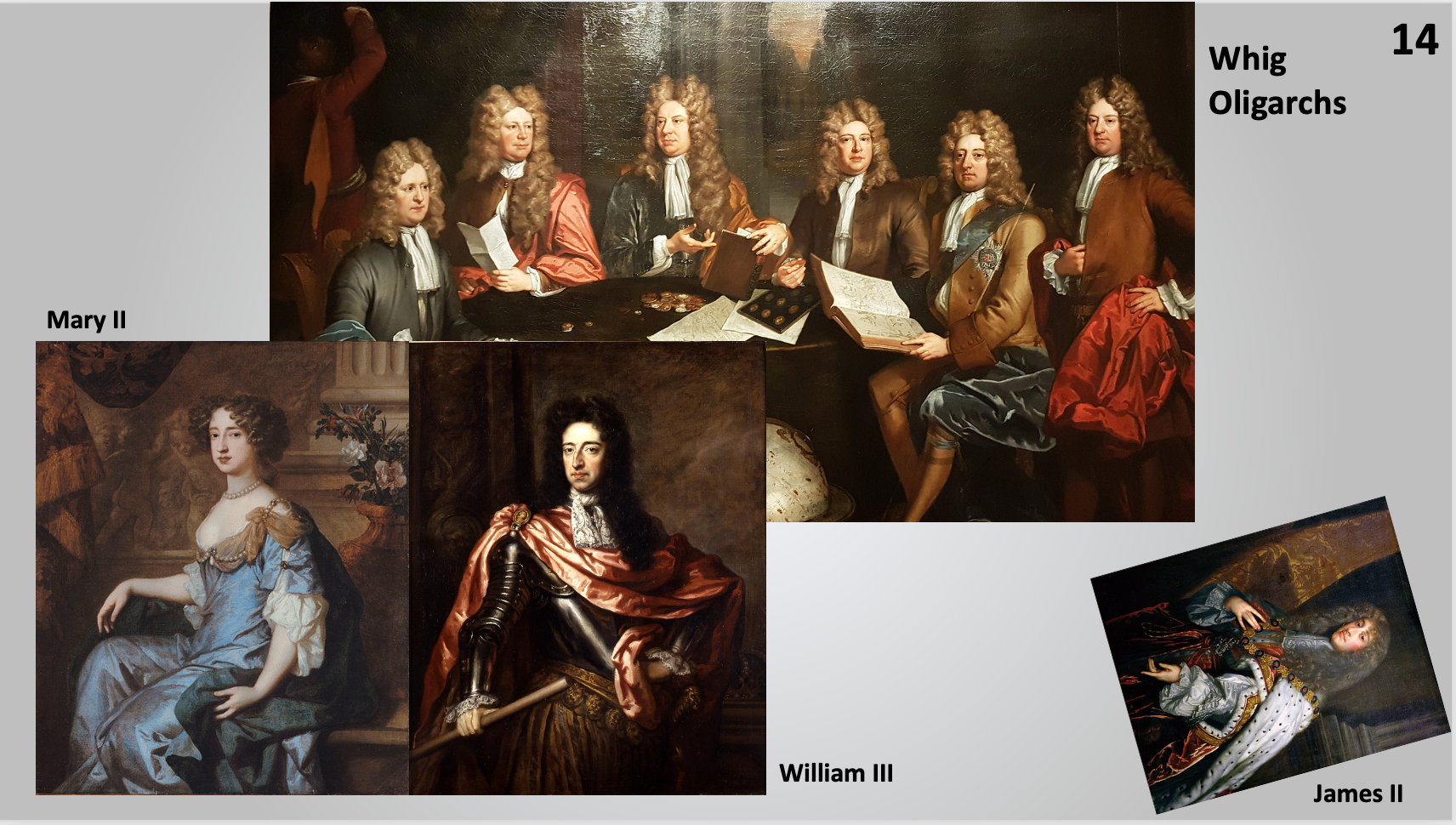
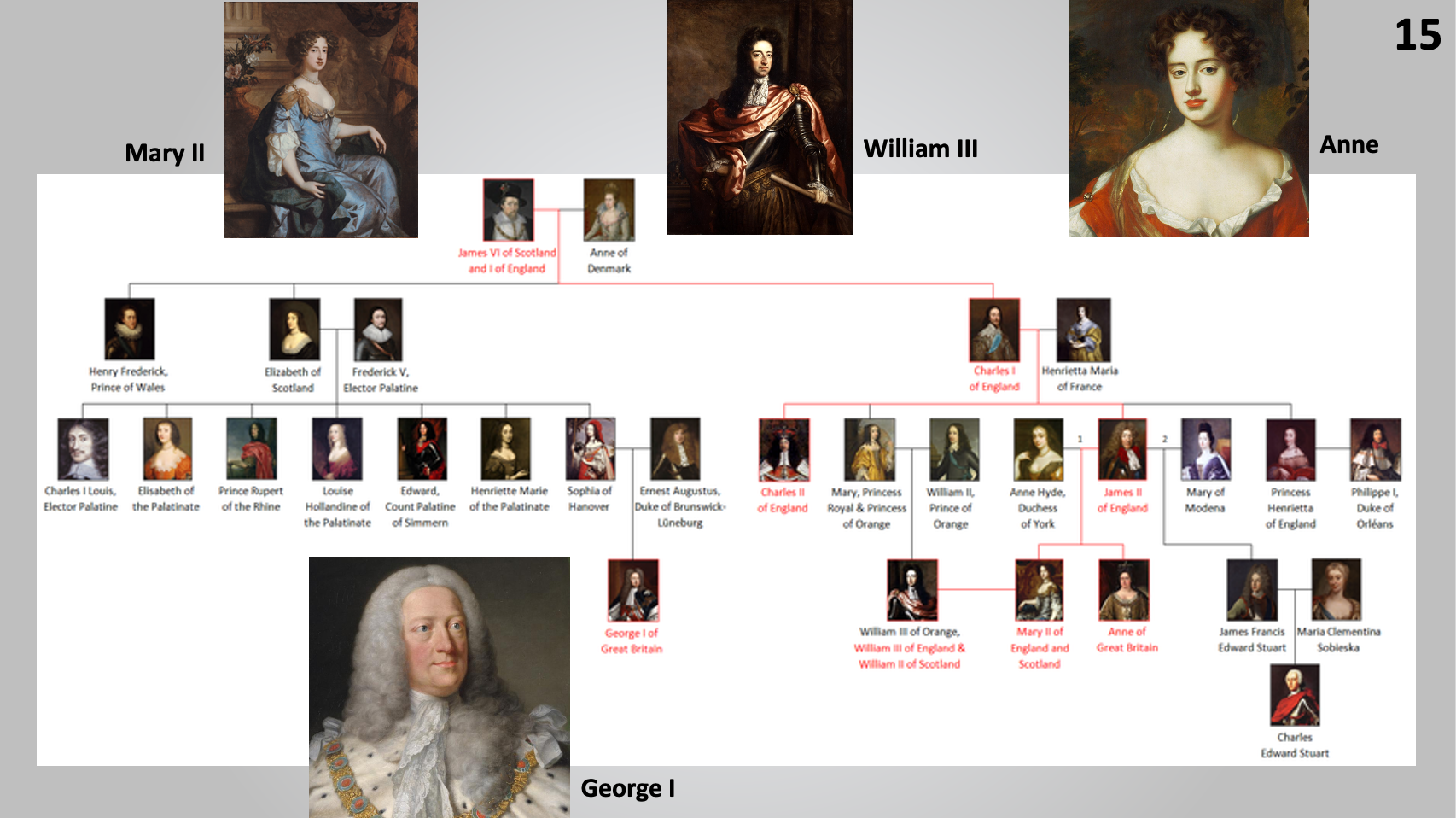
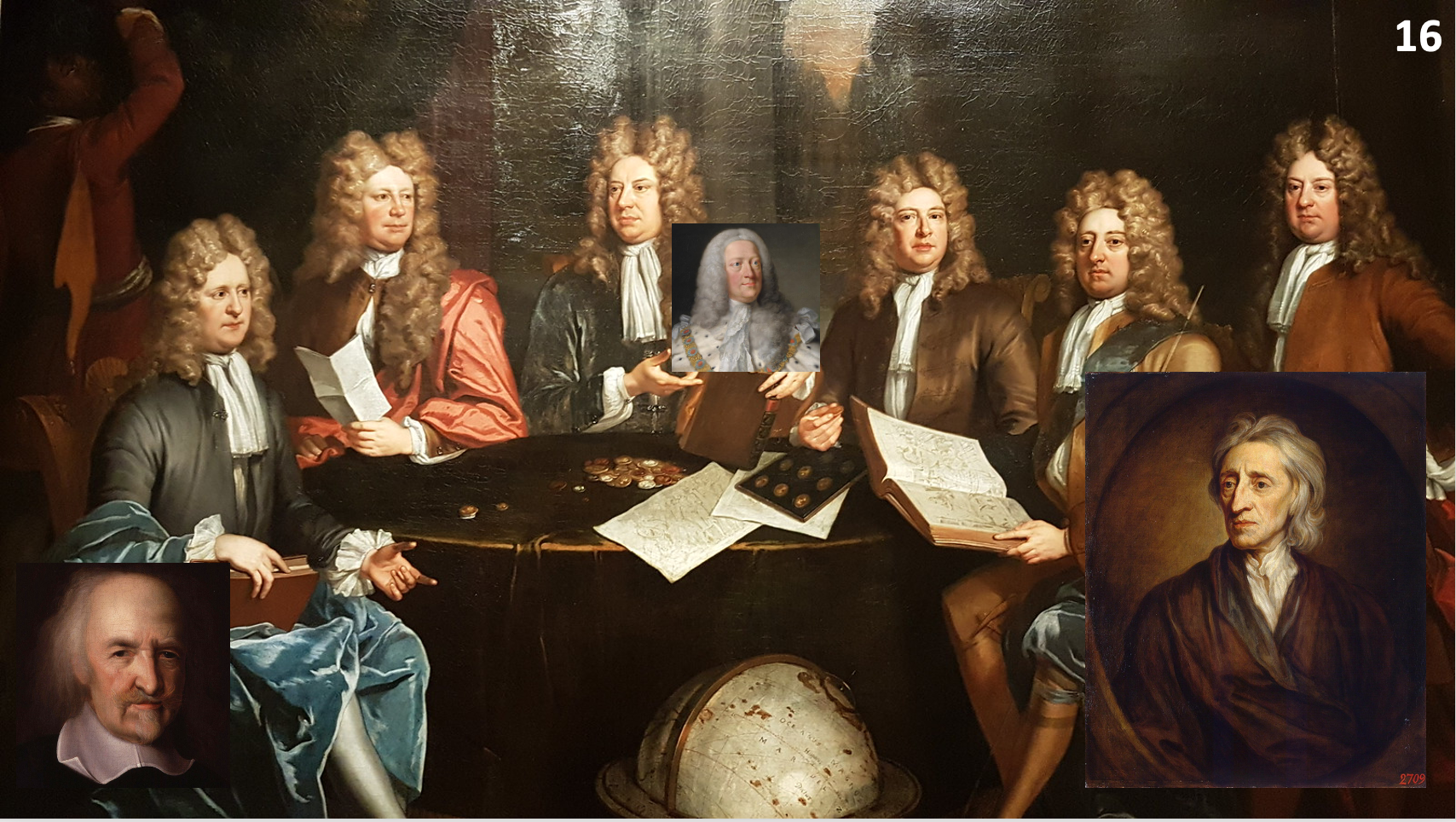
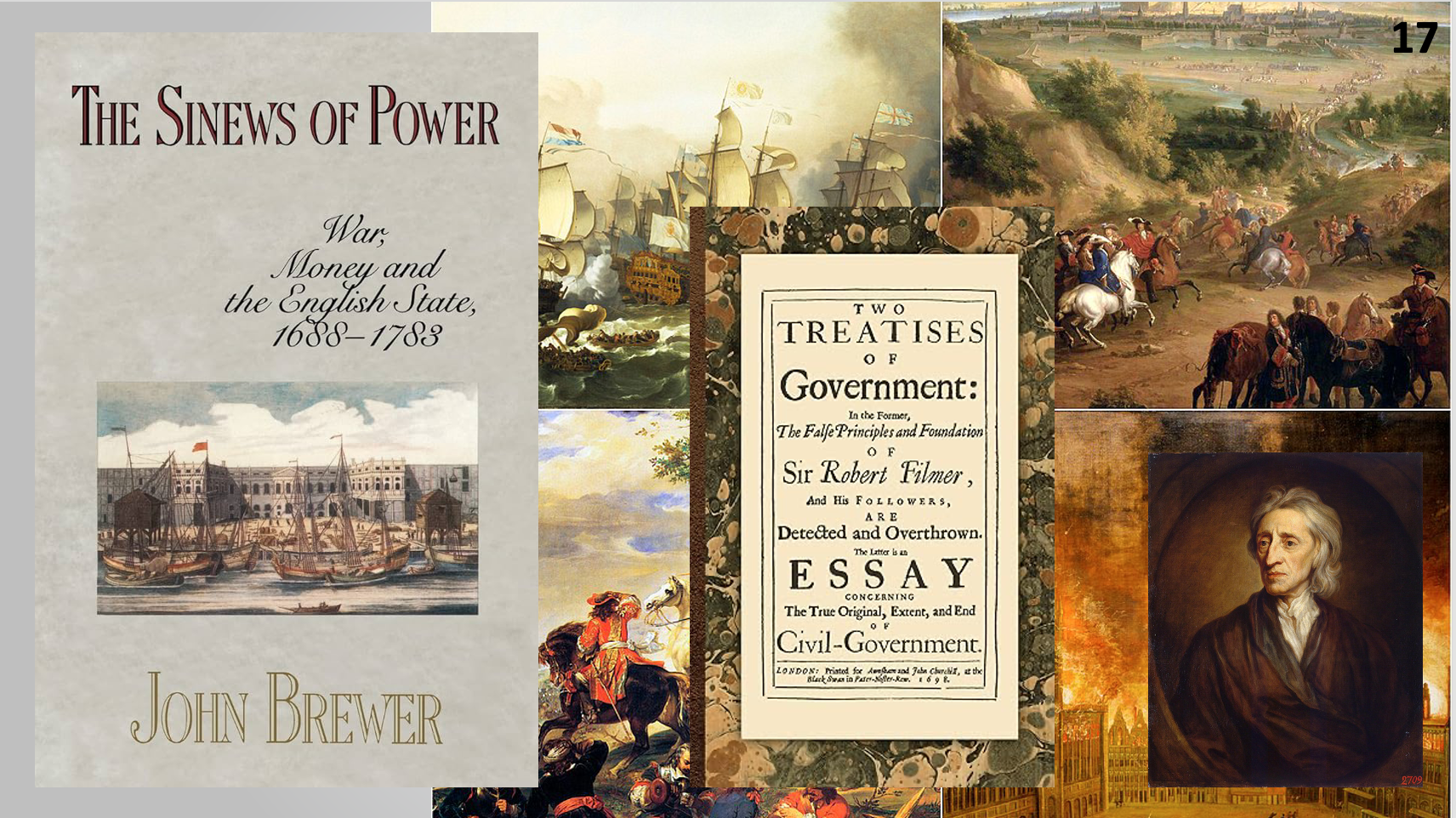


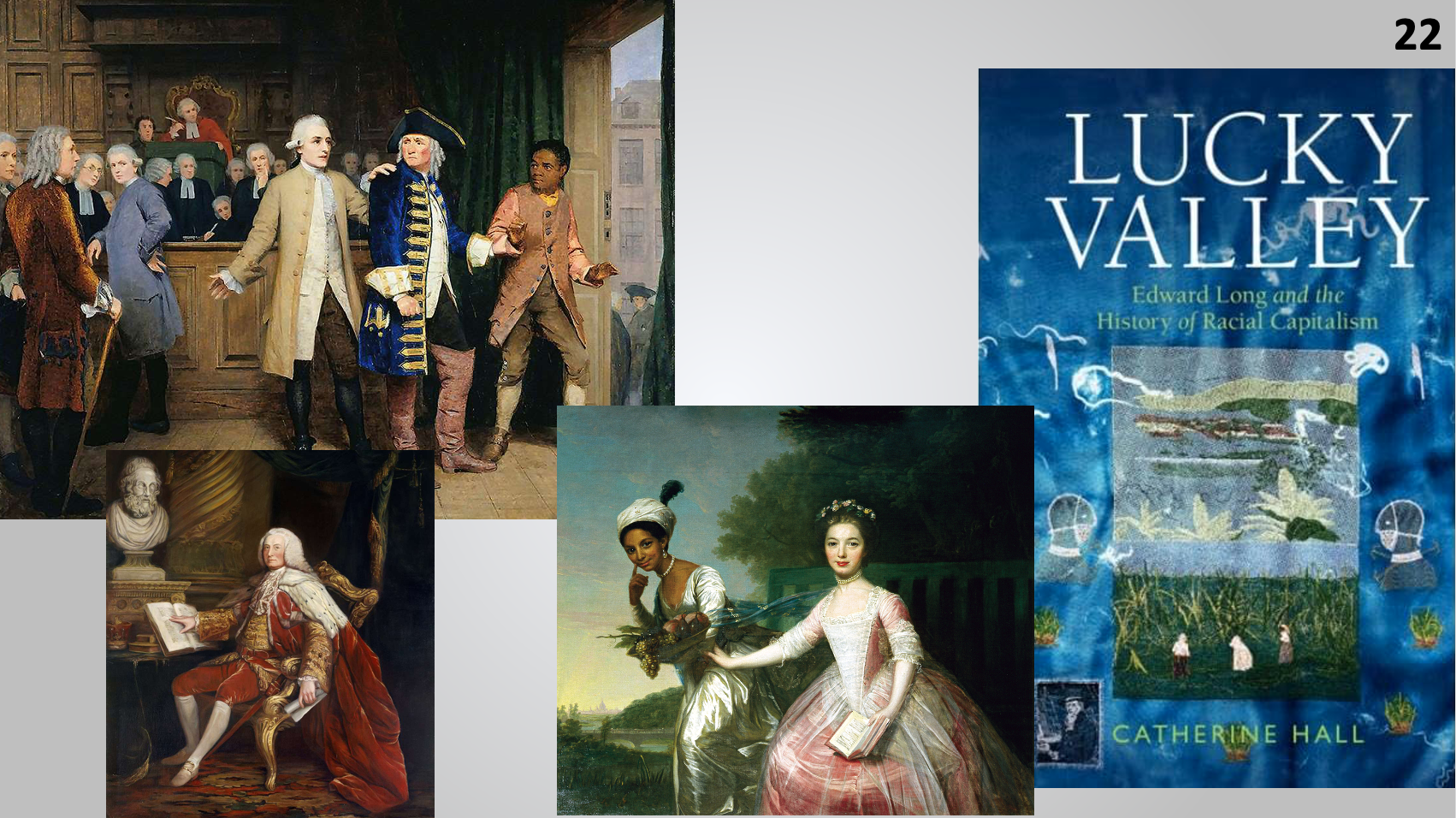
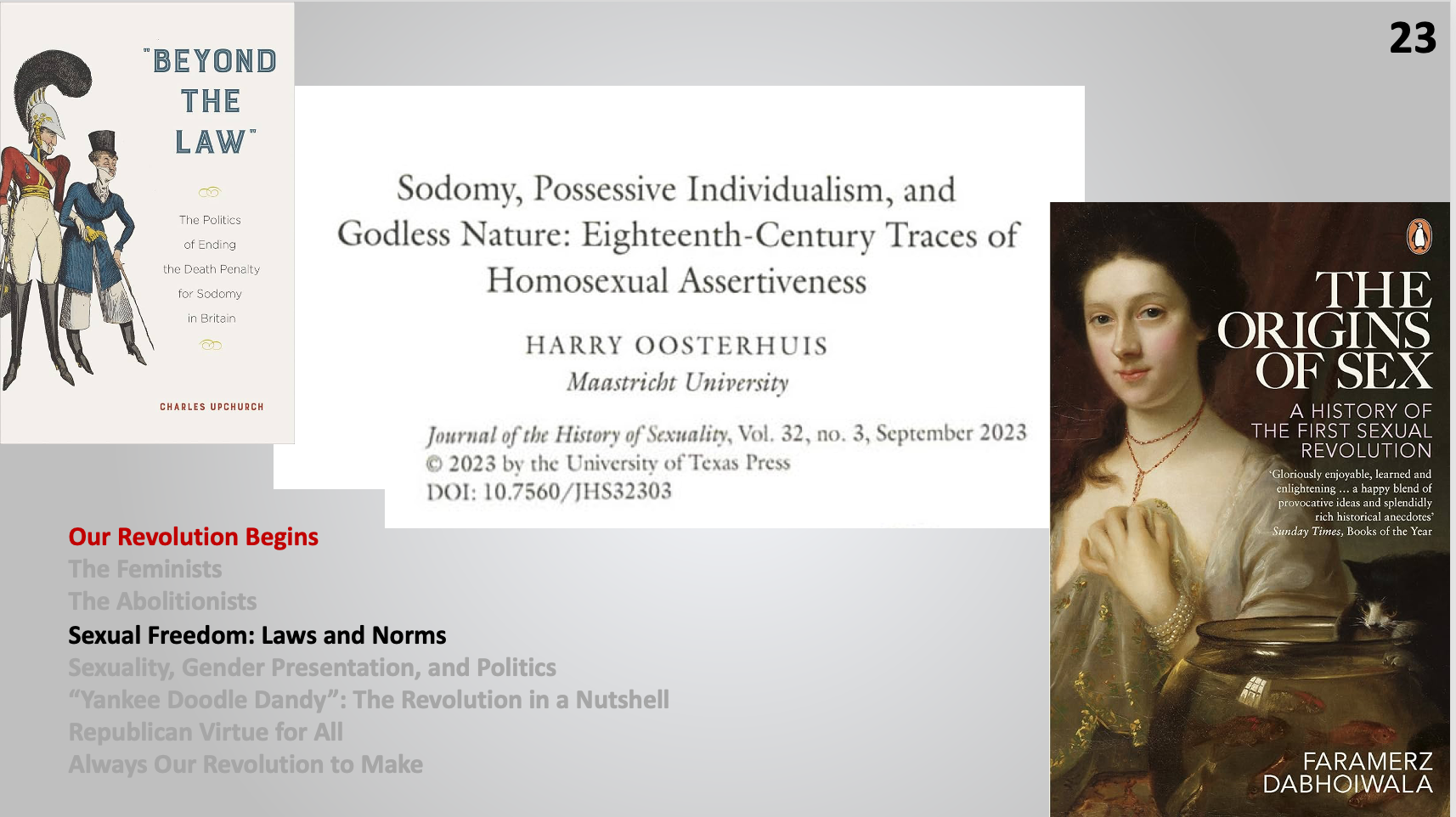
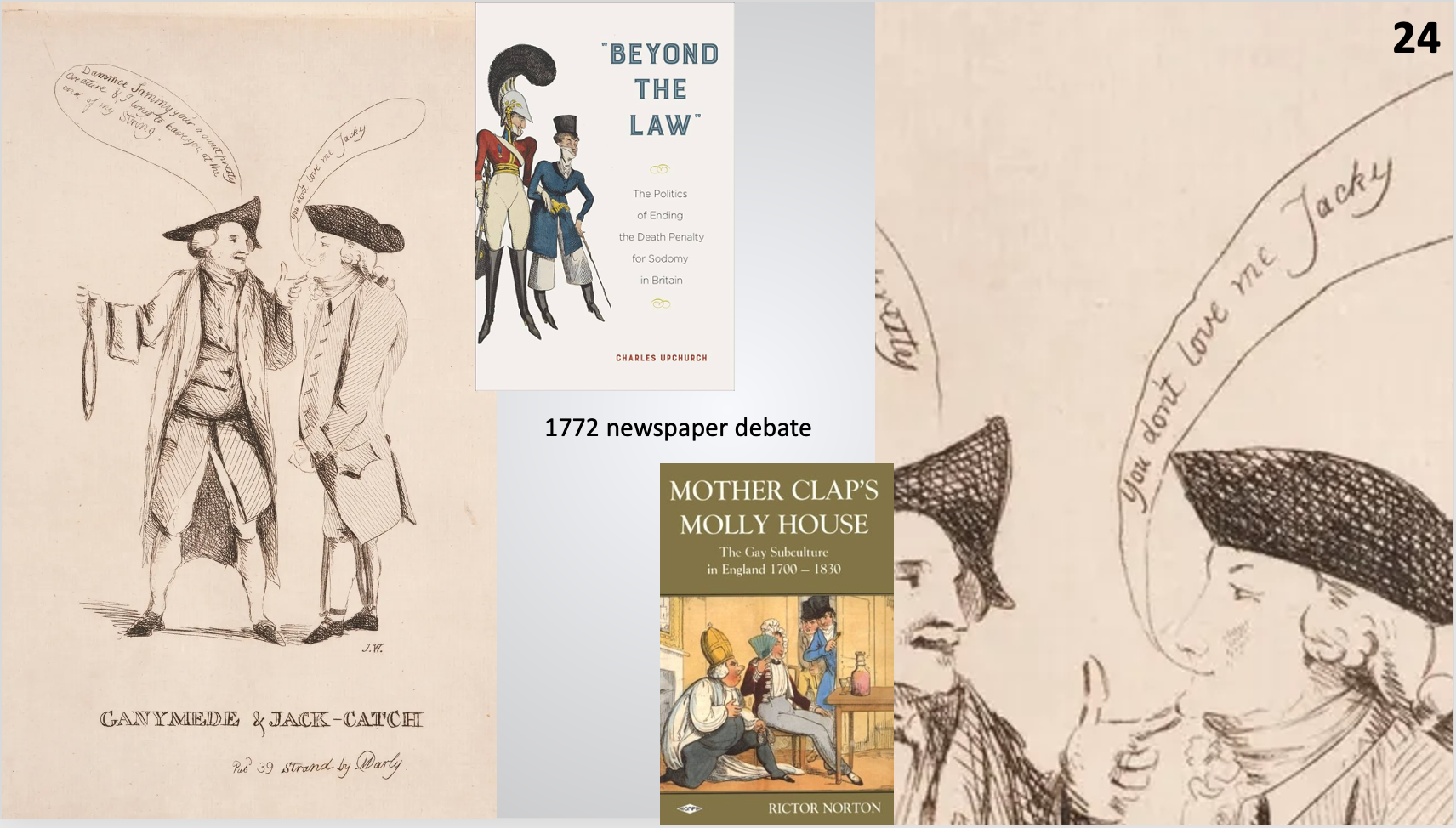
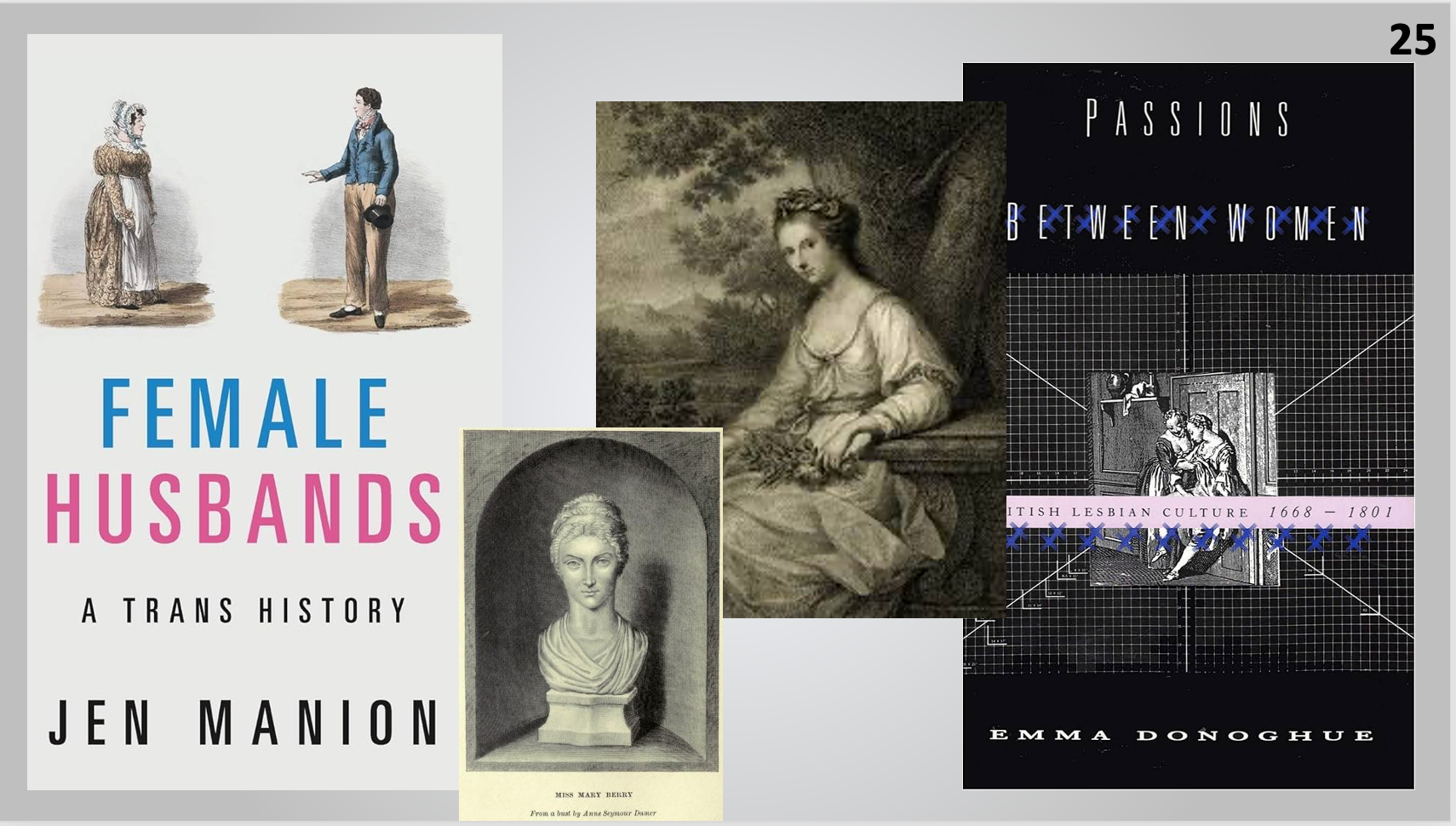
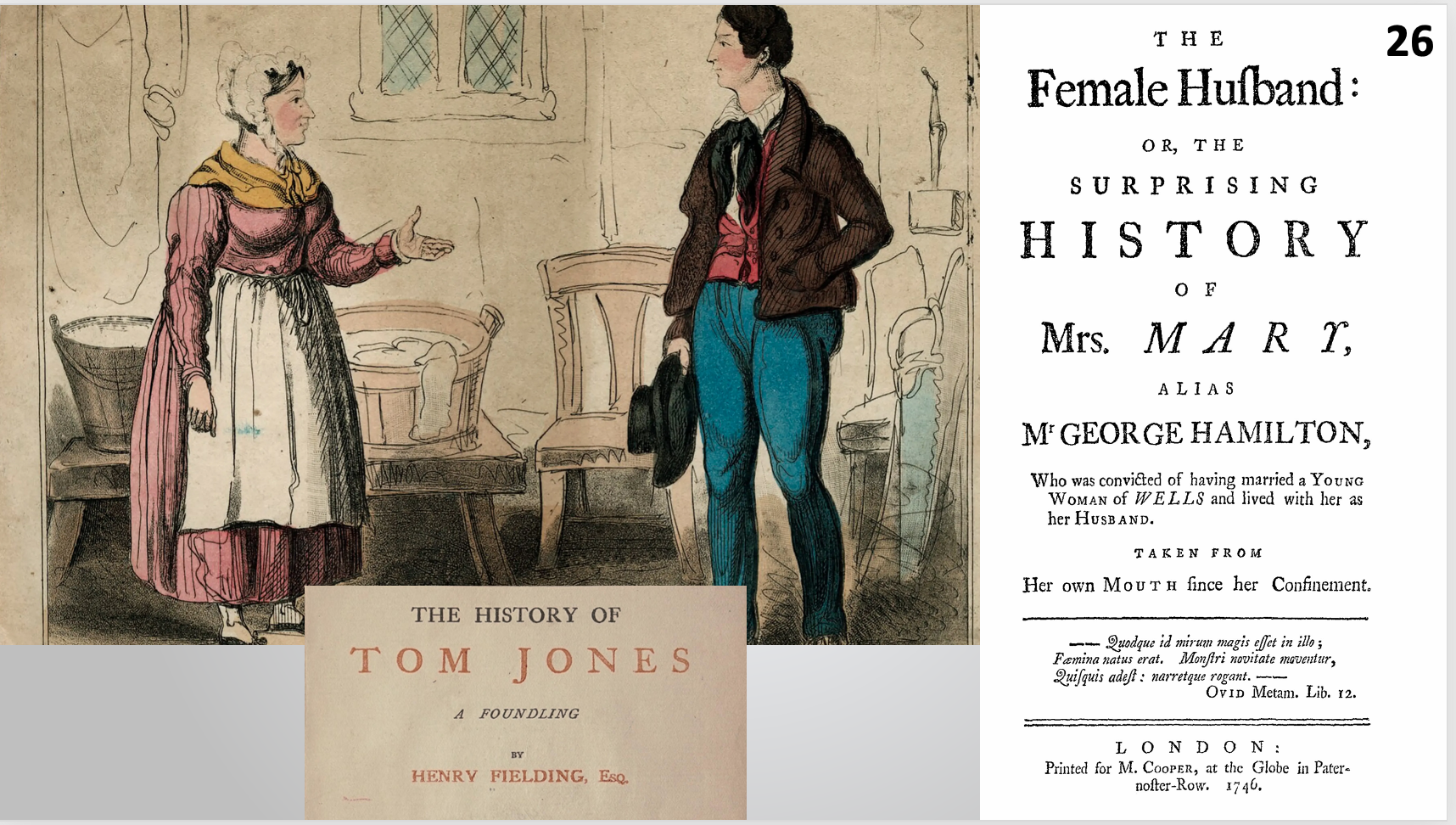
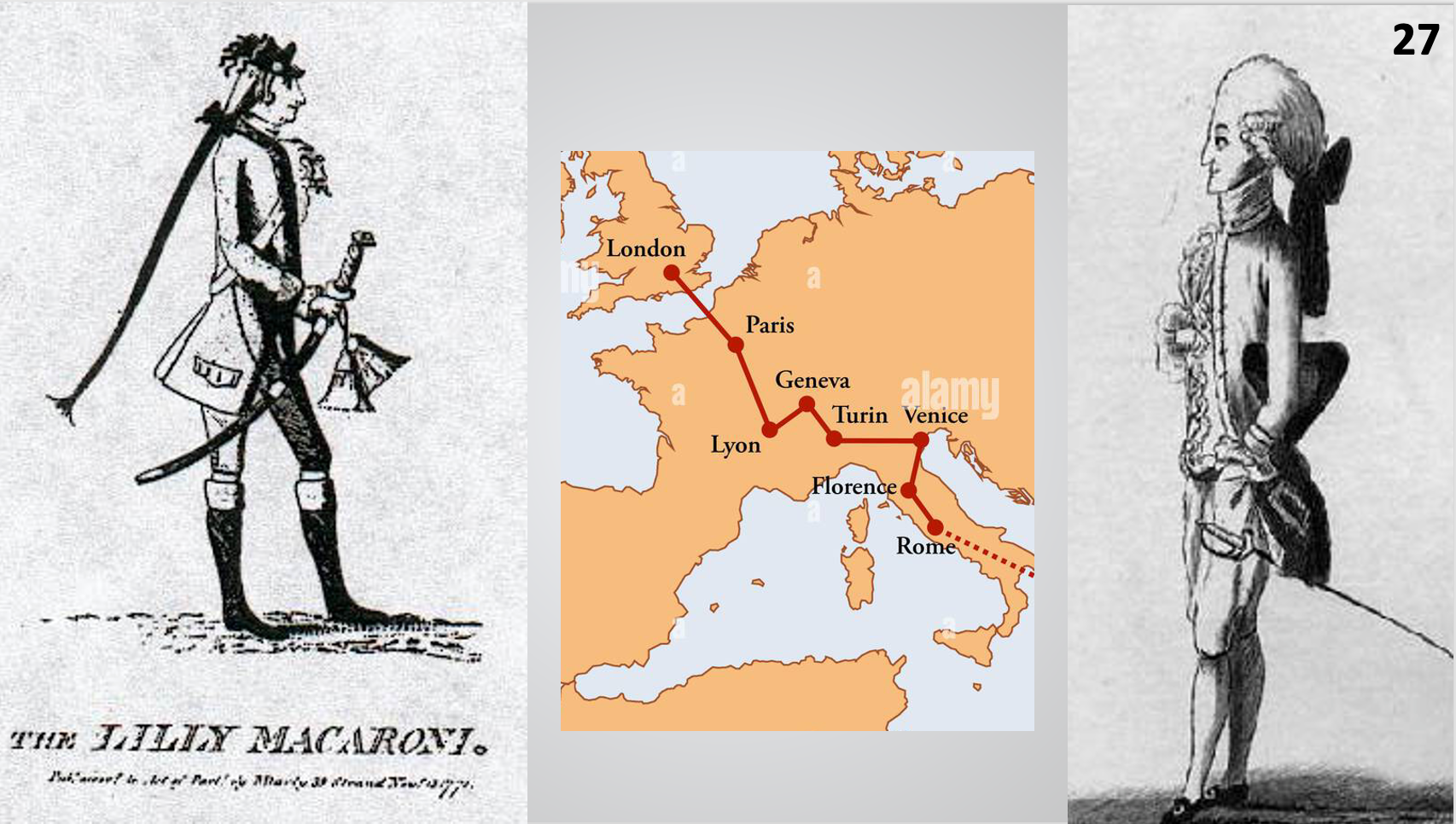
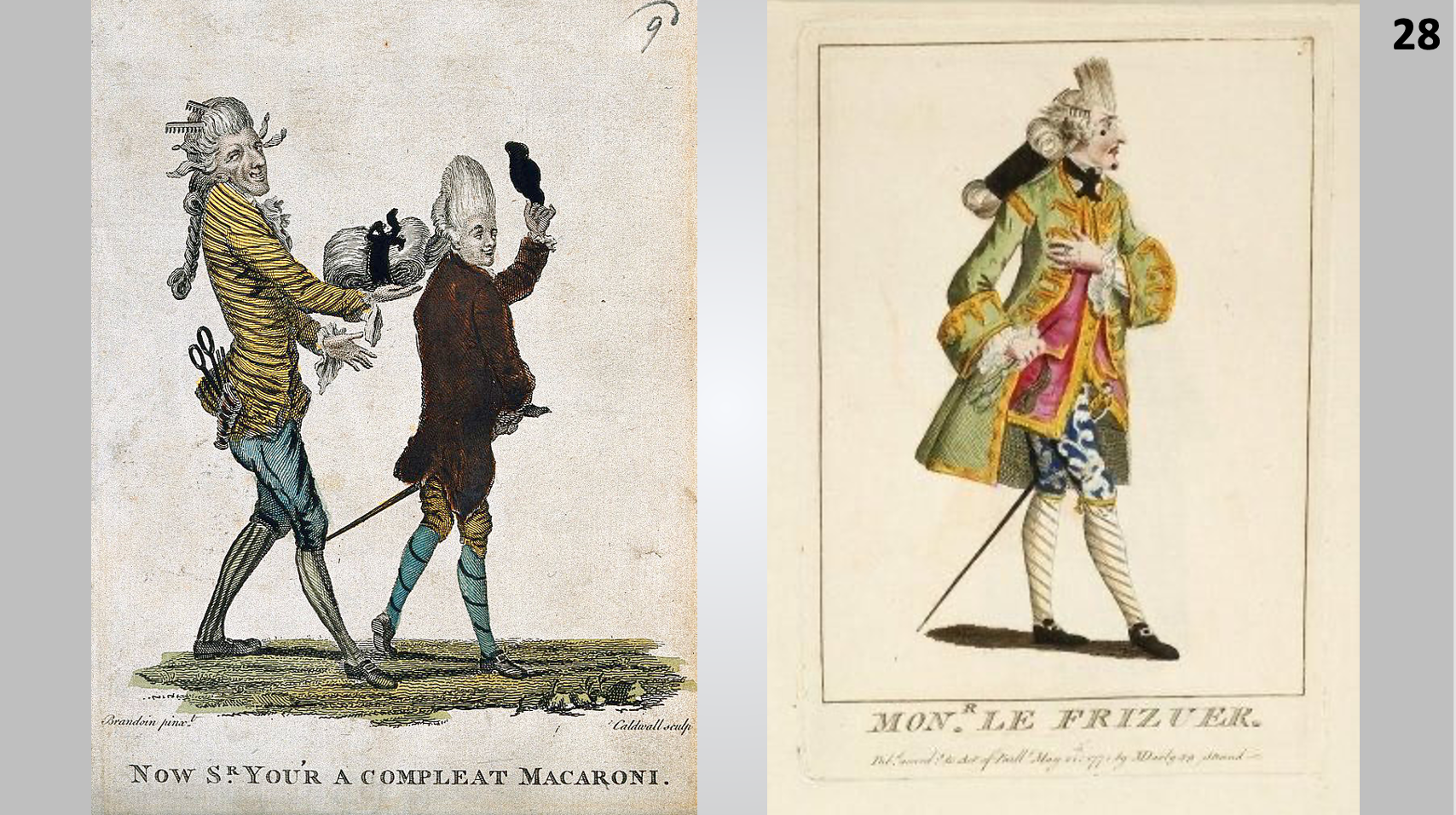
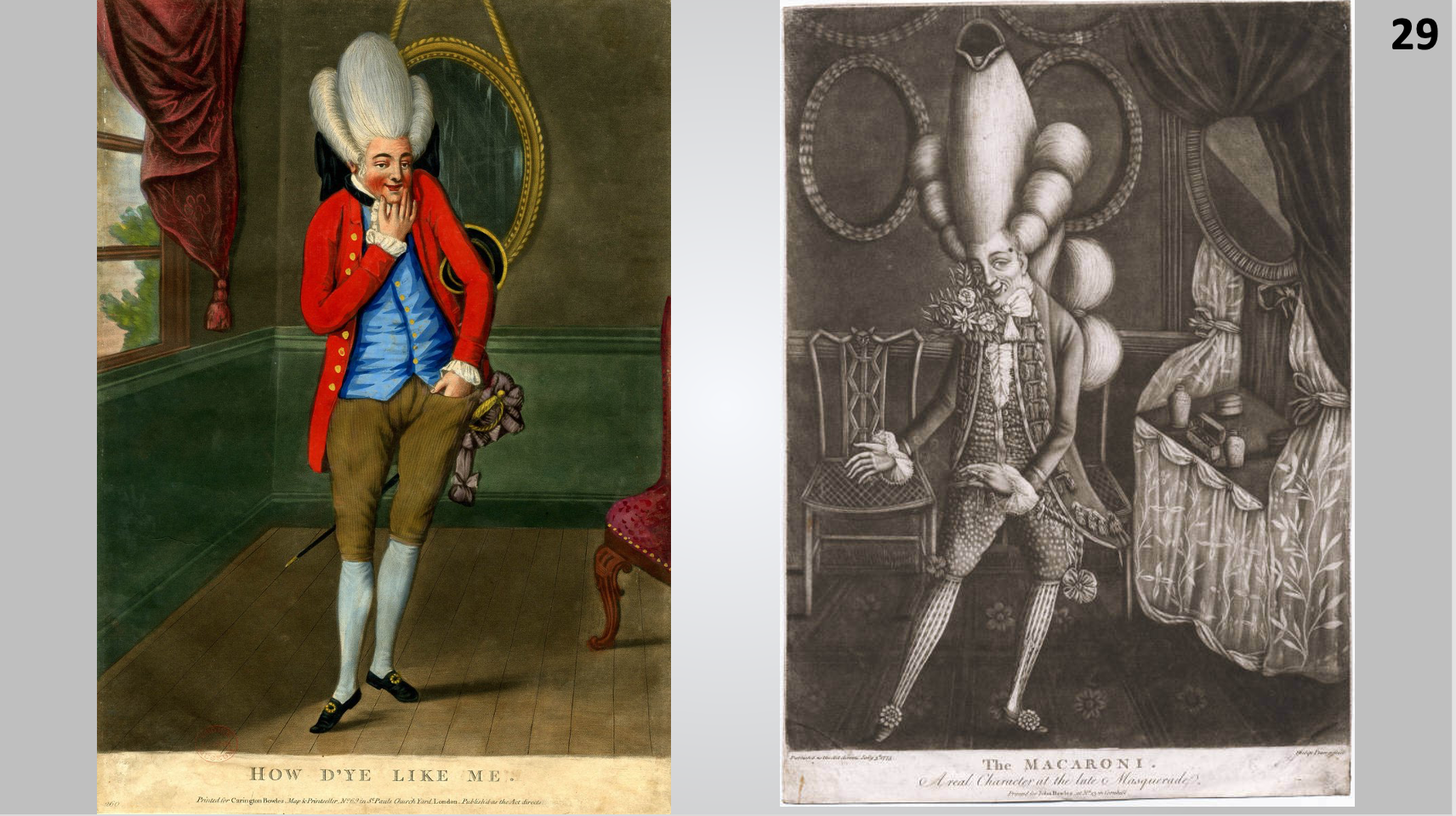
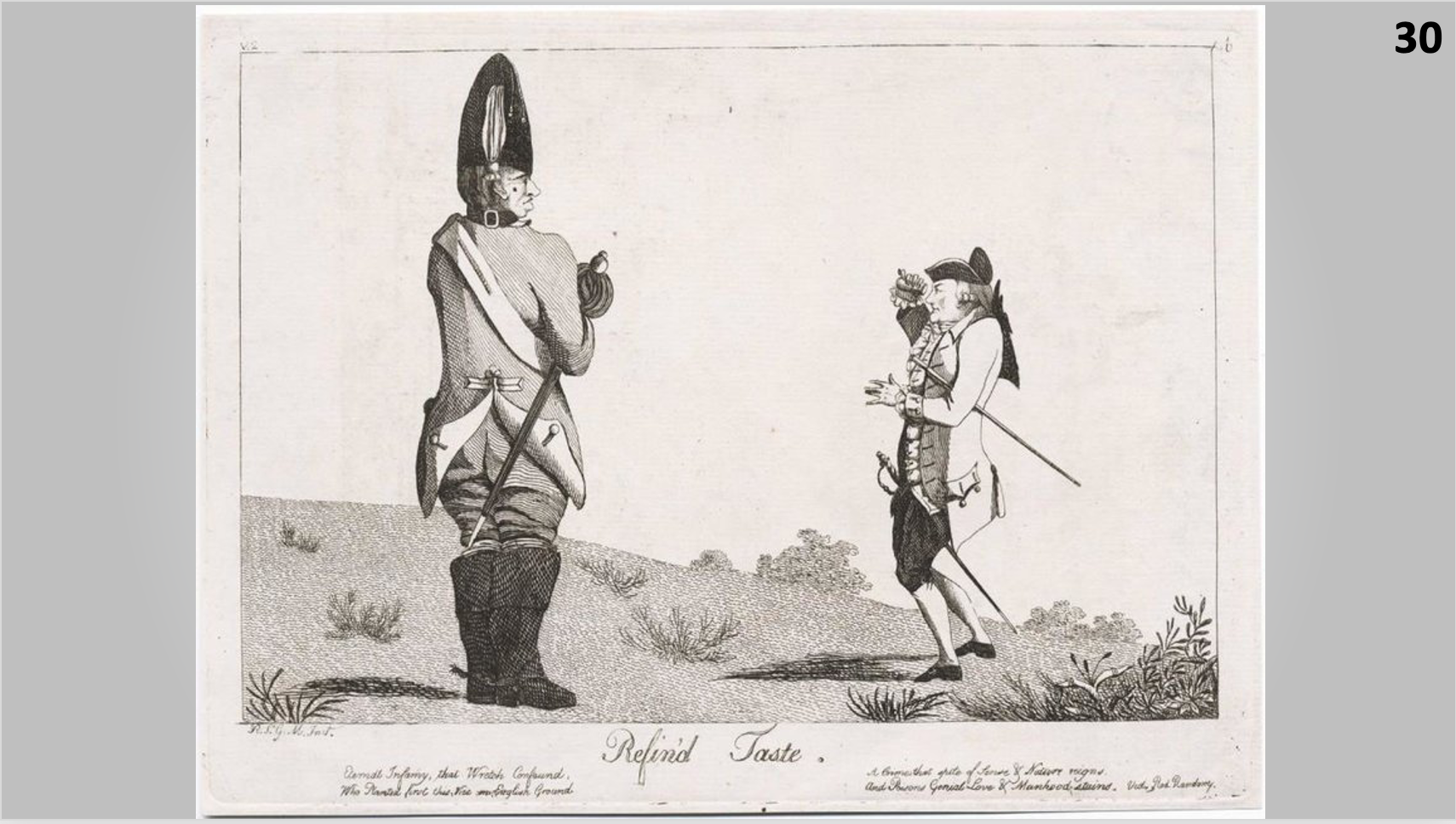
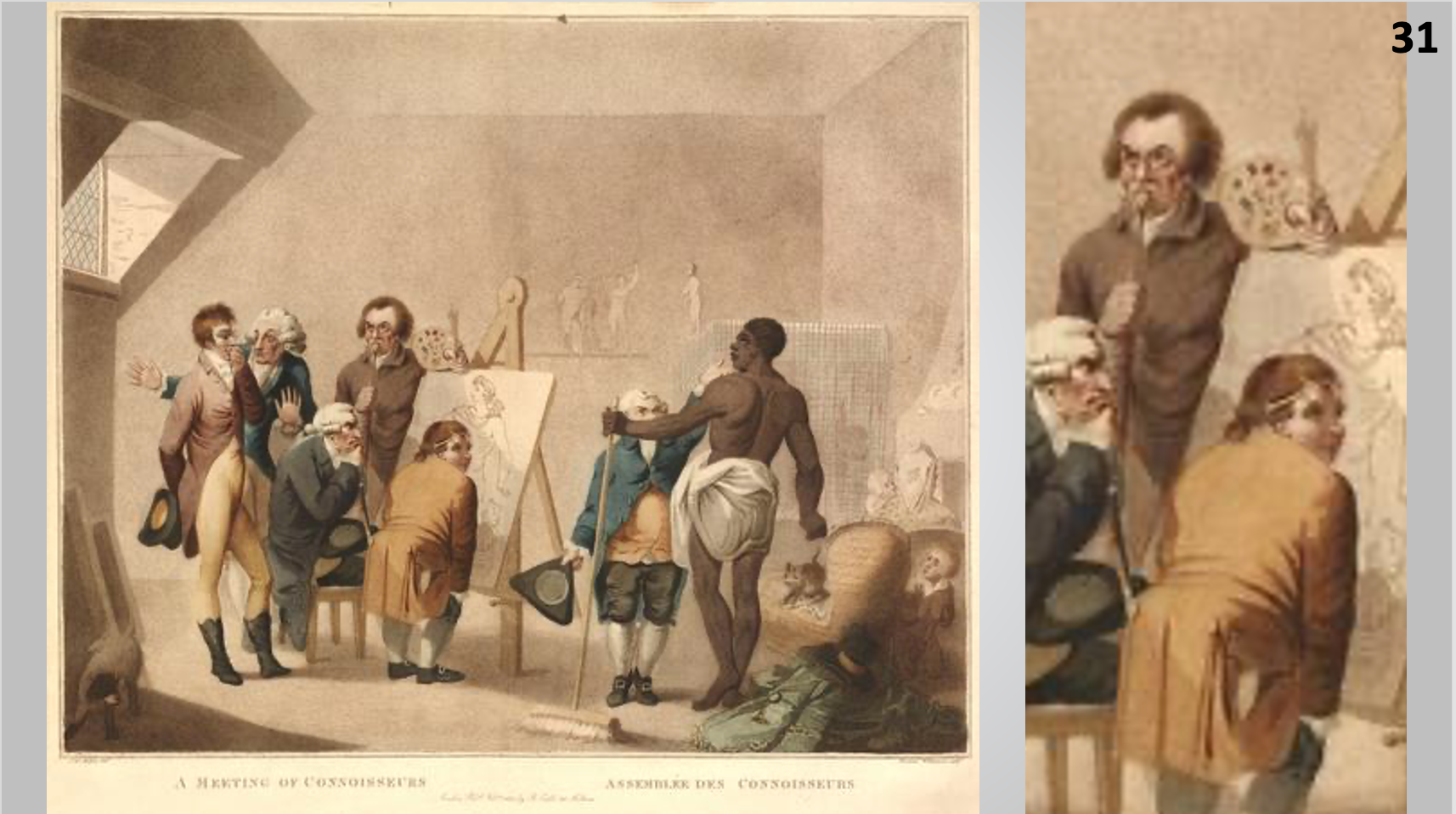
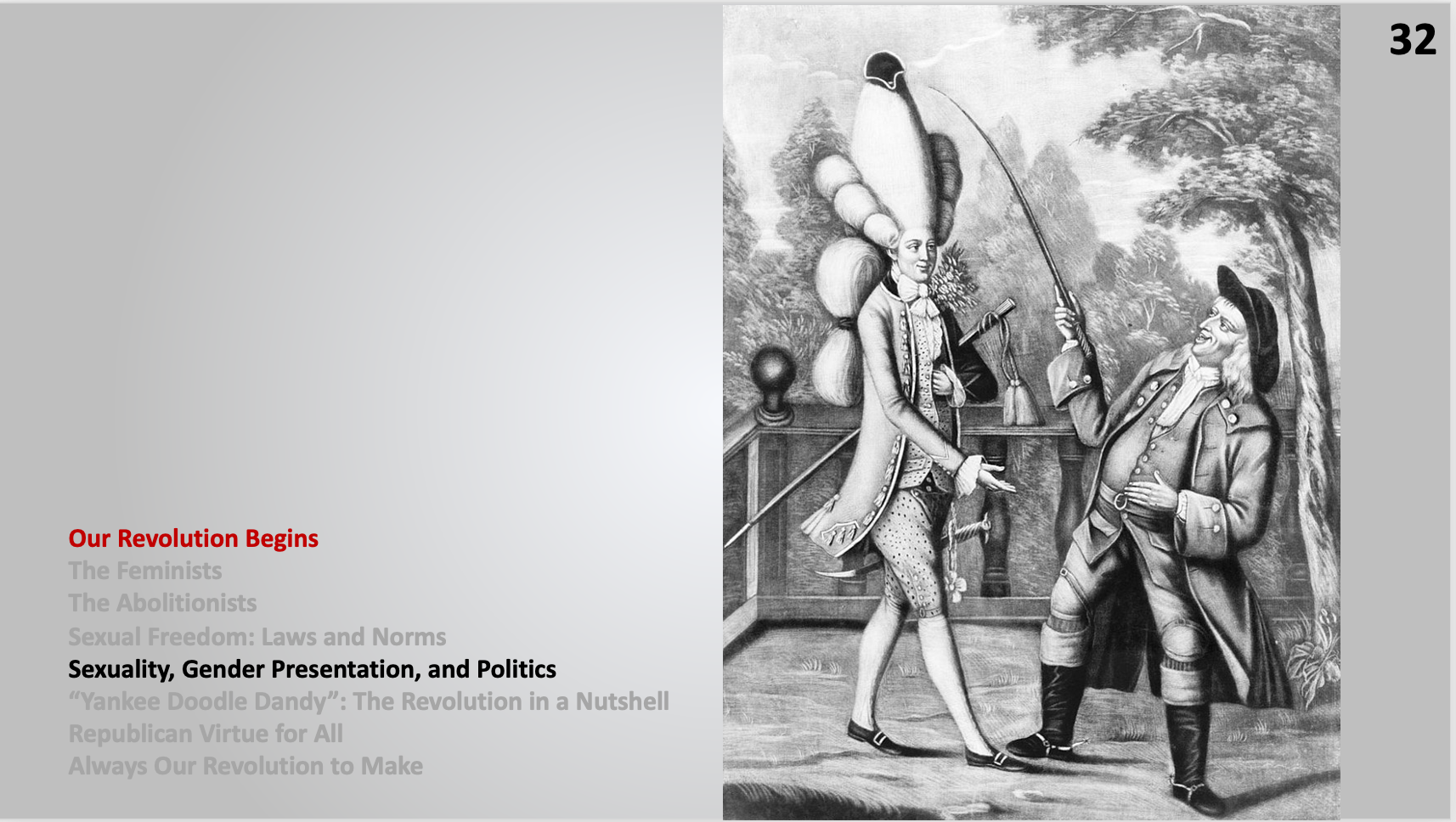
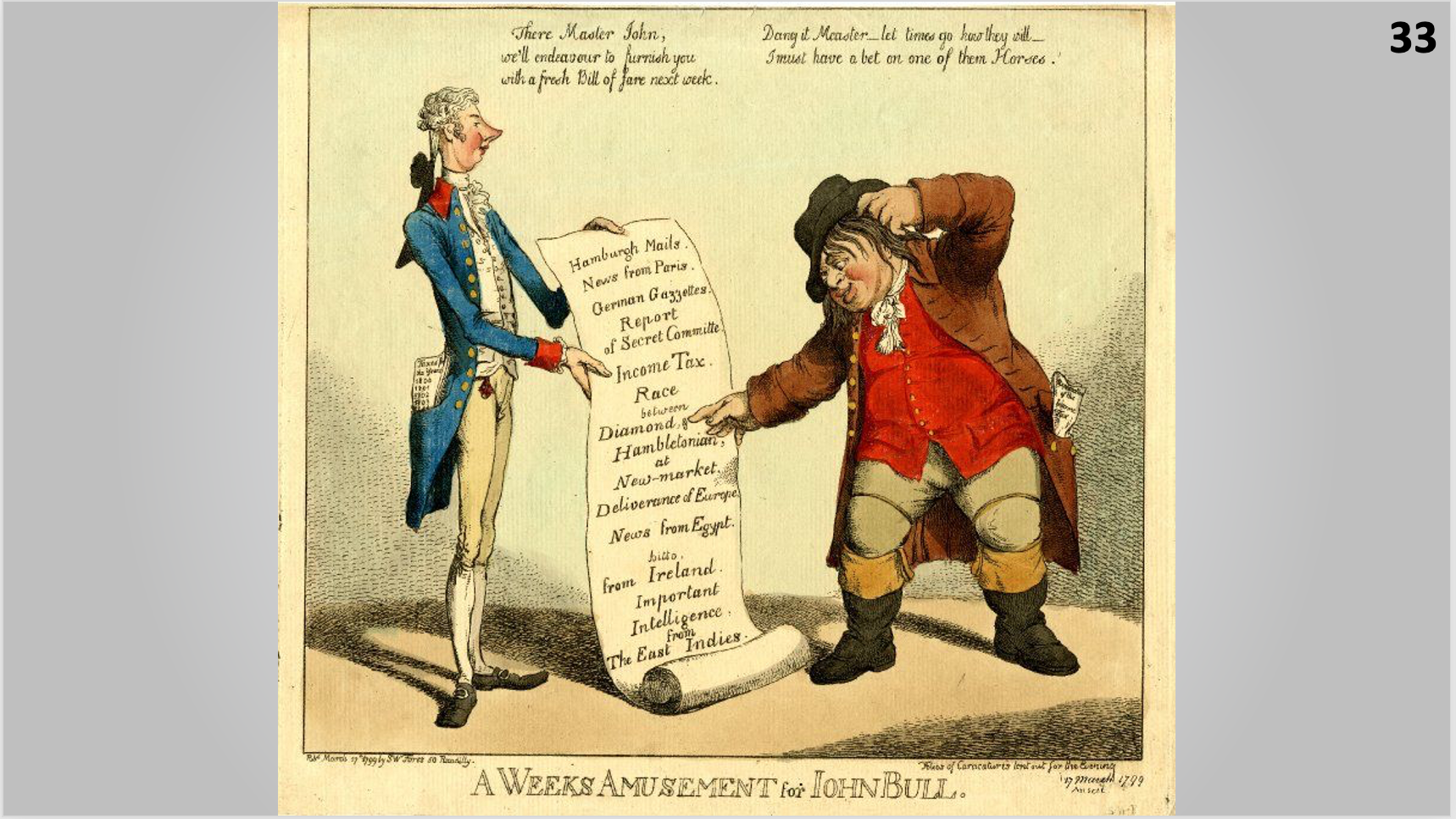
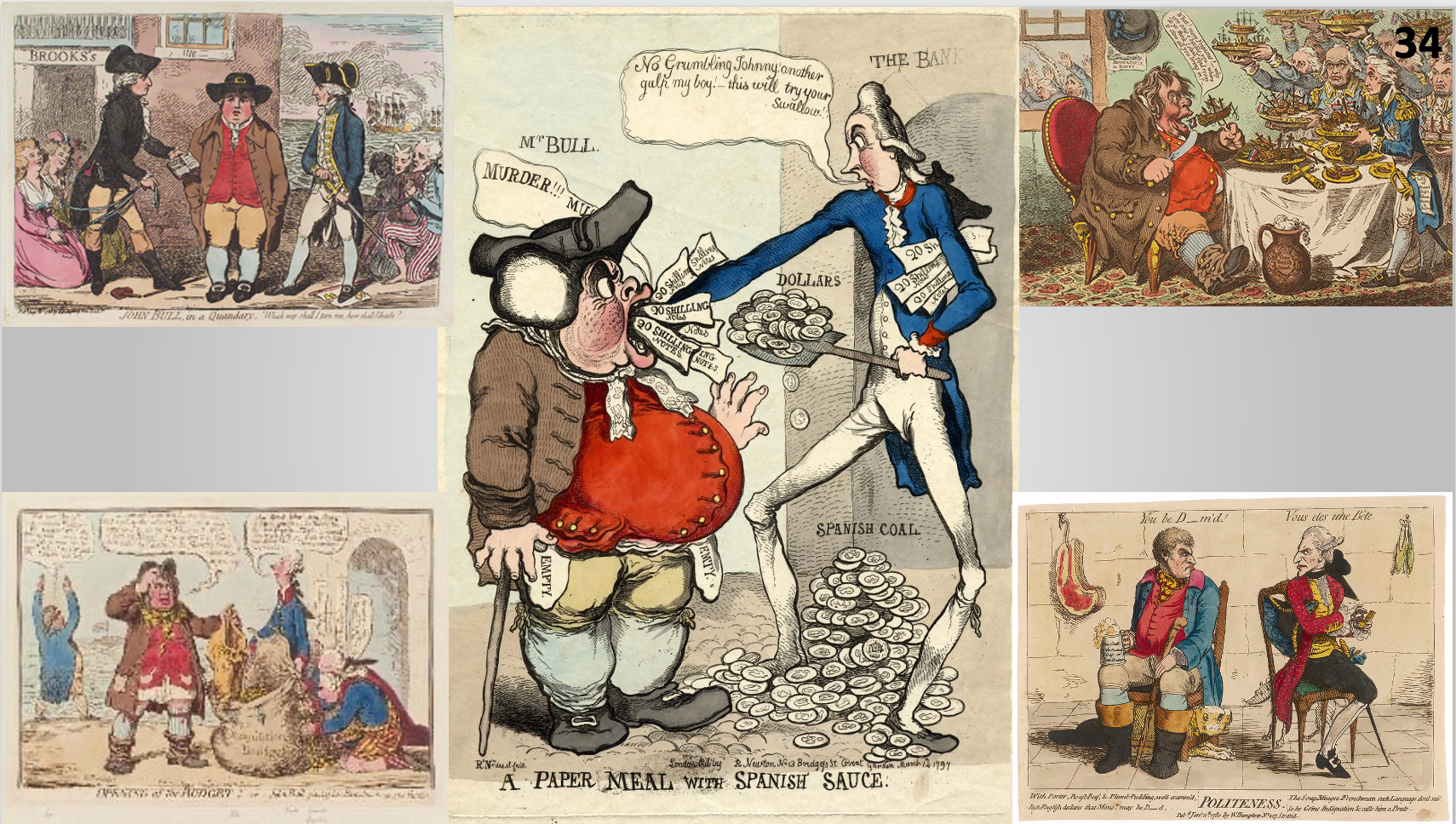
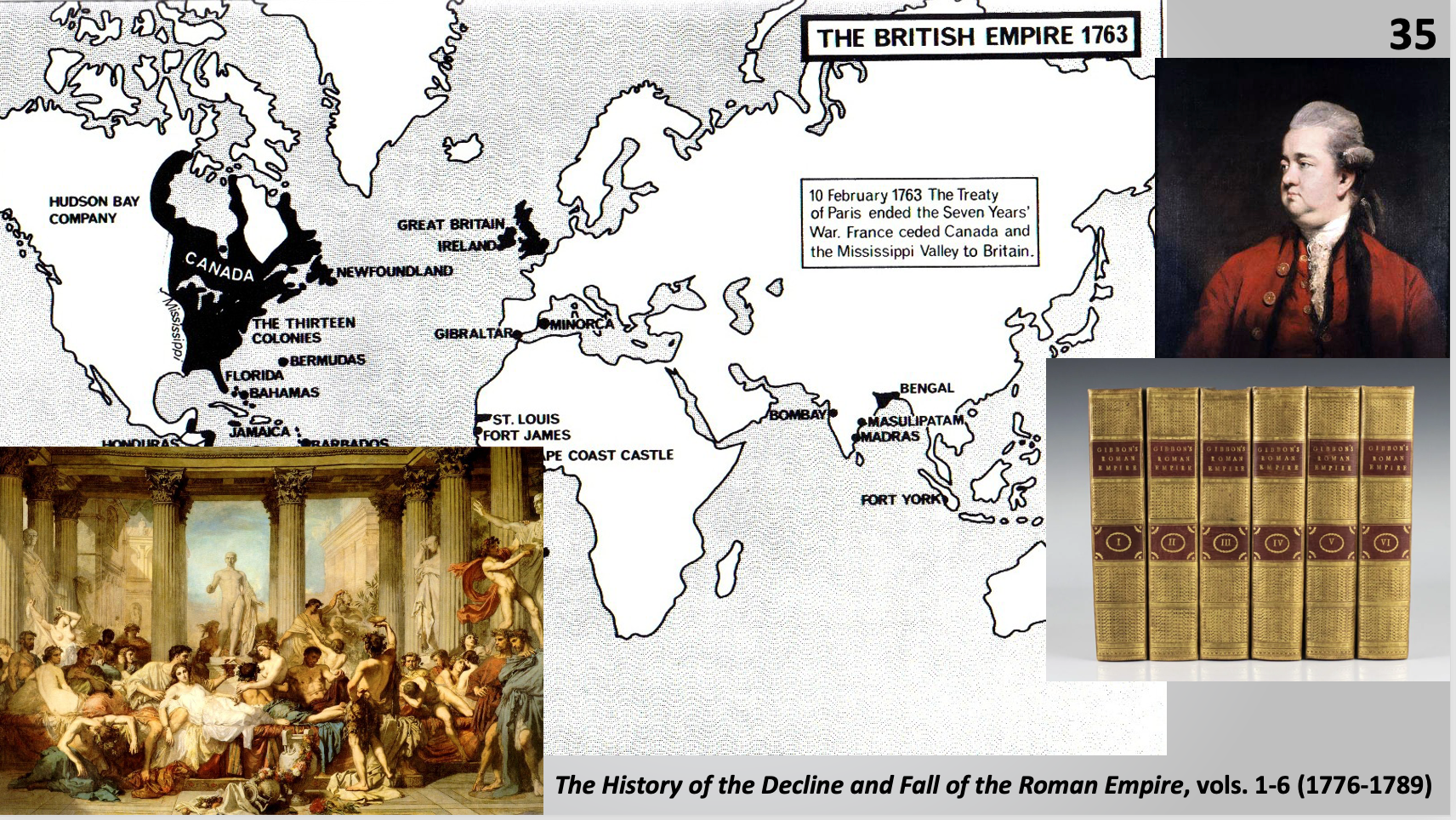
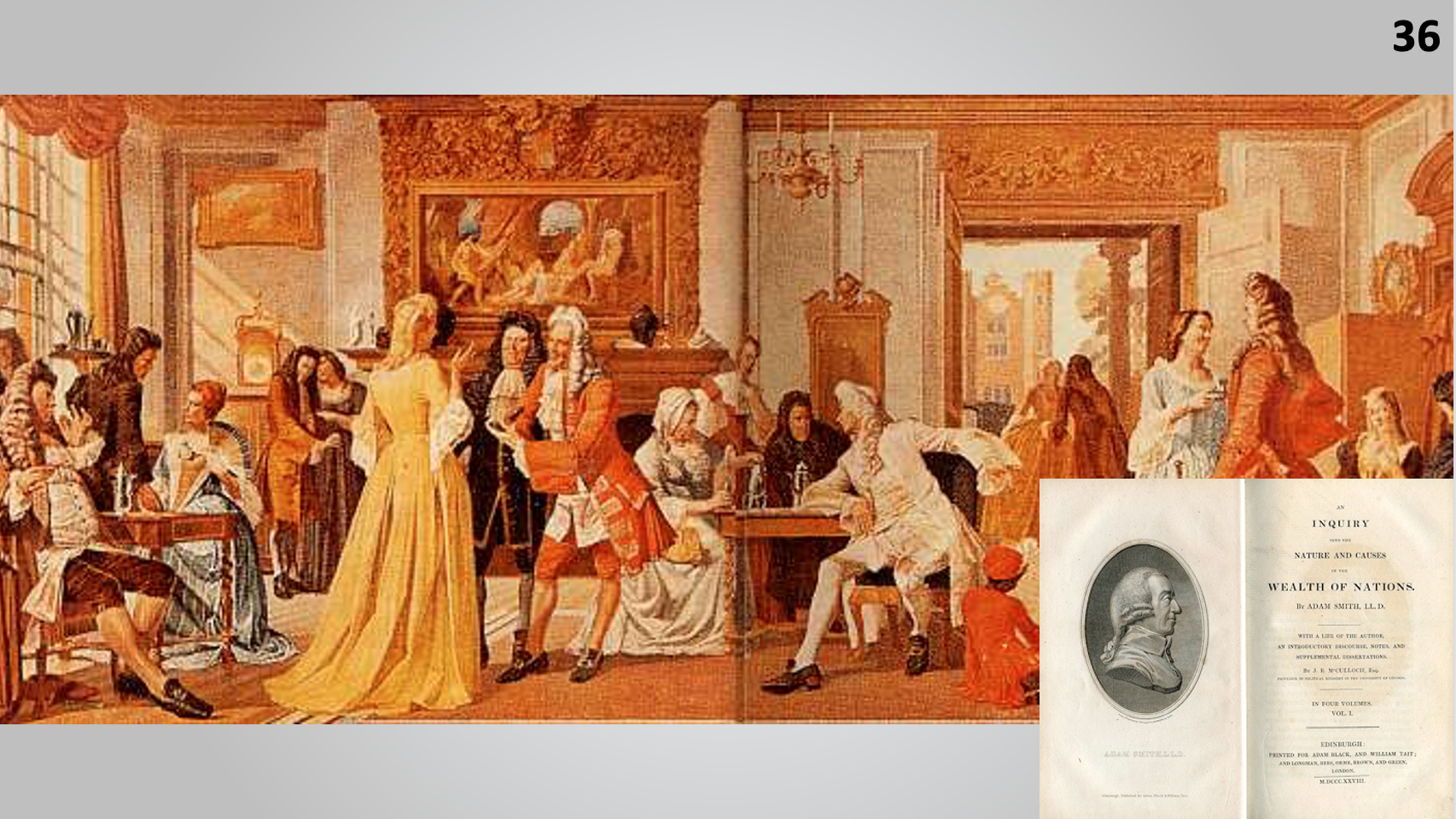
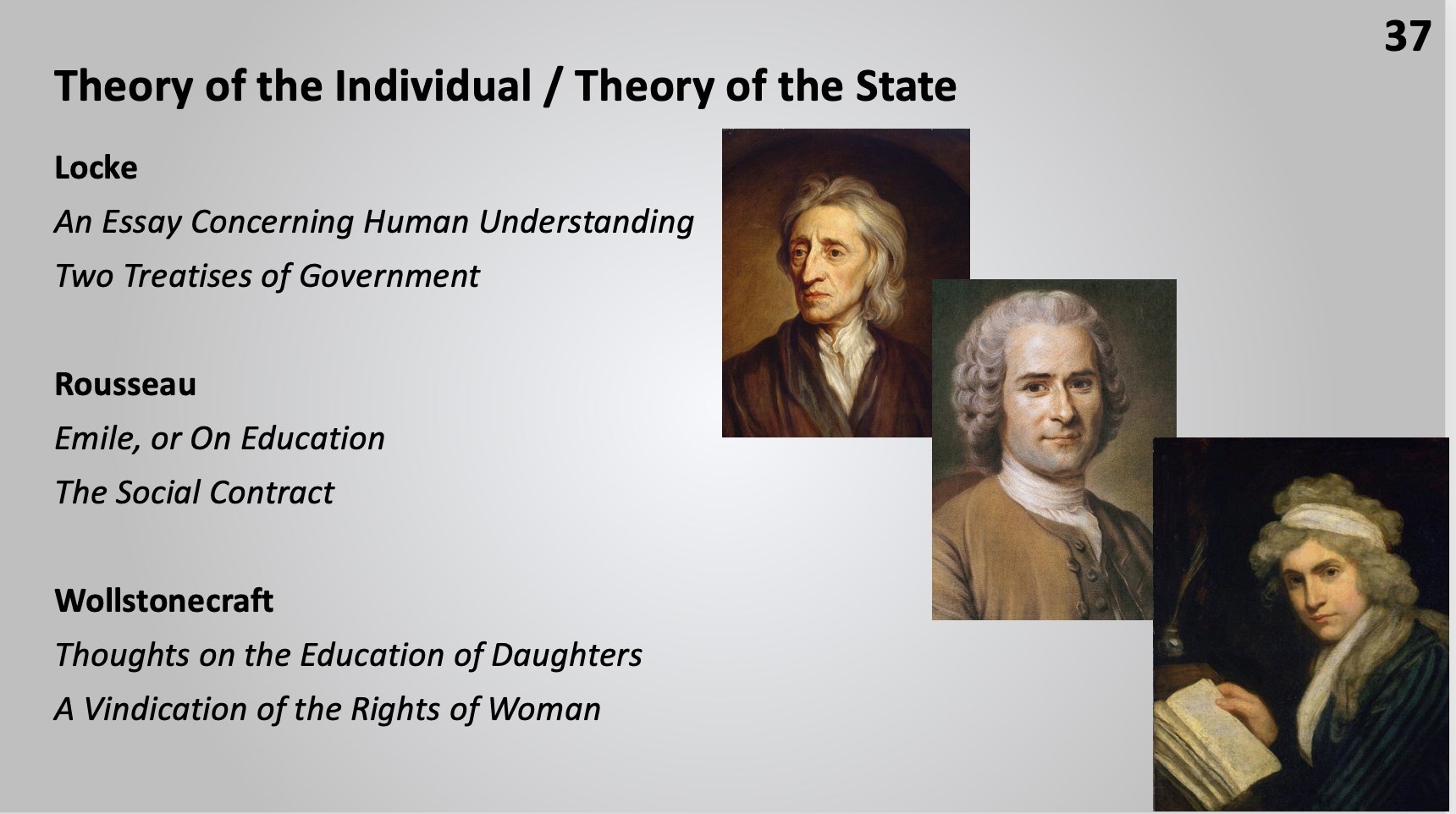
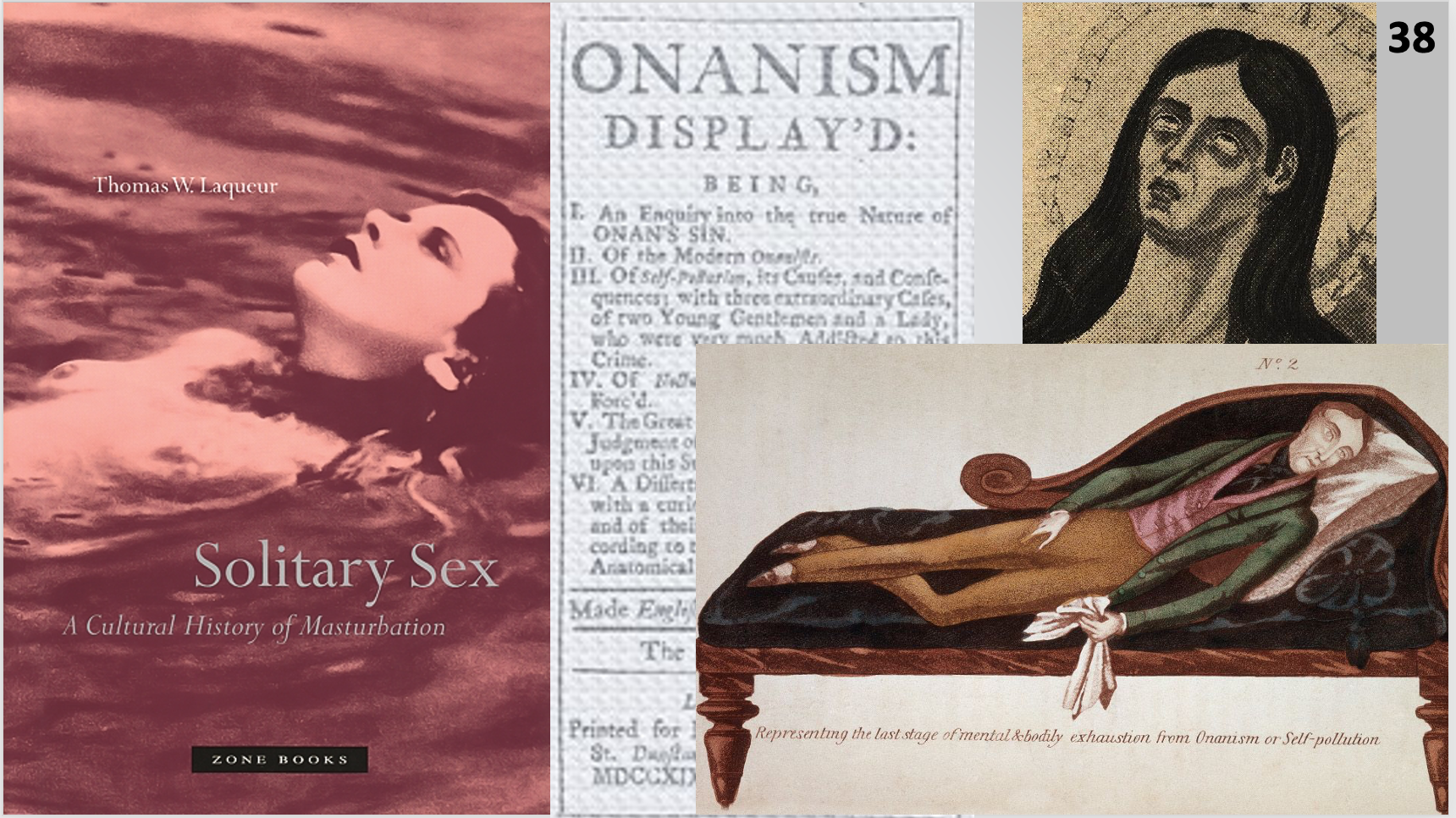
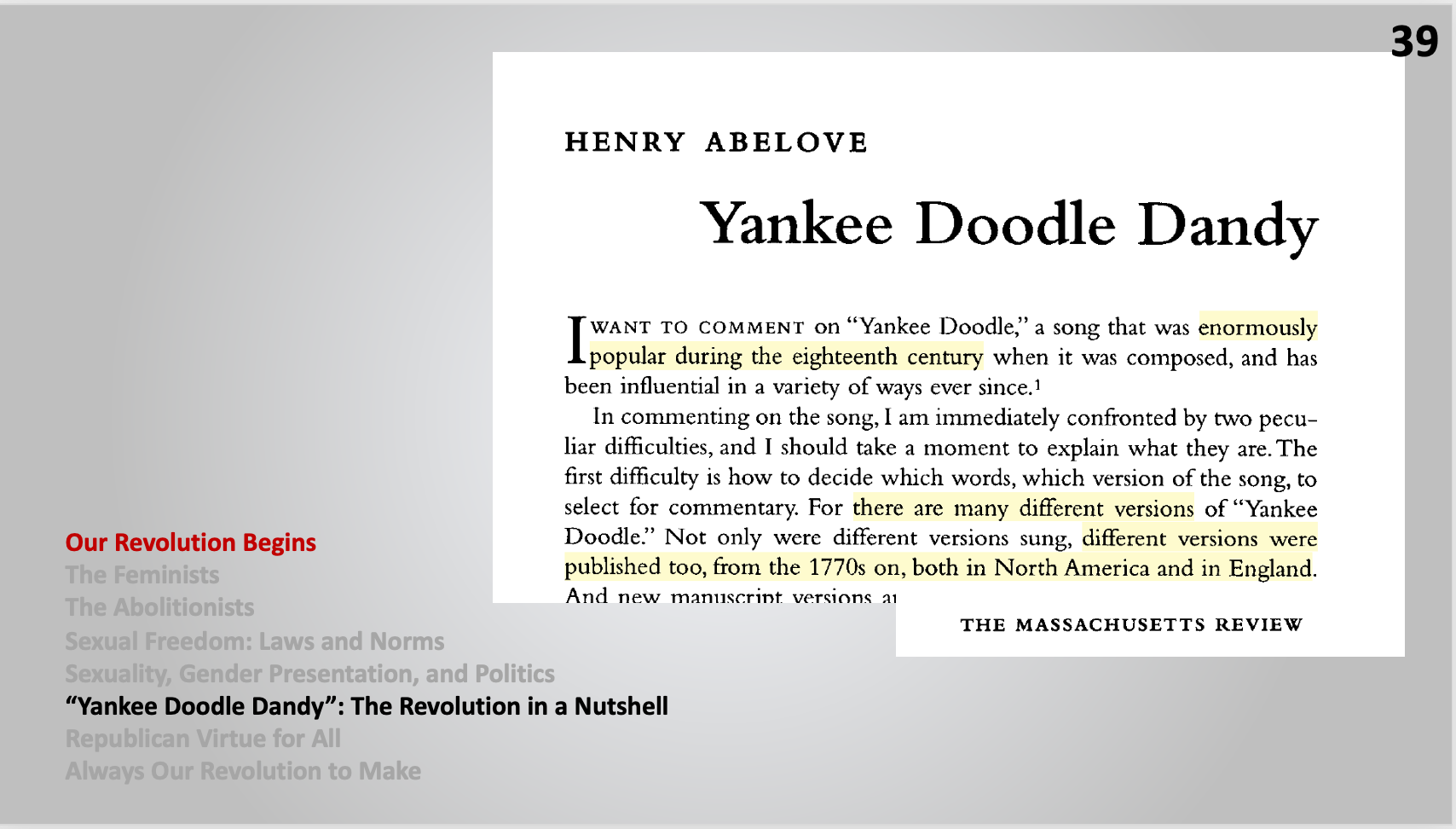
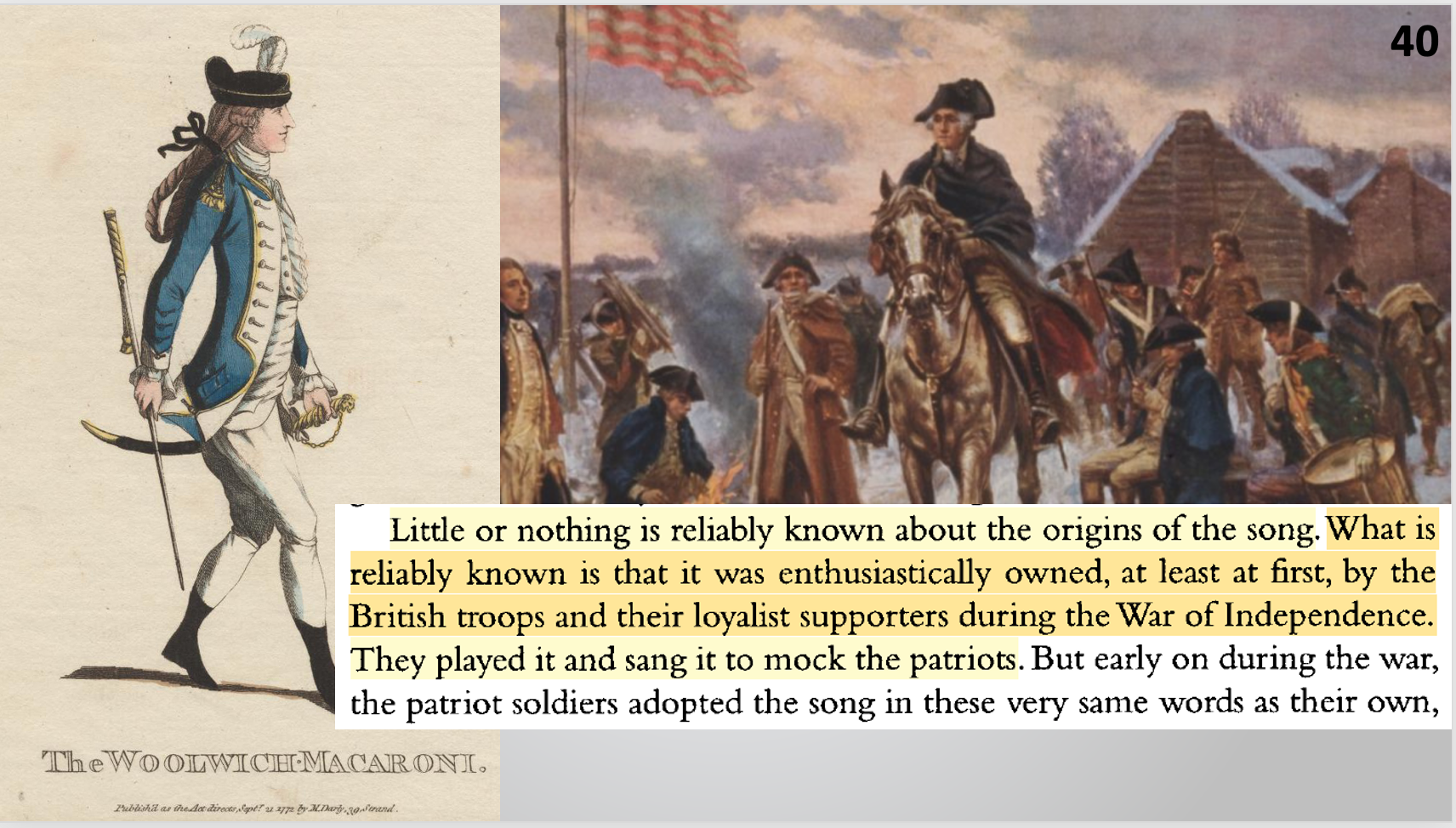
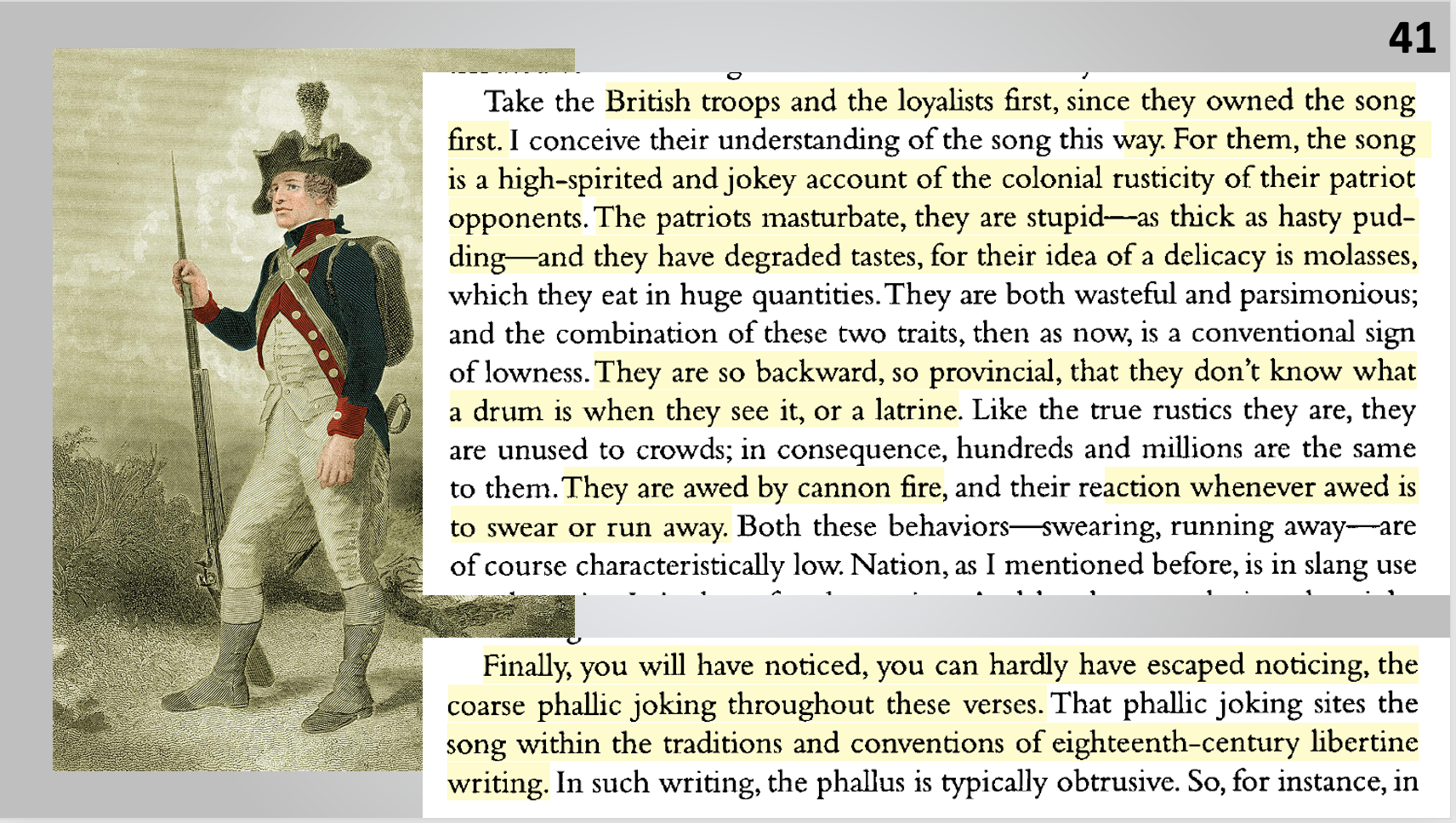
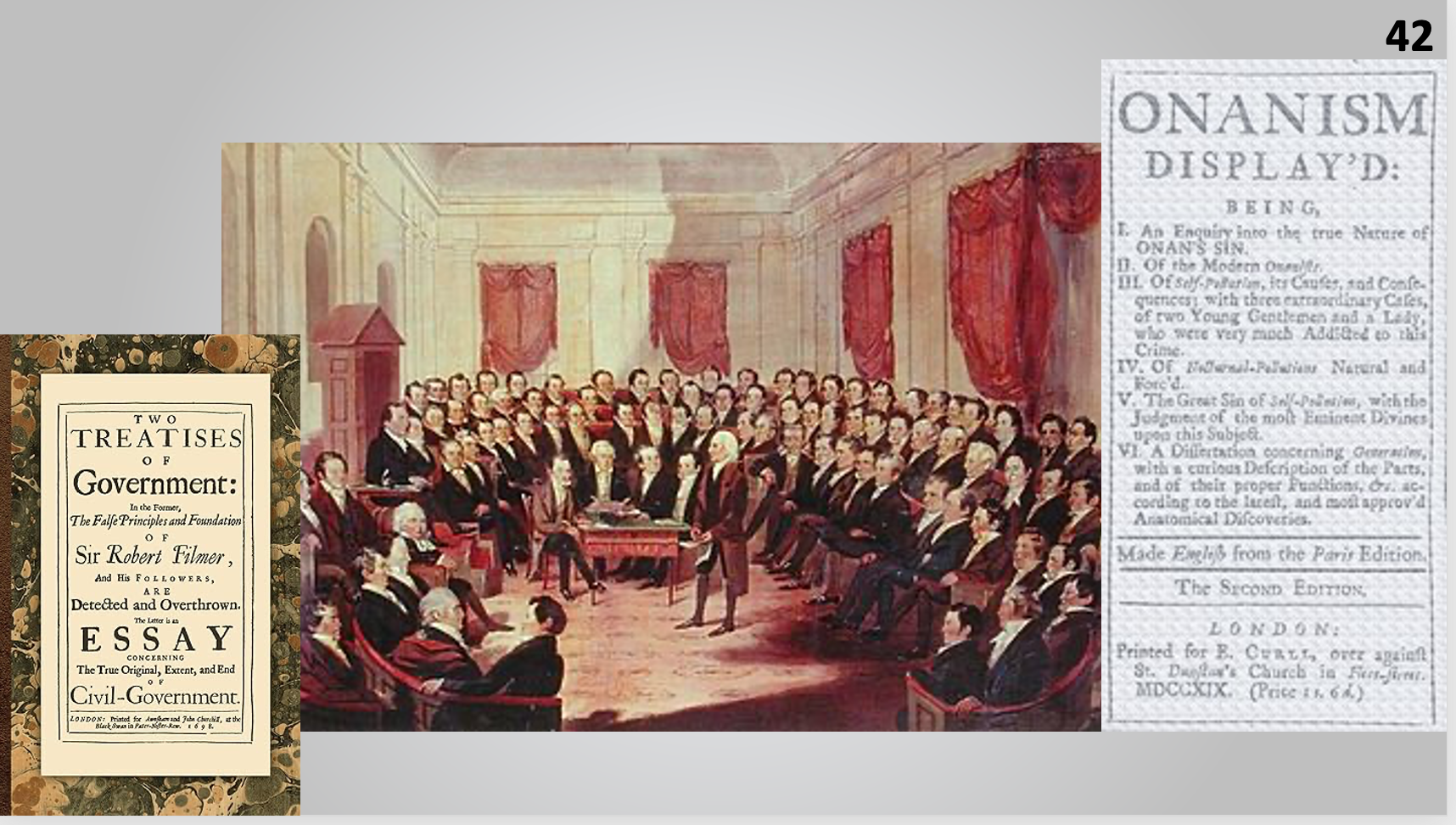
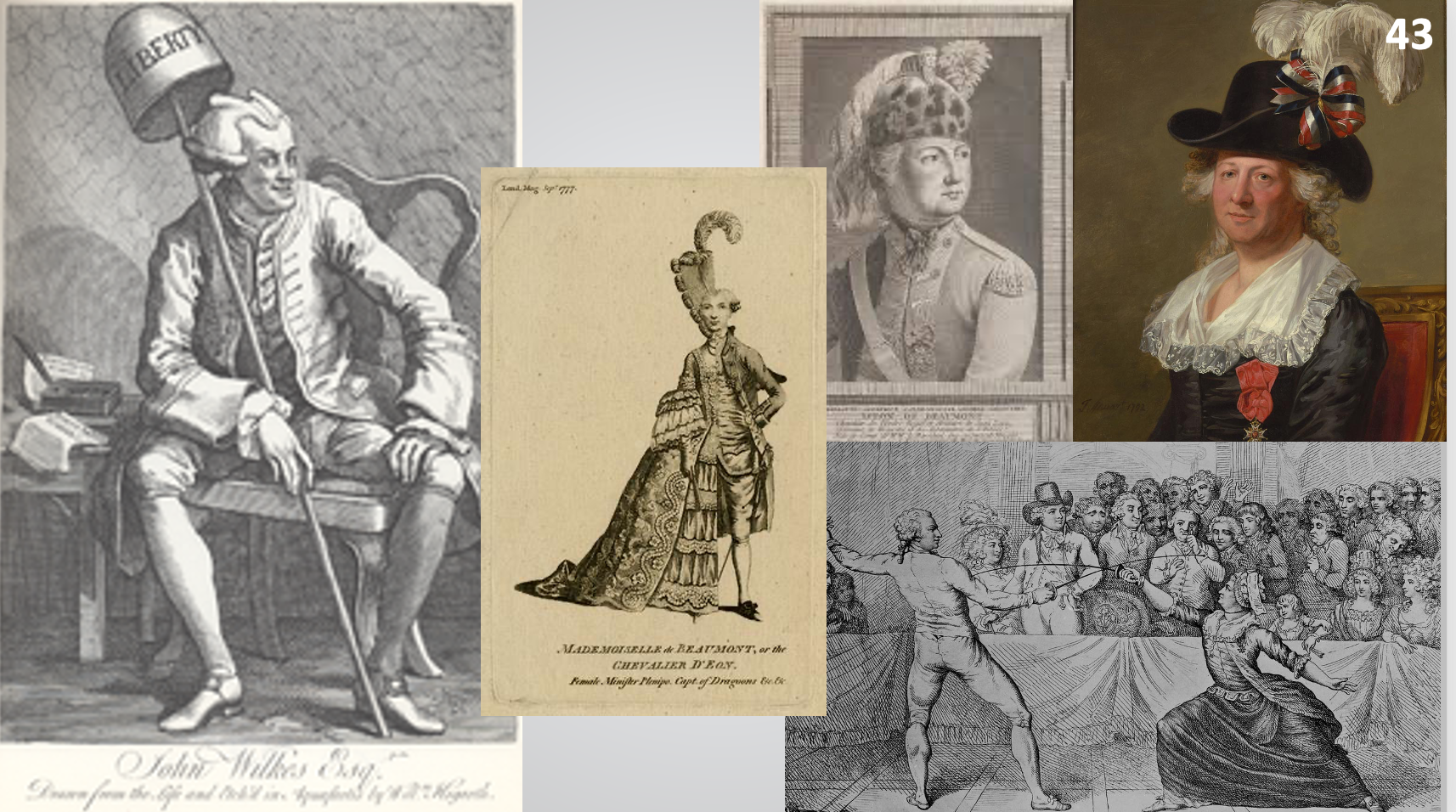
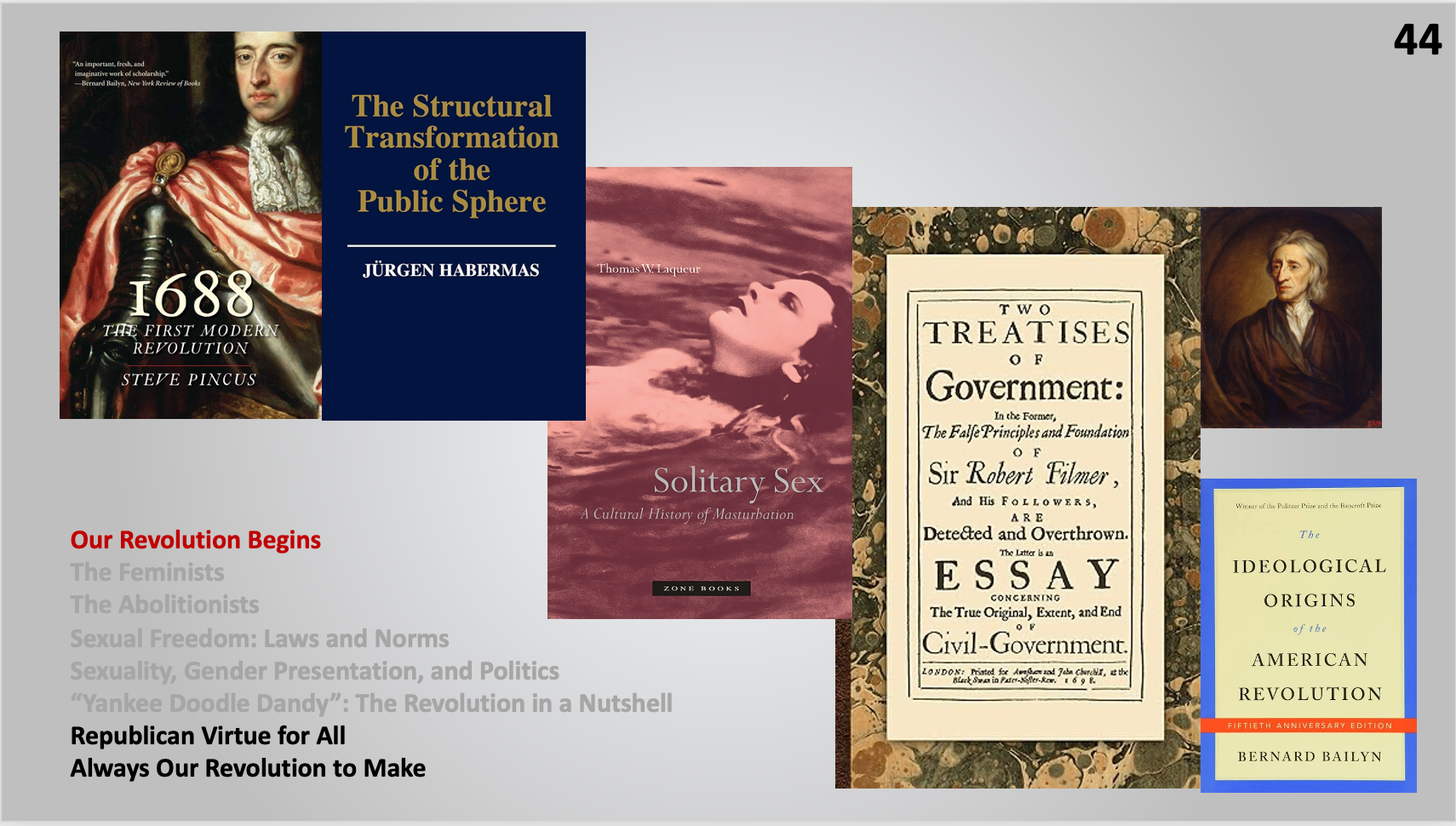
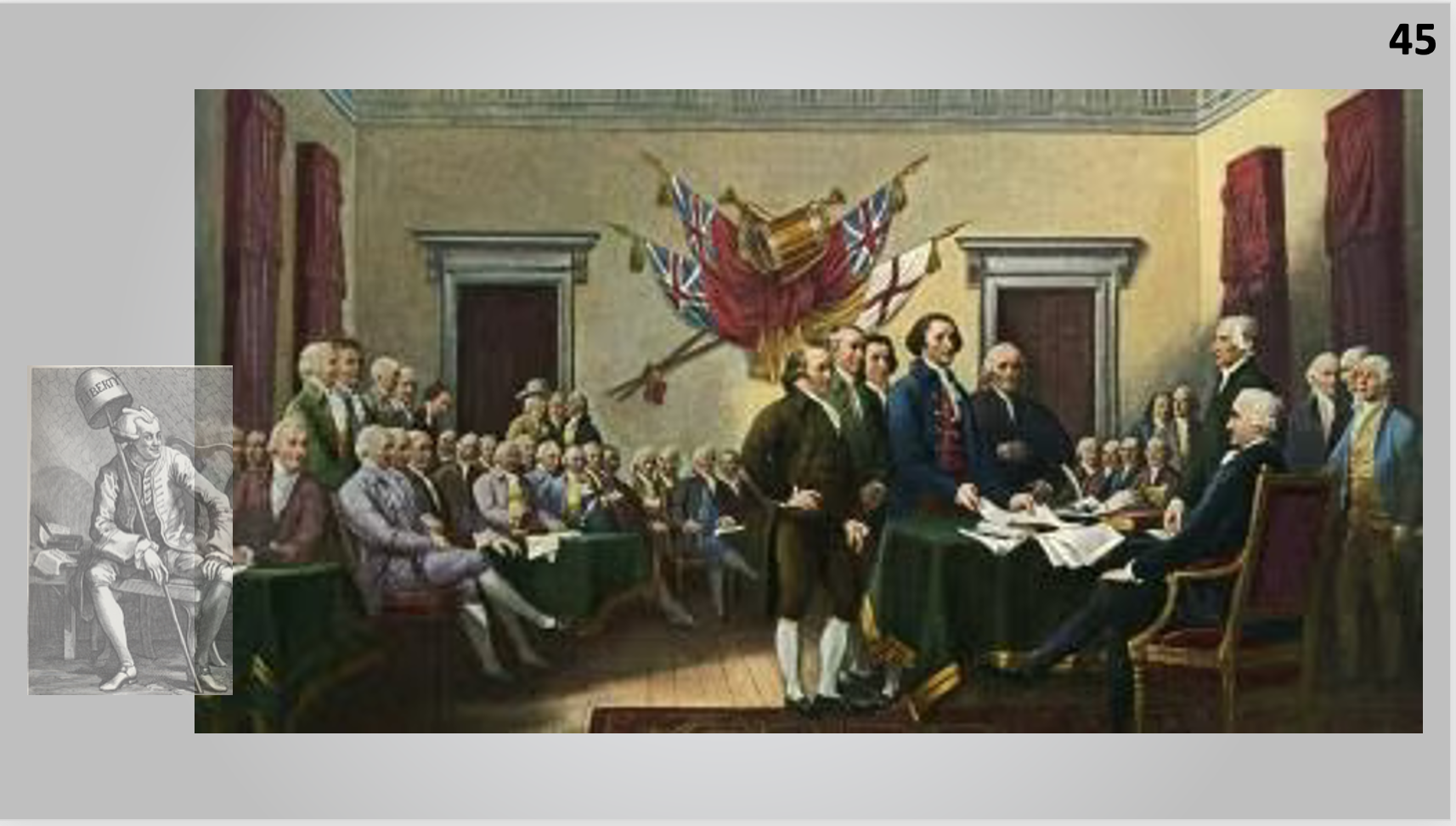
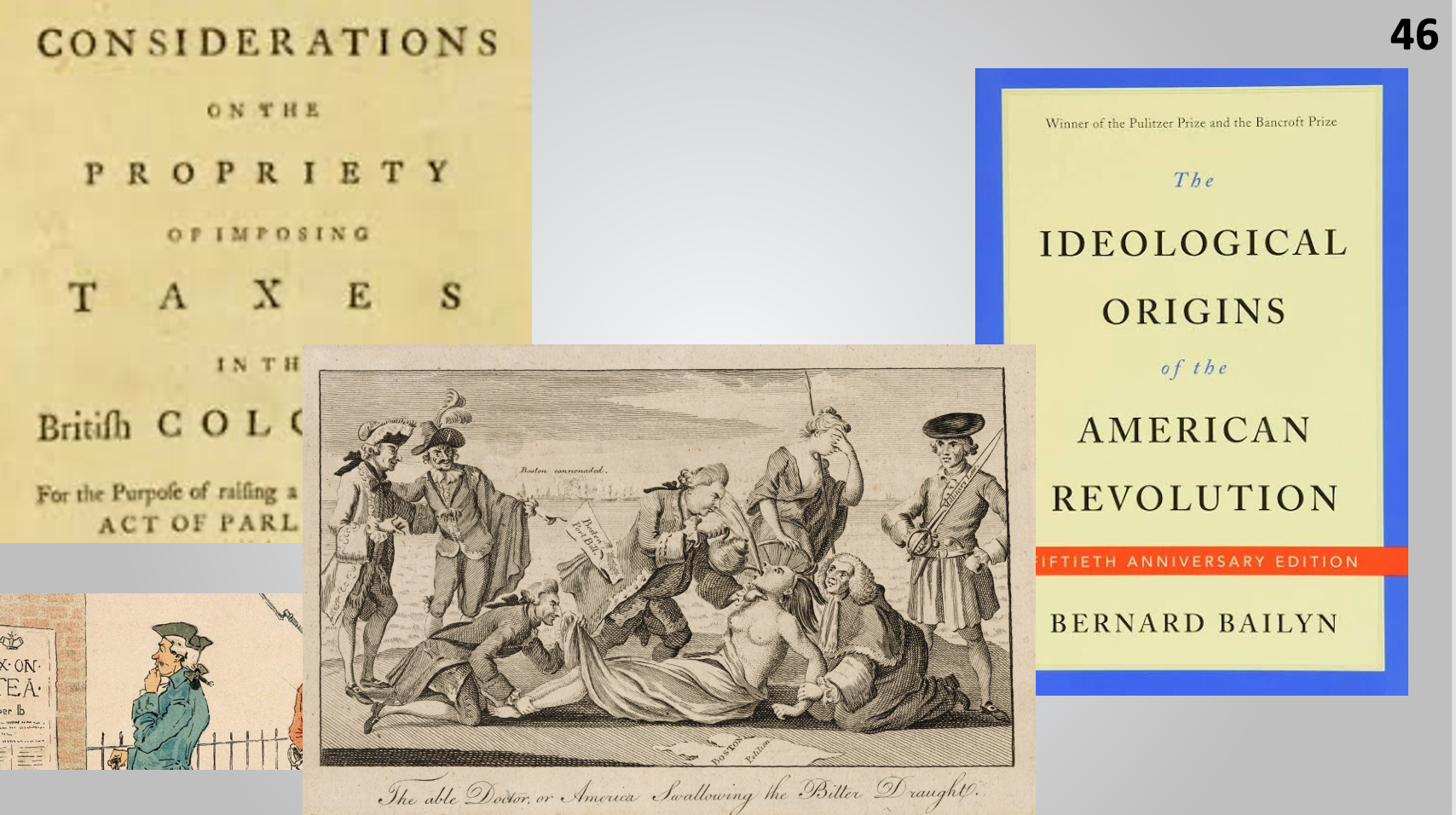
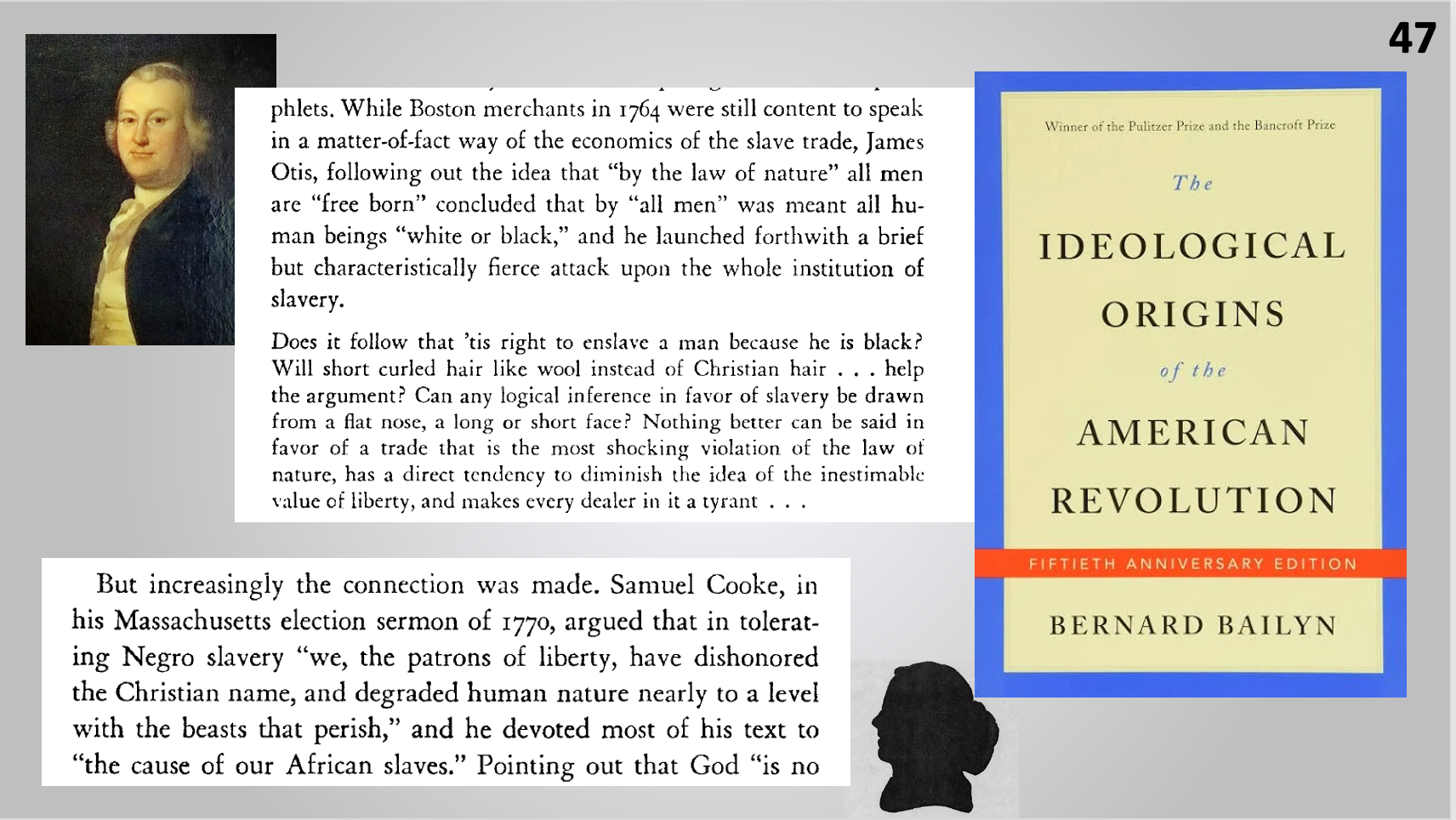

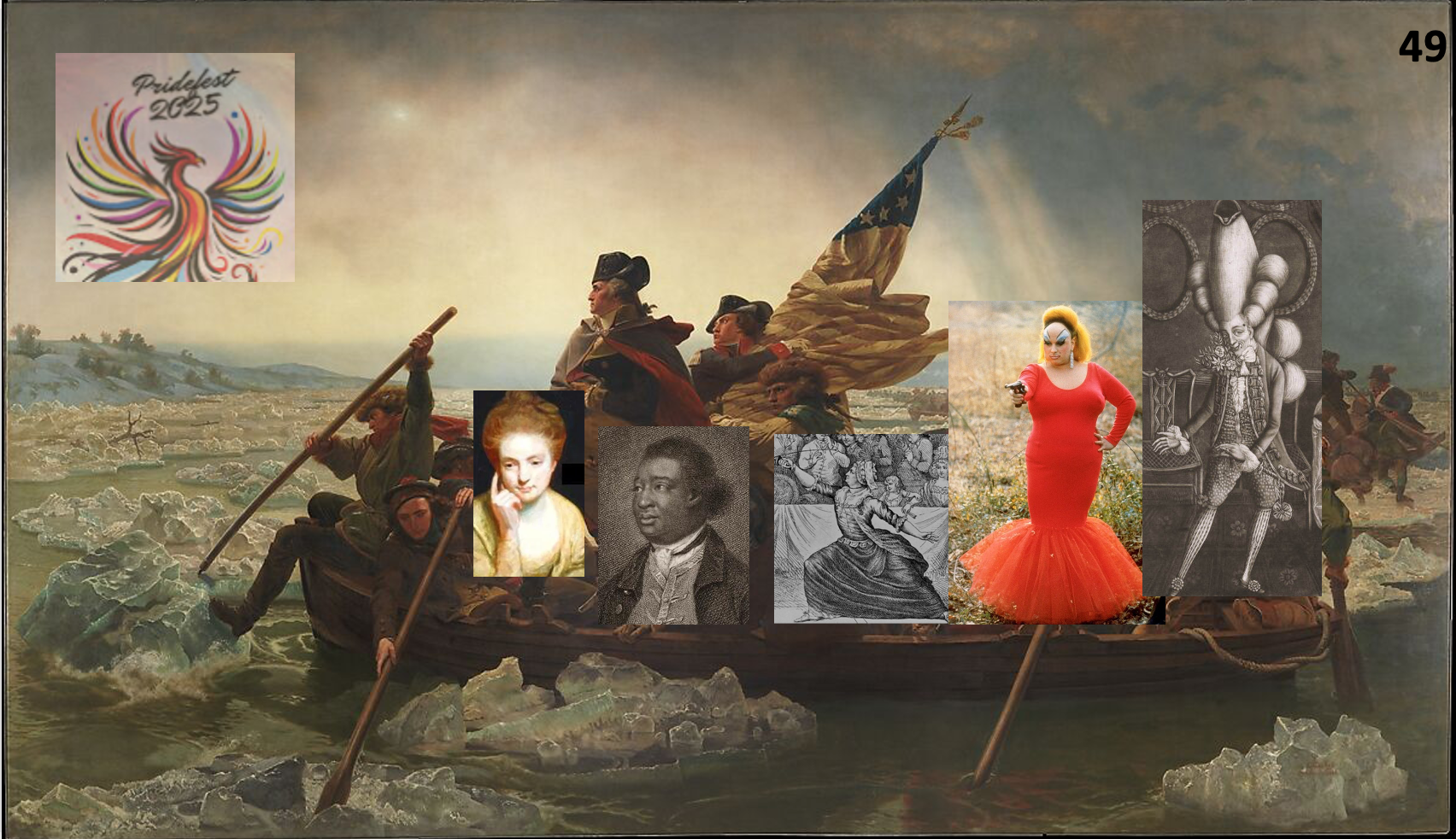


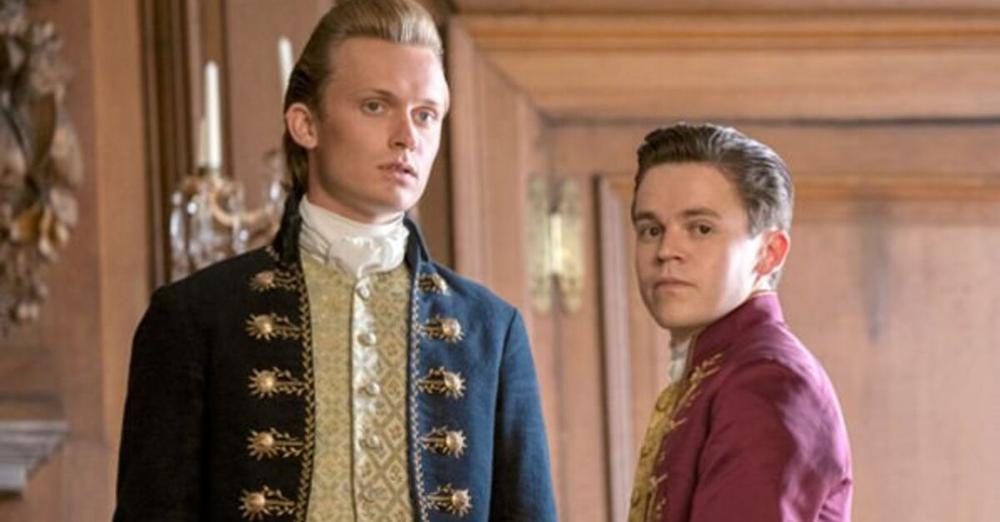





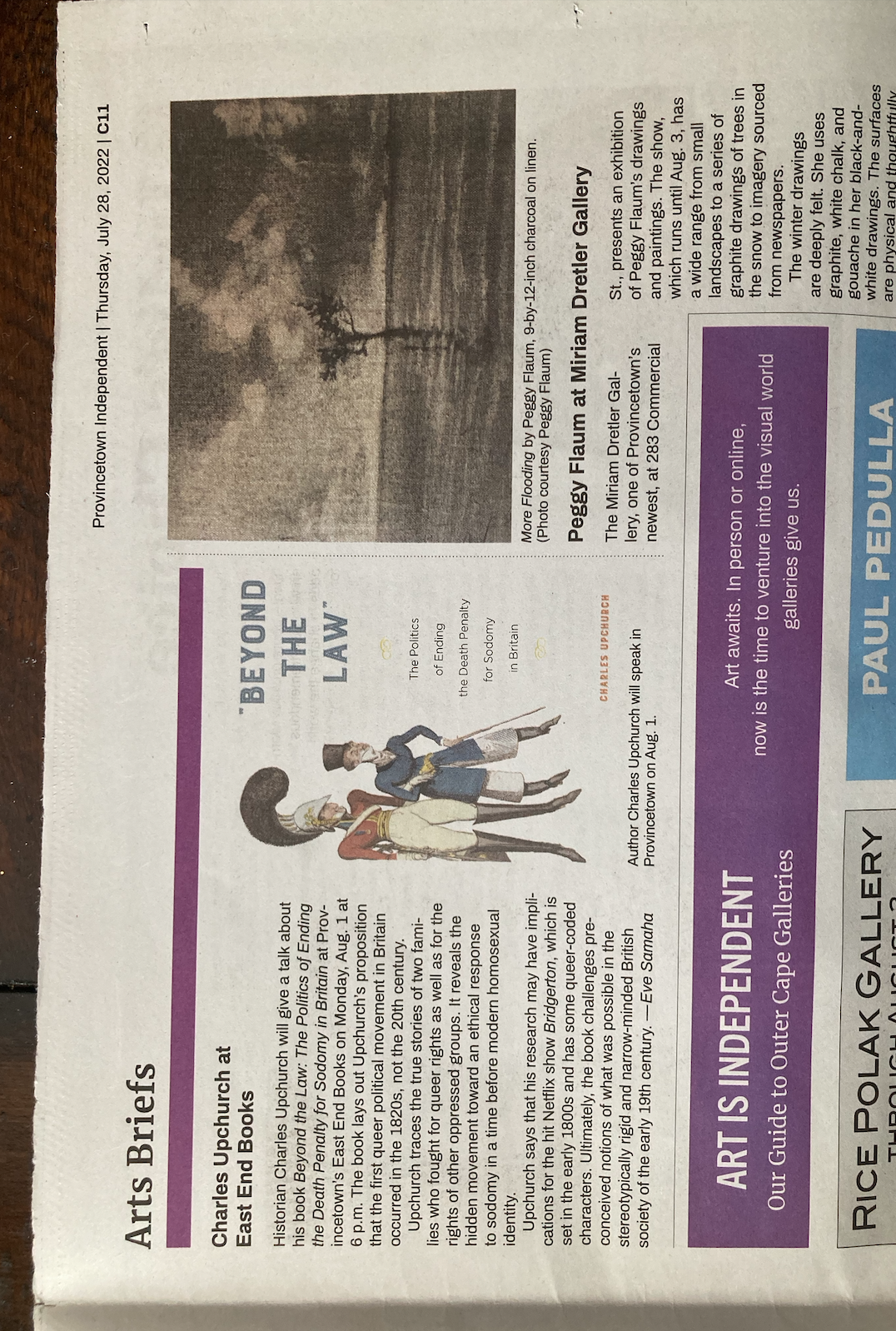

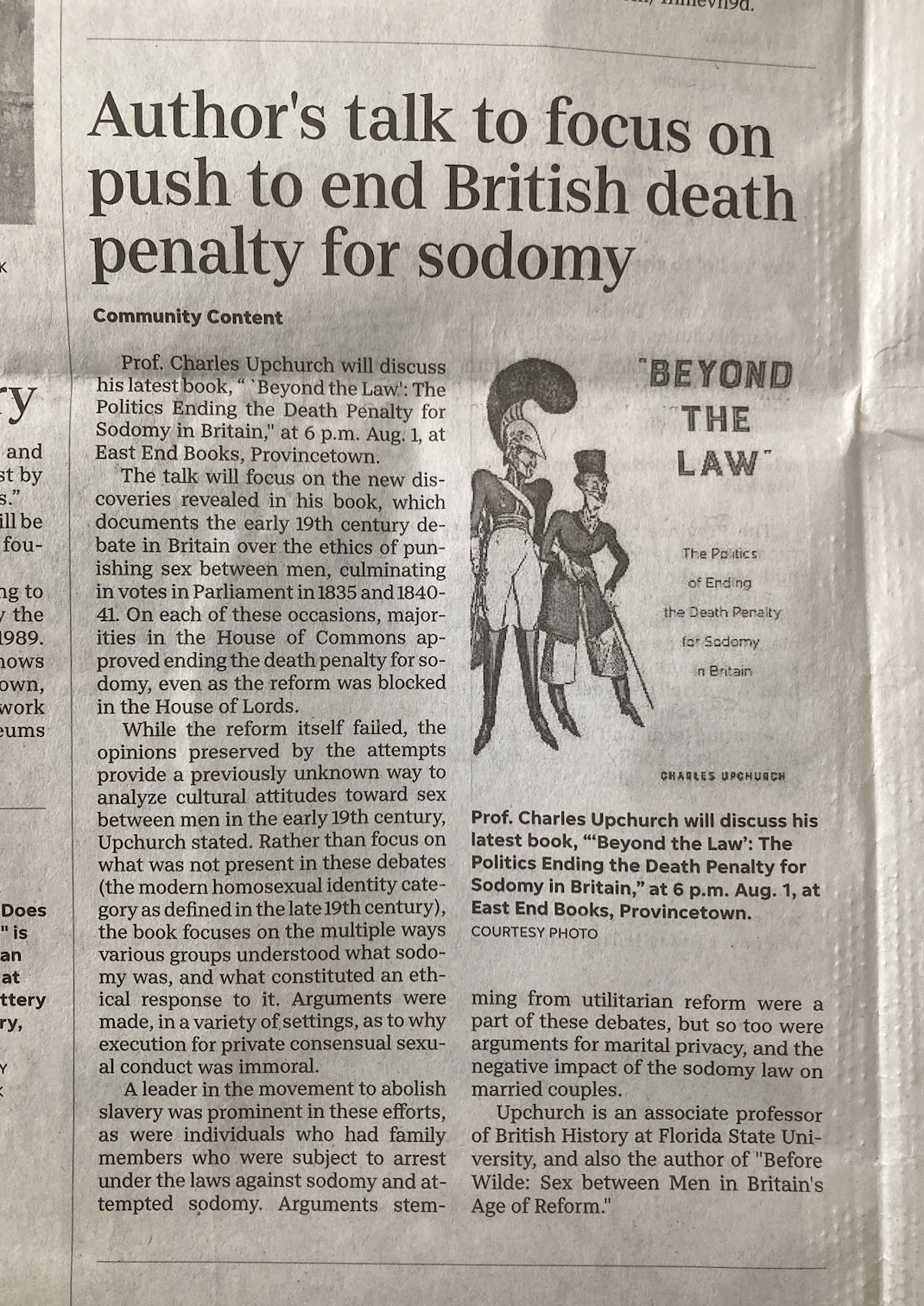


 Projects in History